Lifted Trucks in California
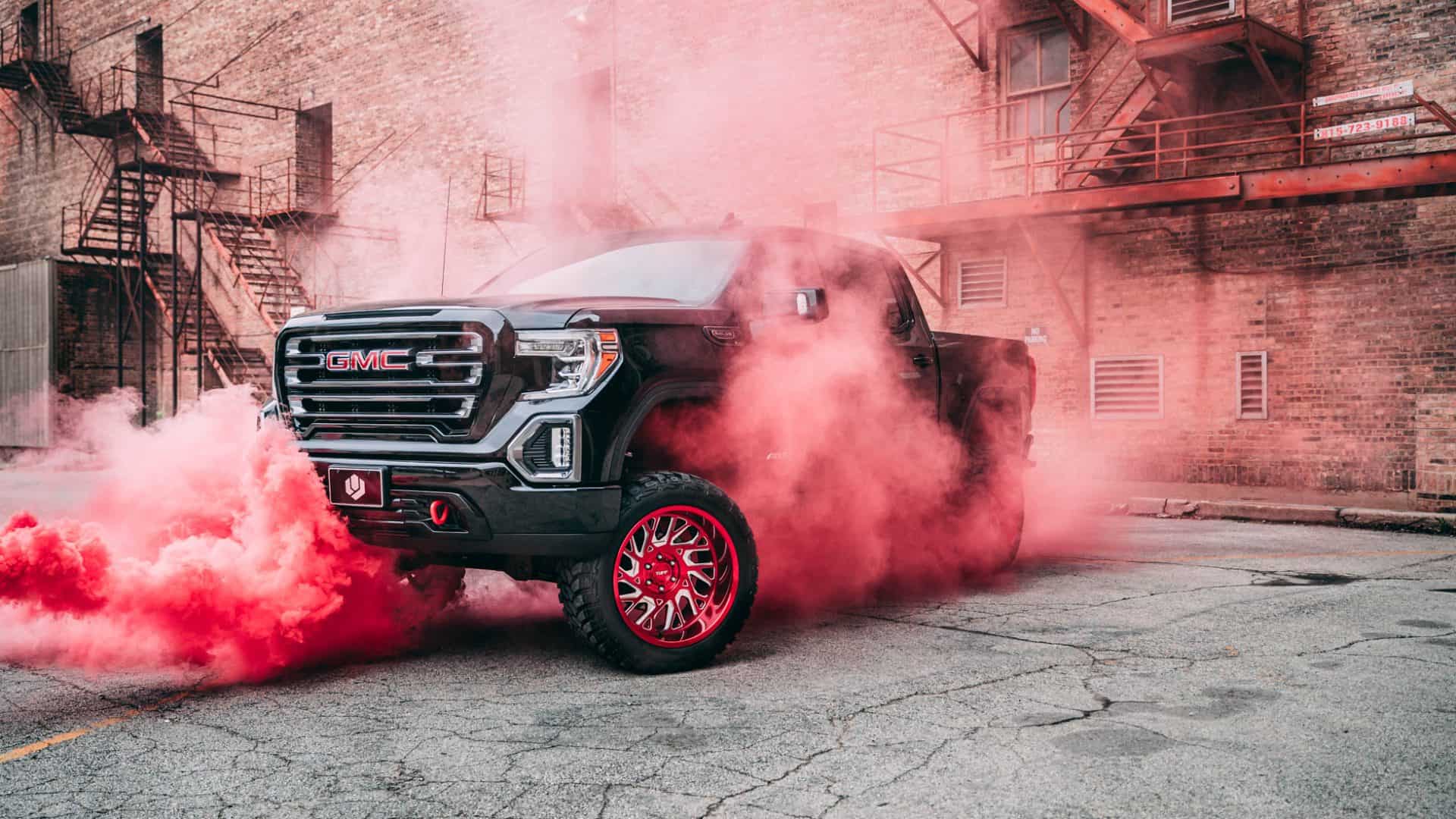
Best selling lifted trucks in California

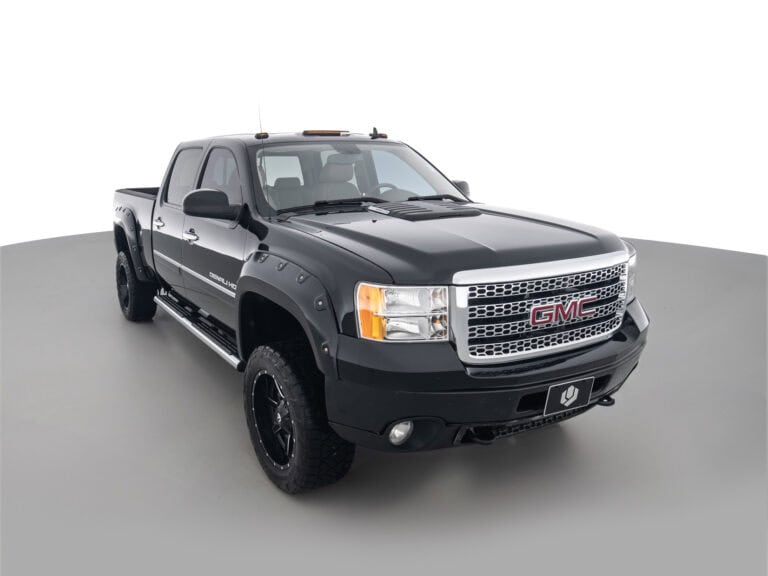
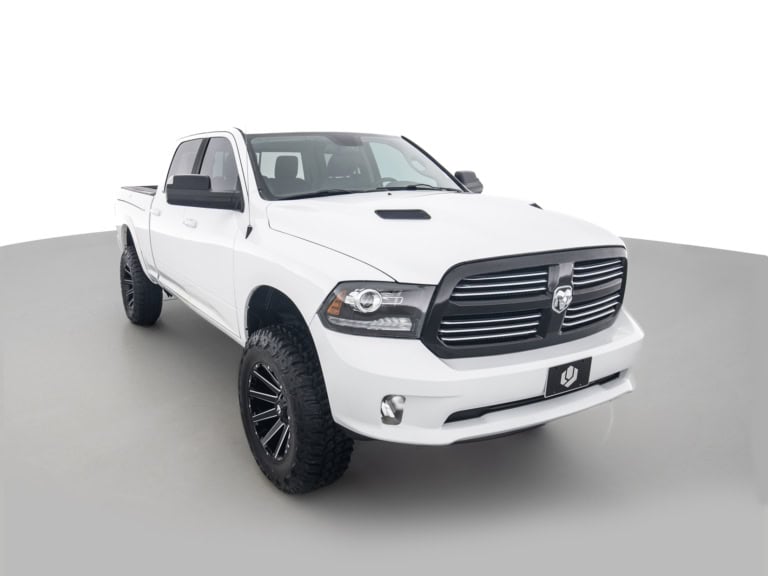


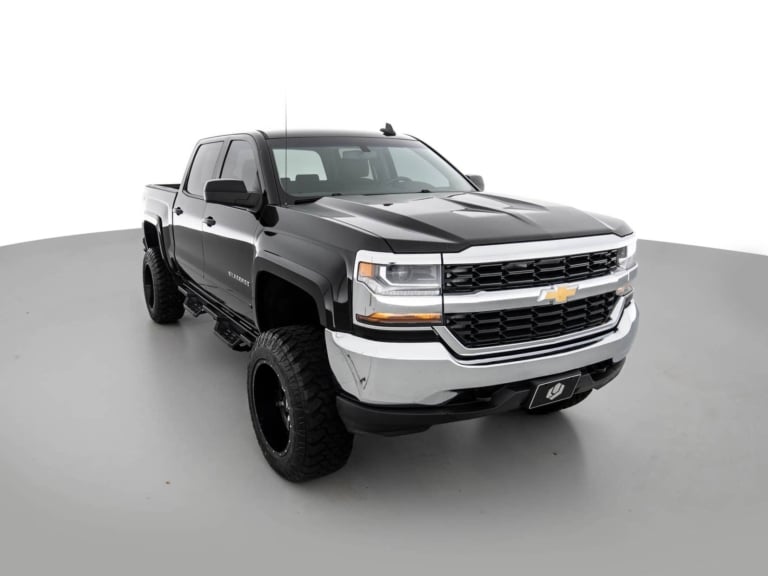


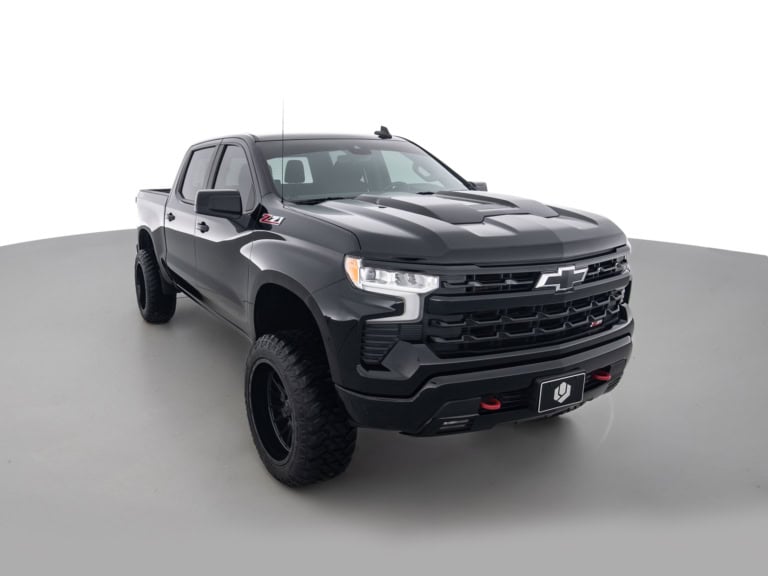

Buying a Lifted Truck in California: What You Need to Know
California has some of the most demanding vehicle regulations in the country — and some of the most spectacular off-road terrain on earth. The Rubicon Trail in the Sierra Nevada is one of the most famous 4×4 routes anywhere. Johnson Valley in San Bernardino County hosts King of the Hammers, widely regarded as the world’s toughest single-day off-road race. The Mojave Road stretches over 130 miles of open desert. Anza-Borrego Desert State Park, Big Bear, the Dumont Dunes, Sequoia National Forest backroads — the list goes on. California truck owners have access to terrain that draws enthusiasts from across the country.
But buying a lifted truck in California requires knowing the rules before you buy. The state imposes specific frame height limits tied to your truck’s GVWR, mandatory biennial smog checks, and some of the highest registration costs in the US. None of that should stop you from owning a great lifted truck here – it just means building smart and buying from someone who knows the compliance side as well as the performance side.
At Ultimate Rides, every truck we build is measured and documented before it ships. We build within California’s legal framework by default, so you’re not left figuring out compliance after the fact.
Lifted Trucks Built for California Roads and Terrain
California’s off-road landscape is as varied as the state itself. Southern California is defined by the Mojave Desert and its wide sandy washes, dry lake beds, rocky canyon systems, and the technical granite terrain of Johnson Valley and Big Bear. The Rubicon Trail and the backcountry of Tahoe National Forest define Northern California’s high-clearance needs – granite slabs, deep ruts, steep elevation changes, and tight rocky corridors that have tested rigs since the 1950s. In the Central Valley, lifted trucks are work vehicles: farm equipment haulers navigating flooded orchard roads, irrigation access tracks, and rural county dirt roads that rarely see a grader.
Whether you’re building for desert speed runs, technical rock crawling, Sierra backcountry overlanding, or hard daily use on unpaved Central Valley roads, the right build is specific to what you’re actually doing.
Vehicle Inspections in California
California has two separate inspection programs that affect lifted truck owners: the biennial smog check for most passenger vehicles and light trucks, and a separate emissions compliance program for heavy-duty vehicles. Understanding which applies to you is essential before registration.
Smog Check (Passenger Trucks — Under ~8,500 lbs GVWR)
Most pickup trucks registered in California – F-150s, Silverados, Rams, Tacomas, Tundras – fall under the standard smog check program. Key details:
▪ Frequency: Every two years, tied to your registration renewal cycle. Your renewal notice will tell you when a test is required.
▪ New residents: California requires a smog inspection before registering a vehicle brought in from another state, completed within 20 days of establishing residency. Out-of-state smog certificates are not accepted — you need a California-specific test.
▪ New vehicle exemption: Vehicles 8 model years old and newer are generally exempt from the biennial smog test; owners pay a $25 smog abatement fee instead during renewal.
▪ On transfer of ownership: Smog certification is required when a vehicle is sold or transferred to a new owner (with an exemption for vehicles 4 years old or newer, which instead require an $8 smog transfer fee).
▪ Testing locations: Tests must be completed at a DMV-approved smog station. Results are submitted electronically to the DMV.
▪ Lifted trucks specifically: There is no additional inspection triggered by a lift kit in the smog check program. The smog check evaluates emissions systems, not vehicle height. Your lift is irrelevant to smog compliance as long as emissions hardware is intact.
Clean Truck Check (Heavy-Duty — Over 14,000 lbs GVWR)
If you’re purchasing a heavy-duty commercial truck or a vehicle over 14,000 lbs GVWR, CARB’s Clean Truck Check program applies – not the standard smog check. This program requires registration in CARB’s database and periodic emissions testing. This does not apply to standard consumer pickup trucks (F-150, Silverado, RAM 1500, Tacoma, Tundra, etc.), which fall well below the 14,000 lb threshold.
No separate safety inspection is required for registration or renewal in California for passenger vehicles. The smog check is emissions-focused, not a general mechanical inspection.
Lifted Truck Regulations in California
California has some of the most specific lifted truck laws in the country, governed primarily by California Vehicle Code (CVC) §24008.5. Understanding the rules before you build – or before you buy – is essential for staying street legal.
Frame Height Limits (CVC §24008.5)
California limits how high a truck’s frame can sit above the ground, measured from the lowest point of the main longitudinal frame members to the ground, when the vehicle is unladen on a level surface. The limit is tied to the manufacturer’s GVWR. Most popular full-size pickups (F-150, Silverado 1500, RAM 1500, Tundra) have a GVWR in the 5,500–7,000 lb range, putting their legal ceiling at 30 inches of frame height. A well-built 4–5″ lift on these trucks can stay within that limit, depending on the factory frame height and specific lift geometry. Mid-size trucks (Tacoma, Colorado) typically fall under the 4,500 lb threshold, giving a tighter 27″ ceiling.
Body Lift Limit. The lowest portion of the body floor cannot sit more than 5 inches above the top of the frame. This limits body lifts to 5 inches maximum.
Bumper Height. California limits bumper height to maintain safe collision alignment with other vehicles. Bumpers cannot be raised beyond a reasonable height relative to factory position – if your lift pushes bumpers significantly beyond stock, a proper aftermarket bumper sized for a lifted application is the right solution.
Headlight Height. Headlights must be between 22 and 54 inches from the ground. On significantly lifted trucks, headlight height must be verified – exceeding 54 inches is a ticketable offense in California, and CHP officers do carry tape measures.
Fender Coverage. Tires must be covered by fenders or mudguards. On lifted trucks with wider tires, fender flares are typically required to maintain proper coverage.
Aftermarket Parts
Suspension lift kits, aftermarket wheels and tires, performance shocks, aftermarket bumpers, and grille guards are all permitted in California, provided the resulting frame height stays within the GVWR-based limits.
Key takeaway: California allows well-built lifted trucks – the rules just require that you measure what you’re building. Every truck we ship to California is verified against the applicable frame height limit for its GVWR before it leaves our facility.
Registration & Taxes in California
California has among the highest vehicle registration costs in the country, driven primarily by a value-based Vehicle License Fee (VLF) and a Transportation Improvement Fee (TIF) layered on top of base fees.
What to expect at registration:
▪ Base registration fee: $74 for new registration or standard renewal
▪ Vehicle License Fee (VLF): Equal to 0.65% of the vehicle’s market value, assessed annually. This is California’s version of a personal property tax on vehicles. On a $45,000 truck, the VLF is approximately $293 in year one. The VLF decreases by roughly 15% per year as the vehicle depreciates, so it drops meaningfully over time. Importantly, the VLF portion of your registration is deductible on your federal income tax return as a personal property tax — look for it on your renewal notice.
▪ Transportation Improvement Fee (TIF): A value-based surcharge ranging from $25 (vehicles valued under $5,000) up to $175 (vehicles valued $60,000 and above). For most new lifted trucks in the $35,000–$55,000 range, the TIF is $150.
▪ Title fee: Approximately $21 on initial registration
▪ Air quality fee: Variable by county
Sales Tax:California levies a 7.25% state base sales tax on vehicle purchases, plus local district taxes that vary by county. In Los Angeles County, combined rates can exceed 10.25%. Unlike some states, California does not allow trade-in values to reduce the taxable amount — the full purchase price is taxed regardless of any trade-in credit.
Out-of-state purchase (buying from Ultimate Rides): When you register a vehicle purchased out of state in California, you pay California use tax at the same rate as sales tax. California provides a credit for sales tax already paid to another state, so you won’t be double-taxed – but if the state where you bought the truck has a lower tax rate than California’s, you’ll owe the difference.
Smog abatement fee: If your vehicle qualifies for a smog exemption (under 8 model years old), you’ll pay a $25 smog abatement fee annually in lieu of a smog test.
No DMV grace period: California does not offer a grace period for paying annual registration fees. Late fees accumulate quickly — 60% of your VLF after 31 days to one year late. Register on time.
Use the California DMV’s online Fee Calculator at dmv.ca.gov to estimate your exact registration costs before you buy — it accounts for vehicle value, location, and purchase date.
Delivery Available Anywhere in California
Ultimate Rides delivers lifted trucks across the entire state of California — from San Diego and Los Angeles to San Francisco, Sacramento, Fresno, and every rural county from the Mojave Desert to the Oregon border.
What to expect with California delivery:
▪ Timeline: Most deliveries to California arrive within 2–3 business days of purchase finalization. Southern California (Los Angeles, San Diego, Riverside, San Bernardino counties) and the Bay Area typically land on the shorter end. Northern California and rural counties – including the Central Valley’s eastern edges, the Sierra Nevada foothills, and the North Coast — may be closer to 3 days depending on carrier routing.
▪ Registration timeline matters: Because California requires new residents or out-of-state vehicle purchasers to complete smog testing and DMV registration within a specific window (20 days for new residents), we recommend beginning the registration process as soon as your truck arrives. We provide all documentation — title, build specs, prior registration history – with delivery to make the process straightforward.
▪ Rural and agricultural delivery: A significant portion of California’s lifted truck buyers are in the Central Valley, Sierra Nevada foothills, or rural coastal counties. We work with carriers familiar with California’s varied road network, including addresses off paved county roads and farm properties. Coordinate any special access requirements at purchase.
▪ Heat and distance: California’s summer heat – especially in the Inland Empire, Central Valley, and Mojave – means all vehicles are inspected thoroughly before shipping. Fluid levels, tires, and cooling systems are checked before your truck leaves our facility.
▪ No extra fees for distance: Whether you’re in Bakersfield or Eureka, our delivery pricing is flat and quoted upfront with no surprises.
Helpful Tools

We Ship Nationwide

Get to Know Us