Lifted Trucks in New Hampshire

Best selling lifted trucks in New Hampshire
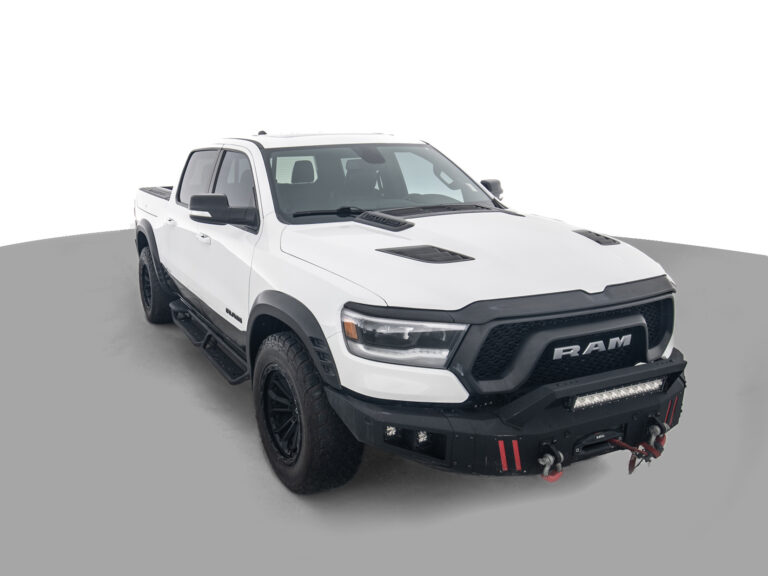
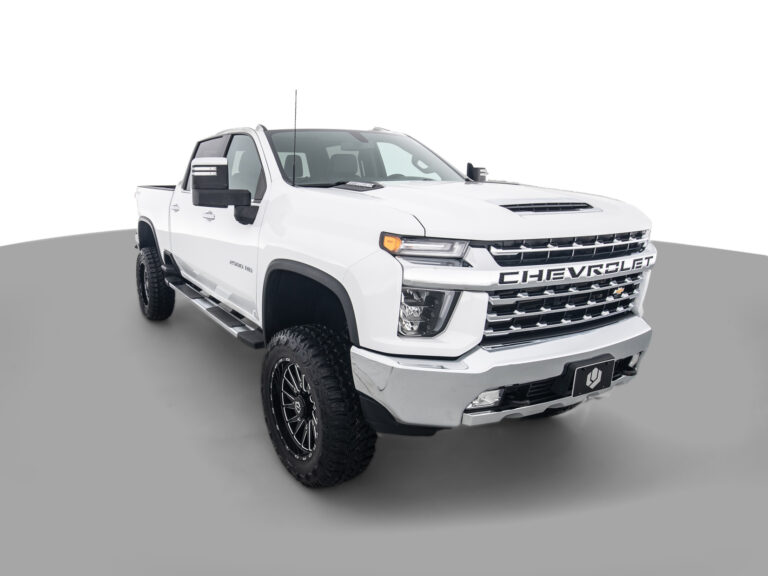
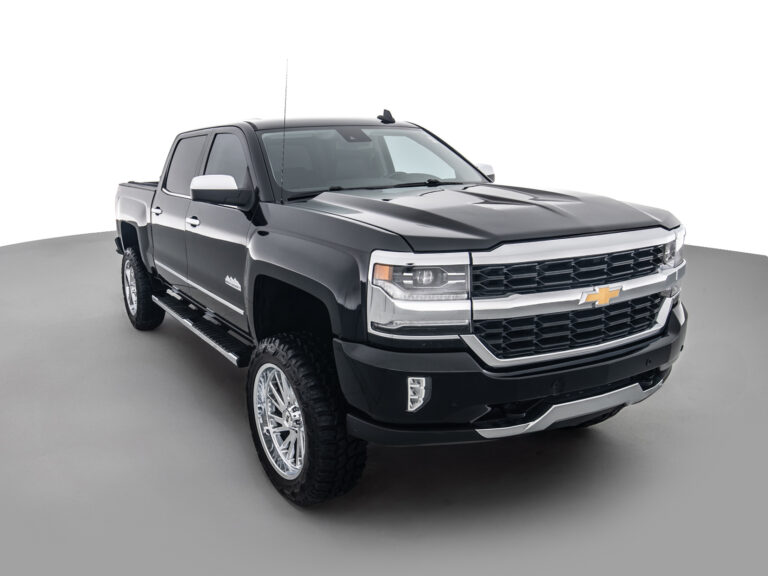
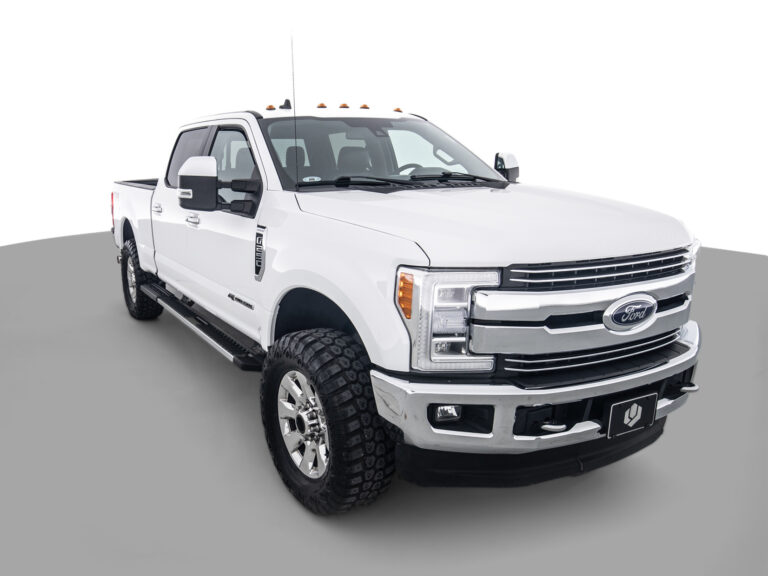
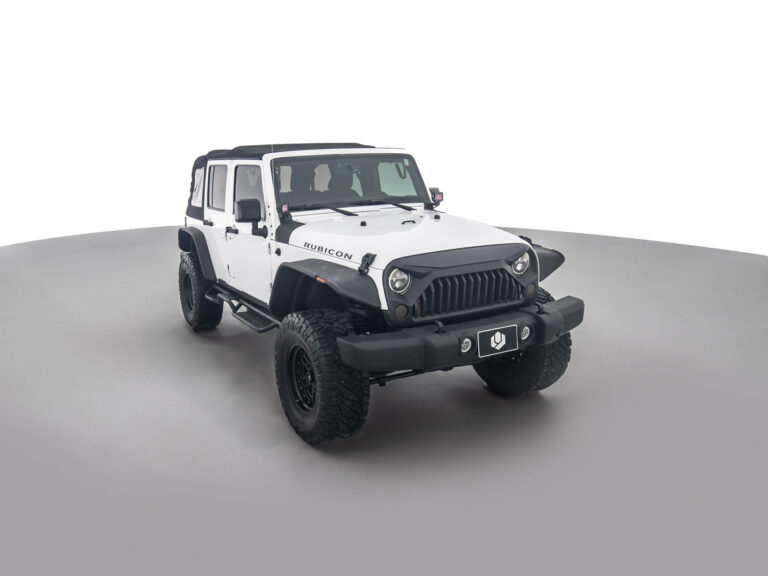
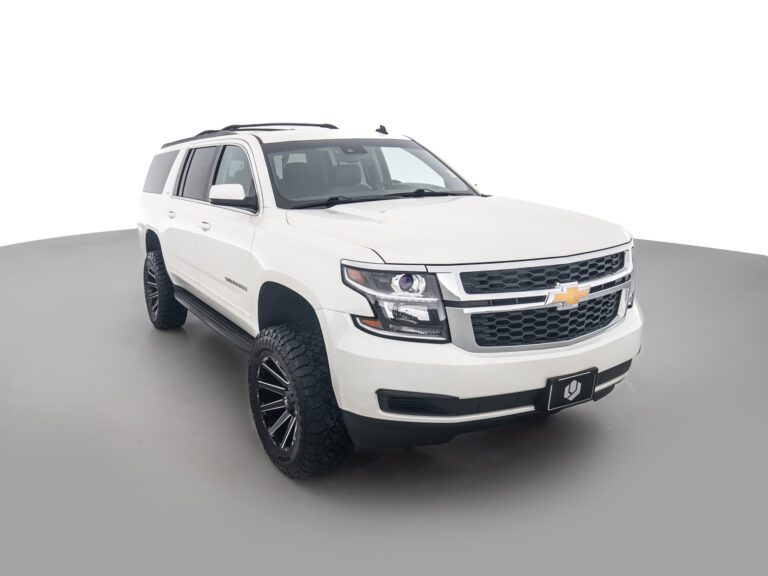
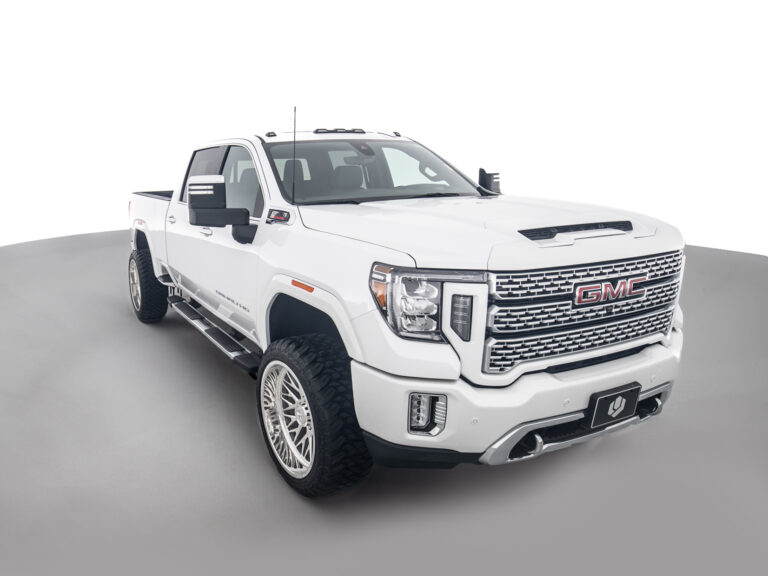


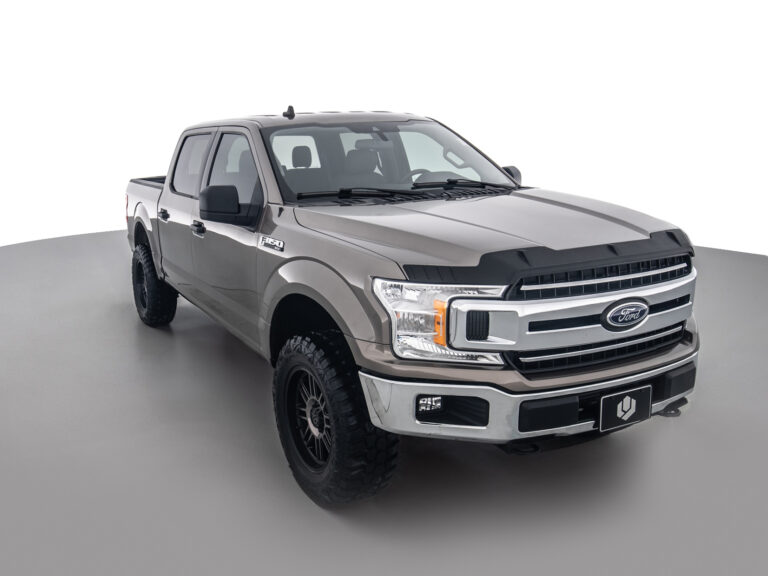
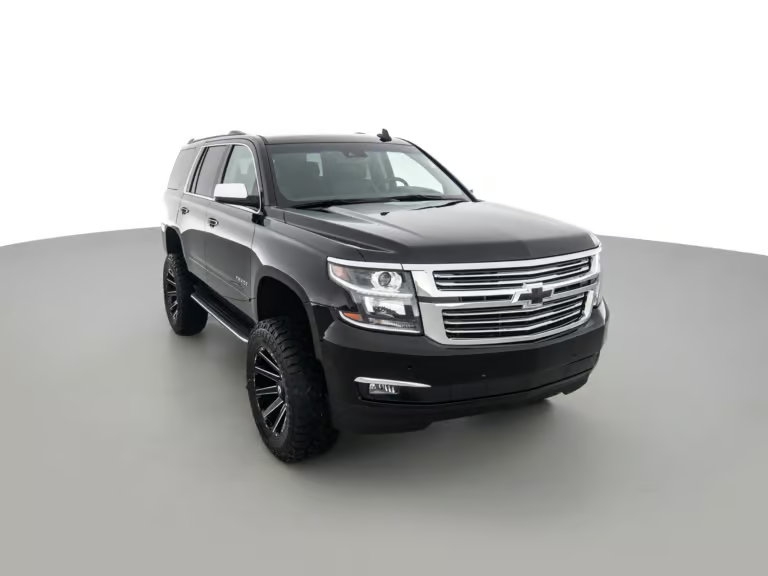
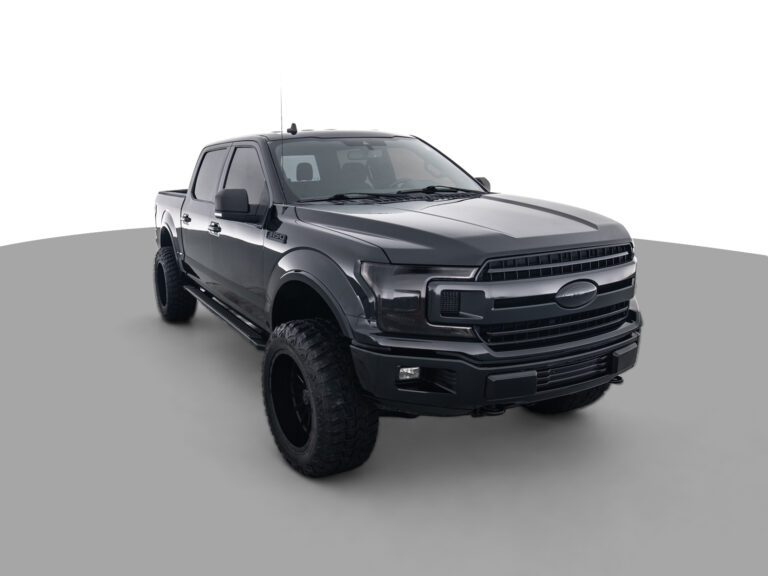
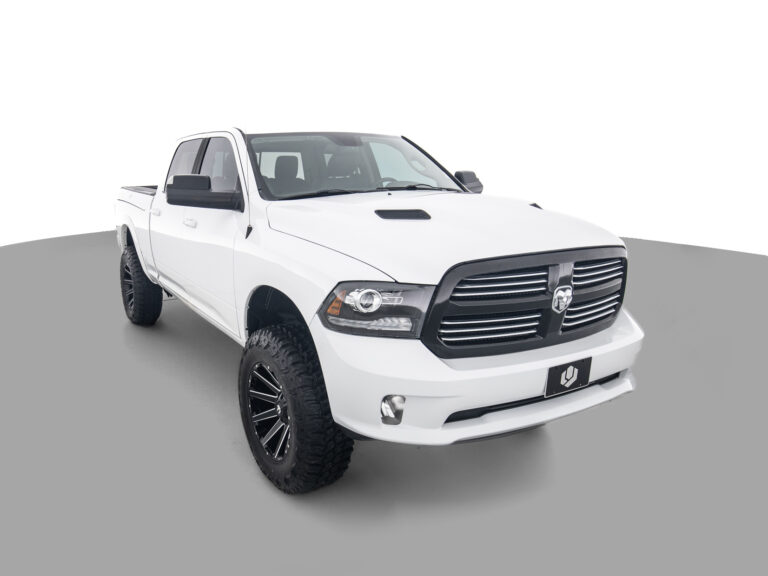
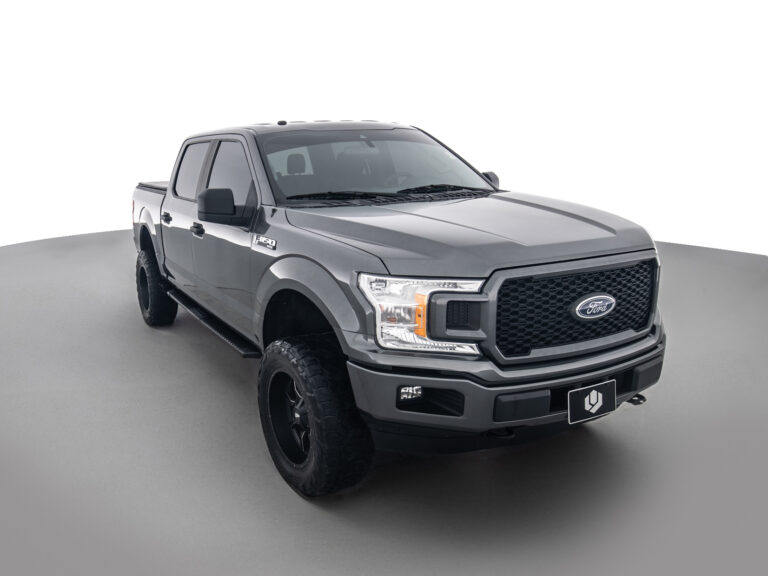
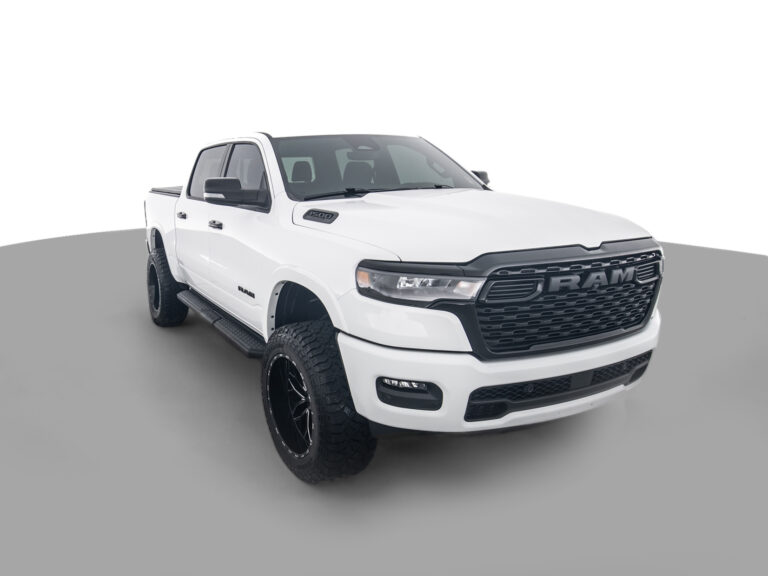
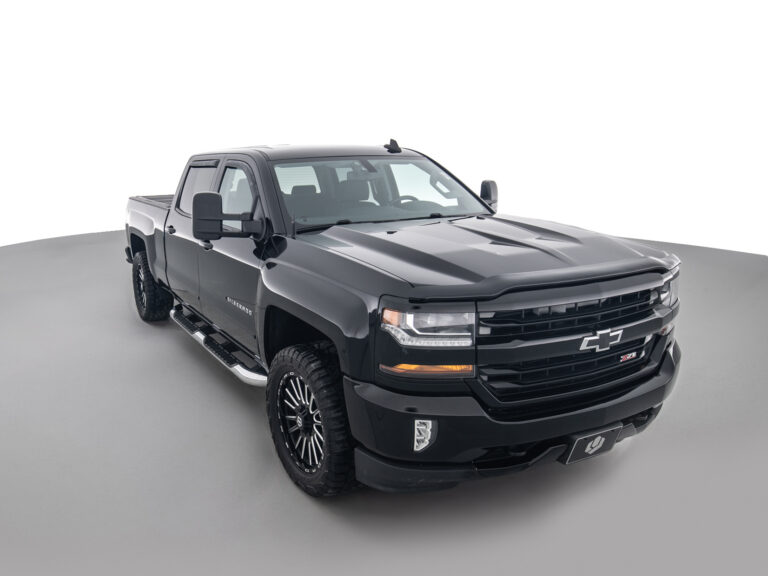
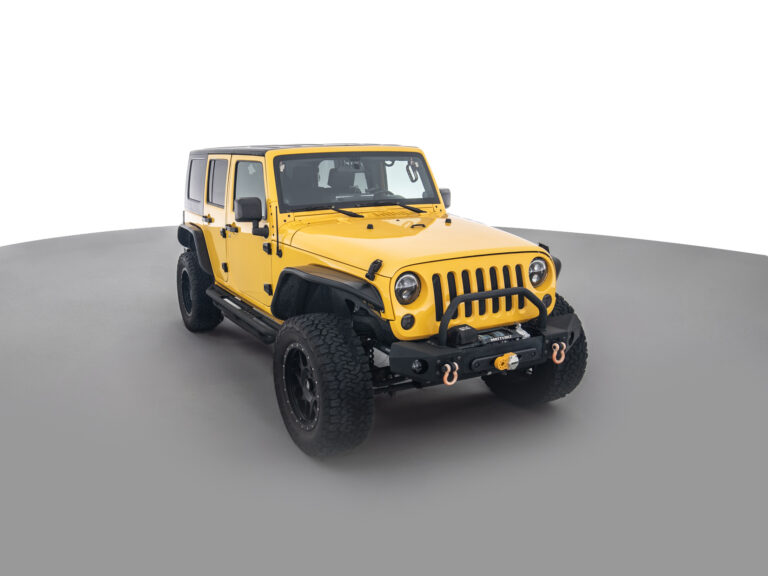


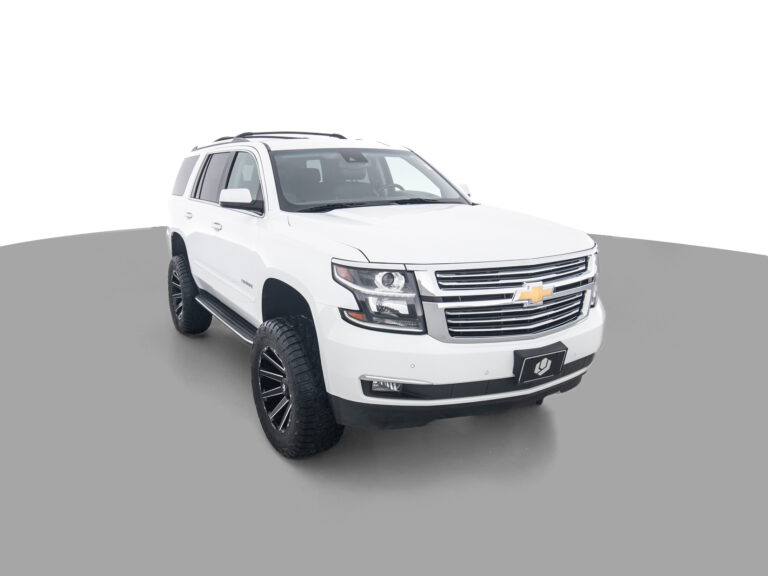
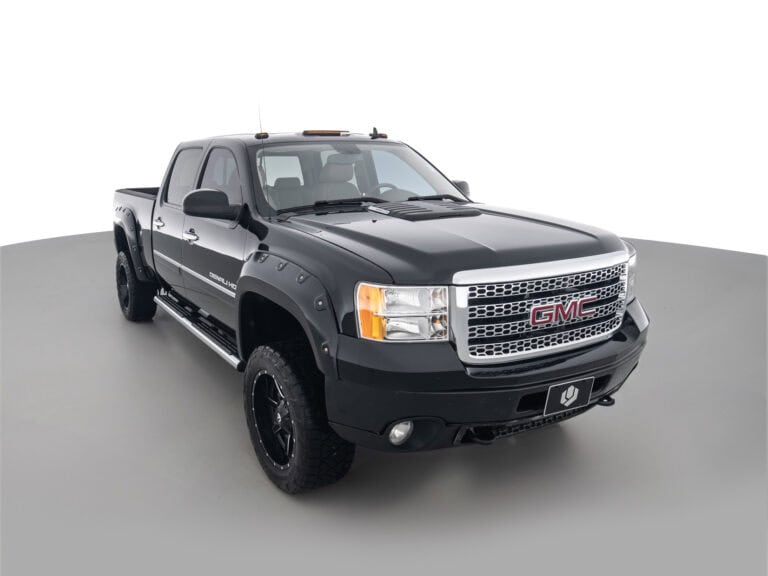
Buying a Lifted Truck in New Hampshire: What Granite State Drivers Should Know
New Hampshire is a strong state for lifted trucks because the driving conditions can shift quickly. A truck that feels comfortable around Manchester, Nashua, Concord, Dover, Portsmouth, or Salem may also need to handle snowy backroads, steep driveways, camp access, lake roads, mountain routes, and rural property.
For New Hampshire buyers, the right lifted truck should not just look aggressive. It should feel stable in winter, practical on tight New England roads, comfortable on I-93, I-95, Route 101, and the Spaulding Turnpike, and capable enough for the Lakes Region, the White Mountains, and the North Country.
Lifted Trucks Built for New Hampshire Roads, Snow, and Mountain Access
New Hampshire roads can be hard on a truck in ways that are easy to overlook. Winter salt, frost heaves, potholes, steep residential roads, gravel driveways, camp roads, and sudden weather changes can all make suspension quality and tire choice important.
If you drive mostly in Southern New Hampshire or along the Seacoast, you may care most about road comfort, clean steering, braking confidence, visibility, and parking practicality. If you spend more time around the Lakes Region, White Mountains, Monadnock Region, or farther north, four-wheel drive, ground clearance, tire grip, underbody condition, and cold-weather reliability may matter more.
At Ultimate Rides, we can help New Hampshire buyers compare lifted trucks and SUVs based on real use, not just appearance. Whether you are looking at a Silverado, Sierra, F-150, Ram, Tacoma, Tahoe, Yukon, Jeep, or another custom build, the goal is to find a truck that fits your roads, weather, and daily driving needs.
Vehicle Inspections in New Hampshire
New Hampshire’s vehicle inspection rules have been in transition, so buyers should check the latest state guidance before registering a truck. State guidance in early 2026 said the inspection program was suspended until further notice, with inspection stations no longer authorized to issue state inspection stickers and drivers no longer required to obtain an annual inspection during that suspension. Recent reporting also noted that the Attorney General’s Office advised motorists they no longer needed yearly inspections after an appeals court stayed a lower-court ruling. Safety laws still apply, so vehicles must remain safe to operate.
For lifted truck buyers, that makes your own pre-purchase review even more important. Check the suspension, steering, brakes, tires, lighting, mirrors, underbody condition, wheel fitment, and whether the truck feels stable at highway speed. New Hampshire winters can be tough on frames, brake lines, shocks, bushings, and other undercarriage parts.
If you are bringing a truck into New Hampshire from another state, also pay attention to title paperwork and VIN verification. New Hampshire DMV guidance says a VIN verification may be required when purchasing or selling a titled vehicle, and a title fee applies.
Lifted Truck Regulations in New Hampshire
New Hampshire’s key lifted truck rule is bumper height. RSA 266:9 says a private passenger vehicle may not have a horizontal bumper below 16 inches or above 20 inches. For vehicles other than private passenger vehicles, the horizontal bumper may not fall below 16 inches or above 30 inches. The measurement is taken from level ground to the bottom of the bumper, with tires inflated to the manufacturer’s maximum air pressure.
Overall vehicle height also matters. New Hampshire RSA 266:10 says a vehicle, including its load, may not be driven on state ways if its total height is greater than 13 feet 6 inches, except for specific manufactured housing or modular building situations.
For most consumer lifted trucks, bumper height, tire clearance, safe steering, brake performance, headlight aim, and road stability will be the practical concerns. Before adding a bigger lift, larger tires, aftermarket bumpers, spacers, or exterior accessories, check the final setup against New Hampshire rules and real-world driving needs.
Registration and Taxes in New Hampshire
New Hampshire title and registration costs are handled differently from many states because registration includes both local and state components. The New Hampshire DMV says vehicle owners should go to the town or city where they live to pay permit fees first, and registration fees are tied to RSA 261:141 for state fees and RSA 261:153 for town or city fees.
Local permit fees are generally based on the vehicle’s model year, original MSRP, and the number of months being registered. Manchester’s fee explanation, for example, lists tax rates per $1,000 of MSRP that decrease as the vehicle ages.
New Hampshire does not have a general sales tax on goods purchased in the state, according to the New Hampshire Department of Revenue Administration. That said, buyers should still budget for title, registration, municipal permit, plate, and any applicable local or state DMV fees.
Before your truck arrives, make sure you have the purchase documents, title paperwork, proof of residency, insurance details, VIN verification if required, and any town or city registration requirements ready.
Delivery to New Hampshire
New Hampshire delivery is usually straightforward in the southern part of the state, but the final route matters. Manchester, Nashua, Concord, Salem, Derry, Portsmouth, Dover, Rochester, and Keene are easier to coordinate around major roads. Deliveries into the Lakes Region, the White Mountains, rural towns, or the North Country may need more planning because of elevation, winter weather, narrow roads, and driveway access.
Once transport is scheduled, many New Hampshire deliveries can be arranged within about 2 to 3 days, depending on carrier availability, season, weather, and the final drop-off location. Snowstorms, steep residential roads, camp roads, private lanes, wooded driveways, and tight village streets can affect whether a carrier can unload directly at your address.
For some buyers, home delivery is simple. For others, the better plan may be to meet the carrier at a wide, easy-access location near a main road, such as a shopping plaza, truck stop, dealership-style lot, town parking area, or open commercial lot. This can make the handoff easier, especially in winter or in mountain and lake-area towns.
Before the vehicle leaves, the team can confirm the delivery timing, paperwork, and most practical unloading point for your part of New Hampshire.
Helpful Tools

We Ship Nationwide

Get to Know Us