Lifted Trucks in Massachusetts

Best selling lifted trucks in Massachusetts

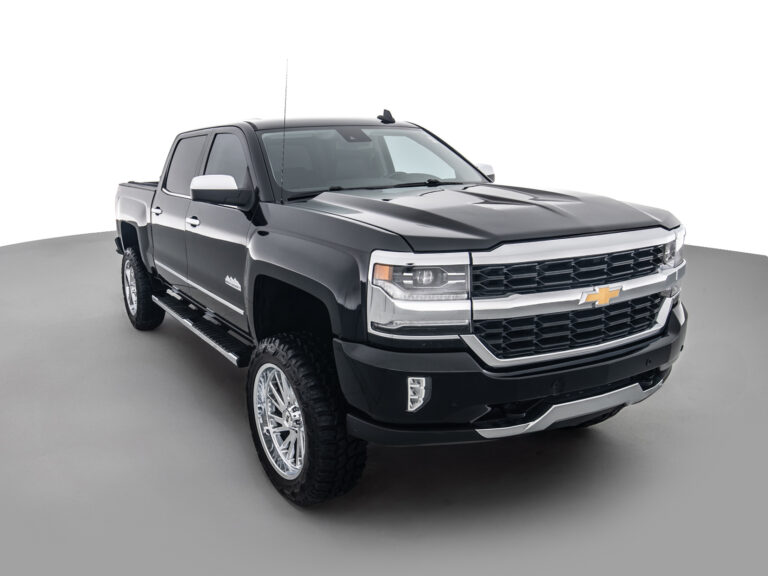
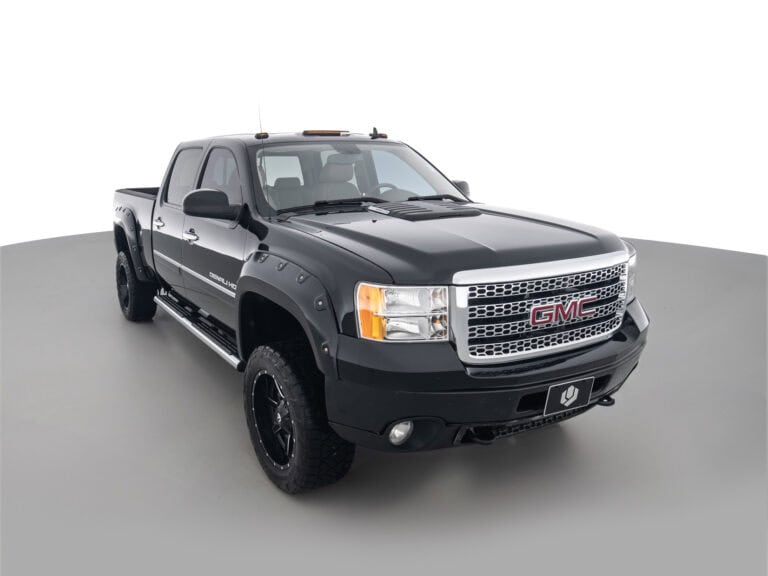
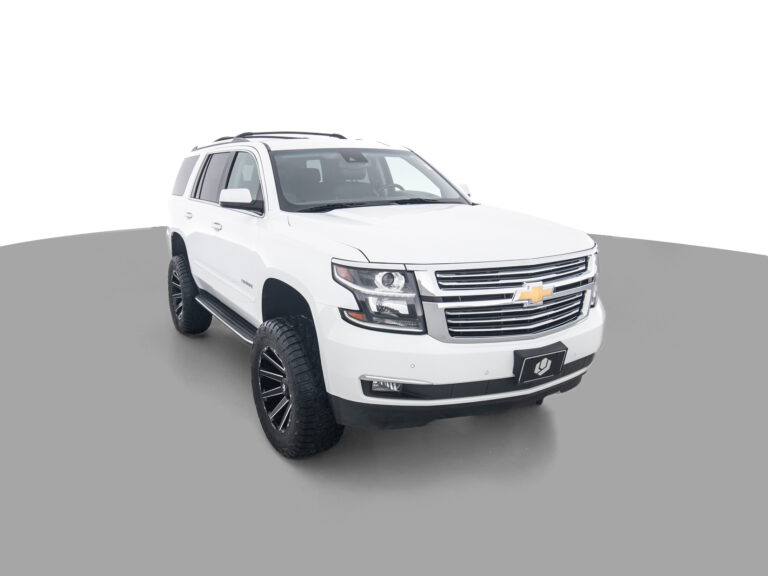

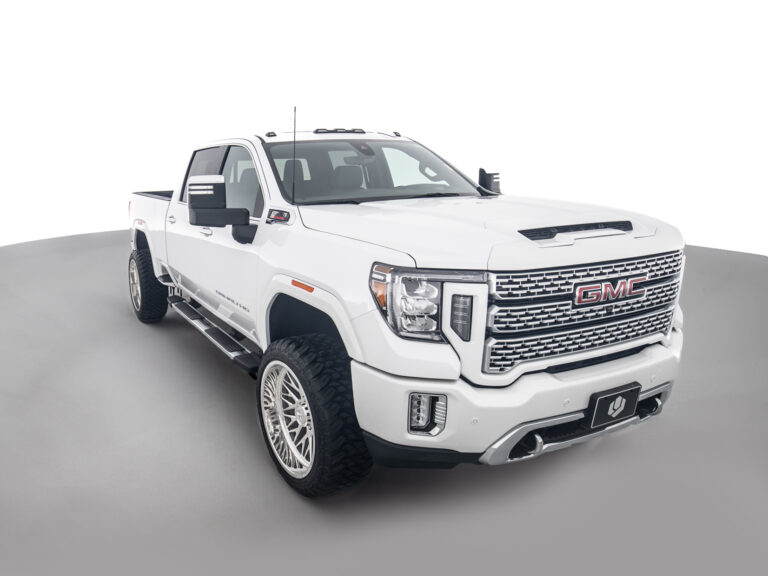
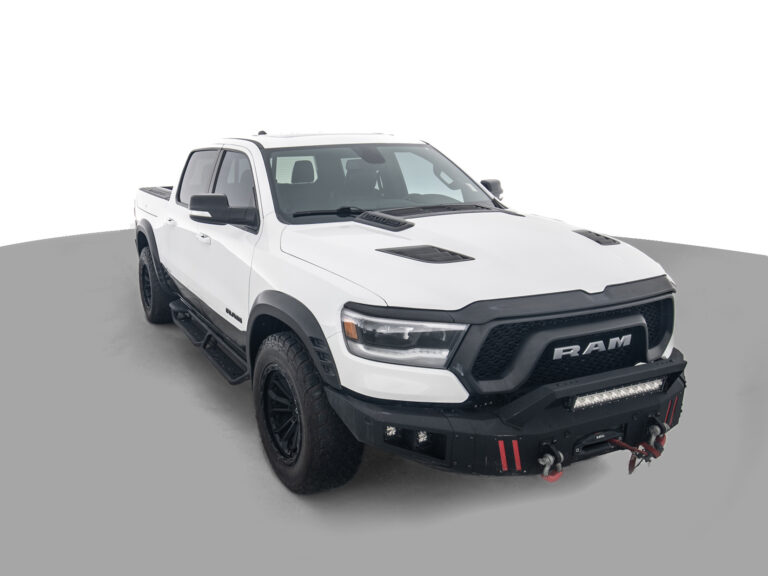
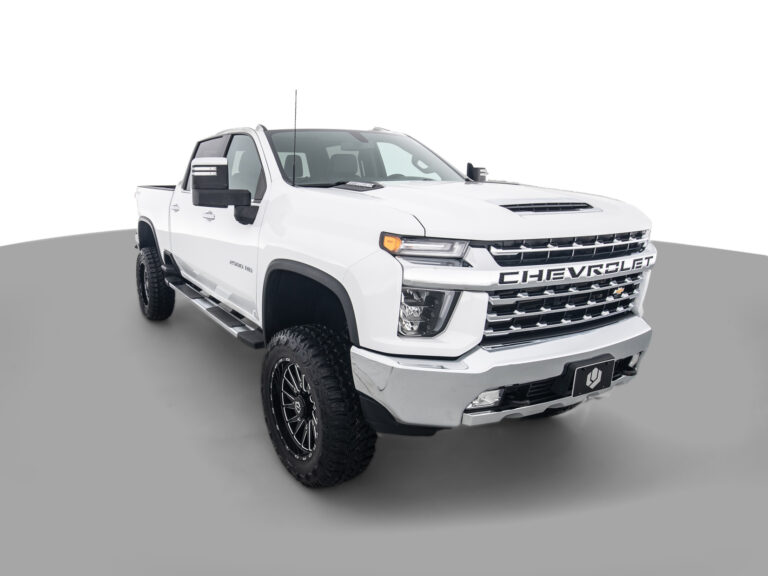
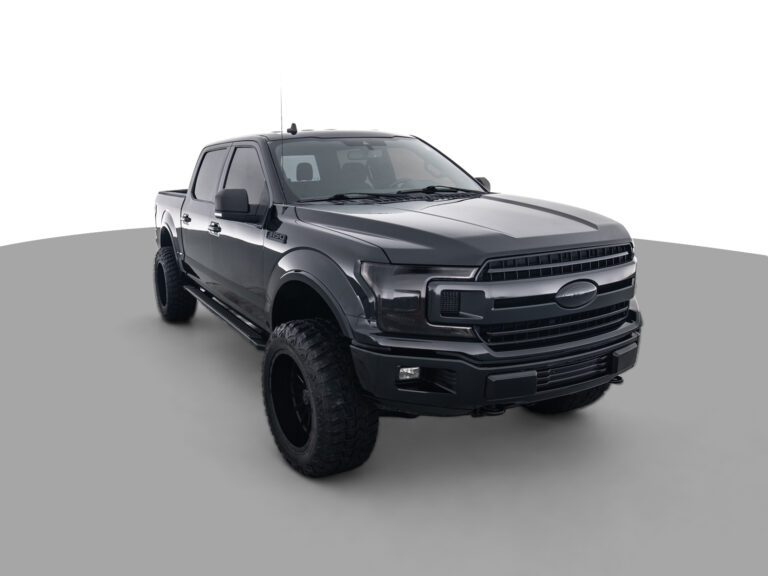
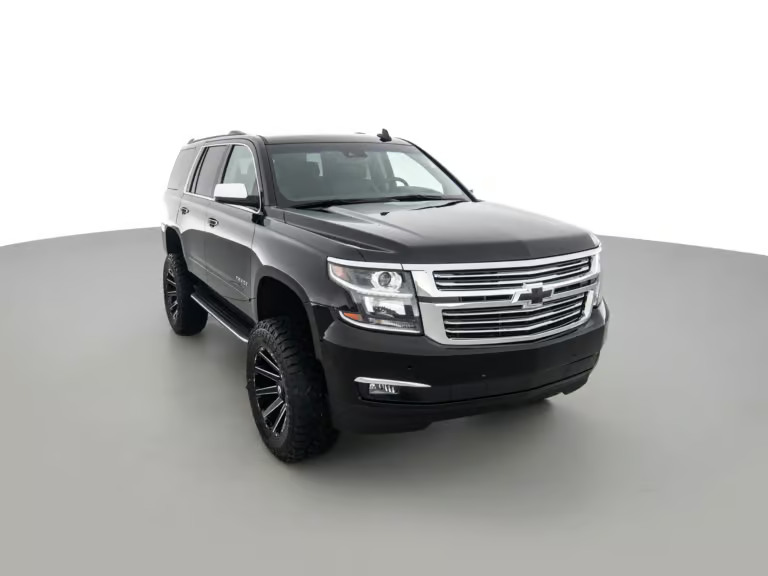
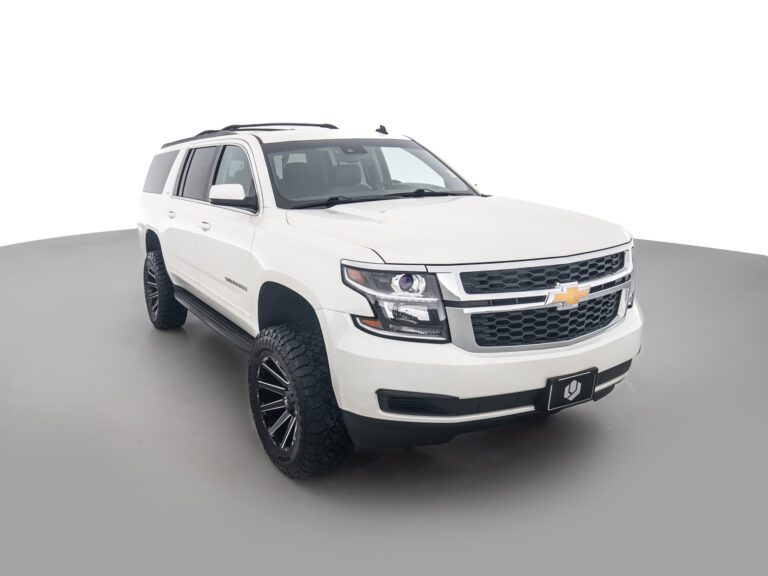
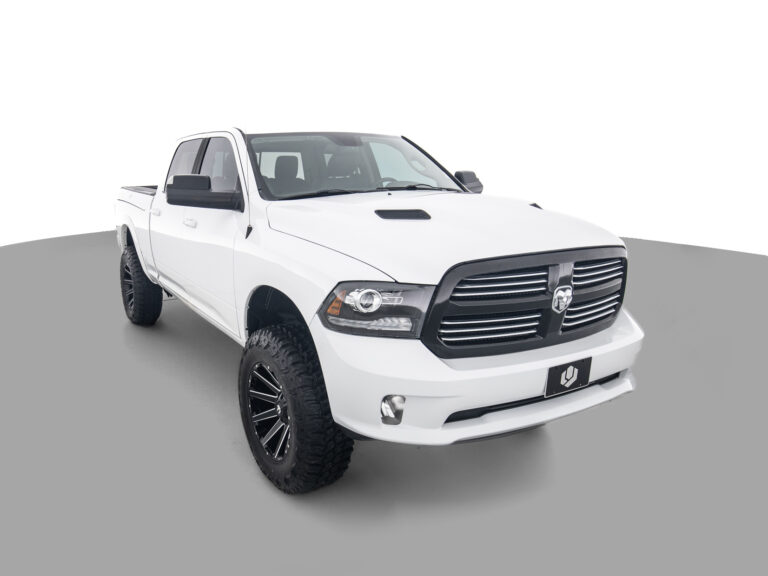
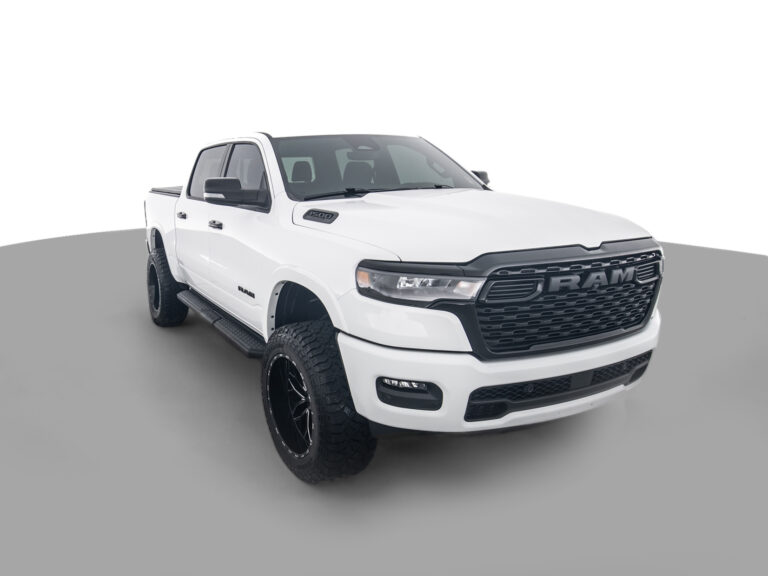
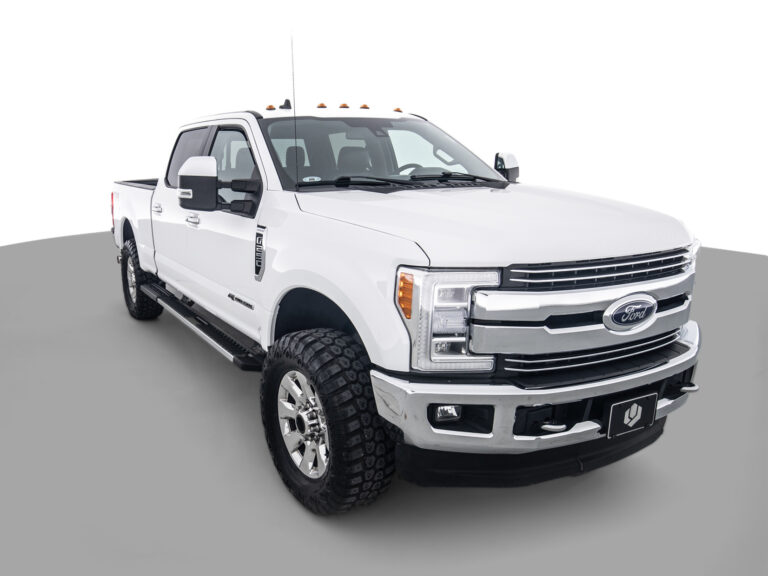
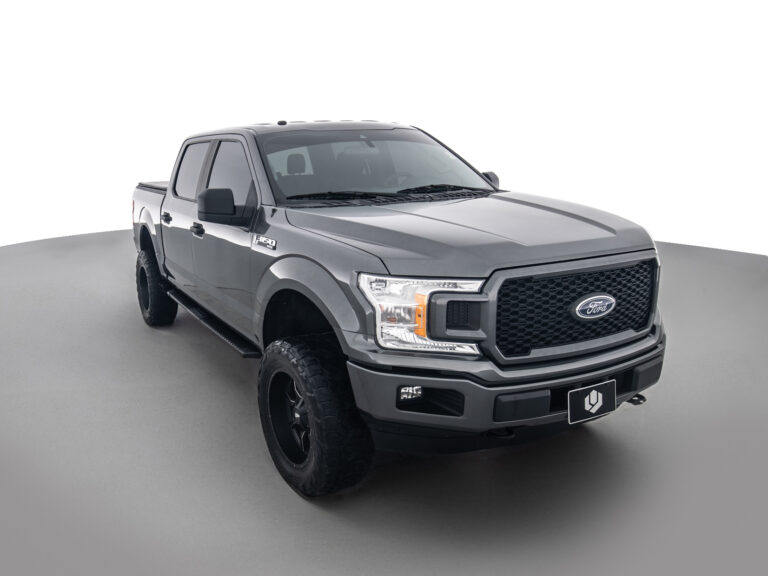

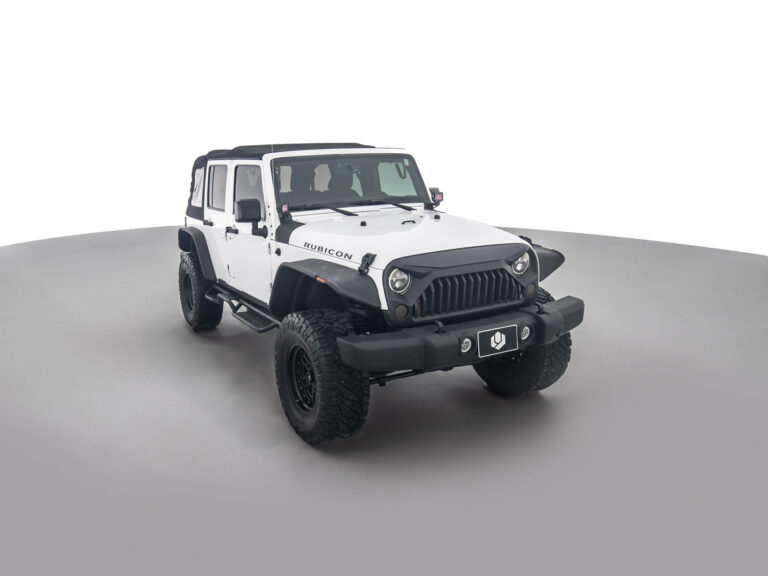
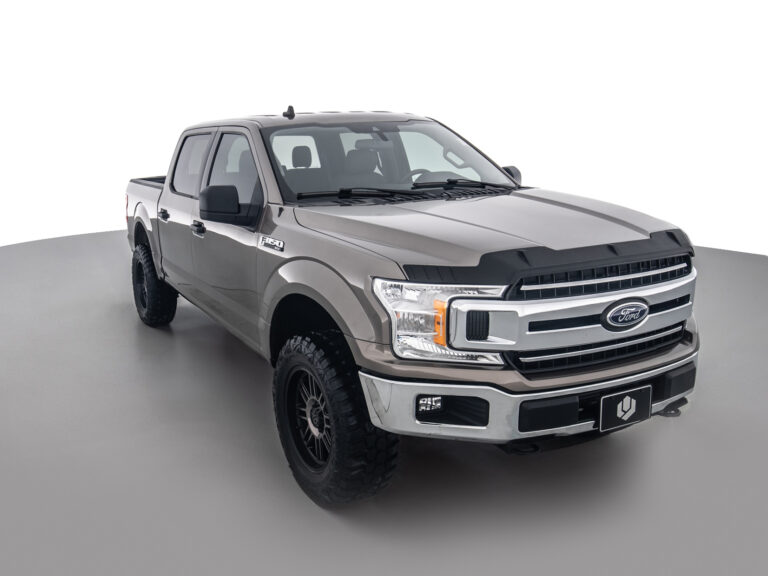

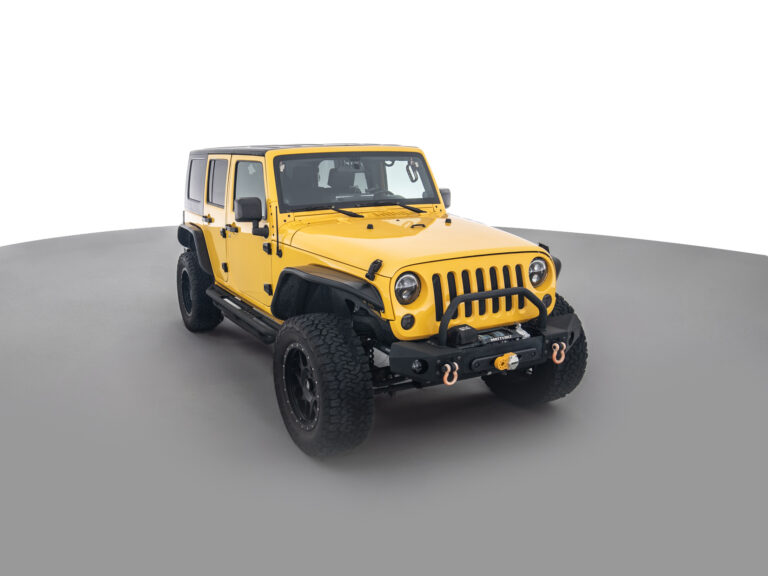
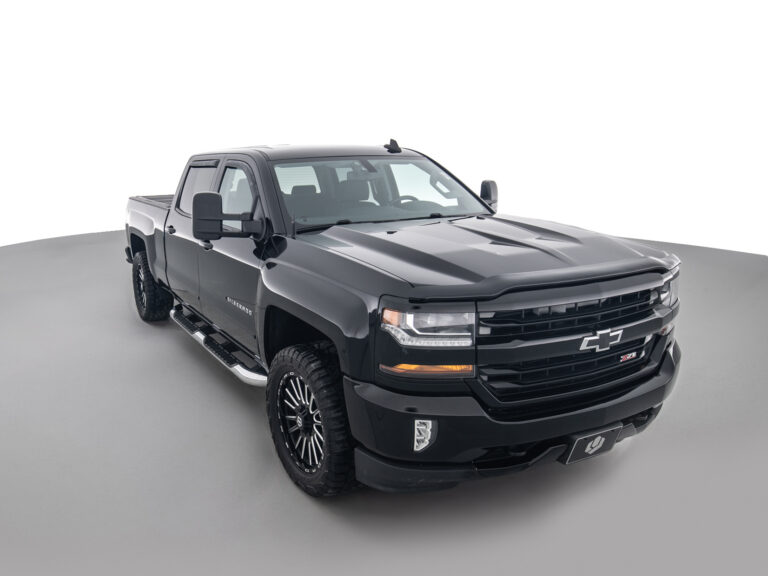
Buying a Lifted Truck in Massachusetts: What Local Buyers Should Know
Massachusetts is a tougher state for lifted truck buyers than many others because daily driving, inspections, winter conditions, and modification rules all matter. A truck that works well in a rural or low-regulation state may need closer review before it is registered and inspected in Massachusetts.
Local use also changes by region. Around Boston, Cambridge, Quincy, Lowell, Worcester, and the North Shore, buyers usually need something that can handle traffic, narrow streets, parking, and highway driving. In Western Massachusetts, Central Massachusetts, Cape Cod, the South Coast, and more rural parts of the state, a lifted truck may be used for snow, rough driveways, towing, work use, beach-area access, wooded properties, or weekend trips.
Lifted Trucks Built for Massachusetts Roads and Weather
A lifted truck in Massachusetts needs to be more than a good-looking build. Winter salt, potholes, older roads, tight parking, steep residential streets, and stop-and-go traffic can all make build quality more important. A truck with poor steering feel, tire rub, weak brakes, or an overly aggressive setup can become frustrating quickly.
If you are driving mostly around Greater Boston, the priority may be clean handling, visibility, inspection readiness, and a lift that does not make everyday driving harder. If you are farther west, near the Berkshires, or outside the bigger metro areas, you may care more about four-wheel drive, tire grip, snow performance, ground clearance, and stability on rural roads.
At Ultimate Rides, we can help Massachusetts buyers compare lifted trucks and SUVs with those local conditions in mind. Whether you are looking at a Silverado, Sierra, F-150, Ram, Tacoma, Tahoe, Yukon, Jeep, or another custom build, the right truck should fit both your style and the state’s stricter road requirements.
Vehicle Inspections in Massachusetts
Massachusetts requires registered vehicles to receive a safety inspection every year, and many vehicles also receive emissions testing as part of the same inspection process. Newly purchased vehicles must be inspected within 7 days of registration, and the state lists the standard inspection cost at $35 for most vehicles.
This is especially important for lifted truck buyers. Suspension components, steering, brakes, lighting, tires, emissions equipment, exhaust condition, mirrors, underbody condition, and overall road safety can all affect whether the truck is suitable for Massachusetts use.
Before buying, look closely at the truck’s lift, tire size, wheel offset, steering feel, brake performance, and whether the tires contact the body, chassis, or steering components during normal operation. Massachusetts inspection and modification rules are stricter than many states, so the build needs to be practical as well as visually appealing.
Lifted Truck Regulations in Massachusetts
Massachusetts has direct rules on altered vehicle height. Under Massachusetts General Laws Chapter 90, Section 7P, vehicles with an original manufacturer’s GVWR of 10,000 pounds or less may not be raised or lowered by more than 2 inches from the manufacturer’s specified height unless the alteration follows the Registrar’s rules.
The state’s alteration regulations also include a more specific formula for four-wheel-drive vehicles. The maximum mechanical lift is calculated by multiplying the wheelbase by the wheel track, then dividing by 2,200. The regulation also allows tire size increases only within the calculated limits, and the combined mechanical and tire lift cannot exceed the allowed total for that vehicle.
Massachusetts also prohibits modifications that cause the body or chassis to contact the roadway, expose the fuel tank to collision damage, cause the tires to contact the body, chassis, or steering components, or impair the safe operation of braking, steering, or suspension systems. Wheel track may be increased by tires and rims only up to a maximum total increase of 4 inches beyond the original manufacturer’s specification, and spacers are prohibited.
Overall vehicle height is also limited. Massachusetts law says no vehicle may exceed 13 feet 6 inches in height unless a special permit is issued, and vehicles over 10 feet tall must have their height marked in a conspicuous place.
Because Massachusetts rules are more restrictive than many states, buyers should be careful before adding more lift, larger tires, wheel spacers, or aftermarket suspension changes after purchase.
Registration and Taxes in Massachusetts
Massachusetts registration and title work is handled through the RMV. For a vehicle purchased from an individual or dealer, buyers are responsible for the registration fee, title fee, and 6.25% sales tax. Registration fees vary by plate type.
Massachusetts also charges motor vehicle sales or use tax at 6.25%. The Department of Revenue explains that the tax applies to motor vehicle and trailer sales, with use tax applying in relevant out-of-state or nondealer situations.
New residents transferring an out-of-state vehicle should also plan for local excise tax. The RMV generates the excise tax bill, but payment is due to the city or town where the vehicle is garaged within 30 days from the bill issue date.
Before your truck arrives, make sure you have the title paperwork, proof of Massachusetts insurance, purchase documents, tax payment details, and any RMV forms needed for your situation. After registration, remember that the vehicle still needs to pass inspection within the required window.
Delivery to Massachusetts
Massachusetts delivery takes planning because the state is compact, busy, and full of different road environments. A carrier heading to Worcester, Springfield, Lowell, New Bedford, Brockton, Framingham, Plymouth, or the Boston suburbs may be able to stay close to major routes. A delivery into Cape Cod, the Berkshires, dense Boston neighborhoods, older town centers, or coastal communities may require a more careful handoff plan.
A 2 to 3 day delivery window is often possible once transport is scheduled, but the final timing depends on carrier availability, weather, traffic, toll routes, and how easy the drop-off point is to access. Tight city streets, low tree cover, narrow residential roads, apartment buildings, steep driveways, and seasonal Cape traffic can all make a nearby meeting point easier than direct driveway delivery.
For many Massachusetts buyers, the best unloading spot is a wide commercial lot, shopping center, business parking area, service station, or other open location near a main road. The goal is to give the transport driver enough room to unload safely without blocking traffic or getting stuck on a narrow street.
Before the truck leaves, the team can confirm the expected timing, paperwork, and best delivery location for your part of Massachusetts.
Helpful Tools

We Ship Nationwide

Get to Know Us