Lifted Trucks in Nebraska

Best selling lifted trucks in Nebraska
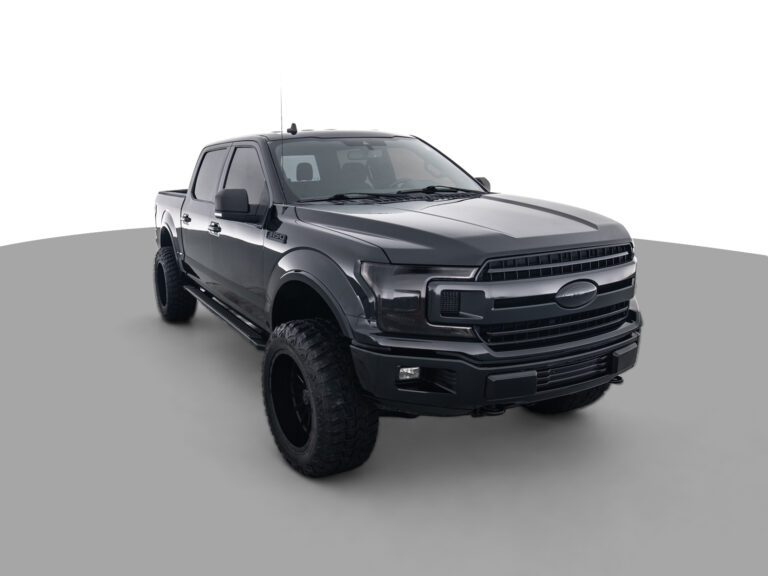
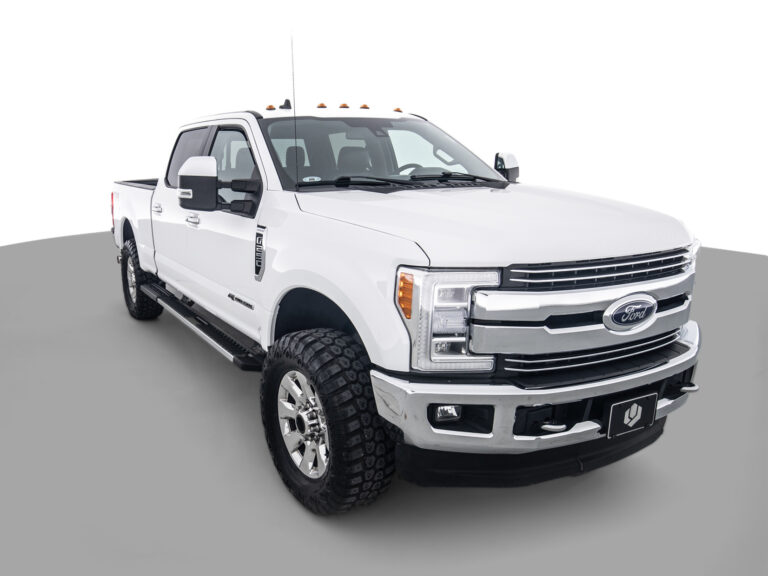
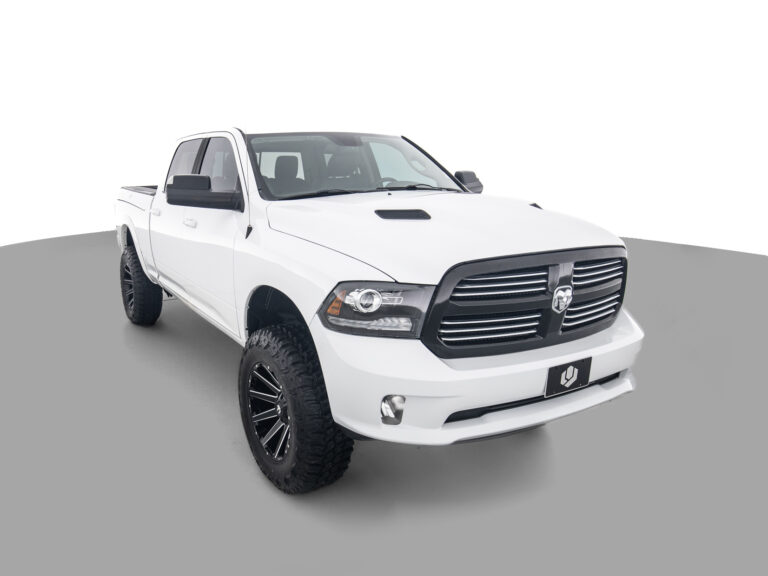
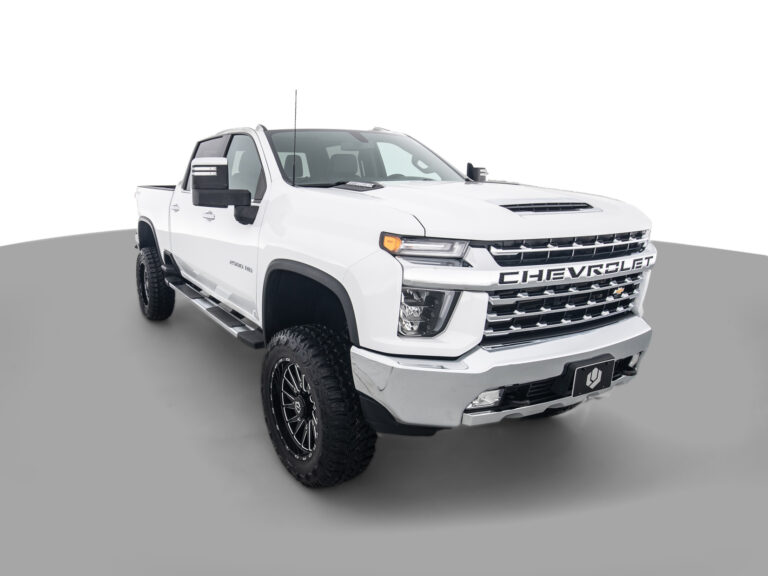
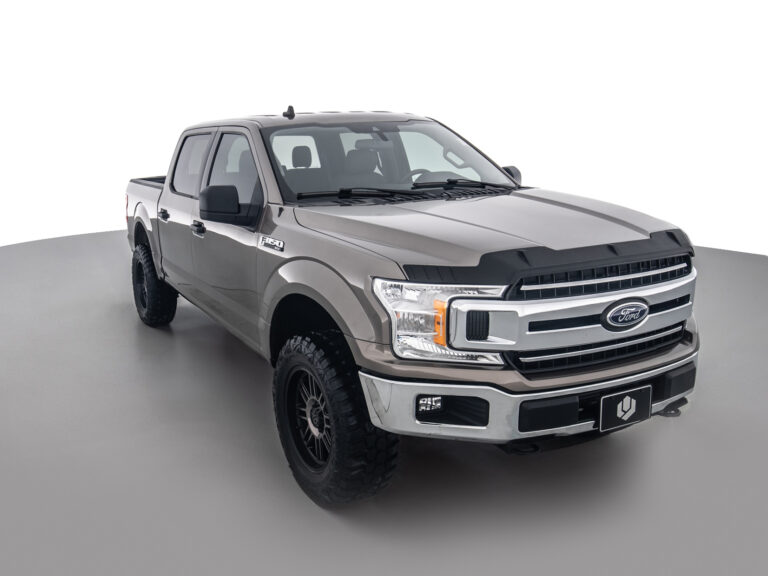
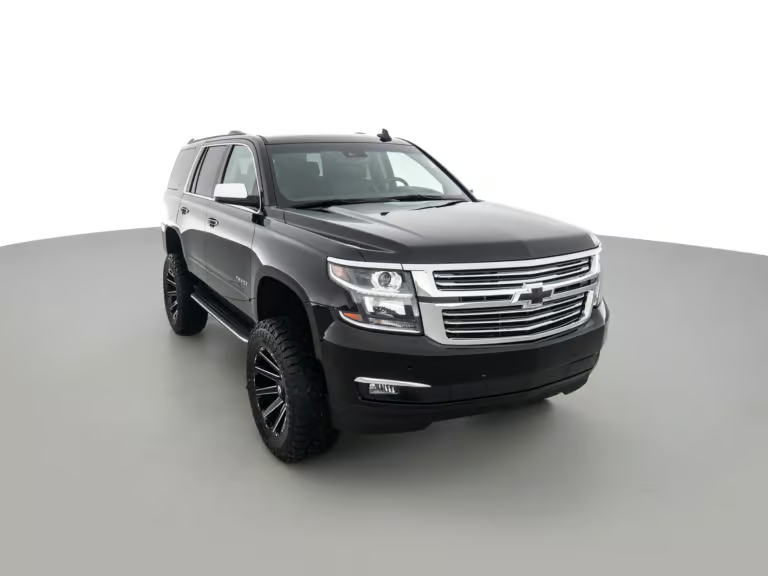
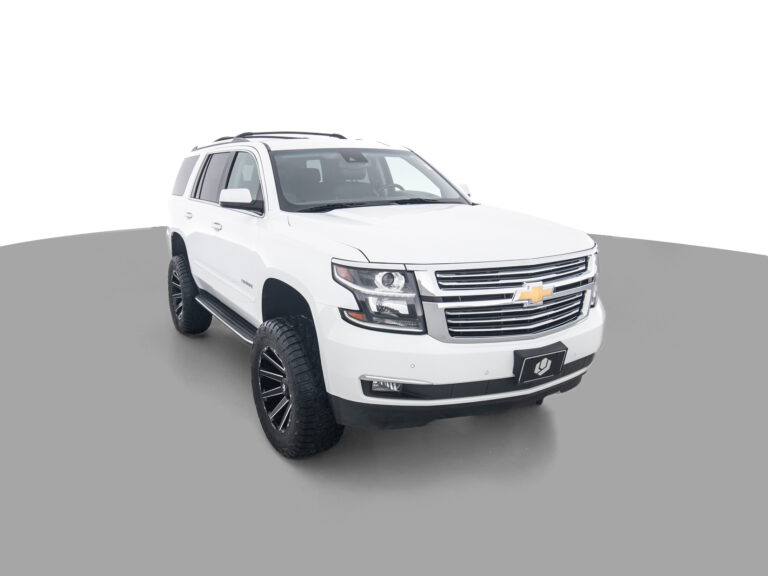
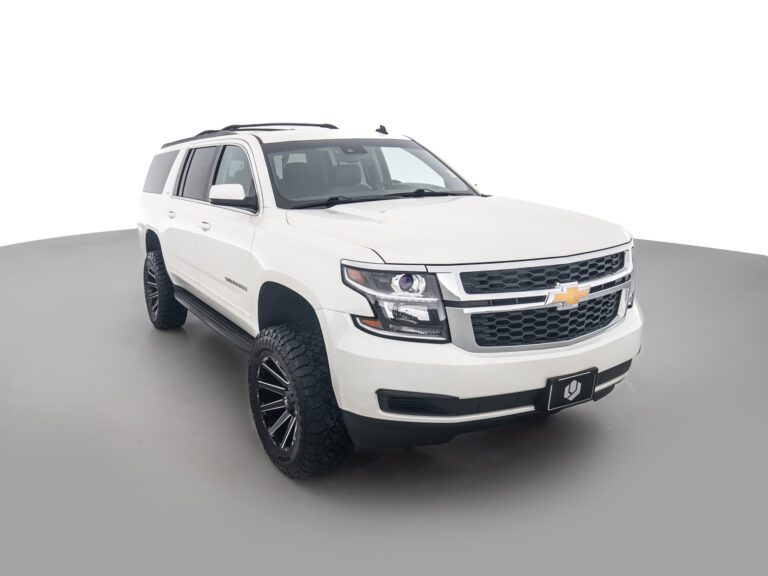
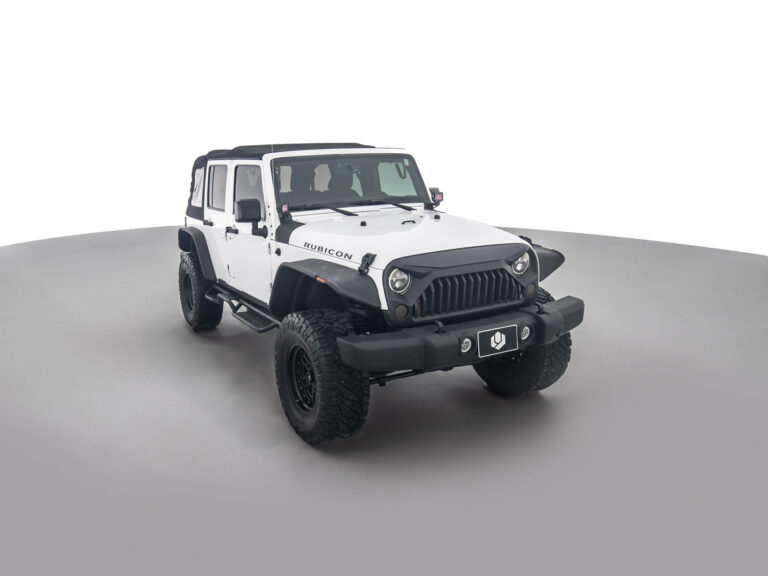
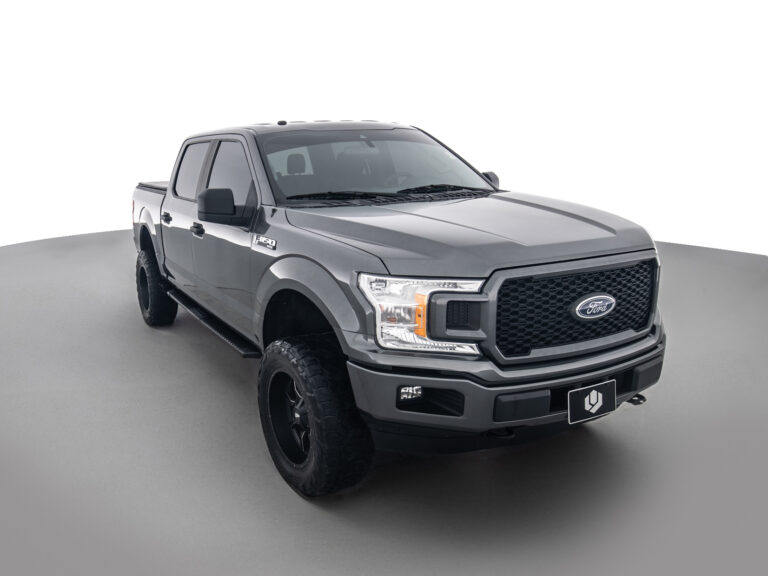

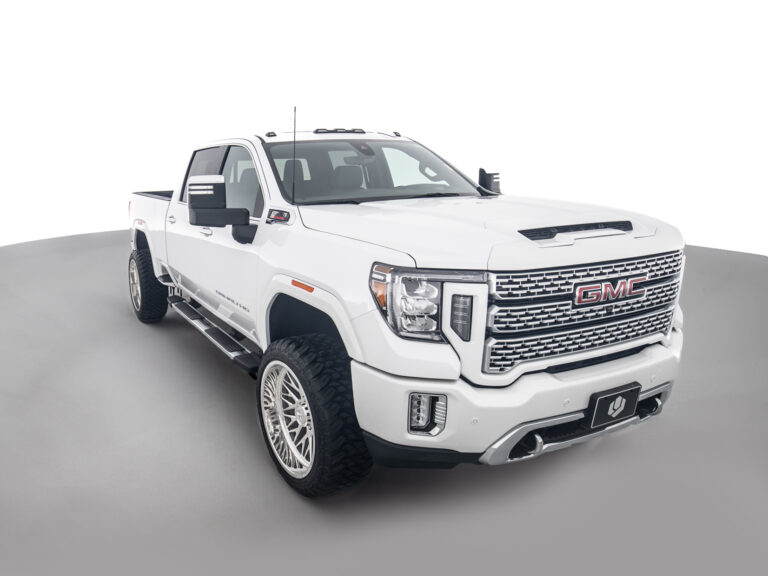
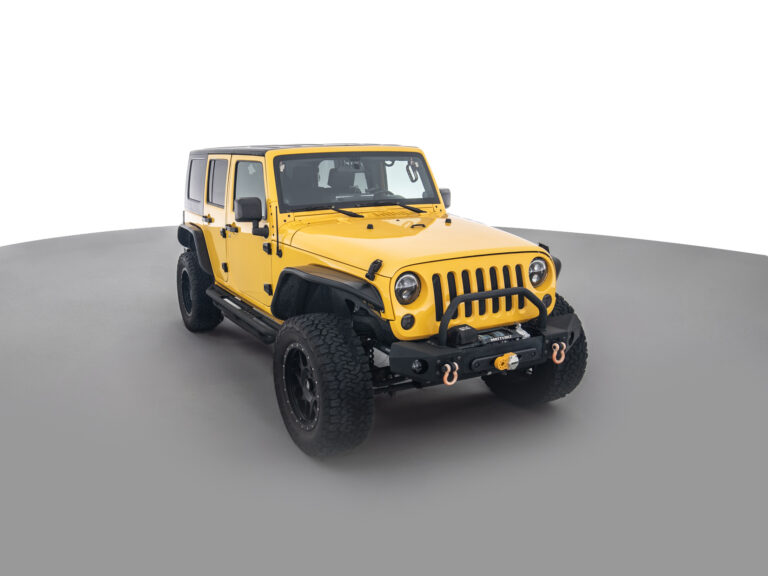
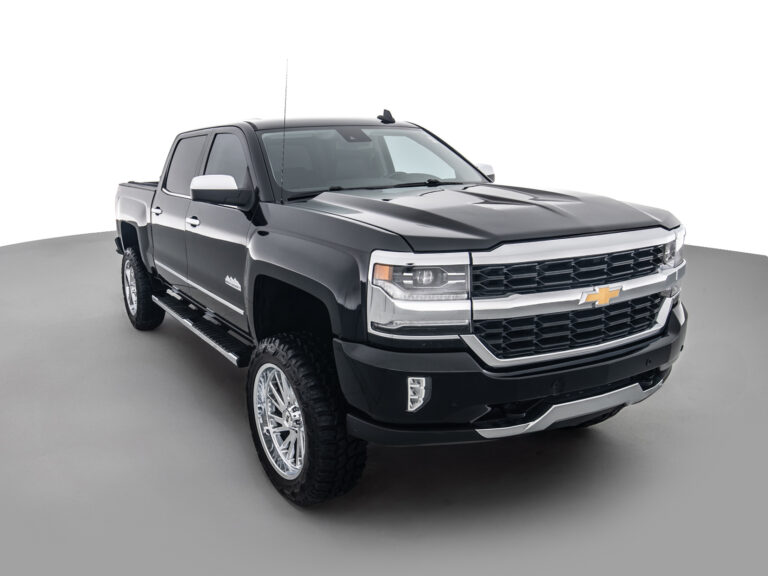
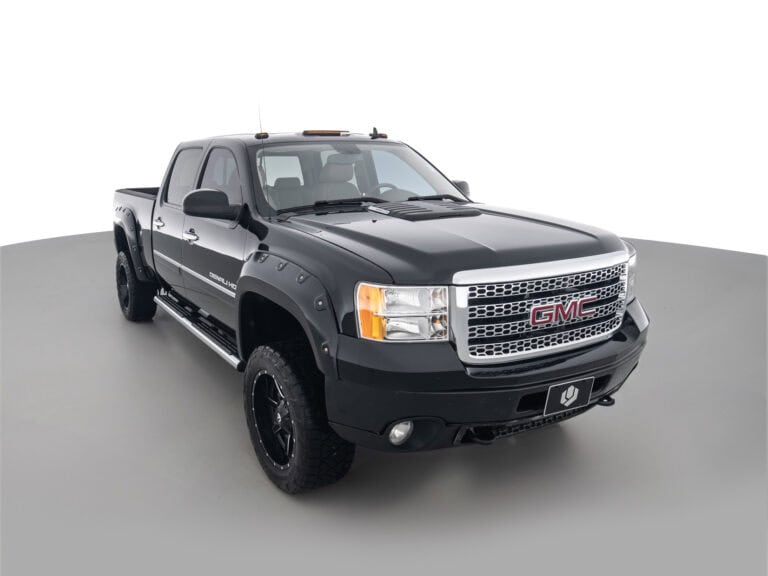
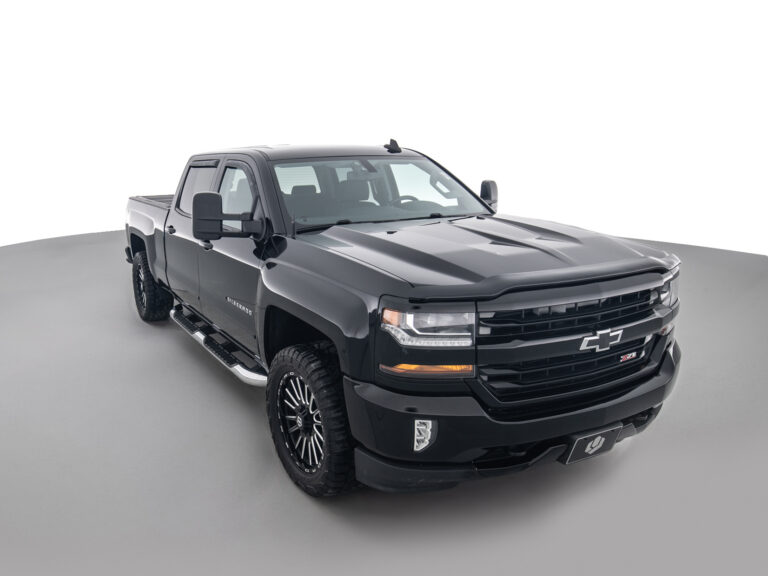


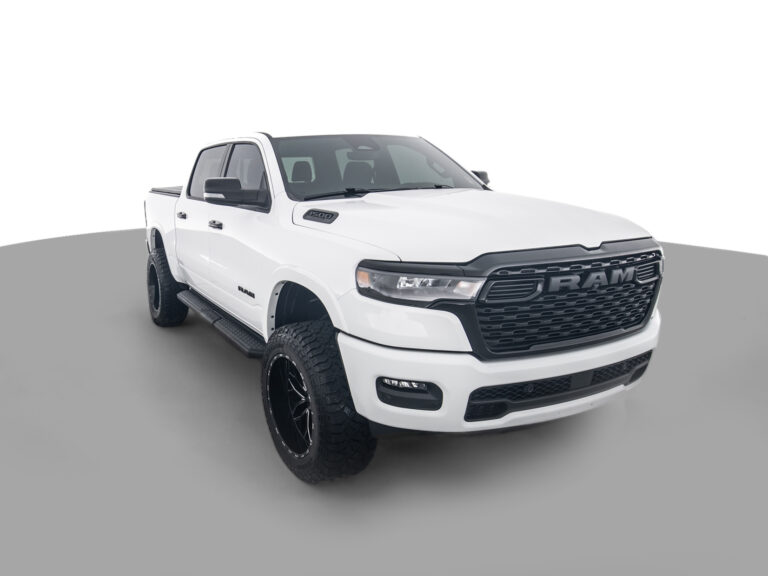
Buying a Lifted Truck in Nebraska: What Local Drivers Should Know
Nebraska is a practical truck state. A lifted truck here may be used for highway commuting in Omaha or Lincoln, work around farms and ranches, long drives across I-80, gravel roads, hunting land, lake trips, job sites, snow, mud, and open-country driving where wind and road surface matter.
That mix makes the setup important. The right lifted truck for Nebraska should not just have height and stance. It should feel settled at highway speed, track cleanly in crosswinds, handle gravel confidently, and still be comfortable enough for everyday driving around Omaha, Lincoln, Bellevue, Grand Island, Kearney, Fremont, Norfolk, Hastings, North Platte, Columbus, or Scottsbluff.
Lifted Trucks Built for Nebraska Highways, Gravel Roads, and Rural Use
Nebraska roads can be demanding in their own way. Long, straight highways can expose vibration, poor alignment, road noise, or weak steering. Rural roads can mean gravel, dust, loose shoulders, muddy field entrances, and uneven lanes. Winter can add snow, ice, and freeze-thaw damage, while open plains can make wind stability more noticeable in a taller truck.
If you drive mostly around Omaha, Lincoln, Bellevue, Papillion, or La Vista, you may care most about comfort, clean steering, braking, parking, and highway manners. If you are farther west or outside the metro areas, four-wheel drive, tire grip, towing ability, bed utility, underbody condition, and suspension strength may matter more.
At Ultimate Rides, we can help Nebraska buyers compare lifted trucks and SUVs based on real use. Whether you are looking at a Silverado, Sierra, F-150, Ram, Tacoma, Tahoe, Yukon, Jeep, or another custom build, the goal is to find a truck that looks the part without becoming difficult to live with on Nebraska roads.
Vehicle Inspections in Nebraska
Nebraska’s inspection process is mostly tied to title and identification rather than a yearly safety sticker system. The Nebraska DMV says vehicle inspections are required for vehicles brought into Nebraska from out of state, assembled vehicles, vehicles with salvage titles when applying for a regular certificate of title, assigned ID number applications, and other cases where the DMV or county treasurer requests an inspection. The County Sheriff conducts inspections, and the listed Sheriff’s Inspection fee is $10.
That matters if you are bringing a lifted truck into Nebraska from another state. Make sure the ownership documents, title, bill of sale when needed, and inspection timing are clear before trying to register the vehicle.
For the truck itself, do a practical inspection before buying. Look at the lift components, steering feel, brakes, shocks, tire clearance, wheel fitment, lighting, mirrors, frame condition, rust exposure, and whether the truck tracks straight at highway speed. Nebraska’s long roads and open conditions can make small suspension or alignment issues noticeable quickly.
Lifted Truck Regulations in Nebraska
Nebraska appears to be less prescriptive than some states when it comes to consumer pickup lift height. In the official sources reviewed, the clearest statewide size rules focus on total height, total width, and general vehicle dimensions rather than a specific passenger-truck bumper-height table.
Nebraska Revised Statute 60-6,289 says that no vehicle, whether unloaded or with its load, may exceed 14 feet 6 inches in height, with listed exceptions for certain agricultural, forage, specialized equipment, and permitted vehicles. The same statute says owners and operators of vehicles over 12 feet 6 inches assume the risk of damage to overhead obstructions.
Width also matters if the truck has very wide wheels, tires, or exterior accessories. Nebraska Revised Statute 60-6,288 generally limits vehicle width to 102 inches, including any load but excluding designated safety devices, with exceptions for certain farm, forage, specialized, and permitted movements.
For most lifted truck buyers, the practical checks are tire coverage, safe steering, braking, headlight aim, road visibility, license plate visibility, and whether the truck remains safe on public roads. Before adding more lift, wider tires, large spacers, or aftermarket bumpers, confirm the final setup is suitable for Nebraska highways and local law enforcement expectations.
Registration and Taxes in Nebraska
Nebraska vehicles are registered in the county where the vehicle has “situs,” meaning the county where it is housed most of the time. The Nebraska DMV says newly purchased vehicles must be registered, and sales tax paid, within 30 days of the purchase date. First-time registration requires proof of financial responsibility, proof that sales or excise tax has been paid, and a Nebraska title before registration unless an exception applies.
For vehicles coming from another state, Nebraska requires a Nebraska Certificate of Title unless the vehicle is exempt. The DMV lists proof of ownership, an application for certificate of title, a $10 title fee, Sheriff’s Inspection, and, when ownership is also transferring, a bill of sale or Nebraska Department of Revenue Form 6.
Registration costs are not just one simple flat amount. Nebraska DMV says the motor vehicle fee is based on the vehicle’s value, weight, and use, and changes as the vehicle ages. The listed registration fee for passenger and leased vehicles is $15, while commercial and farm-plated trucks are based on gross vehicle weight, with several additional fees also collected.
Nebraska’s state sales and use tax rate is 5.5%, and local sales tax may also apply depending on the location of the sale or delivery. The Department of Revenue says deliveries into Nebraska cities with local sales tax are taxed at the state rate plus the applicable local rate.
Delivery to Nebraska
Nebraska delivery is usually planned around distance, road access, and weather rather than dense city traffic. Omaha and Lincoln are generally straightforward because they sit near major routes. Grand Island, Kearney, North Platte, and Scottsbluff may require more route planning because the distances stretch out as you head west across the state.
Once transport is scheduled, many Nebraska deliveries can be completed in about 2 to 3 days, depending on driver availability, weather, and the exact route. High winds, winter storms, rural gravel roads, farm lanes, long driveways, and small-town access can affect where the carrier can safely unload.
For a metro delivery, a wide driveway, business lot, or open parking area may work well. For rural properties, it may be easier to meet near a main road, truck stop, farm supply store, county fairground lot, equipment dealer, or another open location with space for a carrier to pull in and unload safely.
Before the truck leaves, the team can confirm the route, arrival expectations, paperwork, and best unloading location for your part of Nebraska.
Helpful Tools

We Ship Nationwide

Get to Know Us