Lifted Trucks in Colorado

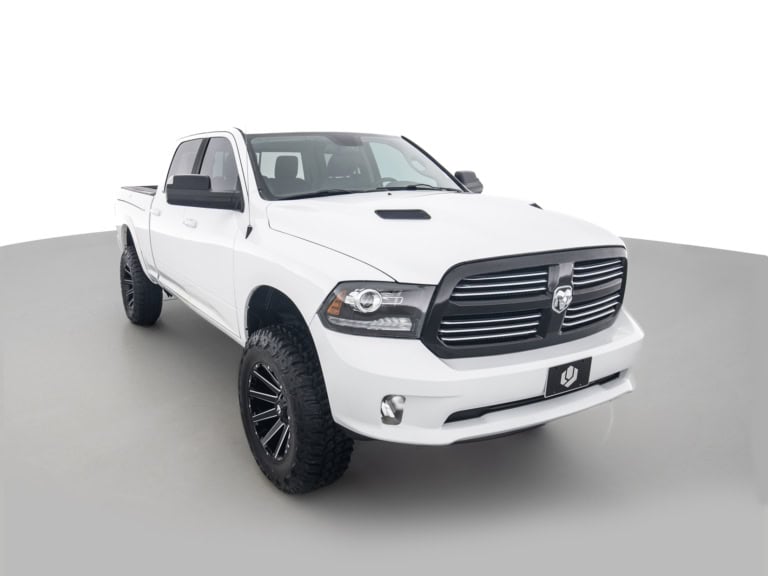
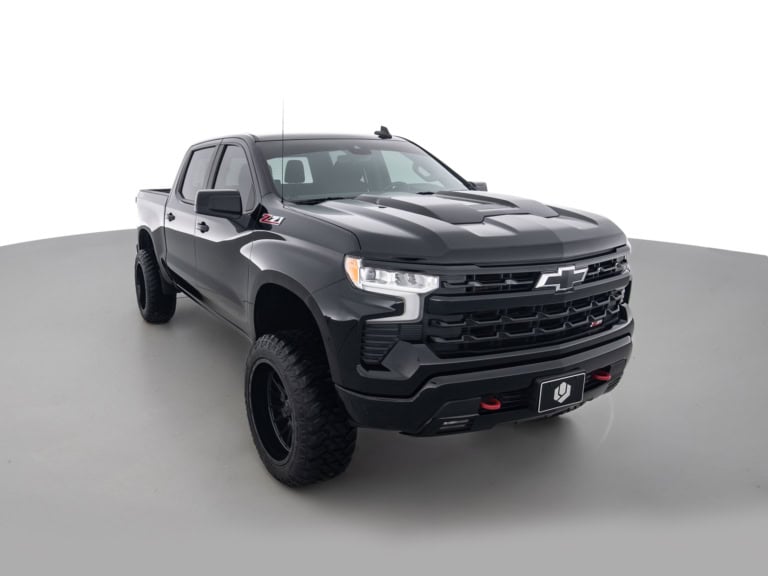
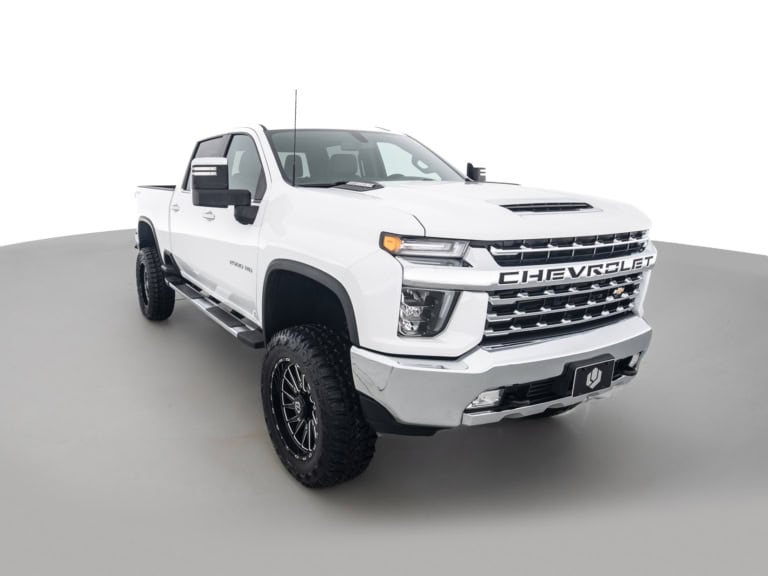
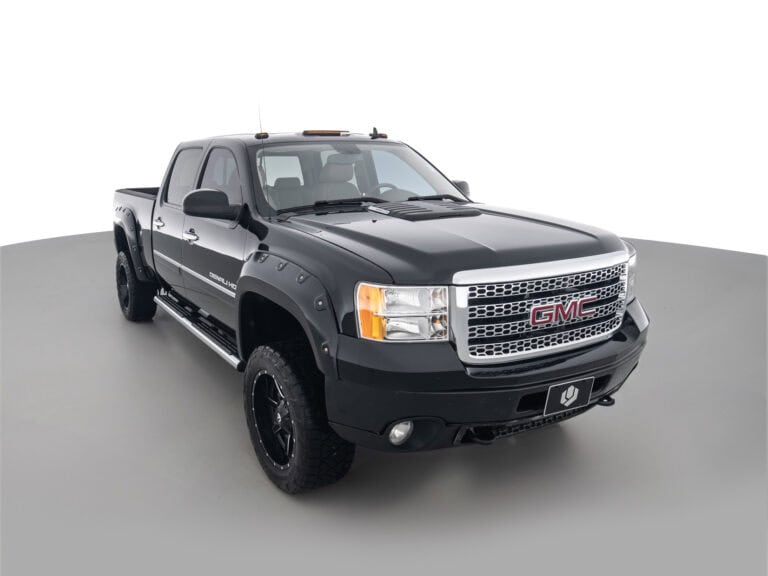
Best selling lifted trucks in Colorado








Buying a Lifted Truck in Colorado: What You Need to Know
Colorado is one of the most demanding — and most rewarding — states in the country for lifted truck ownership. The Rocky Mountains alone put more variety of terrain within a few hours’ drive than most states offer in total: high-alpine 4×4 passes like Black Bear and Engineer in the San Juans, the legendary Ouray-to-Silverton corridor along the Alpine Loop, the Rampart Range road system in Pike National Forest, Pikes Peak and the surrounding backcountry, and the western slope canyon systems near Grand Junction and Moab’s Utah border. Beyond trail use, Colorado’s winters and rural infrastructure make a capable lifted truck a practical year-round vehicle – whether you’re navigating a ranch property in the San Luis Valley, hauling snowmobiles into the mountains, or just keeping traction on a rural county road in February.
Colorado’s lift laws have a few unique nuances worth understanding before you buy. They’re manageable – but they’re different from most other states, and knowing them upfront saves headaches at registration. At Ultimate Rides, we build compliant trucks that are engineered to work within Colorado’s framework from the start.
Lifted Trucks Built for Colorado Roads and Terrain
Colorado demands more from a lifted truck than almost any other state. At altitude — and Colorado has plenty of it – suspension components work harder, heat cycles are more extreme, and the consequences of under-built hardware are more serious. Snow, ice, mud, loose rock, and exposed shelf roads are all part of the same driving year here.
The San Juan Mountains define the upper end of Colorado off-roading: narrow shelf trails above treeline, 12,000–13,000 ft passes with loose shale and tight switchbacks, and trails like Black Bear that are technically one-way because there’s simply no room to turn around. The Front Range – Rampart Range, Gold Camp Road, the foothills of Jefferson and Douglas counties – is more accessible but still demands real clearance and solid all-terrain capability. Eastern Colorado’s plains and rural dirt roads are a different kind of work: farm tracks, county roads that turn to grease in spring mud season, and long-distance hauls through agricultural country.
Vehicle Inspections in Colorado
Colorado’s inspection requirements are emissions-focused and apply primarily to the Denver metro area and North Front Range — not statewide. Whether your truck needs an emissions test depends almost entirely on the county where it’s registered.
Where Emissions Testing Is Required
The Colorado emissions inspection program (Automobile Inspection and Readjustment — AIR program) applies to vehicles registered in all or portions of the following Front Range counties: Adams, Arapahoe, Boulder, Broomfield, Denver, Douglas, Jefferson, Larimer, and Weld. If your truck is registered in any of these counties, periodic emissions testing is part of the registration process.
Key details for Front Range truck owners:
▪ Frequency: Vehicles from model year 1982 and newer are tested every two years (biennially). Model year 1981 and older vehicles require annual testing.
▪ New vehicle exemption: Vehicles within the first seven model years from the manufacturer are automatically exempt from emissions testing. A brand-new lifted truck from Ultimate Rides won’t need a test for several years after purchase.
▪ Your renewal notice tells you: If an emissions test is required for your registration renewal, it will be stated on your renewal card. You cannot renew without a passing certificate if one is required.
▪ Commuter rule: Even if your truck is registered outside the emissions area, if you regularly drive into a program county for work or school more than 90 days per year, an emissions test is still required.
▪ RapidScreen program: The Front Range area uses a drive-by roadside emissions monitoring system. If your truck passes a RapidScreen roadside test, you can skip a traditional station visit – you’ll receive a notification by mail. A $25 emissions fee still applies at registration.
2026 update: Colorado is rolling out 24/7 self-service OBD kiosks across the Front Range starting in 2026, making testing more convenient for truck owners across the region.
Outside the Front Range
If you’re registering in rural Colorado — the Western Slope, the San Juans, the San Luis Valley, the Eastern Plains, or mountain counties like Summit, Eagle, Pitkin, or La Plata – there is no emissions inspection requirement for personal vehicles. Registration is straightforward.
No general safety inspection is required anywhere in Colorado for passenger vehicles. The program is emissions-only.
Lifted Truck Regulations in Colorado
Colorado’s lift laws are workable, but they have a quirk that catches some buyers off guard — and it’s worth understanding clearly before you invest in a build.
The Suspension Design Rule (CRS §42-4-233)
Colorado law states that no person shall operate a motor vehicle on a public highway with the rear or front suspension system altered or changed from the manufacturer’s original design except in accordance with specifications permitting such alteration established by the department. In practice, this means suspension lift kits must be of the same design as the factory suspension system — coil-over for coil-over, leaf spring for leaf spring, etc. You cannot legally swap suspension designs (e.g., replacing a leaf spring rear with a coil system as part of a lift). The statute does permit installation of manufactured heavy-duty equipment, including performance shocks and overload springs.
What This Means Practically:
Most name-brand lift kits — BDS, Rough Country, Readylift, Rancho, Bilstein — are designed to work within the factory suspension geometry and are Colorado-compliant. They raise the vehicle using spacers, longer travel shocks, and upgraded components that mirror the OEM suspension design. These are what we install. What’s not compliant: radical suspension swaps that replace the OEM system type entirely.
Suspension Lift Cap: 4 Inches
Suspension lift kits are limited to 4 inches in Colorado. This is a meaningful constraint compared to permissive states like Alabama or Arkansas — but a 4″ lift on a full-size truck with a proper tire upgrade (typically 33–35″) delivers real capability for the vast majority of Colorado terrain, including the Front Range trail systems, Rampart Range, and most San Juan mountain roads. Trails like Black Bear Pass and Imogene Pass are run regularly by capable 4″ builds.
Body Lift Cap: 3 Inches
Body lifts are limited to 3 inches maximum. Combined with a 4″ suspension lift, a Colorado-legal build can achieve meaningful total height while staying within legal parameters.
Bumper Height: 30-Inch Maximum
Bumper height cannot exceed a total of 30 inches from the ground. All pickup trucks are also required to have rear bumpers.
Fenders Required for All Four Wheels
Fenders are mandatory for all four wheels on a lifted truck. This is strictly enforced and a condition of legal operation on Colorado public roads.
Braking Requirement
Brakes must be capable of stopping the vehicle within 30 feet when traveling at 20 mph. A second mechanical parking brake is also required. These are standard on all modern trucks and only become a concern on older or heavily modified builds.
Lighting Height
Headlights must not exceed 54 inches from the ground; tail lights cannot exceed 72 inches. Overall vehicle height cannot exceed 13 feet.
Bottom line: Build within the 4″ suspension limit, keep the body lift at or under 3″, stay at or below 30″ on the bumpers, cover all four tires, and you’re fully Colorado-legal with a capable, trail-ready truck.
Registration & Taxes in Colorado
Colorado uses a Specific Ownership Tax (SOT) in place of a traditional personal property tax on vehicles. It’s the most significant cost component of registration and is worth understanding before you buy.
Specific Ownership Tax (SOT)
The SOT is assessed annually and is based on your vehicle’s age and original value. For trucks (Class B vehicles), the taxable value is calculated at 75% of the actual purchase price, then a graduated rate is applied based on the vehicle’s age. Rates decrease as the vehicle ages – the SOT on a new $45,000 truck is meaningfully higher than on a five-year-old truck of the same original value. The SOT portion of your registration is deductible on your federal income tax return as a personal property tax (look for it on the back of your registration receipt).
Sales Tax
Colorado’s state sales tax on vehicle purchases is 2.9%. County and city taxes are added on top — in Denver, for example, the combined rate is 9.15%. The state average combined rate is approximately 6.3–6.8%. Importantly, trade-in value reduces your taxable amount in Colorado – if you trade in a $10,000 vehicle toward a $45,000 truck, you only pay sales tax on $35,000.
When purchasing from out of state (like from Ultimate Rides), you’ll pay Colorado use tax at the 2.9% state rate plus applicable local rates upon registration. Colorado credits any sales tax already paid in the state of purchase, so you won’t be taxed twice.
Other Registration Fees
▪ Title fee: $7.20
▪ Emissions program fee (where applicable): $25.00 added to registration
▪ Keep Colorado Wild Pass: $29.00 annually (opt-out available at registration — this funds Colorado Parks & Wildlife)
▪ Temporary registration placard: $0.48
▪ Validation sticker: $0.45
Late fees in Colorado are $25 per month, capped at $100 — so staying current on registration matters.
Registration is handled through your county clerk and recorder’s office. Colorado does not have a centralized DMV – each county manages motor vehicle registration independently. If you’re new to Colorado, you’ll need to register within 90 days of establishing residency.
Delivery Available Anywhere in Colorado
Ultimate Rides delivers lifted trucks across all of Colorado — from Denver and Colorado Springs to Fort Collins, Pueblo, Grand Junction, Durango, and every mountain town and rural county in between.
What to expect with Colorado delivery:
▪ Timeline: Most deliveries to Colorado arrive within 2–3 business days of purchase finalization. Front Range metro areas (Denver, Colorado Springs, Fort Collins, Boulder) typically arrive on the shorter end of that window. Mountain communities and rural western slope counties — Durango, Telluride, Steamboat Springs, Grand Junction — may be closer to 3 days depending on carrier routing and road conditions.
▪ Mountain road access: Colorado has more addresses accessible only via mountain roads, canyon routes, or high-elevation passes than almost any other state. If your property is in a mountain community, along a ranch road off a forest service route, or accessible via a seasonal road, let us know at purchase. We’ll coordinate with carriers experienced in Colorado’s varied road conditions.
▪ Winter delivery considerations: Colorado winters close or restrict access to some roads from late fall through spring — particularly at higher elevations. If your delivery falls during a winter storm period, we’ll communicate proactively and coordinate timing or an alternate drop point. We never push a delivery into unsafe road conditions.
▪ Emissions documentation: If your county requires an emissions test, your truck will need to pass before final registration. We ship with complete documentation — title, build specs, manufacturer info — to make that process as smooth as possible.
▪ No extra fees for distance: Whether you’re in Aurora or Alamosa, our delivery pricing is flat and quoted upfront with no surprises.
Helpful Tools

We Ship Nationwide

Get to Know Us