Lifted Trucks in Idaho

Best selling lifted trucks in Idaho


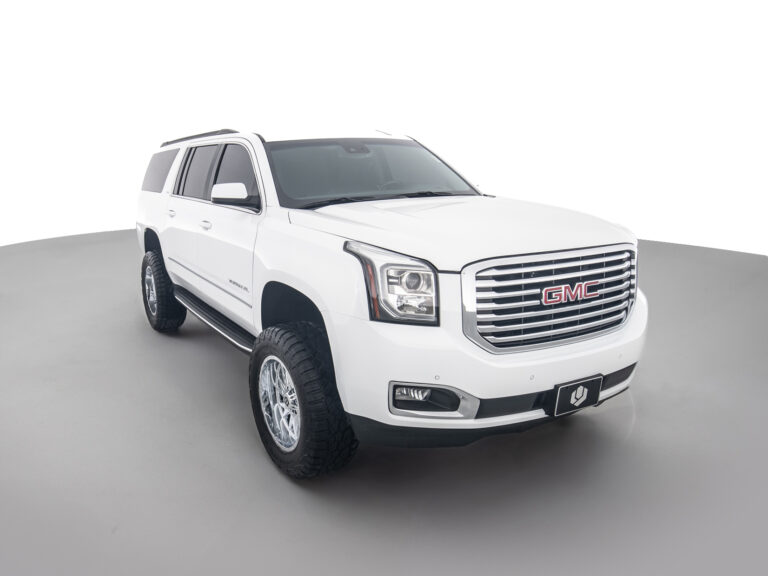


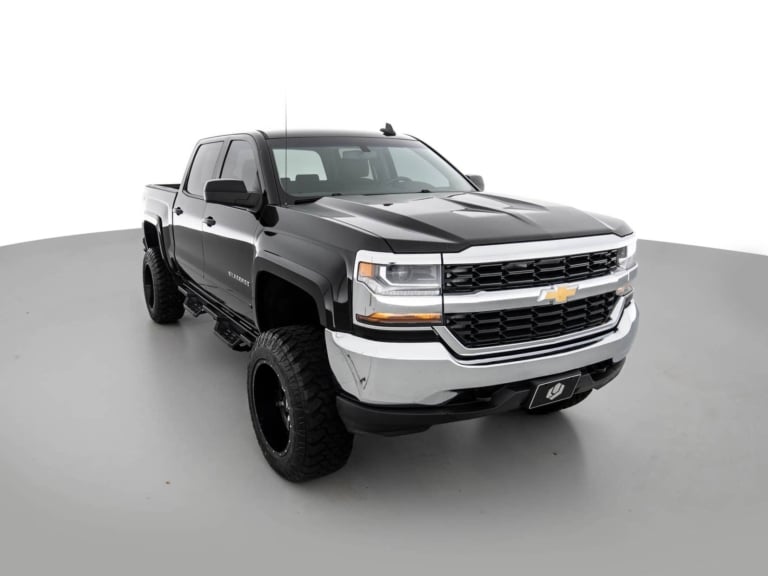

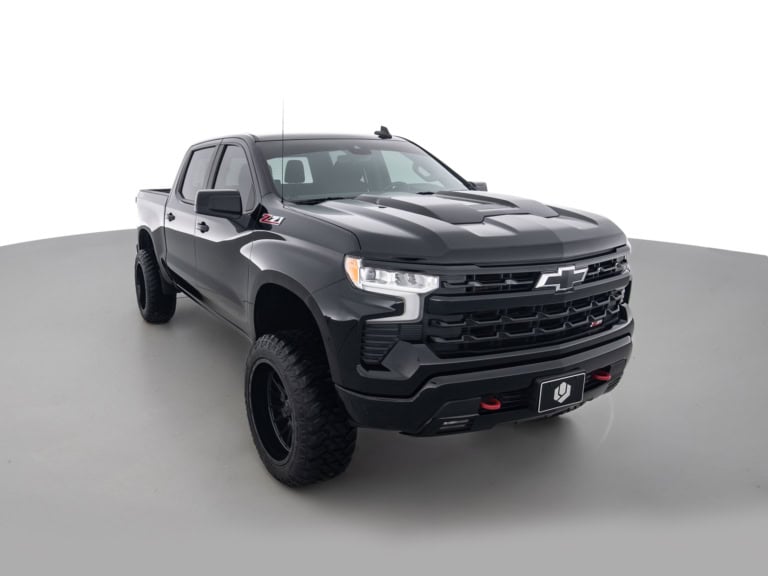


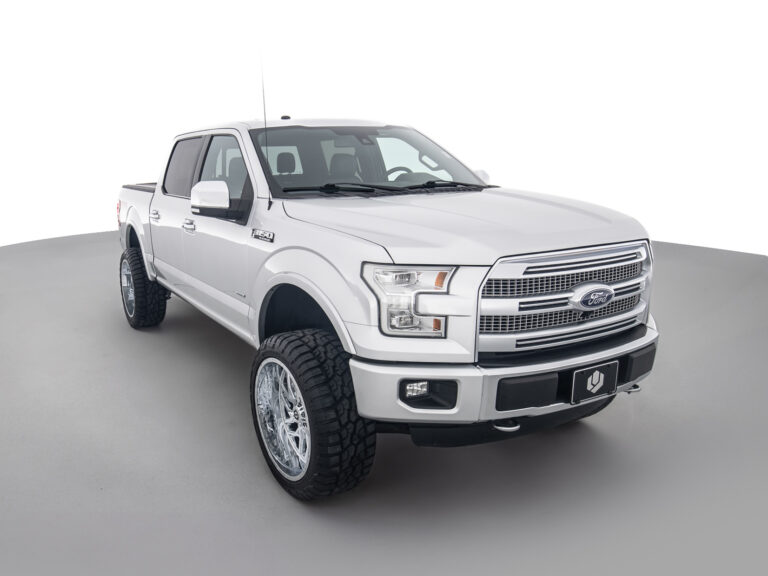
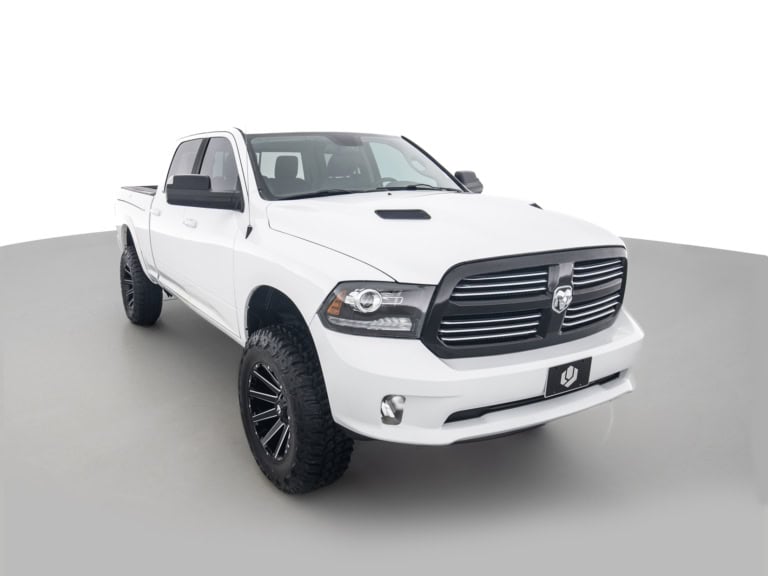
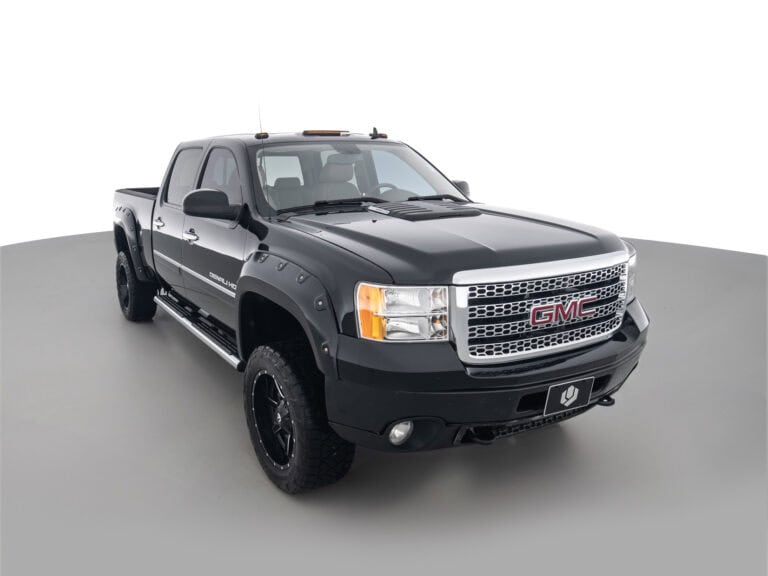


Buying a Lifted Truck in Idaho: What You Need to Know
Idaho is one of the better states for owning a lifted truck because the roads and driving conditions can change quickly. One day your truck might be handling Boise traffic or a long run on I-84. The next, it may be heading toward mountain roads, forest access routes, snow-covered driveways, farm properties, boat launches, or gravel roads outside town.
For Idaho drivers, a lifted truck is often more than a style choice. Ground clearance, tire quality, suspension strength, four-wheel-drive capability, and cold-weather confidence can all matter, especially if you spend time outside the main cities. A good build should feel stable on the highway, useful in snow and mud, and comfortable enough for regular driving around Boise, Nampa, Meridian, Idaho Falls, Twin Falls, Pocatello, Coeur d’Alene, Lewiston, or smaller communities across the state.
Lifted Trucks Built for Idaho Roads
Idaho has a mix of open highways, mountain passes, rural roads, steep driveways, forest routes, and winter conditions. That makes the setup of the truck especially important. A tall lift may look great, but the right truck should also have a sensible wheel and tire package, strong suspension components, predictable steering, and enough braking confidence for daily use.
If you live near Boise or the Treasure Valley, you may care most about daily comfort, road noise, parking, and visibility. If you are closer to North Idaho, Eastern Idaho, the Wood River Valley, or rural farming areas, you may be thinking more about snow, towing, uneven ground, hunting access, work use, or long-distance travel.
At Ultimate Rides, we can help you compare lifted trucks and SUVs based on how you plan to drive in Idaho. Whether you are looking at a Silverado, Sierra, F-150, Ram, Tacoma, Tahoe, Yukon, or another custom build, the goal is to find something that fits the state’s terrain without making everyday driving harder than it needs to be.
Vehicle Inspections in Idaho
Idaho does not currently have the same statewide annual vehicle safety inspection system used in some other states. The state also repealed its vehicle inspection and maintenance emissions testing requirement, effective July 1, 2023, after earlier Treasure Valley emissions programs were removed.
That said, Idaho buyers should still take inspection seriously when shopping for a lifted truck. Modified suspension, larger tires, aftermarket wheels, steering geometry, brakes, lighting, and tire clearance can all affect how the truck feels on the road. This is especially important if you plan to drive in snow, tow a trailer, use mountain roads, or travel long distances between towns.
Before buying, look for a truck that tracks straight, brakes confidently, turns without rubbing, has properly mounted components, and does not feel loose or unstable at highway speeds. A lifted truck should feel custom, not improvised.
Lifted Truck Regulations in Idaho
Idaho law sets bumper height requirements based on vehicle class and gross vehicle weight rating. For trucks and multipurpose vehicles, Idaho Code § 49-966 lists the following maximum bumper heights: 24 inches front and 26 inches rear for vehicles at 4,500 pounds GVWR or less; 27 inches front and 29 inches rear for 4,501 to 7,500 pounds GVWR; 28 inches front and 30 inches rear for 7,501 to 10,000 pounds GVWR; and 30 inches front and 31 inches rear for four-wheel-drive or dual-wheel vehicles at 10,000 pounds GVWR or less. The same section says bumpers generally must be at least 4.5 inches in vertical height.
Idaho also limits total vehicle height. Idaho Code § 49-1010 states that the height of a vehicle, including its load, must not exceed 14 feet.
For most lifted truck buyers, bumper height and safe equipment setup will be the main practical concerns. Before adding more lift, changing tires, or modifying bumpers, make sure the truck still fits Idaho’s requirements and remains safe for highway use.
Registration and Taxes in Idaho
To register a vehicle in Idaho, the Idaho Transportation Department says the vehicle must belong to an Idaho resident or business and must be titled in Idaho before it can be registered. In general, vehicles operated on public highways must be titled and registered.
Registration costs vary by vehicle age, type, weight, inspection requirements, and county of residence. Idaho DMV lists passenger vehicle registration fees of $69 for vehicles 1 or 2 years old, $57 for vehicles 3 to 6 years old, and $45 for vehicles 7 or more years old. Trucks in higher weight brackets have different fees, and county administration/title fees may also apply.
Idaho’s sales tax rate is 6%, and the use tax rate is also 6%. The Idaho State Tax Commission notes that, for private or nondealer motor vehicle sales, the county assessor or Idaho Transportation Department collects sales tax when you apply for an Idaho title.
Before your truck arrives, we can help you understand which purchase documents you will receive so you can prepare for your county motor vehicle office.
Delivery to Idaho
Idaho deliveries usually come down to route planning. Boise, Meridian, Nampa, Twin Falls, Pocatello, Idaho Falls, Lewiston, Moscow, Coeur d’Alene, and Post Falls are all reachable, but the best unloading point depends on road access around your address.
Once transport is scheduled, delivery can often be arranged in about 2 to 3 days, depending on carrier availability, weather, distance, and the final route. Winter storms, mountain passes, rural roads, long gravel driveways, private lanes, and resort-town access near places like McCall, Sun Valley, Sandpoint, or Driggs may require extra coordination.
For many Idaho buyers, the easiest option is not always the home driveway. A wide business lot, open parking area, local meeting point, or easier roadside location may make the handoff smoother, especially if a full-size transport carrier cannot safely turn around near the property.
Our team will confirm the delivery plan before the truck leaves, so you know where to meet the driver, what paperwork to expect, and how the final handoff should work.
Idaho Roads Demand Power, Clearance & Confidence – Let’s Talk
Helpful Tools

We Ship Nationwide

Get to Know Us