Lifted Trucks in Illinois
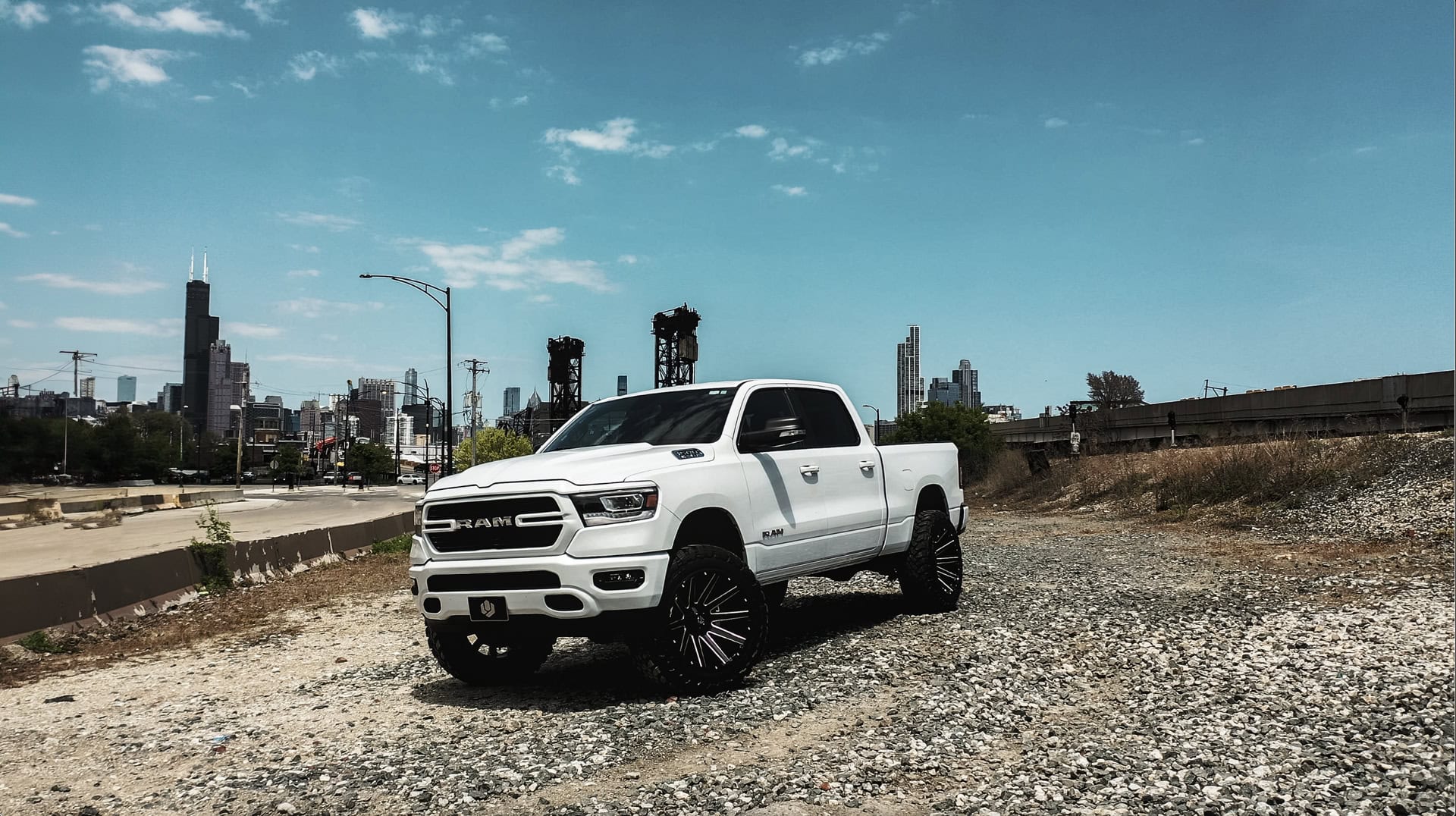
Best selling lifted trucks in Illinois
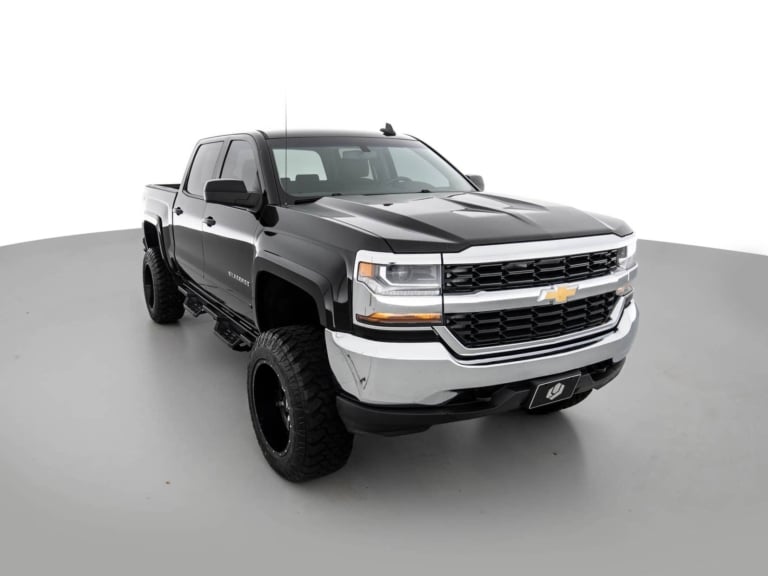


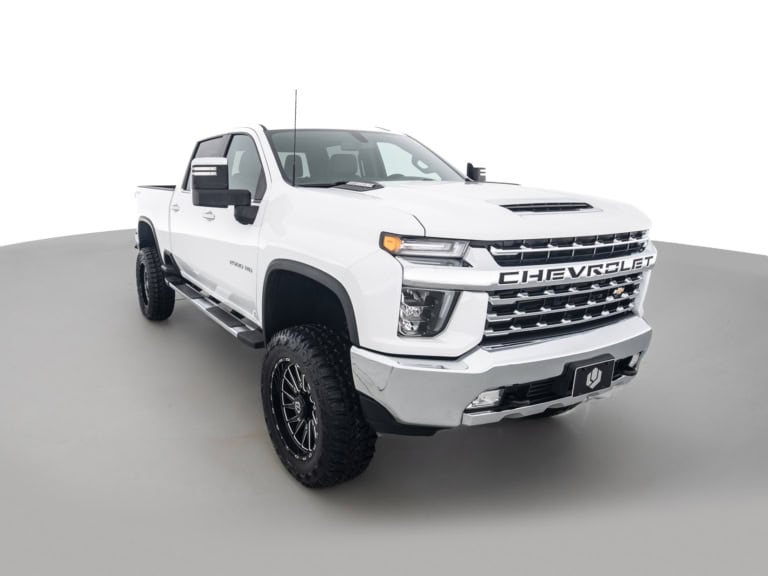


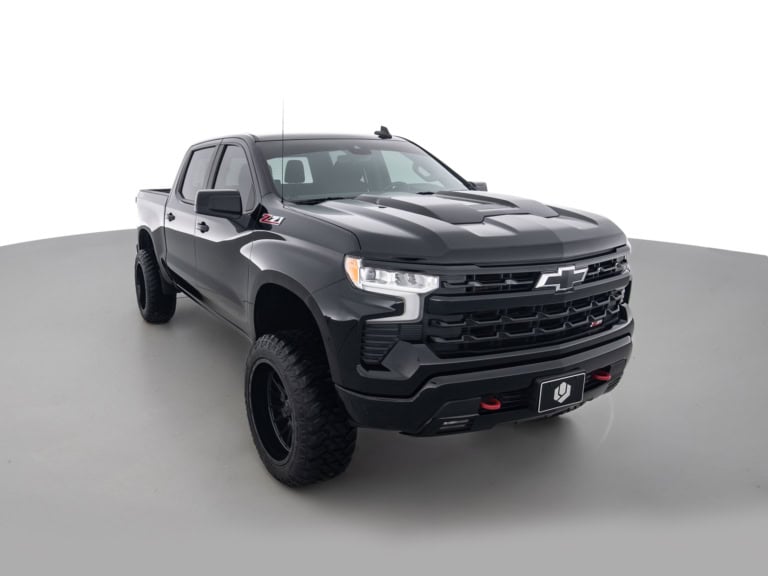


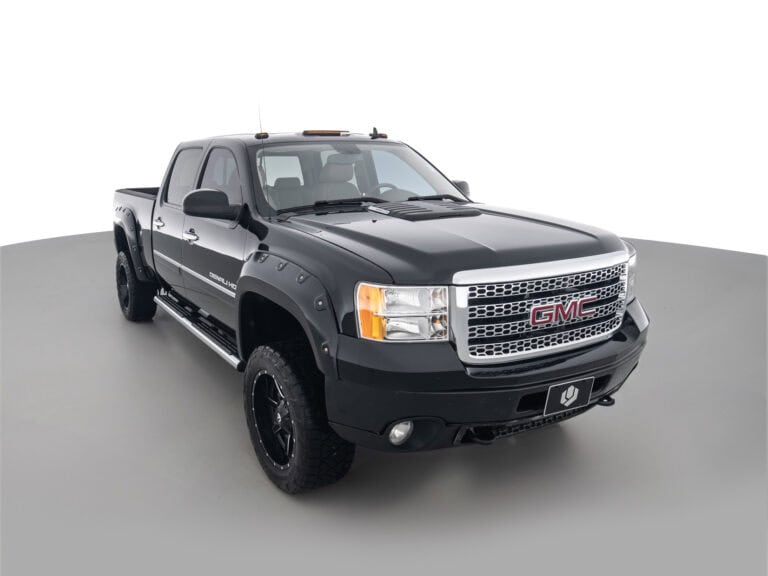


Buying a Lifted Truck in Illinois: What Local Buyers Should Check First
llinois is a practical truck state. Around Chicagoland, a lifted truck needs to handle traffic, tight parking lots, potholes, winter salt, expressway driving, and stop-and-go commuting. Outside the suburbs, buyers may care more about farm roads, hunting property, work sites, towing, gravel lanes, lake trips, and long drives across open rural highways.
That mix matters when you are choosing a lifted truck. The right setup for Naperville, Joliet, Rockford, Springfield, Peoria, Bloomington, Champaign, Quad Cities, or Southern Illinois may not be the tallest build on the lot. It may be the one with the right tire size, suspension quality, steering feel, braking confidence, and everyday road manners.
Lifted Trucks Built for Illinois Roads and Weather
Illinois roads can be tough on modified trucks. Winter salt can accelerate corrosion. Freeze-thaw cycles create rough pavement and potholes. Heavy rain can make rural driveways and job sites messy. In open areas, prairie winds can also make highway stability more noticeable, especially with larger tires and a higher stance.
For Illinois buyers, it is worth thinking about how the truck will actually be used. If you are mostly driving in the Chicago suburbs, comfort, visibility, parking clearance, and clean handling may matter more than extreme lift height. If you are in Central or Southern Illinois, you may put more value on towing, bed utility, four-wheel drive, tire grip, and clearance for uneven property access.
At Ultimate Rides, the goal is to help you find a lifted truck that looks aggressive without making daily driving harder. Whether you are looking for a lifted Silverado, Sierra, F-150, Ram, Tacoma, Tahoe, Yukon, or another custom build, our team can help you compare the setup before you buy.
Vehicle Inspections in Illinois
For many Illinois truck buyers, emissions testing is the main inspection-related issue to understand. Illinois EPA says its vehicle emissions inspection program applies in the Chicago and Metro-East St. Louis areas, and most 1996 and newer gasoline-powered passenger vehicles are subject to testing after they are four years old. The inspection month typically lines up with the vehicle’s license plate expiration, and the Secretary of State can deny plate renewal for vehicles that do not comply with required emissions testing.
This is especially important if you plan to register your truck in or near the Chicago area, the Metro-East area, or another emissions testing zone. Before buying, check whether the truck has a check-engine light, altered emissions equipment, exhaust modifications, or other issues that could make registration renewal more difficult.
Even when emissions testing is not the concern, a lifted truck should still be checked carefully. Look at the suspension components, steering geometry, tire clearance, wheel fitment, brake condition, lights, mirrors, rust exposure, and how the truck tracks at highway speed. Illinois roads are not forgiving on a poorly built lift.
Lifted Truck Regulations in Illinois
Illinois has several rules that matter for lifted trucks. Under Illinois law, a motor vehicle cannot be operated on a highway if the suspension has been modified by lifting the body from the chassis by more than 3 inches. The same section also limits how much the front-to-rear bumper line can vary, with a different rule for street rods and custom vehicles.
Illinois also sets frame-height limits. For second division vehicles, which include many trucks, the maximum frame height is 24 inches for vehicles under 4,500 pounds GVWR, 26 inches for vehicles over 4,500 pounds and under 7,500 pounds GVWR, and 28 inches for vehicles over 7,500 pounds and under 10,000 pounds GVWR. Measurements are made when the vehicle is unloaded, on a level surface, at the lowest point from the bottom of the original manufacturer’s longitudinal frame rail between the front axle and second axle.
Bumper height is also regulated. Illinois requires vehicles with a GVWR of 9,000 pounds or less, along with recreational vehicles, to have both a front and rear bumper. For multipurpose passenger vehicles and other motor vehicles, maximum bumper height depends on GVWR, with a front bumper maximum of 24, 27, or 28 inches and a rear bumper maximum of 26, 29, or 30 inches depending on weight category. Illinois also states that front bumper height cannot exceed 28 inches and rear bumper height cannot exceed 30 inches, regardless of GVWR, except for certain covered vehicles.
Illinois also limits total vehicle height to 13 feet 6 inches on highways in the state. Before adding more lift, larger tires, or aftermarket bumpers, make sure the final setup still fits Illinois requirements and remains safe for normal road use.
Registration, Title, and Taxes in Illinois
Illinois title and registration are handled through the Secretary of State. The state uses the Application for Vehicle Transaction(s), VSD 190, for title and plate-related transactions. If a vehicle was recently purchased and has not yet been titled or registered in Illinois, the Secretary of State says buyers must complete the appropriate tax form, RUT-25 for dealer purchases or RUT-50 for individual purchases.
The Illinois Secretary of State lists the original vehicle title fee at $165, with registration fees charged separately. The basic fee schedule lists passenger plates and B-Truck plates at $151, while C-Truck plates are listed at $218.
For private-party purchases, the Illinois Department of Revenue says Form RUT-50 is due within 30 days of purchase, gift, or transfer, and any tax due is submitted to the Secretary of State when the buyer applies for the vehicle title. Some municipal or county private-party vehicle use taxes may also apply.
Before finalizing your purchase, make sure you understand which documents you will receive, how the truck will be titled, and whether emissions testing applies where you live.
Pickup and Delivery Across Illinois
Illinois buyers may have more flexibility than out-of-state shoppers because pickup and delivery can often be planned around shorter in-state routes. If you are close enough to visit in person, pickup may be the easiest option. If you are farther away, delivery can usually be coordinated to Chicago suburbs, Rockford, Peoria, Springfield, Bloomington-Normal, Champaign-Urbana, Decatur, Quad Cities, Metro-East communities, and smaller towns throughout the state.
Helpful Tools

We Ship Nationwide

Get to Know Us