Lifted Trucks in Indiana

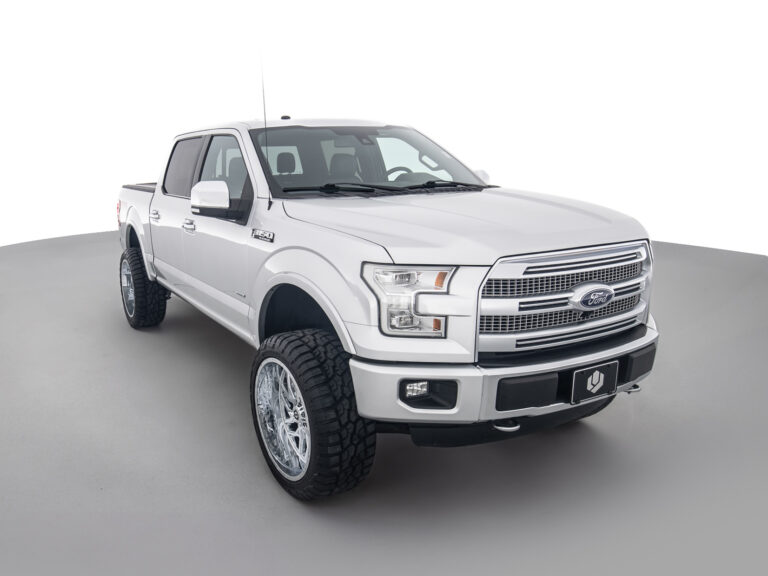
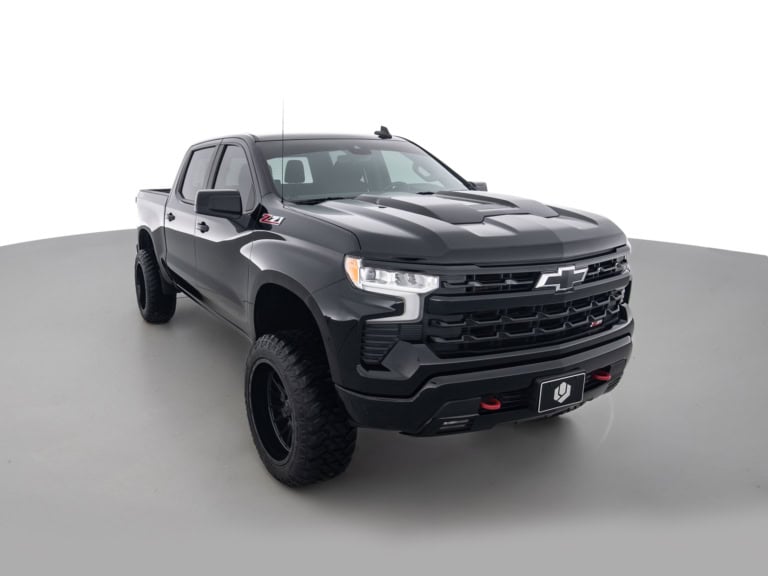
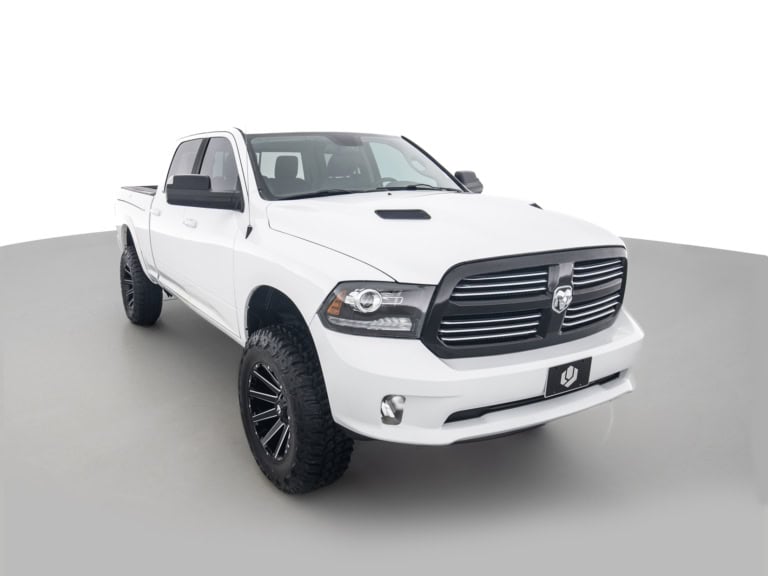
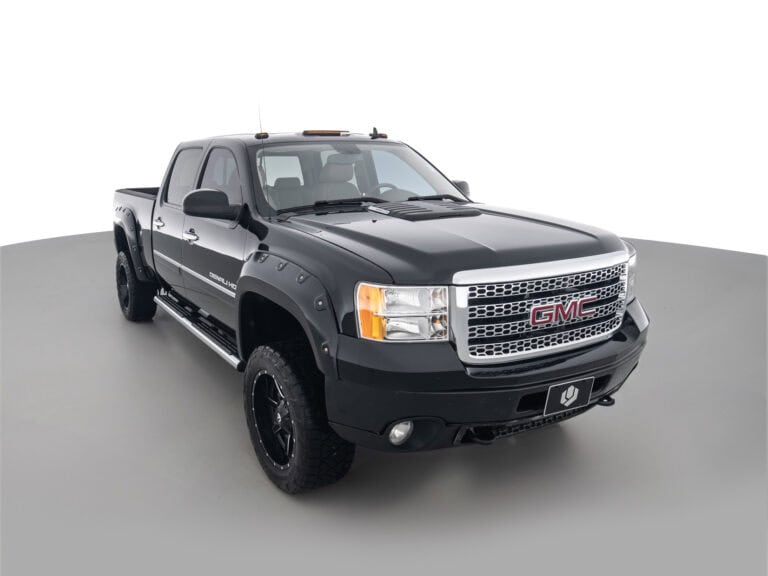
Best selling lifted trucks in Indiana








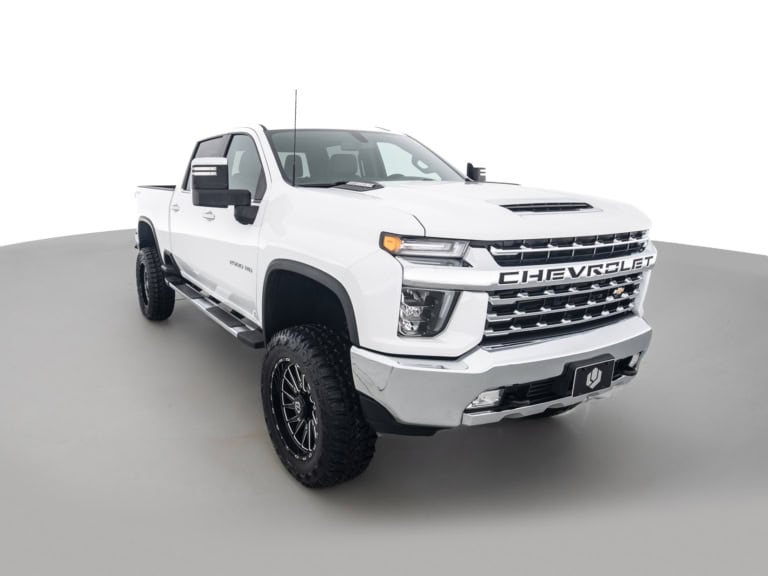


Buying a Lifted Truck in Indiana: What Hoosier Drivers Should Know
Indiana is a practical place to own a lifted truck. Around Indianapolis, Fort Wayne, South Bend, Carmel, Fishers, Lafayette, Bloomington, Evansville, and Gary, many buyers want a truck that looks sharp but still feels manageable in traffic, on interstates, and through everyday errands. Outside the bigger cities, the priorities often shift toward farm lanes, gravel roads, job sites, towing, lake weekends, hunting property, and winter driving.
That means the best lifted truck for Indiana is not always the tallest or most aggressive build. It is the one that gives you the right mix of stance, suspension quality, tire size, road comfort, braking confidence, and year-round usability.
Lifted Trucks Built for Indiana Roads
Indiana roads can be harder on a truck than they look on paper. Freeze-thaw cycles can create broken pavement and potholes. Rural routes can mean loose gravel, muddy shoulders, and long driveways. Northern Indiana drivers may also deal with heavier winter weather and lake-effect snow, while Southern Indiana adds hills, wooded property access, and Ohio River-area backroads.
If you mainly drive in Central Indiana, daily comfort, highway stability, visibility, and parking clearance may matter most. If your truck will spend more time around farms, construction sites, hunting land, or lake roads, you may care more about four-wheel drive, tire grip, towing strength, ground clearance, and a suspension setup that feels solid off smooth pavement.
At Ultimate Rides, our goal is to help Indiana buyers find lifted trucks and SUVs that match real driving conditions. Whether you are comparing a Silverado, Sierra, F-150, Ram, Tacoma, Tahoe, Yukon, Jeep, or another custom build, we can help you understand the lift, wheels, tires, and overall setup before you buy.
Vehicle Inspections in Indiana
Indiana does not have a statewide annual safety inspection for passenger vehicles, but there are two important inspection-related points for lifted truck buyers.
First, vehicles registered in Lake and Porter counties must pass emissions tests and tampering inspections every two years if they were manufactured after 1975 and have a gross vehicle weight rating of 9,000 pounds or less. The Indiana BMV says vehicles from the four latest model years and antique vehicles are among the listed exemptions.
Second, if a vehicle from another state is being titled in Indiana, the BMV requires a vehicle inspection to confirm the VIN. This can be completed at an Indiana BMV branch or certified provider at no charge, or by a law enforcement officer who may charge up to $5.
For a lifted truck, it is still smart to look beyond the paperwork. Check the suspension, steering, brakes, tire clearance, wheel fitment, lighting, mirrors, underbody condition, and how the truck feels at highway speed. A clean-looking lift should also feel controlled, stable, and properly installed.
Lifted Truck Regulations in Indiana
Indiana’s lifted truck rules are relatively straightforward compared with some states, but bumper height is the key item to understand. For trucks with a declared gross weight of not more than 11,000 pounds, Indiana law requires substantial front and rear bumpers, and the front and rear bumper height may not exceed 30 inches when measured from level pavement to the bottom of the bumper.
Indiana also sets a maximum total vehicle height of 13 feet 6 inches. That limit applies to the overall vehicle height, although most consumer lifted trucks will run into bumper height, safe fitment, and drivability concerns long before overall height becomes the issue.
If you plan to add more lift, larger tires, aftermarket bumpers, or other exterior changes after purchase, check the final measurements before driving the truck on Indiana roads. The build should look the way you want, but it should also stay practical, legal, and safe for regular use.
Registration and Taxes in Indiana
Indiana buyers need to pay close attention to title timing. The Indiana BMV says the certificate of title must be applied for within 45 days after the vehicle is purchased or otherwise acquired. If the title application is submitted after that 45-day window, an administrative penalty is charged.
Registration timing is similar. Indiana residents must register newly acquired, unregistered vehicles within 45 days after purchase or acquisition. New residents must register vehicles they own within 60 days after becoming Indiana residents. The BMV also notes that residents of Lake and Porter counties need to pass emissions testing as part of the registration process.
Indiana registration costs are not just one flat fee. The BMV explains that customers pay an annual excise tax and a registration fee, while certain counties and municipalities may also charge county vehicle excise tax, municipal vehicle excise tax, or wheel tax.
Sales tax should also be planned for. Indiana BMV guidance says vehicles purchased in Indiana are subject to sales tax on the purchase price; dealers collect it for dealership purchases, while private-sale buyers pay sales tax at a branch when applying for the Indiana certificate of title. Indiana residents who buy a vehicle outside Indiana receive credit for sales tax paid to another state, but may owe the difference if they paid less than Indiana would have assessed.
Delivery to Indiana
Indiana is a good state for straightforward transport planning because many major cities sit close to interstate corridors. Indianapolis connects several routes, Northwest Indiana is tied into the Chicago metro area, and cities like Fort Wayne, Lafayette, South Bend, Bloomington, Evansville, Terre Haute, Muncie, and Columbus are all reachable with proper scheduling.
A typical Indiana delivery can often be planned within about 2 to 3 days after transport is confirmed, but the exact timing depends on the carrier, route, weather, and drop-off access. Dense neighborhoods around Indianapolis or Northwest Indiana may call for a nearby open lot instead of a residential street. Rural properties, farms, lake homes, and long gravel drives may also require a meeting point where a transport truck can unload safely.
Before your truck heads out, the delivery details should be clear: where the carrier can stop, who will be present, what paperwork will come with the vehicle, and whether your local registration process requires a VIN inspection or emissions step. That makes the handoff smoother and helps avoid last-minute issues when your lifted truck reaches Indiana.
Helpful Tools

We Ship Nationwide

Get to Know Us