Lifted Trucks in Kentucky

Best selling lifted trucks in Kentucky


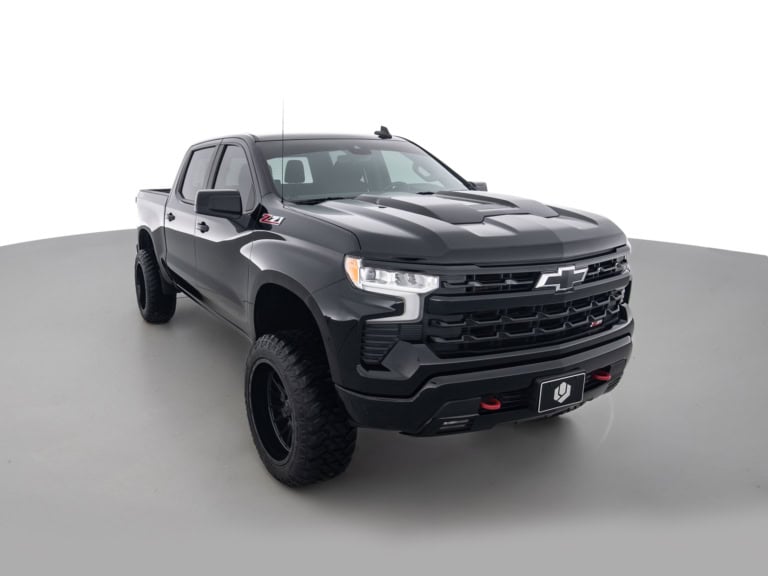


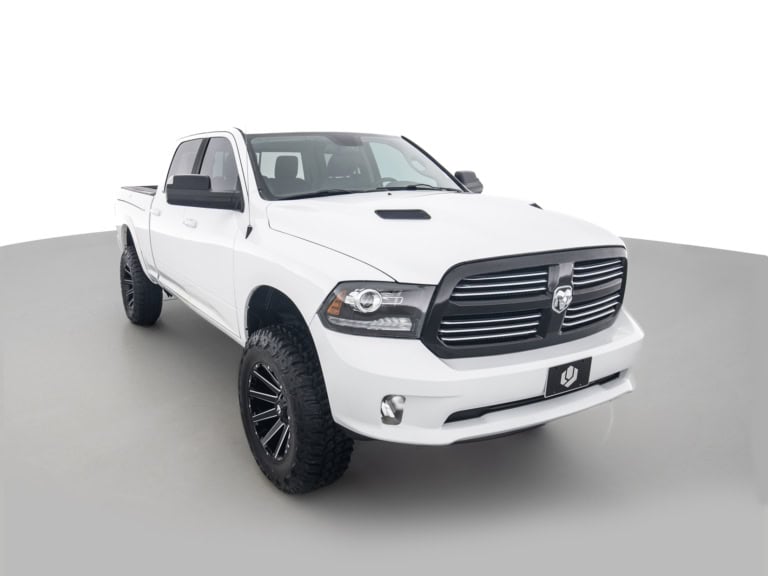

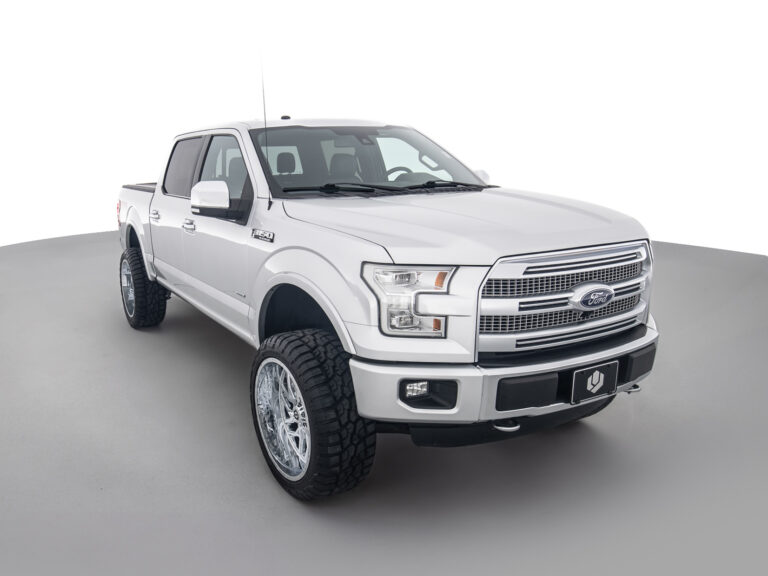
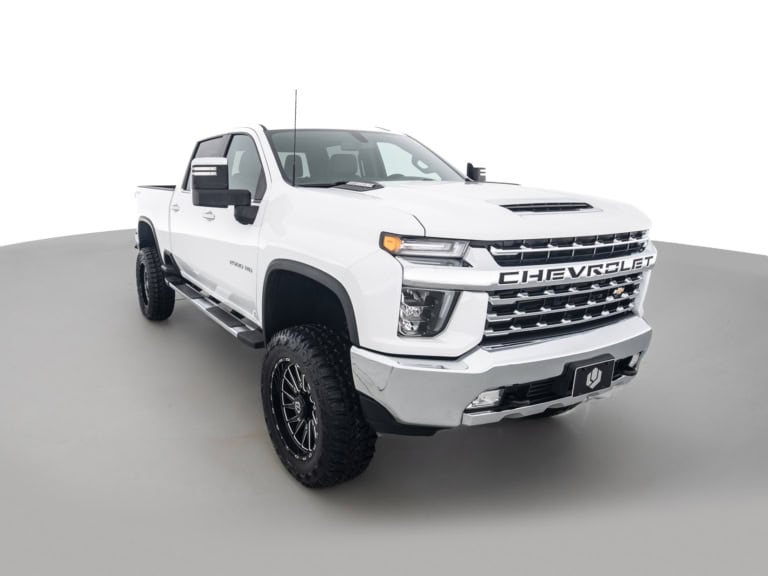


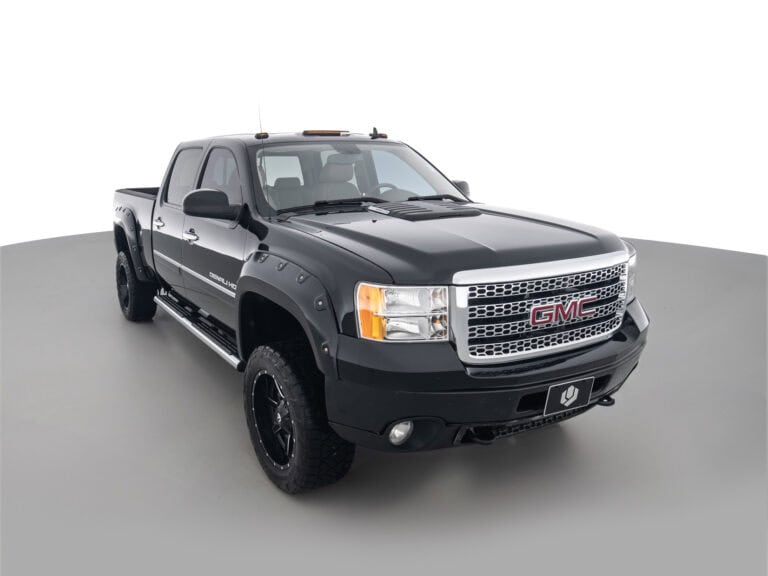


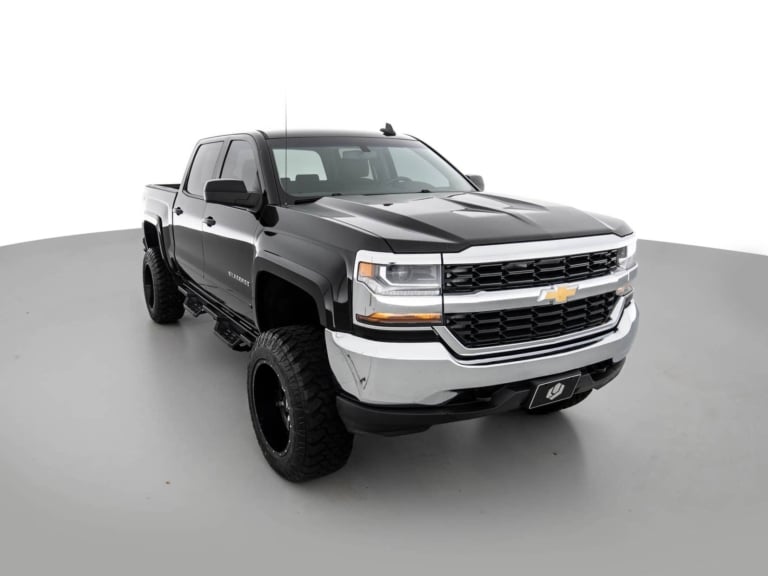
Buying a Lifted Truck in Kentucky: What Local Buyers Should Know
Kentucky is a great state for lifted trucks because the driving conditions can change a lot from one region to another. Around Louisville, Lexington, Bowling Green, Owensboro, Covington, and Frankfort, many buyers want a truck that looks strong but still feels comfortable on the highway, in traffic, and around town. In Eastern Kentucky, lake country, horse country, and more rural parts of the state, buyers often care more about clearance, four-wheel drive, towing, gravel roads, steep driveways, muddy access points, and weekend outdoor use.
A lifted truck for Kentucky should not just be built for appearance. It should feel stable on I-65, I-75, I-64, the Bluegrass Parkway, and smaller state routes, while still giving you the stance and capability you want for rural roads, job sites, boat ramps, and uneven property access.
Lifted Trucks Built for Kentucky Roads, Hills, and Backroads
Kentucky does not have one single driving environment. The Bluegrass region has rolling roads, horse farms, and long rural drives. Eastern Kentucky brings steeper grades, winding roads, narrow hollers, and mountain access. Western Kentucky has lake roads, agricultural areas, open highways, and plenty of towing use. Around Louisville and Lexington, daily drivability, parking, braking, and road comfort may matter just as much as ground clearance.
That variety makes the build important. A tall truck with the wrong tire setup or weak suspension can become frustrating fast. The better choice is usually a lifted truck with balanced suspension geometry, clean steering, proper tire clearance, strong brakes, and a setup that matches how you actually plan to drive.
At Ultimate Rides, we can help Kentucky buyers compare lifted trucks and SUVs based on real use. Whether you are looking at a Silverado, Sierra, F-150, Ram, Tacoma, Tahoe, Yukon, Jeep, or another custom build, the goal is to find something that fits Kentucky roads without making everyday driving harder.
Vehicle Inspections in Kentucky
Kentucky buyers bringing in a vehicle from another state should plan for a Sheriff’s Inspection. The Kentucky Transportation Cabinet states that vehicles brought into Kentucky from another state require a Sheriff’s Inspection before registration.
This is especially relevant if you are buying a lifted truck that was previously titled outside Kentucky. The inspection is not the same as a full mechanical inspection, so buyers should still review the truck carefully before purchase. Pay close attention to the suspension, steering, brakes, tires, wheel fitment, lighting, mirrors, underbody condition, and whether the truck feels stable at highway speed.
For lifted trucks, small problems can become more noticeable on Kentucky roads. Tire rub, loose steering, poor alignment, worn suspension parts, or weak brakes can be a bigger issue when you are driving on hills, wet roads, gravel lanes, or winding rural routes.
Lifted Truck Regulations in Kentucky
Kentucky does not publish the same simple lifted truck bumper-height chart that some other states use, but there are still important size and lighting rules to keep in mind.
Kentucky’s basic vehicle size statute lists an 11.5-foot height limit for motor trucks, trailers, manufactured homes, or vehicles, including the body or load. Kentucky’s overdimensional permit rules also reference 13 feet 6 inches as the point where a vehicle and load would require an overweight or overdimensional single-trip permit, so buyers should be careful not to assume every route or setup is treated the same.
For lighting, Kentucky requires headlamps to sit between 24 inches and 54 inches from the ground when measured from the center of the lamp to level ground with the vehicle unloaded. This can matter if a truck has a large suspension lift, oversized tires, or aftermarket front-end modifications.
Most consumer lifted trucks will be far below Kentucky’s total height thresholds, but the practical checks still matter: headlight height, safe steering, brake performance, tire clearance, visibility, and whether the truck remains comfortable and predictable on public roads.
Registration and Taxes in Kentucky
Kentucky registration is handled through the County Clerk in the county where the vehicle will be registered. If the vehicle is coming from another state, the Sheriff’s Inspection should be completed before you try to finalize the title and registration. The Kentucky Transportation Cabinet also notes that registration renewal in person requires a Kentucky photo ID, Kentucky certificate of registration, current original proof of Kentucky insurance, and money for applicable fees and taxes.
Kentucky also charges Motor Vehicle Usage Tax. The Kentucky Department of Revenue states that this tax is levied at 6% and must be paid on every motor vehicle used in Kentucky. The tax is collected by the county clerk or other registration officer, and license tags cannot be issued unless the tax is paid along with transfer, registration, and license fees.
Before delivery, make sure you know which documents you will receive with the truck, whether the title is ready for transfer, whether there is a lien, and what your local County Clerk may need from you. This helps avoid delays once the truck arrives in Kentucky.
Delivery to Kentucky
Kentucky delivery planning depends heavily on where the truck is going. A delivery into Louisville, Lexington, Bowling Green, Owensboro, Covington, Elizabethtown, Paducah, or Frankfort is usually easier to plan around major road connections. A delivery into Eastern Kentucky, lake communities, rural farm areas, or mountain towns may need a more specific unloading plan.
Once transport is confirmed, many Kentucky deliveries can be arranged in about 2 to 3 days, although timing can shift based on carrier availability, weather, route access, and the final drop-off location. Steep residential roads, narrow hollers, gravel driveways, gated properties, lake roads, downtown streets, and tight neighborhoods may not be ideal for a large transport carrier.
For some buyers, home delivery works well. For others, the better handoff point may be a nearby shopping center, truck stop, dealership-style lot, farm supply store, or open parking area close to a main road. Planning that ahead of time can make the delivery smoother and reduce the chance of last-minute unloading issues.
Before the truck leaves, the team can confirm the expected route, paperwork, timing, and best drop-off option for your part of Kentucky.
Helpful Tools

We Ship Nationwide

Get to Know Us