Lifted Trucks in Maryland

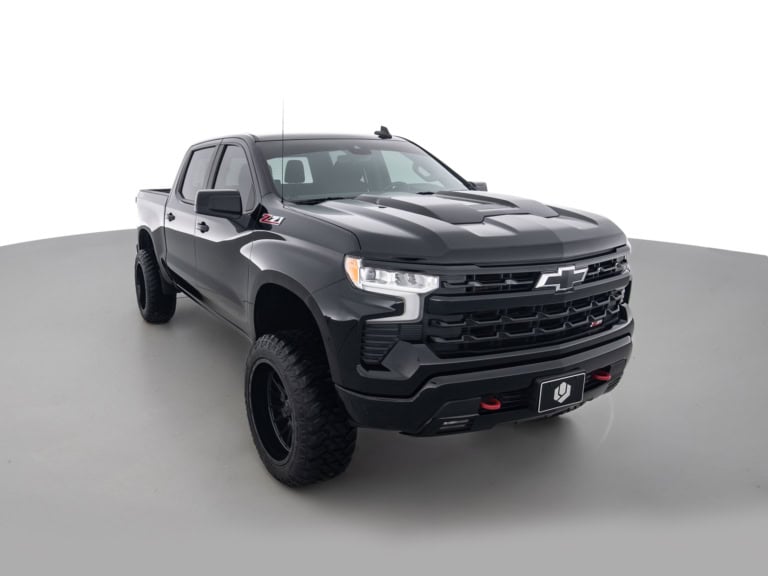
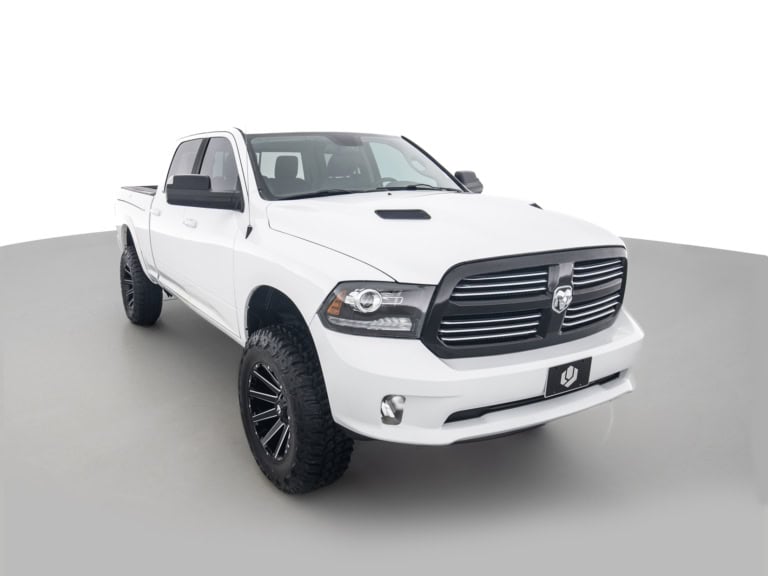
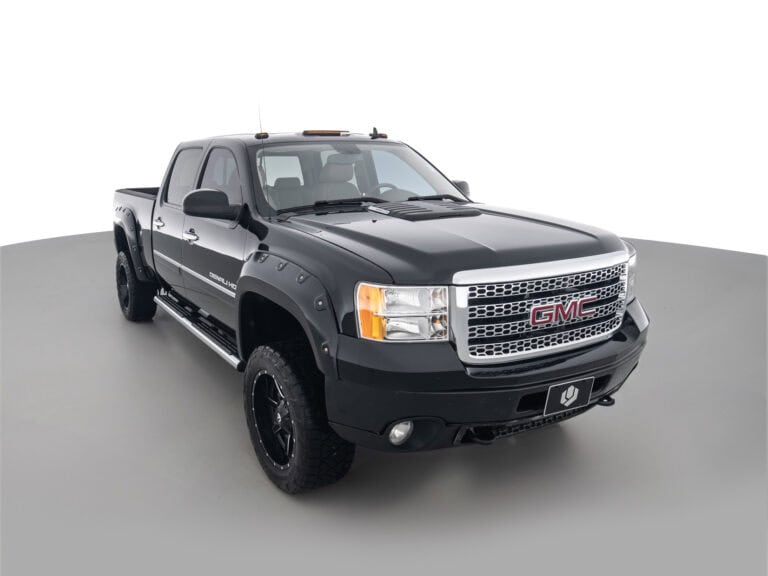
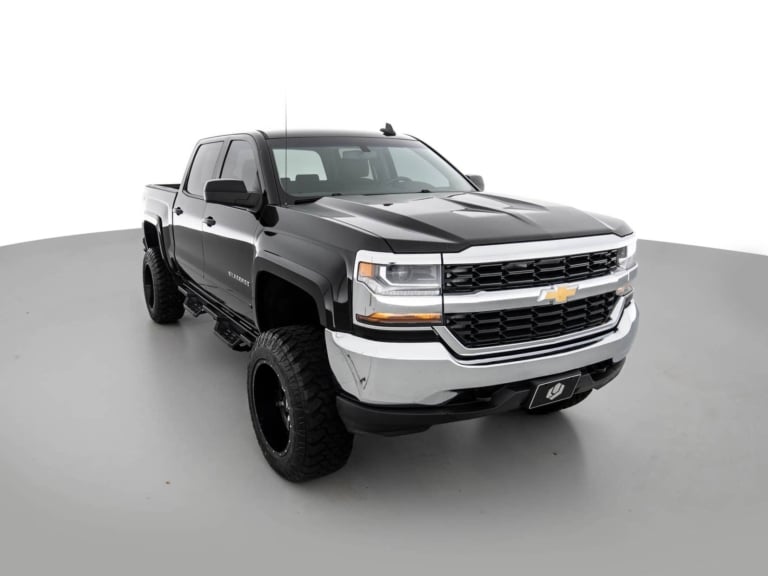
Best selling lifted trucks in Maryland




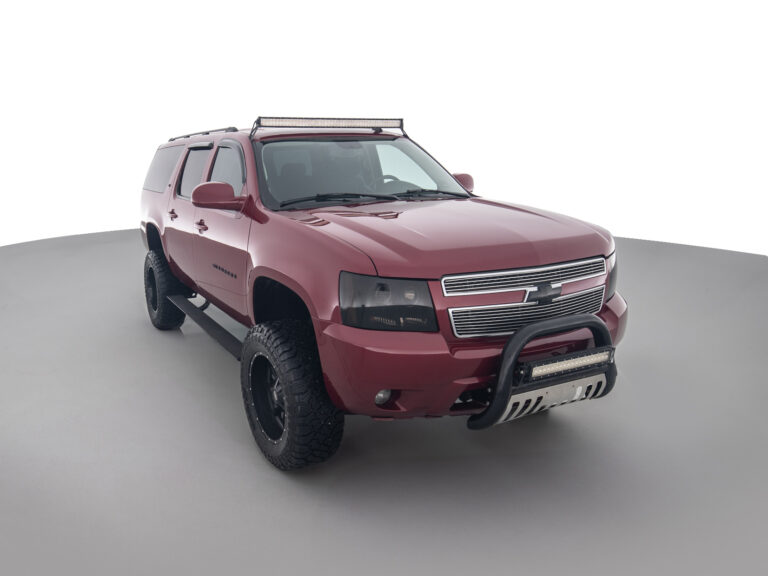


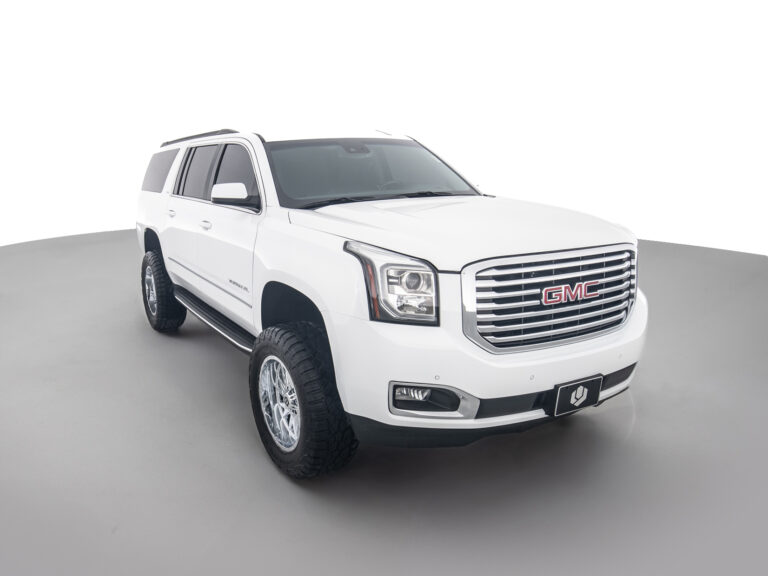


Buying Lifted Trucks in Maryland
Buying a Lifted Truck in Maryland: What Local Drivers Should Know
Maryland is a compact state, but the driving conditions vary more than many buyers expect. A lifted truck in Baltimore, Columbia, Silver Spring, Rockville, Frederick, or Annapolis may spend most of its time dealing with traffic, tight parking, beltway driving, and winter road salt. A truck on the Eastern Shore, in Southern Maryland, or out toward Western Maryland may see boat ramps, farm roads, hunting land, gravel lanes, steep driveways, and rougher rural access.
That makes the setup important. The right lifted truck for Maryland should look strong, but it should also feel controlled on I-95, I-695, I-70, I-270, Route 50, and smaller local roads. Clearance, tire size, braking, steering, corrosion condition, and inspection readiness all matter here.
Lifted Trucks Built for Maryland Roads, Weather, and Weekend Use
Maryland buyers often need a truck that can do several jobs. It might commute during the week, tow a boat or trailer on the weekend, handle snow and slush in winter, or reach rural property outside the main metro areas. Coastal moisture and road salt can also make underbody condition more important than it might be in a warmer, drier state.
If you are near the Baltimore or D.C. suburbs, daily comfort, visibility, clean steering, parking practicality, and highway stability may be your biggest priorities. If you are closer to the Eastern Shore, Southern Maryland, Deep Creek Lake, or the western counties, you may put more weight on four-wheel drive, tire grip, towing, ground clearance, and suspension durability.
At Ultimate Rides, the goal is to help Maryland buyers compare lifted trucks and SUVs based on how they will actually be used. Whether you are looking at a Silverado, Sierra, F-150, Ram, Tacoma, Tahoe, Yukon, Jeep, or another custom build, the right truck should fit both your style and your real driving conditions.
Vehicle Inspections in Maryland
Maryland is stricter than many states when it comes to inspections. Maryland law requires vehicles to pass a Maryland Safety Inspection and receive certification before a motor vehicle can be sold, titled, or transferred in the state. The inspection certificate is sent electronically to the MVA once the vehicle passes.
The MVA also explains that safety inspections and emissions inspections are separate requirements. Safety inspection is generally completed before initial titling and registration, while emissions inspections are completed at regular intervals for qualified vehicles.
For lifted truck buyers, this means the build needs to be more than good-looking. Suspension components, steering, brakes, tires, lighting, exhaust, emissions equipment, mirrors, frame condition, and overall safety should be checked before purchase. If the truck has aftermarket wheels, larger tires, a suspension lift, or exterior modifications, make sure the setup is clean, stable, and inspection-friendly before you plan your Maryland registration.
Lifted Truck Regulations in Maryland
Maryland has direct rules for modified vehicle height. Under Maryland Transportation §22-105, a vehicle may not be operated on a Maryland highway if post-manufacture alterations cause the frame side rails or either bumper to exceed the listed limits. For Class M multipurpose vehicles, the limit is 28 inches. For Class E trucks with a manufacturer’s rating or registered gross vehicle weight of 10,000 pounds or less, the limit is also 28 inches. For Class E trucks over 10,000 pounds but not more than 18,000 pounds, the limit is 30 inches, with a 32-inch exception for trucks used for spraying agricultural crops.
Maryland also says altered vehicles may not be operated if changes reduce the effectiveness of the bumpers or suspension, or make the vehicle dangerous in a single-vehicle accident or collision. That matters because a lifted truck can still create compliance or safety concerns even if the height measurement looks acceptable.
For overall vehicle height, Maryland Transportation §24-104 states that the height of any vehicle and its load may not exceed 13 feet 6 inches, except for specific farm equipment transport situations.
Before adding more lift, larger tires, aftermarket bumpers, or other modifications, Maryland buyers should confirm the final setup against frame height, bumper height, safety inspection, and overall drivability requirements.
Registration and Taxes in Maryland
Maryland vehicle registration is handled through the MVA. In most cases, buyers can title and register a vehicle at the same time, and the MVA may require a valid title or title application, proof of Maryland vehicle insurance, a registration application if applicable, a Maryland Safety Inspection Certificate if required, and payment of registration fees, taxes, and plate fees.
New Maryland residents must obtain a Maryland driver’s license and Maryland vehicle title and registration within 60 days of becoming a Maryland resident.
Maryland’s current title fee for a new or used title certificate is listed at $200, and the titling tax for vehicles is listed at 6.5%, based on fair market value, with a minimum tax of $41.60. The MVA also notes that, for most vehicle purchases, the 6.5% excise tax is generally based on the greater of the verified purchase price or $640, with other valuation rules applying in some situations.
Before your truck arrives, make sure you understand what paperwork comes with the purchase, whether the safety inspection step is already handled or still needs to be completed, and what your local MVA branch may require before the vehicle can be fully registered.
Delivery to Maryland
Maryland delivery is usually less about long distance and more about access. The state has dense metro areas, rural peninsulas, bridge routes, narrow residential streets, waterfront communities, and mountain roads, depending on where the truck is headed.
Deliveries into Baltimore, Columbia, Rockville, Silver Spring, Frederick, Annapolis, Hagerstown, Waldorf, Bowie, Gaithersburg, and Salisbury can often be planned around major corridors. Eastern Shore deliveries may involve Bay Bridge timing and more rural final routes. Western Maryland deliveries may require extra planning around hills, weather, and driveway access.
A 2 to 3 day delivery window is often realistic once transport is scheduled, but timing depends on carrier availability, weather, route planning, and the final drop-off point. In tighter neighborhoods or rural areas, the best unloading spot may be a nearby shopping center, truck stop, open commercial lot, marina parking area, or wide roadside meeting point instead of the home driveway.
Before the vehicle leaves, the team can confirm the expected timing, paperwork, and most practical handoff location for your part of Maryland.
Helpful Tools

We Ship Nationwide

Get to Know Us