Lifted Trucks in Michigan
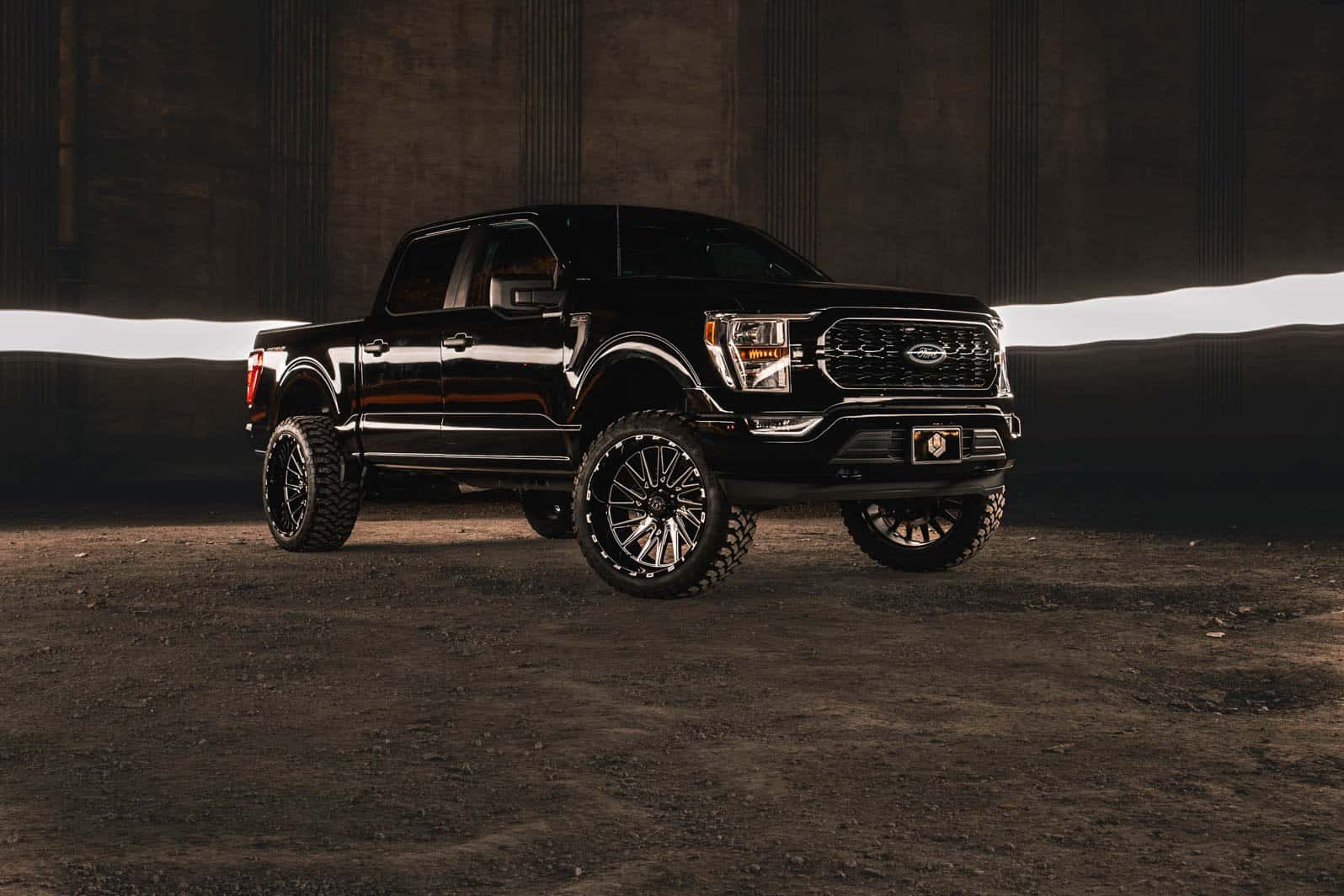
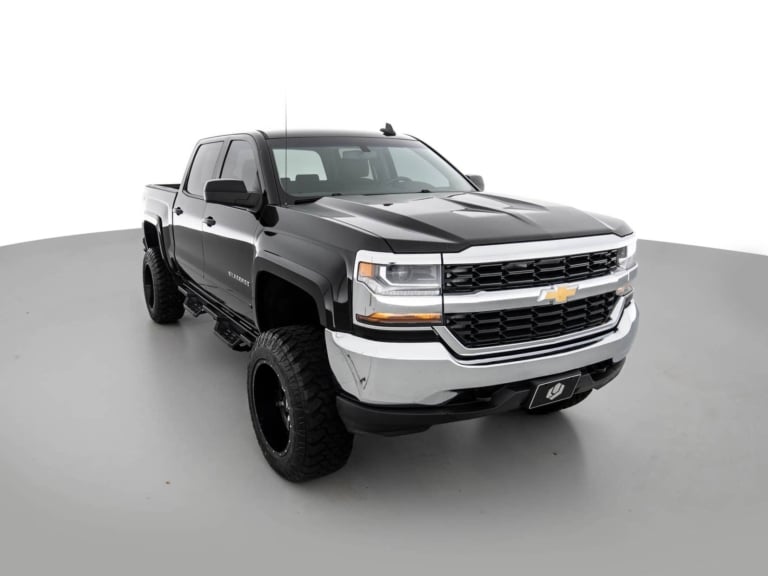
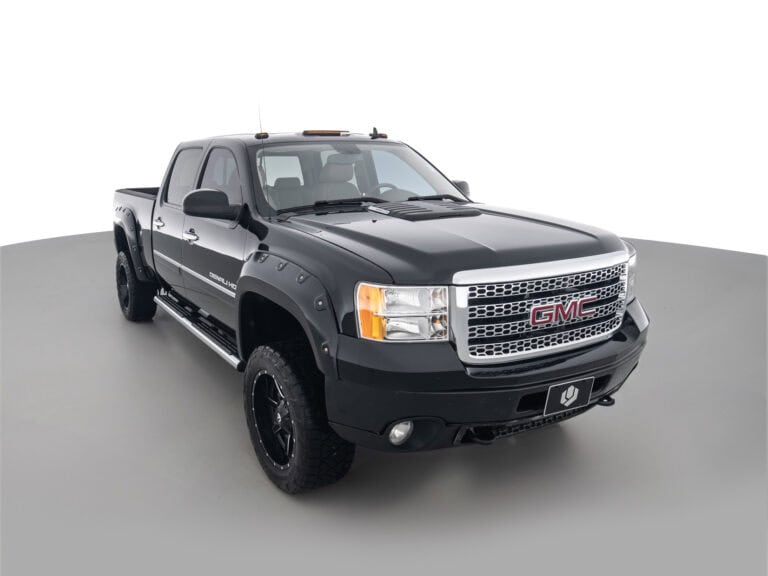
Best selling lifted trucks in Michigan


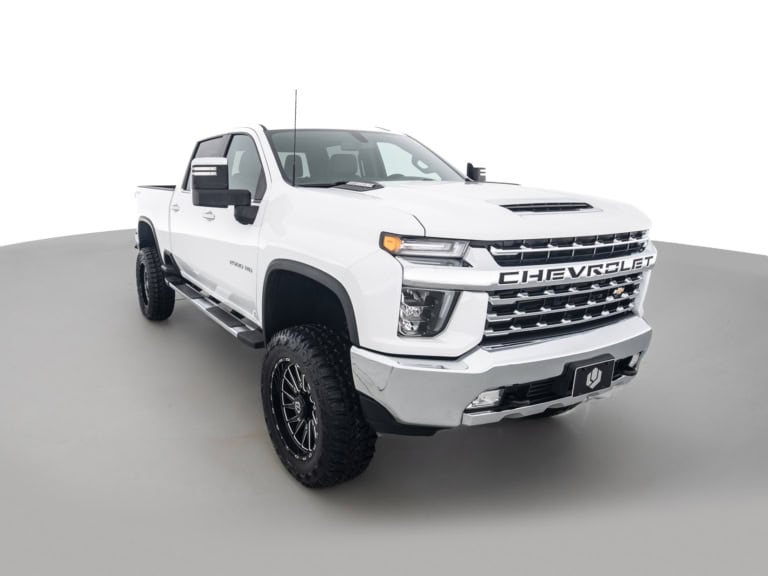

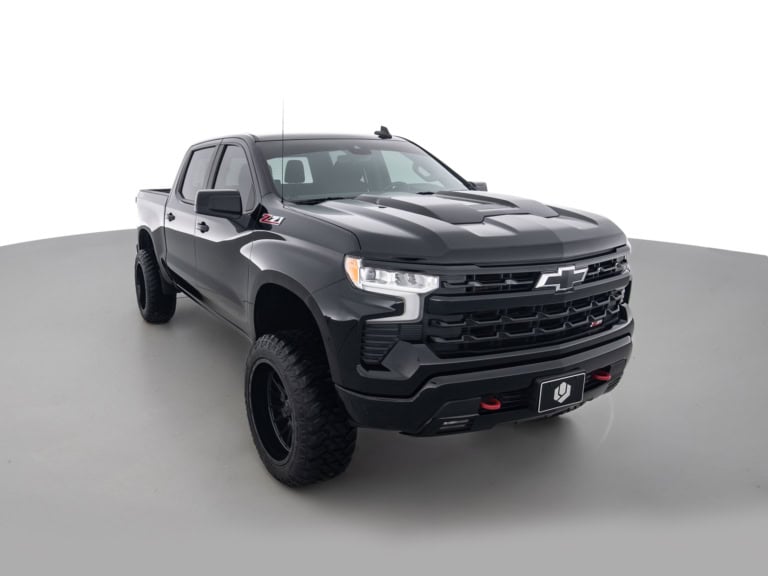
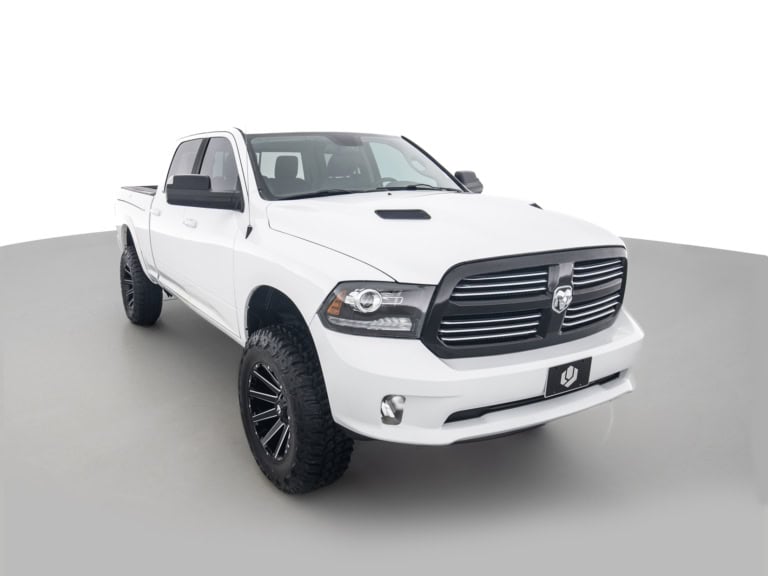





Buying a Lifted Truck in Michigan: What Local Drivers Should Know
Michigan is one of the most practical states for a lifted truck, especially if you need one vehicle that can handle winter, long highway miles, lake weekends, job sites, rural property, towing, and everyday driving. A truck in Metro Detroit may spend most of its time on busy roads, freeways, and suburban streets. A truck in Northern Michigan or the Upper Peninsula may need to handle snow, gravel roads, two-tracks, muddy access roads, and long stretches between towns.
The right lifted truck for Michigan should not just be tall. It should feel stable on I-75, I-94, I-96, US-131, M-22, and rural county roads, while still giving you the stance, clearance, and four-wheel-drive confidence you want.
Lifted Trucks Built for Michigan Roads, Snow, and Lake Country
Michigan roads can be tough on lifted trucks. Winter salt, potholes, freeze-thaw damage, lake-effect snow, dirt roads, wet boat ramps, and long-distance highway driving can all expose weak suspension work or poor tire choices.
If you are driving around Detroit, Grand Rapids, Lansing, Ann Arbor, Flint, Kalamazoo, Warren, Sterling Heights, or Livonia, you may care most about comfort, braking, visibility, road noise, parking, and daily drivability. If you are farther north, near Traverse City, Gaylord, Petoskey, Marquette, Sault Ste. Marie, or rural lake areas, four-wheel drive, tire grip, corrosion condition, ground clearance, and cold-weather reliability may matter more.
At Ultimate Rides, we can help Michigan buyers compare lifted trucks and SUVs based on how they will actually be used. Whether you are looking at a Silverado, Sierra, F-150, Ram, Tacoma, Tahoe, Yukon, Jeep, or another custom build, the goal is to find a truck that looks strong without feeling poorly matched to Michigan roads.
Vehicle Inspections in Michigan
Michigan is simpler than many nearby states because it does not require a standard annual passenger-vehicle safety inspection or emissions test for registration. That makes the buying process more straightforward, but it also means buyers should be more careful about checking the truck before purchase. Kelley Blue Book’s state-by-state inspection guide lists Michigan as a state where vehicle registration does not require a safety inspection or emissions test.
For lifted trucks, the lack of a routine inspection does not mean the setup should be ignored. Look closely at the suspension, steering, brakes, tire clearance, wheel fitment, exhaust, lights, mirrors, underbody condition, and signs of corrosion. Michigan winters can be hard on frames, brake lines, suspension parts, and undercarriage components.
If the truck has a rebuilt or salvage history, treat that as a separate due-diligence issue. Michigan Secretary of State guidance says a vehicle with a salvage title cannot be used on public roads until it is recertified by a specially trained police officer and retitled.
Lifted Truck Regulations in Michigan
Michigan has clear bumper and frame height rules, and they depend on the vehicle type and GVWR. The Michigan State Police explains that GVWR can be found on the VIN sticker inside the driver’s side door frame, and that MCL 257.710c controls the bumper and frame-height measurements.
For passenger vehicles, the maximum frame height is 12 inches and the maximum bumper height is 22 inches. For other motor vehicles, which includes many pickups and multipurpose vehicles, Michigan lists these limits: under 4,501 pounds GVWR, 24 inches frame height and 26 inches bumper height; 4,501 to 7,500 pounds GVWR, 24 inches frame height and 28 inches bumper height; 7,501 to 10,000 pounds GVWR, 26 inches frame height and 30 inches bumper height.
Michigan also restricts certain lift-block setups. State law materials note that a person may not operate a motor vehicle with lift blocks between the front axle and springs, or with lift blocks over 4 inches between the rear axle and springs.
Overall vehicle height matters too. MCL 257.719 says a vehicle, loaded or unloaded, may not exceed 13 feet 6 inches in height. For most consumer lifted trucks, the more practical concerns will be frame height, bumper height, tire fitment, safe steering, and whether the truck remains stable on Michigan roads.
Registration, Title, and Taxes in Michigan
Michigan title and registration are handled through the Secretary of State. For a private-party purchase, the buyer must transfer the title within 15 days of the sale, pay title and registration fees, pay the 6% sales tax if applicable, and apply for a plate, registration, and tab or transfer an existing plate.
Michigan’s Secretary of State lists a $15 title transfer fee, $10 to $15 plate transfer fee, 6% sales tax, and a $15 late fee if the title is not transferred within 15 days of the sale. Proof of a valid Michigan No-Fault insurance policy is also required to register the vehicle.
If the vehicle is purchased out of state, Michigan says buyers should visit a Secretary of State office with the out-of-state title, driver’s license or ID, Michigan No-Fault insurance, out-of-state registration if applicable, and lien termination paperwork if there was a lien.
Before delivery, make sure you understand which title documents, lien documents, insurance proof, purchase paperwork, and plate transfer details apply to your situation.
Delivery to Michigan
Michigan delivery planning depends heavily on where the truck is going. Metro Detroit, Lansing, Grand Rapids, Ann Arbor, Kalamazoo, Flint, Saginaw, and Battle Creek are usually easier to schedule because they sit close to major freeway routes. Northern Michigan, the Thumb, lake communities, and the Upper Peninsula may need a more specific plan because of distance, weather, seasonal traffic, bridges, and local road access.
A delivery window of about 2 to 3 days is often realistic once transport is scheduled, but Michigan weather can change that quickly. Lake-effect snow, icy roads, spring thaw, long rural driveways, wooded cabin roads, narrow lakefront streets, and UP routes can all affect timing or the final unloading point.
In larger cities or suburbs, a driveway, business lot, or wide residential street may work. For lake houses, rural properties, cottage roads, or tighter neighborhoods, it may be easier to meet the carrier at a nearby gas station, shopping center, open parking lot, or main-road location with enough room to unload safely.
Before the truck leaves, the team can confirm the expected timing, paperwork, and best delivery plan for your part of Michigan.
Helpful Tools

We Ship Nationwide

Get to Know Us