Lifted Trucks in Minnesota

Best selling lifted trucks in Minnesota


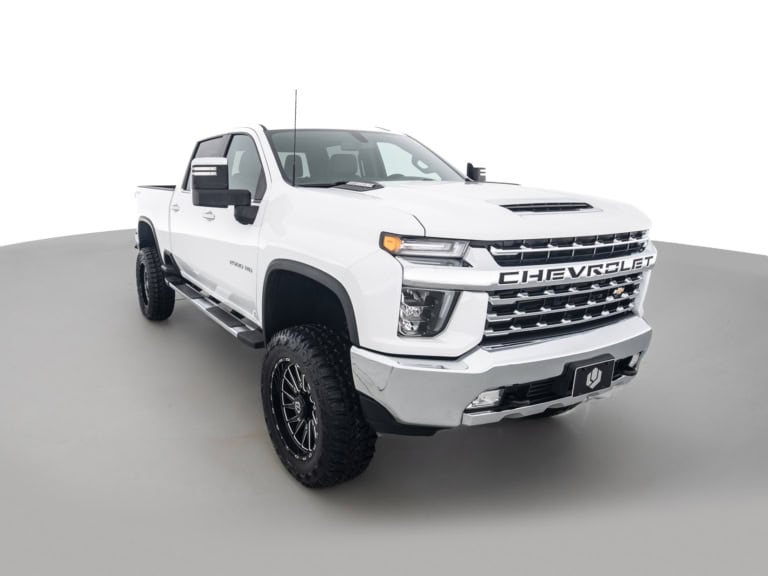


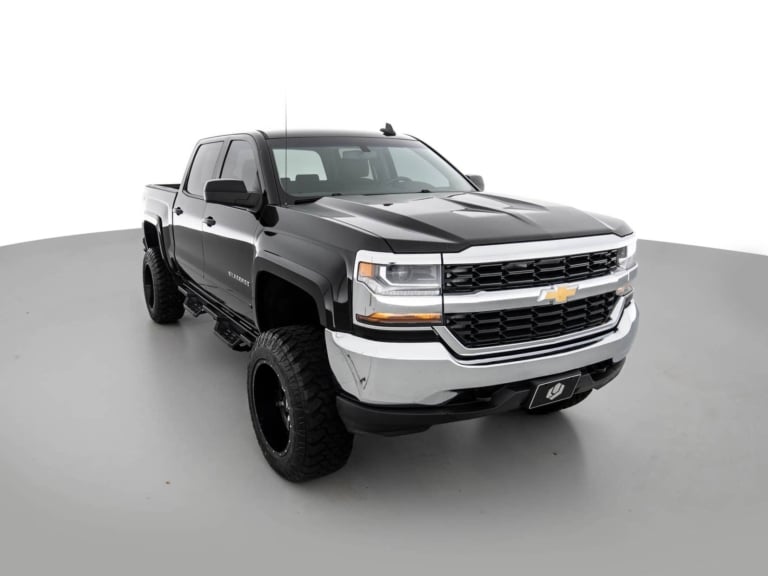


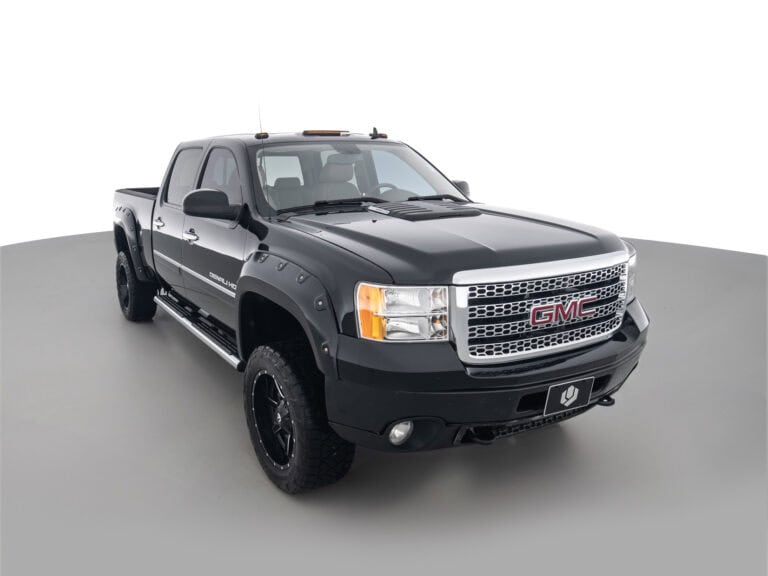


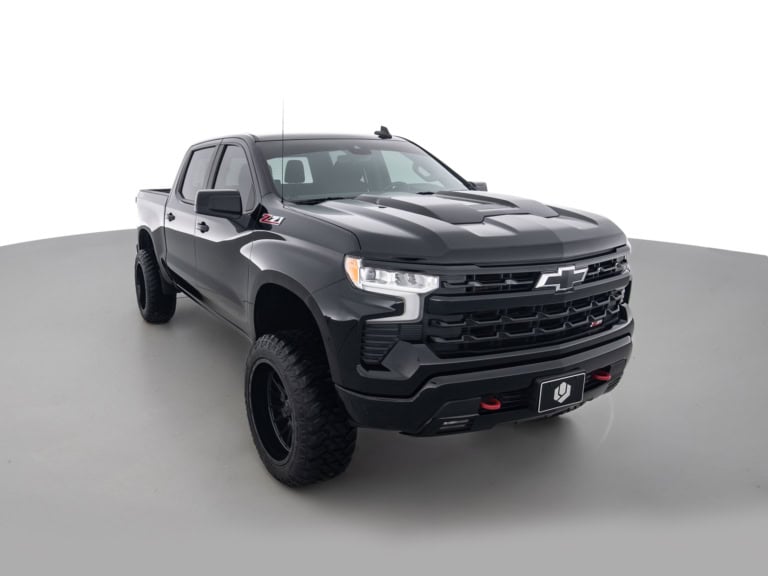


Buying a Lifted Truck in Minnesota: What Drivers Should Know
Minnesota is a state where a lifted truck can be genuinely useful. Between snow, ice, lake roads, long rural drives, gravel routes, cabin access, hunting property, job sites, and freezing winters, many buyers want more than a truck that simply looks aggressive. They want something that feels stable, capable, and dependable when conditions get rough.
A good Minnesota truck should be comfortable around Minneapolis, St. Paul, Rochester, Duluth, St. Cloud, Mankato, Bloomington, and Maple Grove, but still ready for northern highways, lake cabins, farm roads, wooded properties, and winter travel outside the metro area.
Lifted Trucks Built for Minnesota Snow, Lakes, and Rural Roads
Minnesota roads can be hard on any truck, especially one with larger tires or aftermarket suspension. Winter salt, deep snow, ice, potholes, spring thaw, gravel roads, and lake-area driveways can all reveal whether a lift was installed properly.
If you drive mostly in the Twin Cities, your priorities may include clean steering, braking confidence, road noise, parking clearance, and comfort in stop-and-go traffic. If you spend more time around Duluth, Brainerd, Bemidji, Grand Rapids, Ely, the Iron Range, or rural western and southern Minnesota, you may care more about four-wheel drive, tire grip, ground clearance, underbody condition, and stability on snowy or uneven roads.
At Ultimate Rides, we can help Minnesota buyers compare lifted trucks and SUVs based on real use. Whether you are looking at a Silverado, Sierra, F-150, Ram, Tacoma, Tahoe, Yukon, Jeep, or another custom build, the goal is to find a truck that fits the way you drive, not just the way it looks online.
Vehicle Inspections in Minnesota
Minnesota does not require routine safety checks or emissions testing for passenger cars registered in the state, which makes registration simpler than in states with annual inspection stickers.
That does not mean lifted truck buyers should skip a careful mechanical review. A modified truck should still be checked for suspension condition, steering feel, brake performance, tire clearance, wheel fitment, lighting, mirrors, exhaust condition, and frame or underbody corrosion. Minnesota winters can be especially hard on brake lines, suspension parts, rocker panels, frames, and undercarriage components.
Emissions equipment should also be left intact. The Minnesota Pollution Control Agency warns that tampering with vehicle emissions control systems is illegal and can affect performance, warranties, and air quality.
Lifted Truck Regulations in Minnesota
Minnesota’s lifted truck rules are especially important because the state directly regulates bumper height and changes from the original manufactured height.
Minnesota law says private passenger vehicles must have front and rear bumpers, although pickup trucks and vans must have front bumpers and either rear bumpers or reflectors. The same statute says a vehicle originally equipped with bumpers must have bumpers equal to the original equipment, and the suspension or body cannot be modified so that the vehicle height or bumper height varies by more than 6 inches from the original manufactured height.
Minnesota also sets maximum bumper heights. Required bumpers may not exceed 20 inches on passenger automobiles or station wagons, and may not exceed 25 inches on four-wheel-drive multipurpose vehicles, vans, or pickup trucks when operated on public highways. Bumper height is measured from the bottom of the bumper to the ground, excluding vertical bumper attachments.
If a full-width bumper is added to meet the height requirement, it must meet specific construction standards, including a minimum 4.5-inch vertical height, proper centering, extension beyond the frame, and secure frame attachment.
Overall height matters too. Minnesota law says no vehicle, whether unloaded or with its load, may exceed 13 feet 6 inches, apart from specific exceptions such as double-deck buses.
For Minnesota buyers, the practical takeaway is simple: pay close attention to bumper height, lift height, tire size, and whether the truck still sits within the state’s modification limits before adding more lift or larger wheels.
Registration and Taxes in Minnesota
Minnesota titles cars, trucks, motorcycles, buses, vans, and large trailers. In most situations, the transfer of ownership must take place on the certificate of title within 10 days of the sale. Minnesota Driver and Vehicle Services also recommends that buyers have the title before taking possession, verify that the VIN matches the title, and make sure any lien release is included when applicable.
Typical Minnesota transfer fees for a titled vehicle include an $8.25 title fee, $2 for each lien recorded, a $10 transfer tax, a $3.50 public safety vehicle fee, a $2.25 technology surcharge, a $12 filing fee, and 6.875% sales tax on the purchase price.
Minnesota’s Department of Revenue explains that the Motor Vehicle Sales Tax is calculated at 6.875% after subtracting qualifying rebates and trade-in allowance from the vehicle sales price. Local vehicle excise taxes may also apply in some cities or counties.
Annual registration tax can vary by vehicle class, weight, model year, and other details. Minnesota’s 2026 Motor Vehicle Tax Manual says passenger-class vehicle owners can use the Vehicle Registration Tax Estimator or contact a deputy registrar, while trucks registered by gross weight use the appropriate weight table.
Before your truck arrives, make sure you have the title, lien release if needed, purchase documents, insurance information, and any registration details ready for your local deputy registrar office.
Delivery to Minnesota
Minnesota delivery planning is usually shaped by season, route, and final access. A carrier heading into the Twin Cities, Rochester, St. Cloud, Mankato, or Moorhead can often work from major highway corridors like I-94, I-35, I-90, or Highway 52. Deliveries farther north, including Duluth, Brainerd, Bemidji, Grand Rapids, the Iron Range, or lake-country addresses, may need more planning around weather and road access.
A 2 to 3 day delivery window is often possible once transport is scheduled, but winter storms, icy roads, snowbanks, rural driveways, cabin roads, lakefront lanes, and narrow neighborhood streets can affect timing or the best unloading location. In the colder months, a plowed, wide, easy-access meeting point can make the handoff much easier.
For some buyers, direct driveway delivery works fine. For others, a nearby gas station, shopping center, fleet lot, farm supply store, truck stop, or open commercial parking area may be safer for unloading. The best spot is usually somewhere close to a main road, with enough room for the carrier to stop, unload, and pull away without blocking traffic.
Before the truck leaves, the team can confirm the expected timing, paperwork, and most practical drop-off plan for your part of Minnesota.
Let’s Match You With a Truck That Belongs on Minnesota Roads
Helpful Tools

We Ship Nationwide

Get to Know Us