Lifted Trucks in New Jersey

Best selling lifted trucks in New Jersey


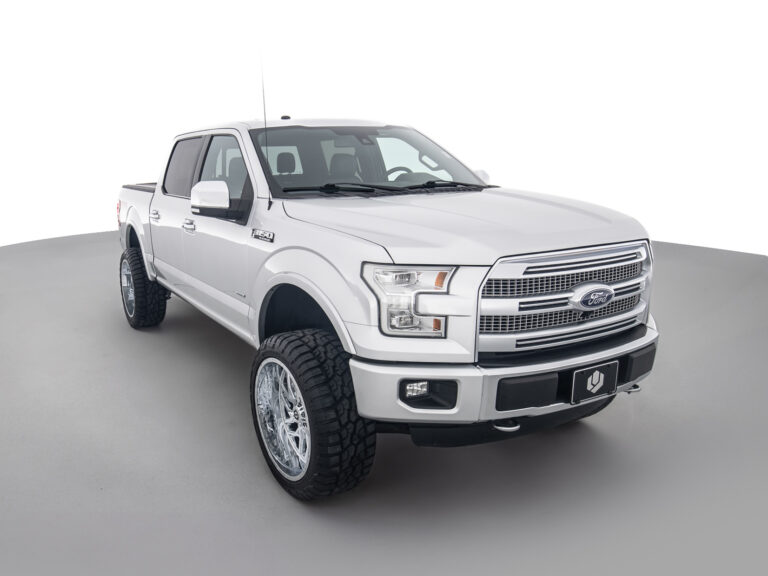


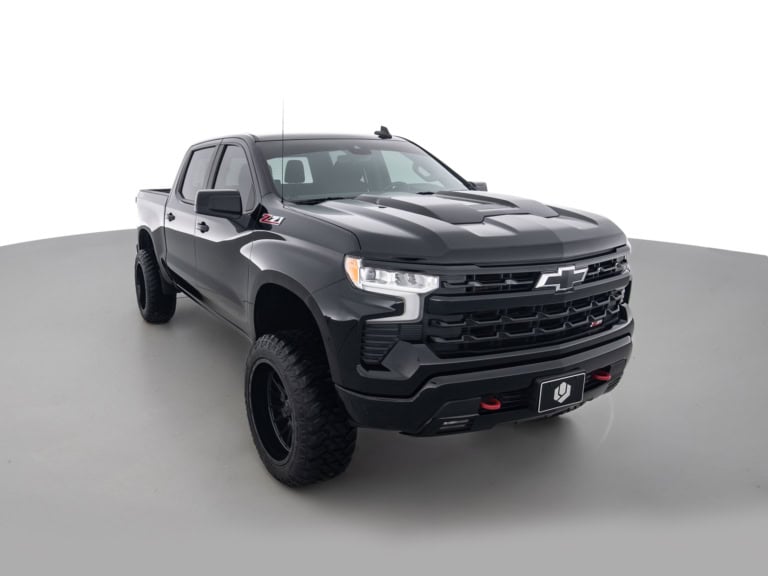

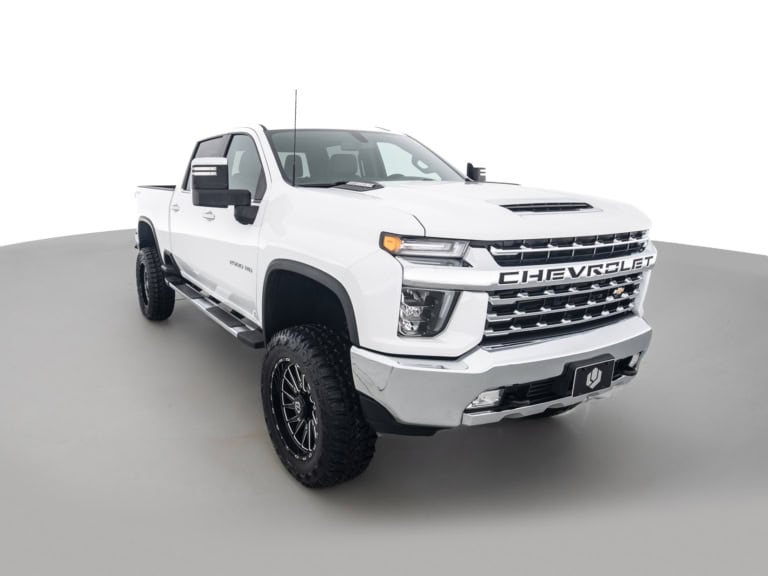

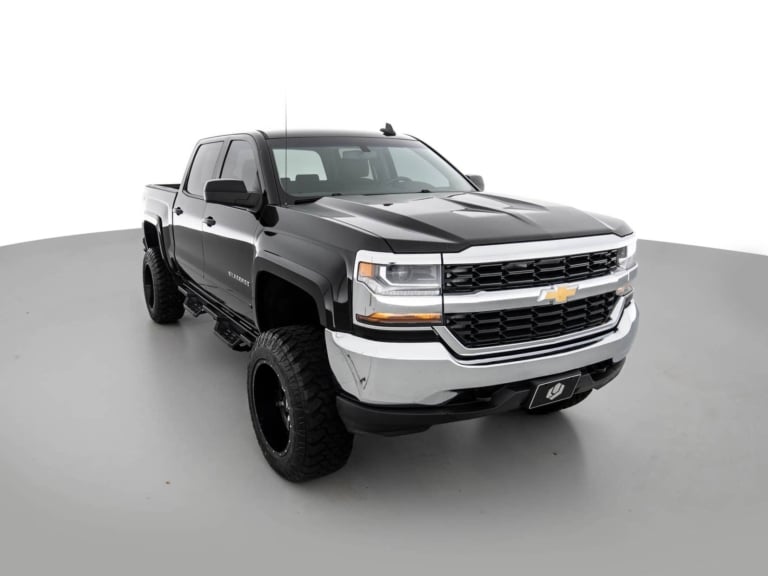


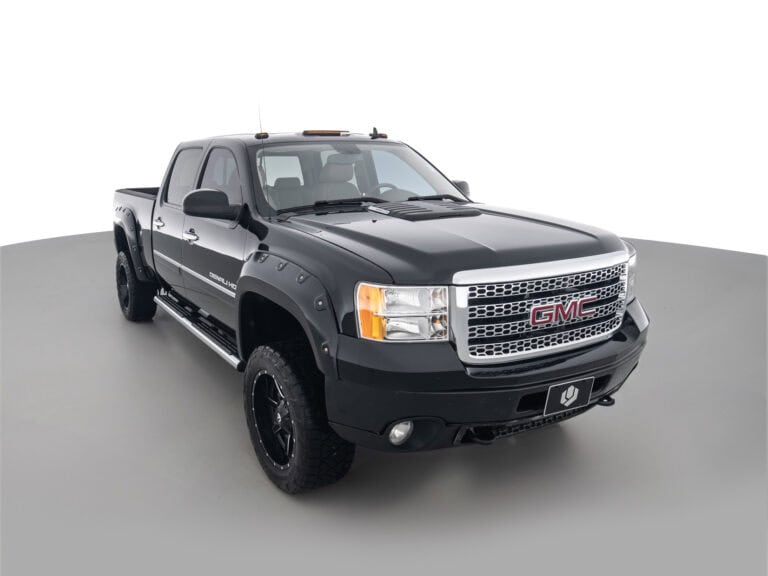
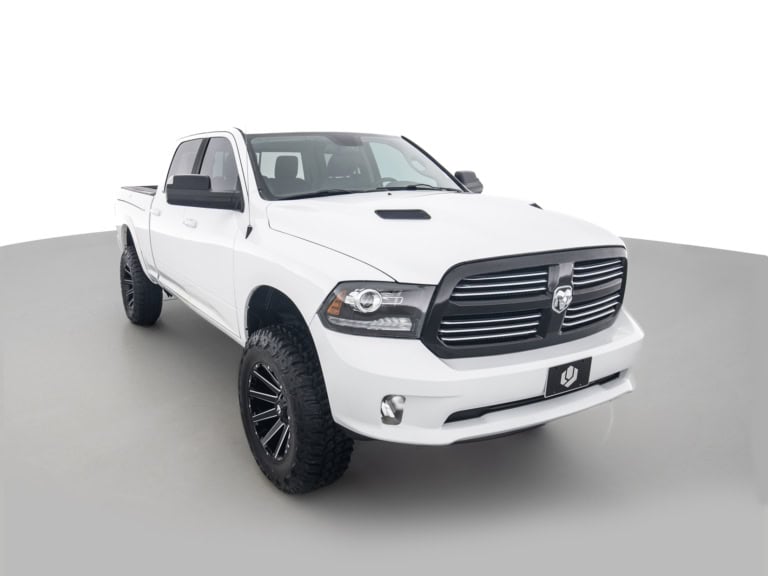
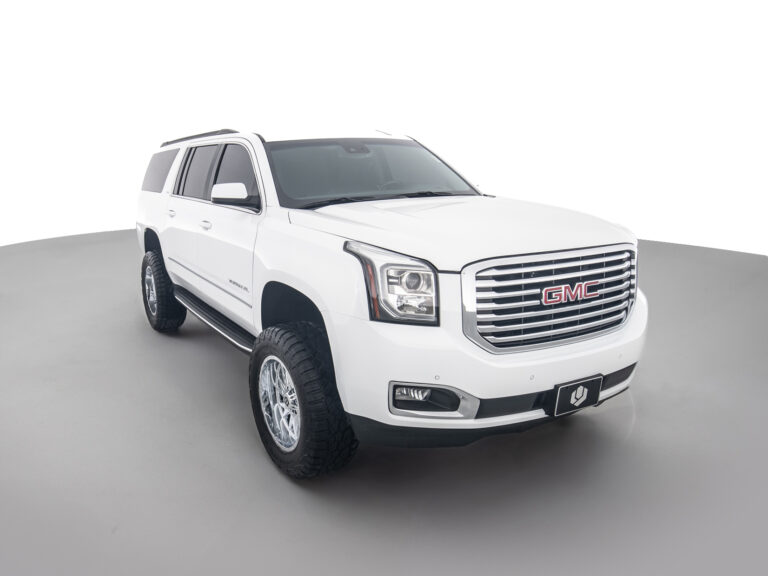


Buying a Lifted Truck in New Jersey: What Local Drivers Should Know
New Jersey is a more demanding state for lifted truck buyers because space, traffic, inspections, and modification rules all matter. A truck that feels easy to own in a rural state may need closer review before it makes sense for daily use in New Jersey.
Around Newark, Jersey City, Paterson, Elizabeth, Edison, Woodbridge, Trenton, and the North Jersey suburbs, buyers usually need a truck that can handle traffic, tight streets, parking lots, potholes, and busy highways. In South Jersey, the Shore towns, rural western counties, and areas near the Pine Barrens, buyers may care more about boat ramps, sandy access roads, weekend trips, towing, job sites, and wet-weather traction.
Lifted Trucks Built for New Jersey Roads, Traffic, and Shore Trips
A lifted truck in New Jersey has to work in a wide range of settings. It might spend weekdays on the New Jersey Turnpike, Garden State Parkway, I-287, I-80, I-78, Route 1, or Route 9, then spend weekends heading toward the Shore, a marina, a job site, or a rural property.
That means the build should be balanced. Large tires and a taller stance can look great, but steering feel, braking, visibility, parking practicality, tire clearance, suspension quality, and inspection readiness matter just as much. Winter salt and coastal air can also make underbody condition worth checking closely.
At Ultimate Rides, we can help New Jersey buyers compare lifted trucks and SUVs based on real use. Whether you are looking at a Silverado, Sierra, F-150, Ram, Tacoma, Tahoe, Yukon, Jeep, or another custom build, the right truck should feel controlled on crowded roads while still giving you the stance and utility you want.
Vehicle Inspections in New Jersey
New Jersey basic non-commercial vehicles generally need inspection once every two years, while new vehicles receive a five-year inspection. MVC says drivers should bring a driver license, vehicle registration, and proof of New Jersey insurance to the inspection station.
Lifted trucks need extra attention because New Jersey has separate rules for vehicles with elevated chassis height. New Jersey regulations say a vehicle whose original height has been raised by changes to tire or rim size, chassis, suspension, or body generally needs an elevated vehicle approval certificate, unless the height increase comes only from a tire diameter increase of 4 inches or less, or a qualifying snowplow-related front suspension increase of 2 inches or less.
The same regulation says the elevated vehicle must pass inspection for the certificate and windshield decal, and that the inspection must happen within 30 days after the vehicle elevation, registration, or renewal, whichever comes first. It also says the vehicle can fail if modifications affect safe operation, are improperly installed, reduce structural integrity, alter critical geometry, create brake-line hazards, or make safety-related components less effective.
For a buyer, that means the lift cannot just look clean. The truck should be checked for steering geometry, brake lines, suspension hardware, wheel and tire clearance, frame condition, lighting, mirrors, and how it behaves at highway speed.
Lifted Truck Regulations in New Jersey
New Jersey is one of the states where lifted truck buyers should be especially careful before modifying a vehicle further. The state’s elevated vehicle rules define lift broadly, covering changes to chassis, suspension, body, rims, or tire size that raise the vehicle.
New Jersey Administrative Code lists maximum lift limits based on GVWR for covered vehicles. The maximum lift is 7 inches above original vehicle height for vehicles at 4,500 pounds GVWR or less, 9 inches above original vehicle height for vehicles from 4,501 to 7,500 pounds GVWR, and 11 inches above original vehicle height for vehicles from 7,501 to 10,000 pounds GVWR. The rule also explains how height is measured and says adjustable lifts must comply in both their lowest and highest positions.
For New Jersey buyers, this makes GVWR, original vehicle height, lift height, tire size, and inspection status especially important. Before adding more lift, wider wheels, larger tires, aftermarket bumpers, or suspension changes, check whether the final setup will still fit New Jersey’s elevated vehicle requirements.
Registration and Taxes in New Jersey
New Jersey title and registration work is handled through the MVC. If you are transferring ownership, MVC says the buyer must visit a motor vehicle agency to transfer the title, complete the Vehicle Registration Application if applicable, and receive license plates. To avoid a $25 penalty, New Jersey or dealer-reassigned titles must be transferred within 10 working days from the date of sale.
MVC lists title fees at $60 for a standard title, $85 for a financed vehicle with one lien, and $110 for a financed vehicle with two liens. Registration fees vary by vehicle type, and new vehicles that have never been titled receive a four-year registration.
New Jersey’s sales tax rate is 6.625% on most taxable sales unless an exemption applies, and MVC notes that if sales tax was not paid at the time of purchase, it may be due when titling the vehicle.
Before your truck arrives, make sure you know whether the title is clean, whether there is a lien, whether New Jersey sales tax has already been handled, and whether the truck will need an elevated vehicle inspection step before regular use.
Delivery to New Jersey
New Jersey delivery is usually less about distance and more about access. A transport carrier may be able to reach many parts of the state quickly, but the final unloading point can be tricky in dense neighborhoods, apartment areas, Shore towns, business districts, and older residential streets.
North Jersey deliveries often need planning around traffic, toll routes, and tighter urban roads. Central Jersey may be easier if there is a wide driveway, business lot, or open parking area near a main road. South Jersey and Shore deliveries can be straightforward in some towns, but seasonal traffic, narrow beach-area streets, marina access roads, and private communities may affect the best handoff location.
A 2 to 3 day delivery window is often realistic once transport is scheduled, but timing depends on carrier availability, traffic, weather, toll-route planning, and the final address. In many cases, the smoothest option is to meet the driver at a shopping center, service plaza, open commercial lot, dealership-style lot, or another wide location where the carrier can unload without blocking traffic.
Before the truck leaves, the team can confirm the expected timing, paperwork, and most practical delivery location for your part of New Jersey.
Helpful Tools

We Ship Nationwide

Get to Know Us