Lifted Trucks in New Mexico
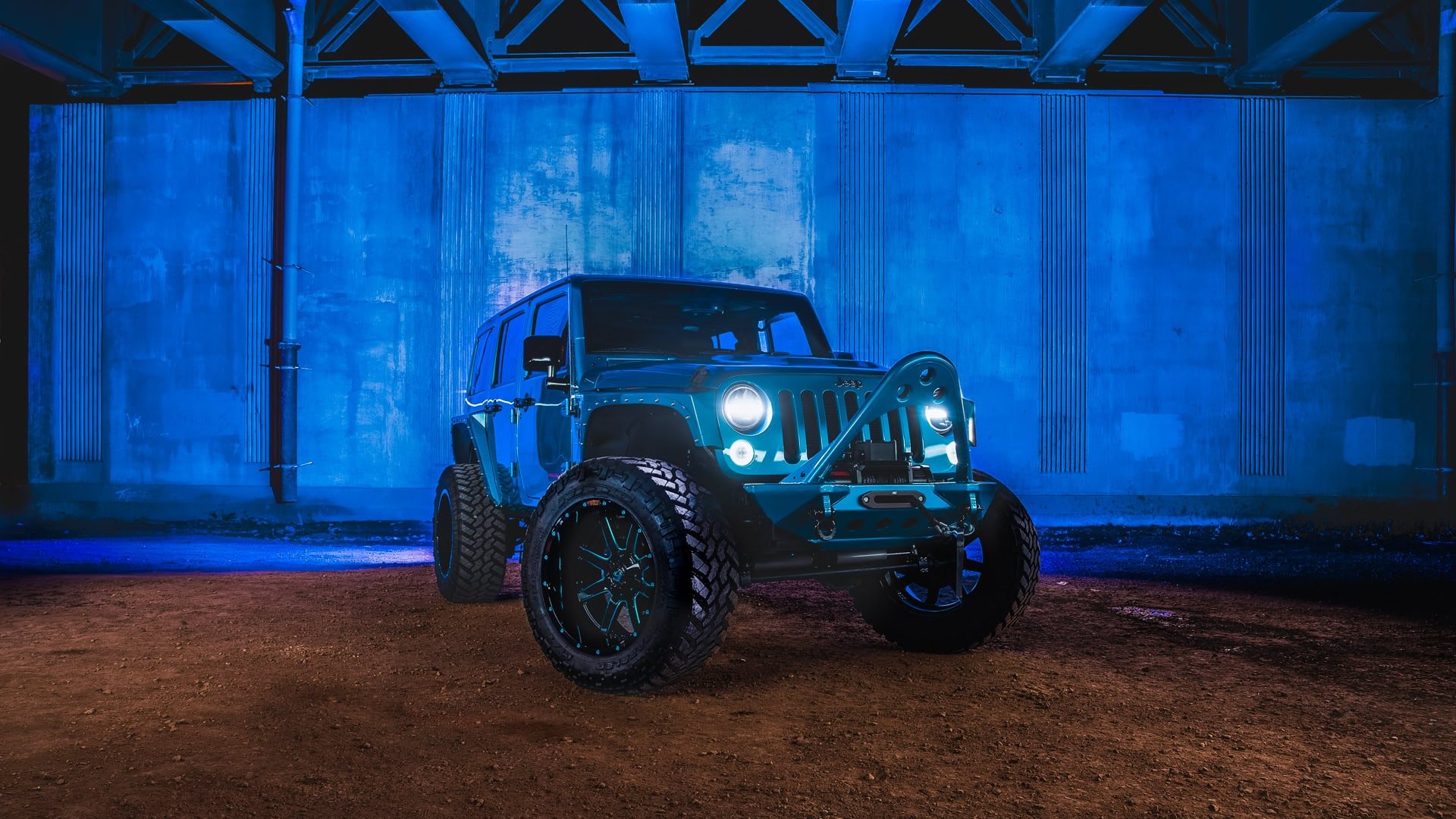
Best selling lifted trucks in New Mexico


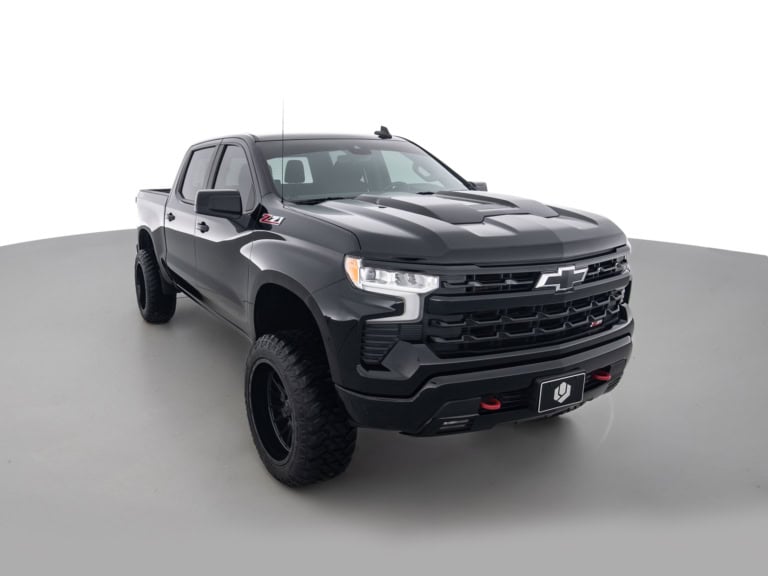


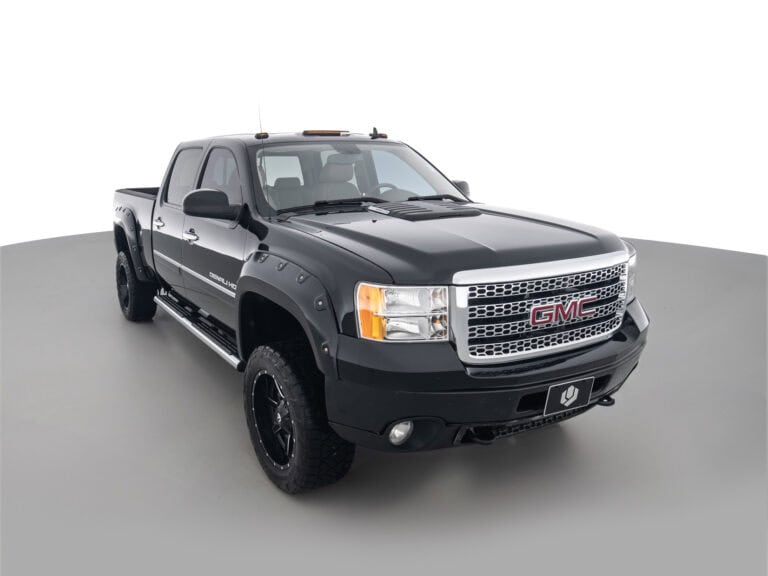

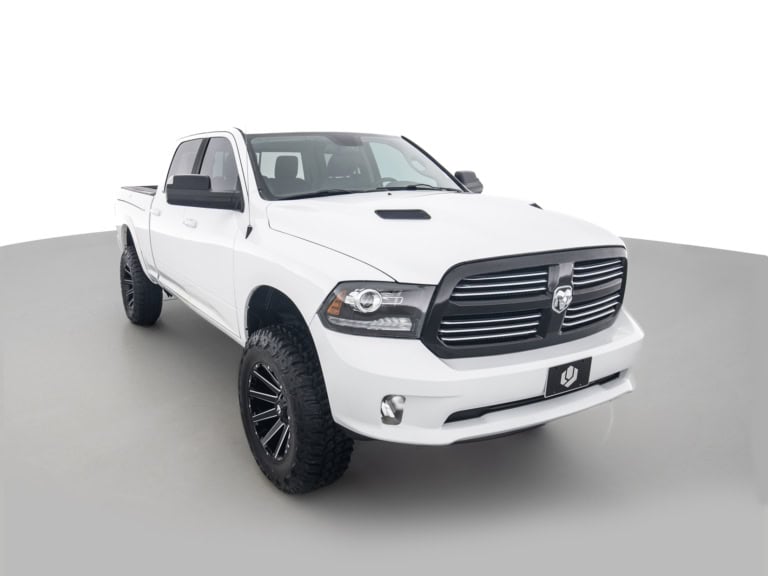

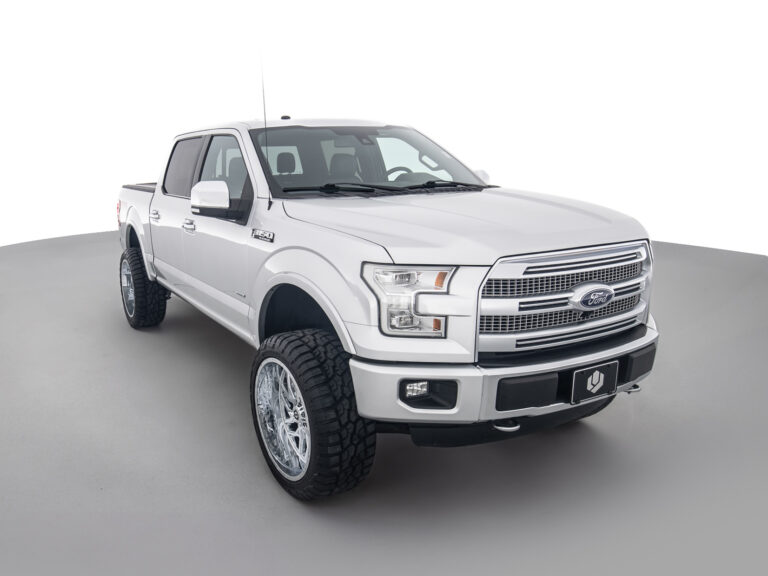


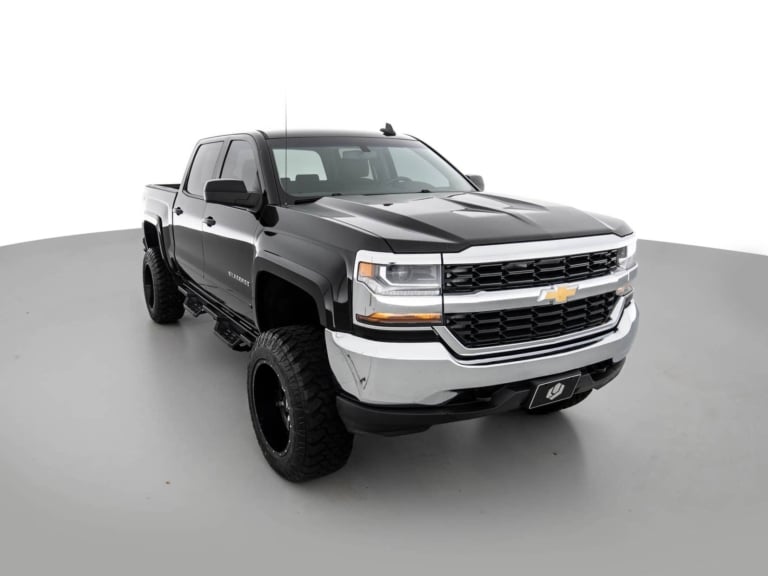


Buying a Lifted Truck in New Mexico: What Local Drivers Should Know
New Mexico is a strong state for lifted trucks because the terrain is so varied. A truck may spend part of the week on I-25 or I-40 around Albuquerque, Las Cruces, Rio Rancho, Santa Fe, or Farmington, then head toward dirt access roads, desert trails, mountain towns, ranch property, oilfield routes, lake roads, or snowy northern highways.
For New Mexico buyers, the right lifted truck should feel steady at highway speed, capable on rougher roads, and practical in heat, dust, wind, elevation changes, and seasonal storms. Clearance matters, but so do tire choice, suspension quality, braking, steering feel, cooling condition, and how well the truck handles long-distance driving.
Lifted Trucks Built for New Mexico Highways, Desert Roads, and Mountain Routes
New Mexico driving can be hard on a truck in ways that are different from the Midwest or East Coast. Long open highways can expose vibration, poor alignment, or road noise. Desert roads can mean dust, rocks, washboard surfaces, and soft shoulders. Northern and higher-elevation areas can bring snow, ice, steep grades, and mountain access.
If you drive mostly around Albuquerque, Rio Rancho, Las Cruces, Santa Fe, or Roswell, comfort, visibility, braking, and highway manners may be your main concerns. If you spend time around ranches, hunting land, oilfield roads, forest roads, ski areas, or rural properties, four-wheel drive, tire grip, suspension strength, and ground clearance may matter more.
At Ultimate Rides, we can help New Mexico buyers compare lifted trucks and SUVs based on real use, not just appearance. Whether you are looking at a Silverado, Sierra, F-150, Ram, Tacoma, Tahoe, Yukon, Jeep, or another custom build, the goal is to find a truck that looks strong and still feels right for New Mexico roads.
Vehicle Inspections in New Mexico
New Mexico’s main inspection-related requirement is emissions testing in Bernalillo County. The New Mexico MVD says emissions testing is required for motor vehicles registered or commuting in Bernalillo County, and that 1991 and newer vehicles up to 10,000 pounds GVW must pass an emissions test every two years and at change of ownership. Brand-new vehicles are exempt for four years after initial registration, while dedicated electric vehicles and diesel vehicles are exempt from emissions testing.
This matters most for buyers around Albuquerque and surrounding Bernalillo County communities. Before buying a lifted truck for that area, check the check-engine light, emissions equipment, exhaust setup, catalytic converter status, and whether the vehicle is likely to pass the required test.
If the truck is coming into New Mexico from another state, the MVD says a VIN inspection is required for vehicles coming to New Mexico from out of state. The inspection is usually completed by an MVD agent at a field office, although certified VIN inspectors may also be available through participating partner offices.
For the truck itself, look closely at the suspension, steering, brakes, wheels, tires, lighting, underbody condition, and how it drives at highway speed. A lifted truck should feel stable on long New Mexico routes, not loose, noisy, or unpredictable.
Lifted Truck Regulations in New Mexico
New Mexico does not present lifted truck rules through the same simple bumper-height table used by some other states, so buyers should focus on the statewide size and lighting rules that clearly affect modified trucks.
New Mexico law says a vehicle may not exceed 14 feet in height. New Mexico Department of Public Safety size and weight guidance also states that no vehicle, including any load, may exceed a maximum height of 14 feet without an oversize permit.
Lighting height is also important for lifted builds. New Mexico law says headlamps must be mounted no more than 54 inches and no less than 20 inches from the ground, measured from the center of the lamp. Tail lamps must be mounted no more than 72 inches and no less than 20 inches from the ground.
For most consumer lifted trucks, the practical concerns are headlight height, tail-light height, tire clearance, safe steering, brake performance, visibility, and whether the truck remains stable on public roads. Before adding more lift, larger tires, aftermarket lighting, spacers, or wide wheels, check the final setup carefully and confirm any local requirements that may apply where the truck will be registered.
Registration and Taxes in New Mexico
New Mexico requires vehicles to be titled before they can be registered, and the MVD says drivers need proof of insurance when registering a vehicle. The MVD lists minimum liability coverage of $25,000 for bodily injury or death of one person, $50,000 for bodily injury or death of two or more people, and $10,000 for property damage in one accident.
Registration fees depend on vehicle type, weight, and model year. New Mexico MVD lists passenger vehicle registration fees from $27 to $62 for one year or $54 to $124 for two years. For trucks with a declared gross vehicle weight of 26,000 pounds or less, registration fees range from $38 to $207 for one year or $76 to $414 for two years.
New Mexico also charges Motor Vehicle Excise Tax. MVD guidance says the MVET rate is 4% for vehicles purchased on or after July 1, 2019, and that it is applied to the price paid for the vehicle, with trade-in value deducted where applicable.
If you are bringing a vehicle in from out of state, plan for the VIN inspection step, title paperwork, proof of insurance, proof of residency, proof of identity, lienholder information if needed, and any emissions certificate if the vehicle will be registered in Bernalillo County.
Delivery to New Mexico
New Mexico delivery is usually shaped by distance, terrain, and final access. Albuquerque and Rio Rancho are often the easiest areas to coordinate because they sit near I-25 and I-40. Las Cruces, Santa Fe, Roswell, Farmington, Hobbs, Clovis, Alamogordo, Carlsbad, Gallup, and smaller towns can also be reached, but route planning may vary more depending on carrier availability and the final address.
A 2 to 3 day delivery window is often possible once transport is scheduled, but timing can shift with weather, rural distance, mountain routes, desert winds, unpaved roads, gated properties, oilfield roads, and remote driveways. Northern New Mexico, mountain towns, and rural ranch areas may require a more practical meeting point instead of direct driveway delivery.
For many buyers, the best handoff location is close to a main road with enough room for the transport carrier to unload safely. A truck stop, wide gas station, grocery store lot, equipment yard, dealership-style lot, or open commercial parking area can be easier than a narrow residential street or long dirt driveway.
Before the vehicle leaves, the team can confirm the delivery timing, paperwork, and best unloading plan for your part of New Mexico.
Helpful Tools

We Ship Nationwide

Get to Know Us