Lifted Trucks in New York
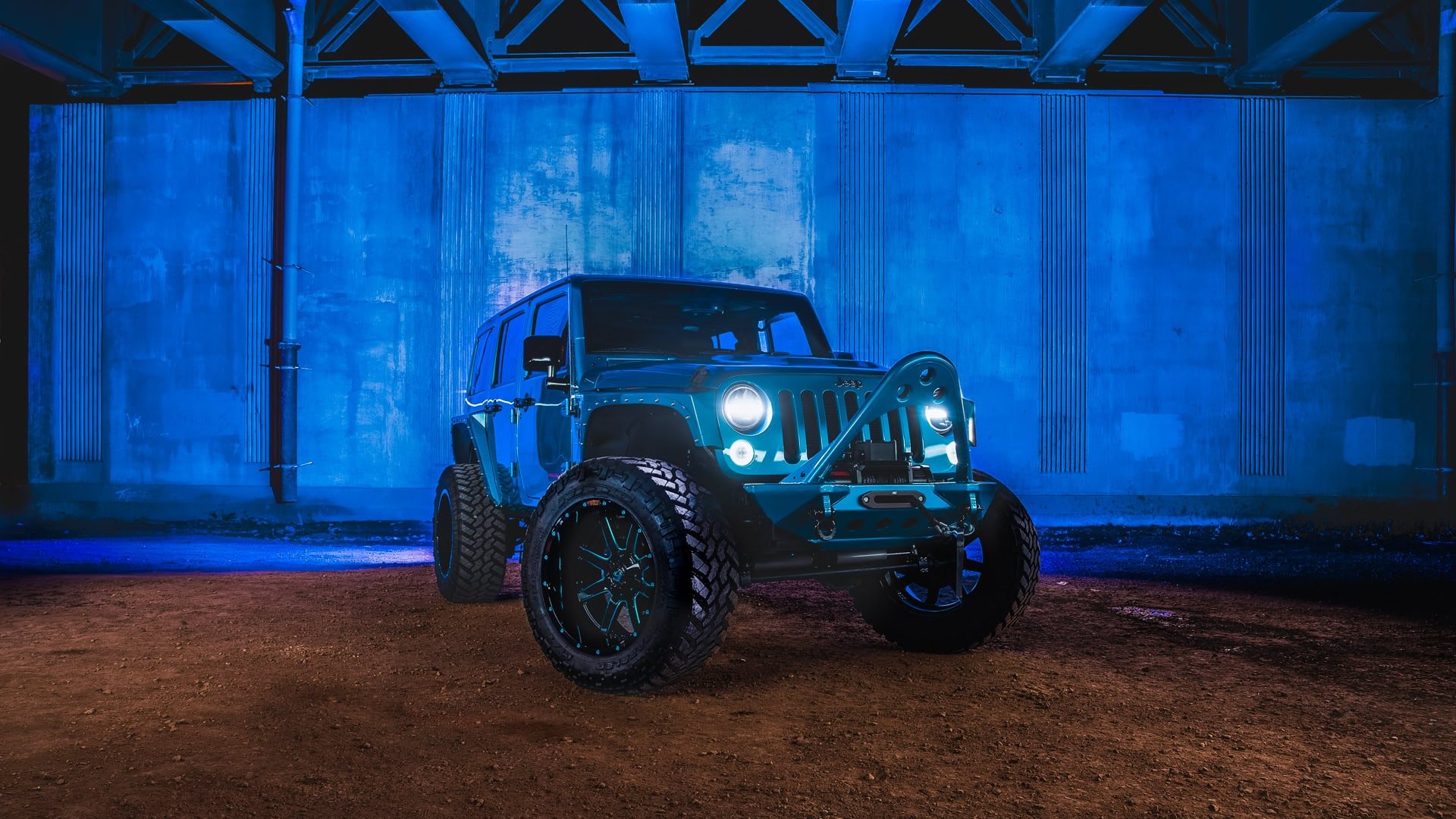
Best selling lifted trucks in New York


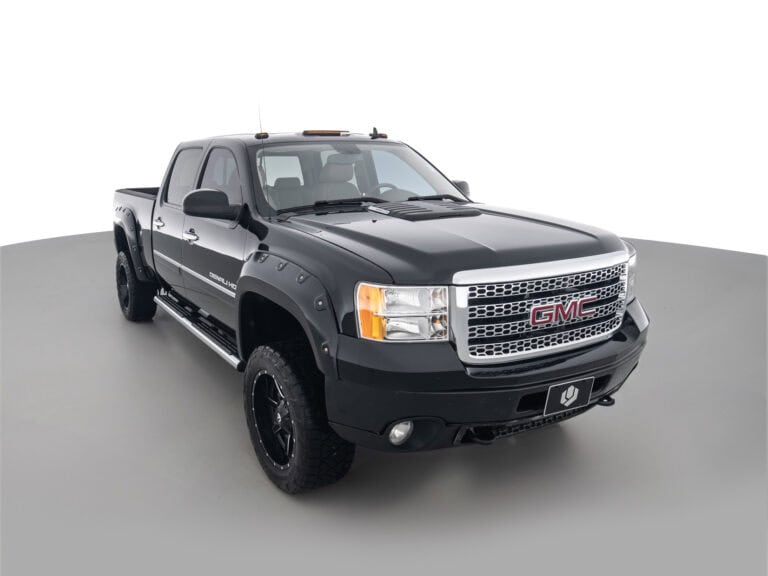

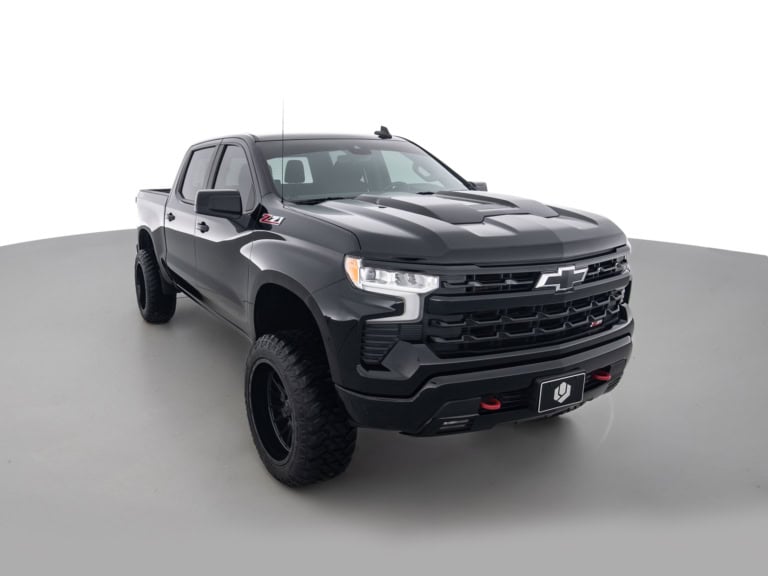


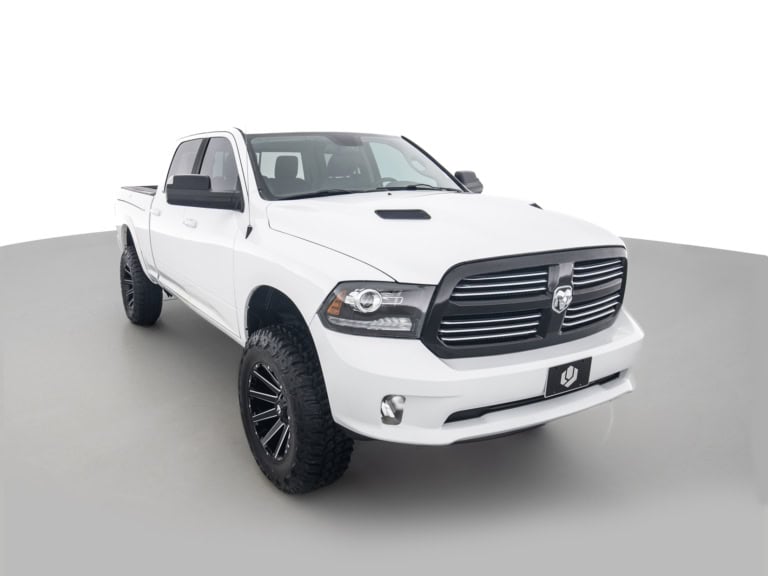


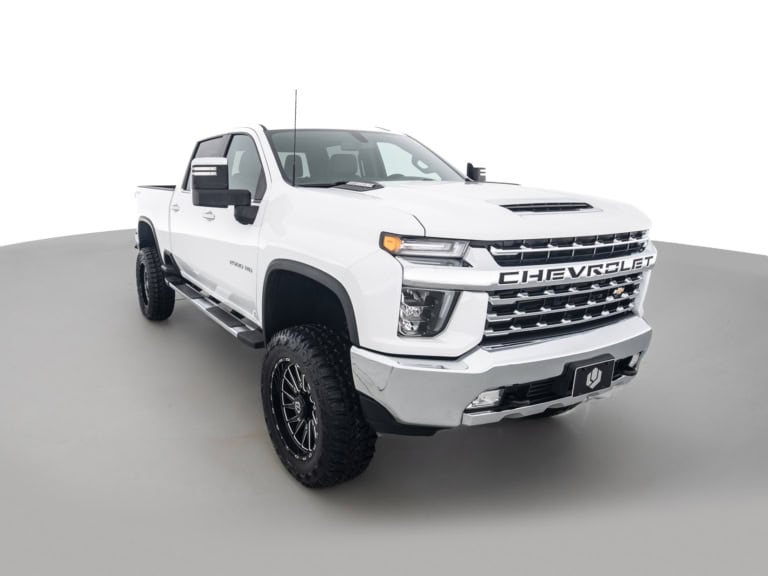


Buying a Lifted Truck in New York: What Local Buyers Should Know
New York is not one simple truck market. A lifted truck in Long Island, Westchester, Queens, Brooklyn, Staten Island, or the lower Hudson Valley has to deal with traffic, tight streets, winter salt, potholes, low-clearance routes, and busy parkways. A truck in Upstate New York may be used very differently, for snow, rural roads, lake houses, hunting land, work sites, mountain access, and long drives between towns.
That makes New York a state where the right setup matters. A lifted truck should have the stance you want, but it also needs to feel stable on I-87, I-90, I-81, I-84, I-86, the Thruway, local parkways where permitted, and the smaller roads that lead into the Adirondacks, Catskills, Finger Lakes, North Country, and Western New York.
Lifted Trucks Built for New York Roads, Snow, and Regional Driving
New York roads can be rough on modified trucks. Winter salt, lake-effect snow, freeze-thaw damage, potholes, narrow suburban streets, steep rural roads, and older bridges all make build quality important. A truck with poor steering geometry, tire rub, weak brakes, or an extreme setup can become difficult to live with quickly.
If you are near New York City, Long Island, Westchester, Rockland, or the Hudson Valley, you may care most about clean handling, braking confidence, parking practicality, visibility, and whether the truck feels manageable in traffic. If you are in Albany, Syracuse, Rochester, Buffalo, Binghamton, Utica, Watertown, Plattsburgh, or more rural areas, four-wheel drive, tire grip, corrosion condition, ground clearance, and winter road performance may matter more.
New York also has unique low-clearance concerns. NYSDOT notes that some bridges on the state parkway system have posted clearances as low as 6 feet 11 inches, and the parkway system was originally designed for automobiles, not commercial vehicles or larger truck traffic. Even if your personal pickup is not a commercial vehicle, a taller lifted build makes route awareness more important than it is in many states.
At Ultimate Rides, we can help New York buyers compare lifted trucks and SUVs based on how they will actually use them. Whether you are looking at a Silverado, Sierra, F-150, Ram, Tacoma, Tahoe, Yukon, Jeep, or another custom build, the goal is to find something that looks strong without becoming frustrating on New York roads.
Vehicle Inspections in New York
New York requires annual inspections, so inspection readiness should be part of the buying decision from the start. The DMV states that all vehicles registered in New York must receive a safety inspection once a year at a DMV-licensed inspection station, and most registered vehicles must be inspected for safety and emissions every 12 months.
For lifted truck buyers, that means the truck needs to be more than visually clean. Check the suspension, steering, brakes, tires, wheel fitment, lighting, mirrors, exhaust, emissions equipment, windshield condition, frame condition, and underbody corrosion. New York winters can be hard on brake lines, rocker panels, frames, suspension mounts, and other undercarriage components.
Diesel buyers should also be careful. The DMV notes that, depending on weight and registration location, a diesel-powered vehicle may need a diesel emissions inspection in addition to the yearly safety inspection.
Lifted Truck Regulations in New York
New York does not present lifted truck rules through a simple consumer pickup lift-height chart, so buyers should focus on the rules that clearly affect modified trucks: overall height, bumper protection, safe equipment, emissions equipment, lighting condition, mirrors, brakes, steering, and inspection compliance.
New York Vehicle and Traffic Law § 385 says the height of a vehicle, including its load, must not be more than 13 feet 6 inches. The same section also notes that owners and operators can be responsible for damage to highways, bridges, or highway structures when a vehicle over 13 feet high causes the damage.
Bumper and front/rear protection rules also matter. New York Vehicle and Traffic Law § 375 says passenger cars registered in New York must have front and rear bumpers with some part of the bumper located between 16 and 20 inches above the ground. For most 1990 or newer motor vehicles, if the front body clearance is more than 30 inches from the ground when empty, the front must have bumpers or similar devices with some part between 16 and 30 inches above the ground. A similar rear-end protection rule applies when the rear body or chassis clearance is more than 30 inches.
New York also requires motor vehicles operated on public highways to have adequate brakes and steering in good working order, a mirror or reflecting device that gives a clear rear view, and required emissions systems kept in working order where applicable. The state also prohibits removing or disabling required air pollution control equipment.
Before adding more lift, larger tires, aftermarket bumpers, wheel spacers, or exhaust changes, New York buyers should confirm that the final setup still works for annual inspection, bridge clearance, bumper protection, emissions equipment, and safe everyday use.
Registration and Taxes in New York
If you move to New York and become a resident, the DMV says you must register your vehicle in New York within 30 days. If you are already a New York resident and get a vehicle from another state that you will drive on New York roads, you must also register it in New York within 30 days.
New York registration fees vary by several factors, including vehicle weight, vehicle type, county of residence, fuel type, registration period, plate type, and vehicle use. The DMV also notes that original registration usually includes sales tax, a vehicle plate fee or registration transfer fee, a title certificate fee, vehicle use tax in most counties, and either a one-year or two-year registration fee depending on the registration class.
For first-time registration, New York DMV guidance lists a $25 standard plate fee and a $50 title certificate fee, with sales tax and county use tax handled based on the purchase and registration details. If New York sales tax was already paid, the DMV does not collect it again at registration, but buyers must bring acceptable proof. If the vehicle was purchased out of state, New York may allow credit for sales tax paid to another state when the proper form and proof are provided.
Pickup classification is also worth checking. New York DMV says passenger-class plates on a pickup truck do not change the registration fees, and the unladen weight of the pickup must be 6,000 pounds or less to be eligible for passenger-class plates.
Delivery to New York
New York delivery depends heavily on the final destination. A delivery to Buffalo, Rochester, Syracuse, Albany, Binghamton, Utica, or the Capital Region can often be planned around larger highway corridors. A delivery to Long Island, New York City boroughs, Westchester, the Hudson Valley, the Catskills, the Adirondacks, or the North Country may need more planning around traffic, tolls, low-clearance routes, tight roads, winter weather, and unloading space.
A 2 to 3 day delivery window is often possible once transport is scheduled, but New York is a state where the last few miles can matter. Dense neighborhoods, apartment buildings, narrow streets, low branches, steep driveways, lake roads, mountain routes, and winter conditions can all affect whether a carrier can unload directly at your address.
In busier areas, it may be easier to meet the carrier at a wide commercial lot, service plaza, shopping center, dealership-style lot, truck stop, or other open location near a main road. In rural or mountain areas, a nearby paved meeting point can be better than asking a transport truck to navigate a long private driveway or seasonal road.
Before the truck leaves, the team can confirm the expected timing, paperwork, and most practical unloading location for your part of New York.
Helpful Tools

We Ship Nationwide

Get to Know Us