Lifted Trucks in Rhode Island

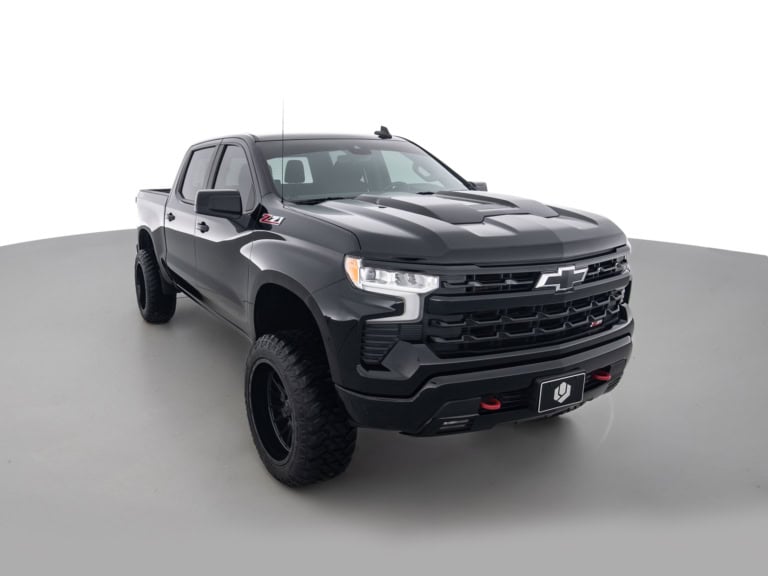
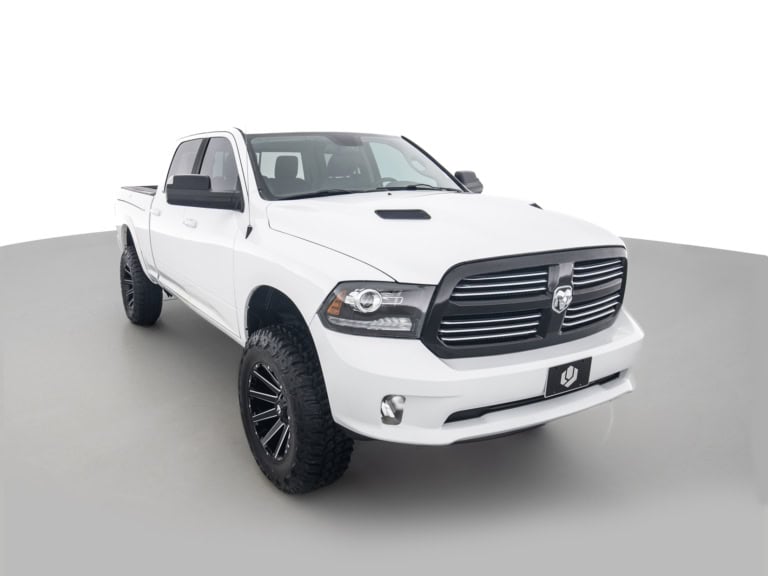
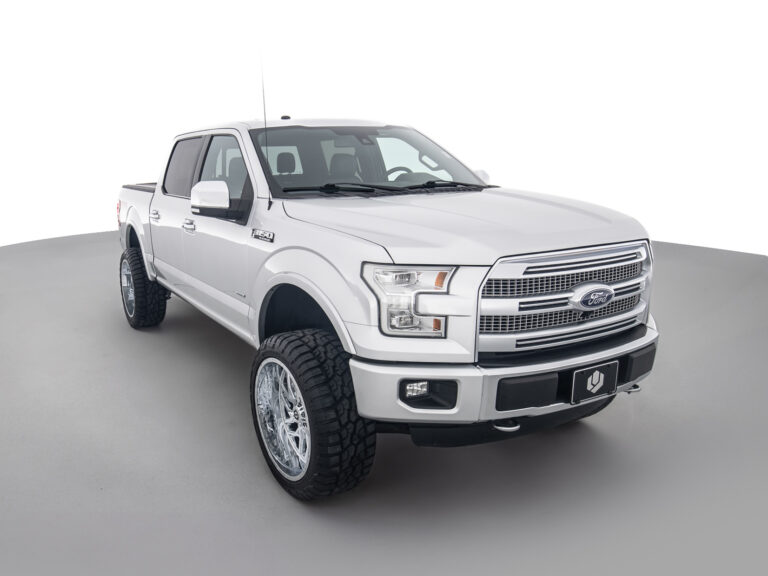
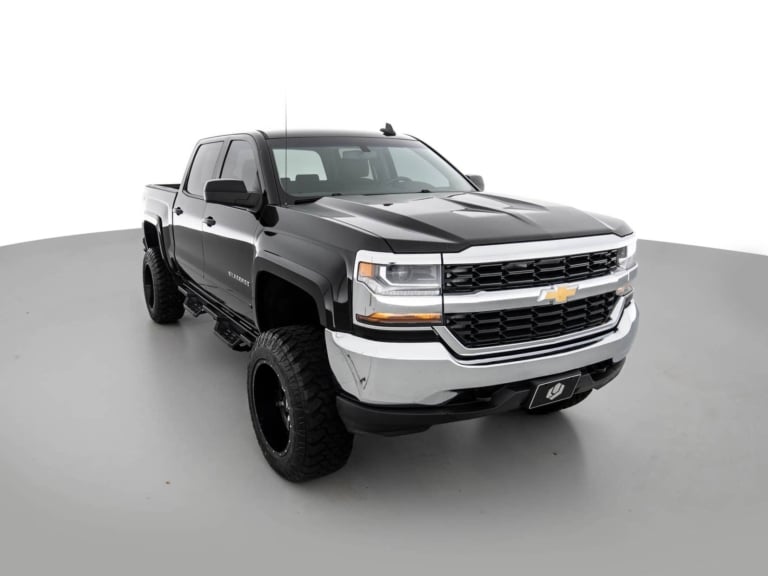
Best selling lifted trucks in Rhode Island







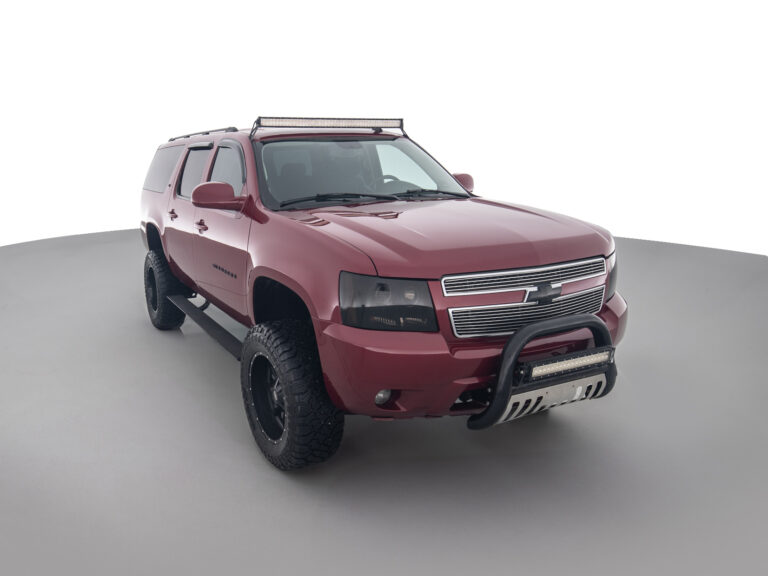


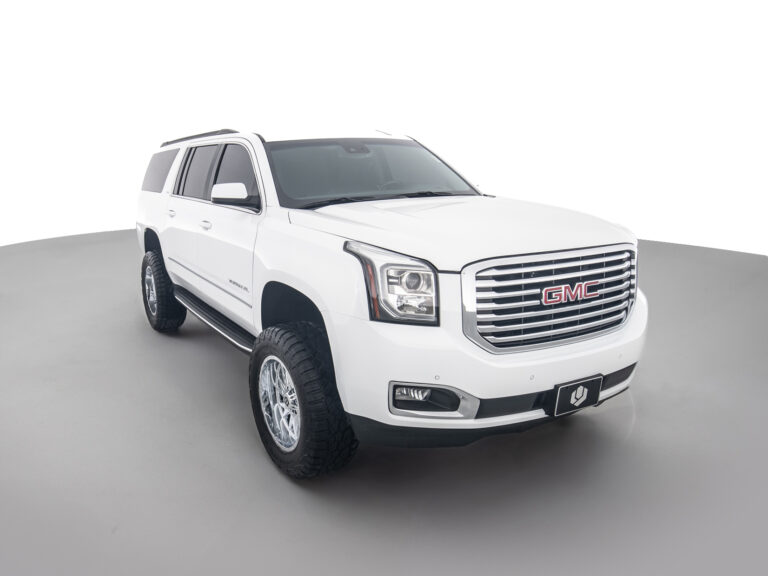


Buying a Lifted Truck in Rhode Island: What You Need to Know
Rhode Island is the smallest state in the country, but that doesn’t make a lifted truck any less useful here. Beach access driving along the South County coast – East Beach in Charlestown, Napatree Point, and the barrier beaches managed by the Coastal Resources Management Council – is permit-based truck territory where clearance and airing down are standard practice. The Pulaski State Forest and the northwest Rhode Island trail network near the Connecticut border offer wooded forest road driving with occasional technical sections. And for the practical reality of Rhode Island road life – potholed urban streets in Providence, rural two-tracks in the Chariho area, farm property access in Washington and Kent counties — a capable lifted truck is as useful here as anywhere in New England.
Rhode Island has a 4″ suspension lift limit and biennial combined safety and emissions inspections. Build within the rules, and there’s no issue running a serious lifted truck in the Ocean State.
Lifted Trucks Built for Rhode Island Roads and Terrain
Rhode Island’s off-road options are compact but real. East Beach State Beach in Charlestown is the state’s signature beach driving destination — a permit-required stretch of coastal barrier beach where trucks run alongside the surf, with tidal conditions that can test any build when the water comes in. The Pulaski Memorial State Forest in the northwest, near the Connecticut border, extends into a trail network that rewards forest road capability with wooded routes and the occasional muddy technical section. Burlingame State Management Area in Charlestown covers 3,100 acres of wooded terrain with varied surfaces. For drivers willing to cross into Connecticut – about 90 minutes from Providence – Cockaponset State Forest adds meaningful 4×4 trail options.
Beyond trail use, New England weather earns its reputation. Rhode Island winters bring ice, snow, and the kinds of road conditions where real clearance and four-wheel drive matter on the daily commute. A well-built lifted truck in Rhode Island works all year.
A 4″ suspension lift on an F-150 or RAM 1500 is the right starting point – capable for beach access and forest road use, within Rhode Island’s legal 4″ suspension cap, and practical on the daily commute. A 3–4″ leveling kit with an aggressive all-terrain or mud terrain tire upgrade on a Tacoma or Colorado is the popular choice for Providence and South County buyers who want capability without a full build. For anyone who regularly runs the coastal barrier beaches, a 285/70R17 or 305/65R17 all-terrain with good sidewall toughness handles sand and tidal conditions well.
Vehicle Inspections in Rhode Island
Rhode Island requires a combined safety and emissions inspection for most registered vehicles every two years, tied to registration renewal. Every gasoline-powered light-duty vehicle with a GVWR of 8,500 lbs or less must pass both a safety check and an OBD-II emissions scan at a state-authorized inspection station. The inspection fee is $55, which covers both components in a single visit. New vehicles are exempt for the first 24 months from purchase date or 24,000 miles, whichever comes first – so a truck purchased from Ultimate Rides won’t require its first inspection for two full years.
The safety portion of the inspection covers brakes, steering, suspension, tires, lighting, and body condition. For lifted trucks, this means bumper height – governed by GVWR-based limits – is checked every two years at renewal. A build that exceeds the legal bumper height will fail the safety inspection until corrected, so building within the limits from the start matters.
Vehicles 25 years old or older must still undergo inspection, but they cannot be failed solely for not meeting emissions standards – a practical grace for older classic builds.
All out-of-state vehicles being registered in Rhode Island require a VIN inspection from a local municipal police department before registration can be completed. This confirms the VIN matches the title and is not a safety or emissions check. Rhode Island began titling all vehicles as of January 1, 2024 — including model year 2000 and older vehicles that previously didn’t require a title – so out-of-state buyers should ensure their title paperwork is in order before the truck arrives.
Lifted Truck Regulations in Rhode Island
Rhode Island limits suspension lift kits to a maximum of 4 inches — a meaningful constraint compared to permissive states like Montana or Oklahoma, but comparable to Colorado and sufficient for capable daily use and beach or forest road access. There are no frame height limits, no body lift restrictions, and no bumper height caps specified in separate statute – but bumper height is evaluated relative to GVWR during the biennial safety inspection.
The GVWR-based bumper height limits enforced at inspection are: under 5,001 lbs allows 24 inches front and 26 inches rear; 5,001 to 7,000 lbs allows 27 inches front and 29 inches rear; 7,001 to 9,000 lbs allows 28 inches front and 30 inches rear; 9,001 to 11,000 lbs allows 30 inches front and rear. Most half-ton trucks – F-150, Silverado 1500, RAM 1500, Tundra — fall in the 5,001–7,000 lb range, giving a 27-inch front and 29-inch rear limit. A 4″ suspension lift on these trucks, with the right aftermarket bumper selection, stays comfortably within those limits. We verify bumper height compliance on every truck shipped to Rhode Island.
Headlights are limited to 54 inches from the ground; tail lights are capped at 72 inches. Fenders must cover the tires, and lighting must be properly aimed after any lift installation.
Registration & Taxes in Rhode Island
Rhode Island charges a 7% state sales tax on vehicle purchases — one of the higher rates in New England — applied to the purchase price minus any trade-in value. There are no additional local or county vehicle sales taxes; the 7% rate is uniform statewide. Sales tax is paid at the DMV at the time of registration and titling, or can be paid in advance through the Rhode Island Division of Taxation. If you don’t pay by the 20th of the month following the sale, interest and penalties begin to accrue. For out-of-state purchases from Ultimate Rides, the full 7% applies upon Rhode Island registration unless sales tax was already collected and can be documented — credit is given for taxes paid to the selling state.
Registration fees are based on GVWR in Rhode Island, charged for two-year periods. A standard light-duty truck in the typical 5,000–7,000 lb range carries a two-year base registration fee in the range of $80–$120 depending on weight, plus a DOT surcharge of $20 per year ($40 for a two-year registration) and a one-time $3.50 technology surcharge per transaction. Title fees vary by vehicle but are generally modest. Rhode Island’s biennial inspection and registration cycle means these costs come together at the same time every two years.
New residents have 30 days to register their vehicle after establishing Rhode Island residency. Registration is handled through the Rhode Island DMV, with offices in Cranston and Providence.
Delivery Available Anywhere in Rhode Island
Ultimate Rides delivers lifted trucks across Rhode Island – from Providence and Warwick to Newport, Westerly, Woonsocket, and every corner of the smallest state in the country.
Most deliveries arrive within 2–3 business days. Given Rhode Island’s compact geography, timing is typically on the shorter end of that window for most addresses. The most logistically distinct delivery situations involve South County coastal properties and rural Washington County addresses where road access can be narrow – if your delivery requires any special coordination, let us know at purchase.
Rhode Island’s VIN inspection requirement means your truck needs a police department VIN check before DMV registration can be completed. The inspection is quick and can typically be scheduled within a day or two of your truck’s arrival. We ship with all title documentation to make that step straightforward.
The biennial safety and emissions inspection is due within two years of your truck’s first Rhode Island registration – or from the purchase date, since new vehicles are exempt for 24 months. We’ll make sure your build is within bumper height limits from day one so there are no surprises at that first inspection.
Rhode Island drivers know tough roads – get a truck that knows them better
Helpful Tools

We Ship Nationwide

Get to Know Us