Lifted Trucks in Tennessee
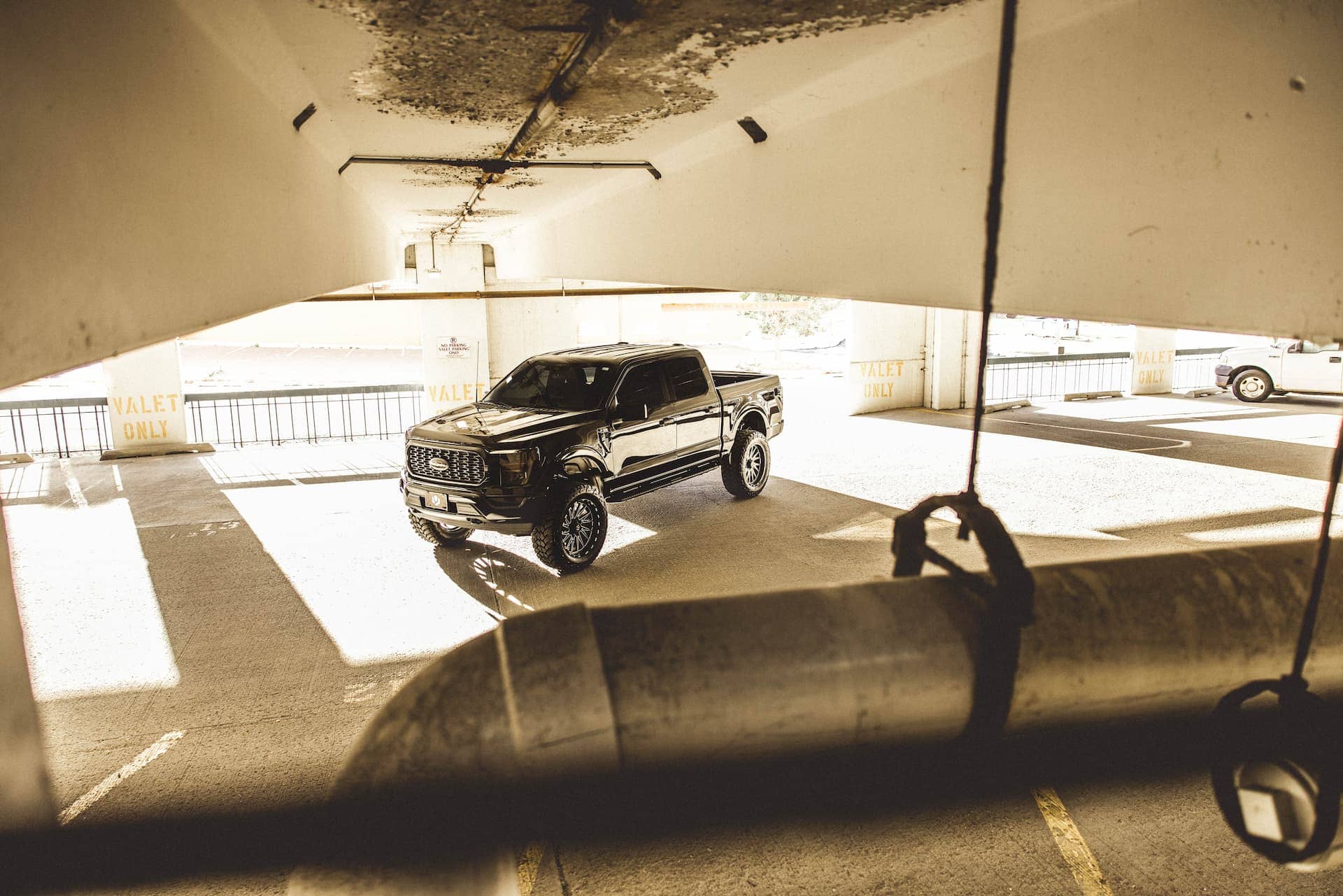
Best selling lifted trucks in Tennessee
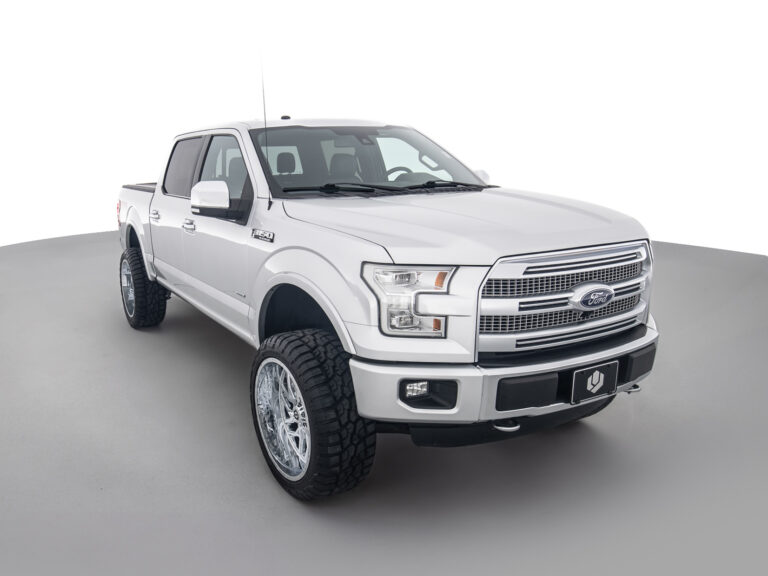


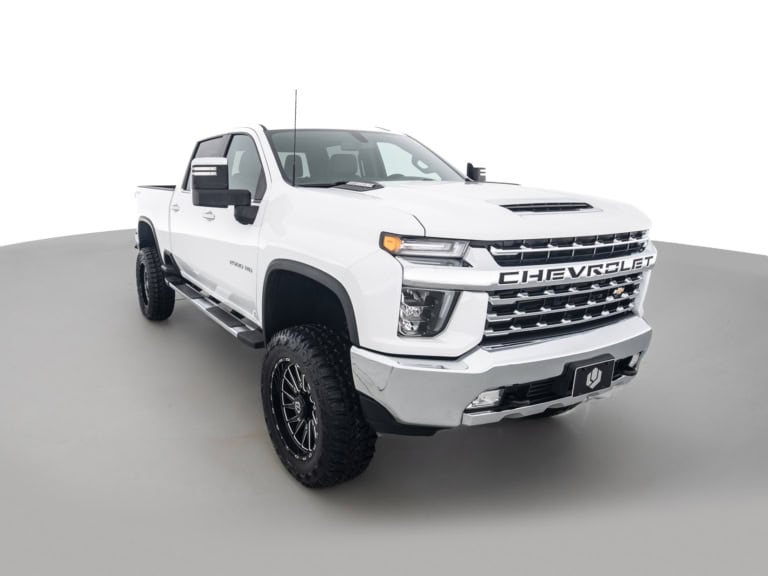


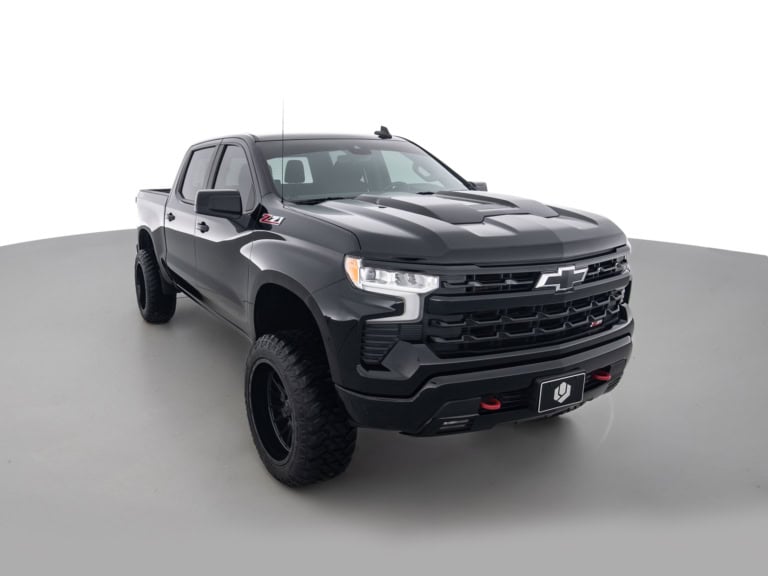
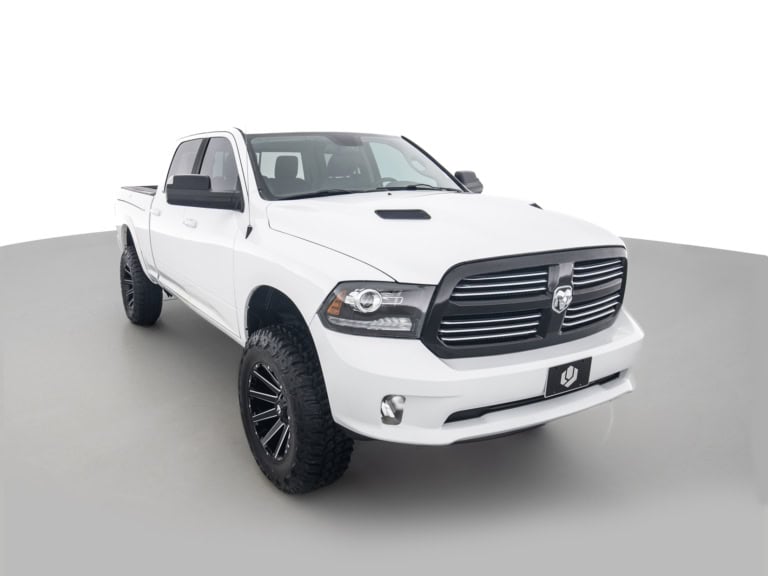


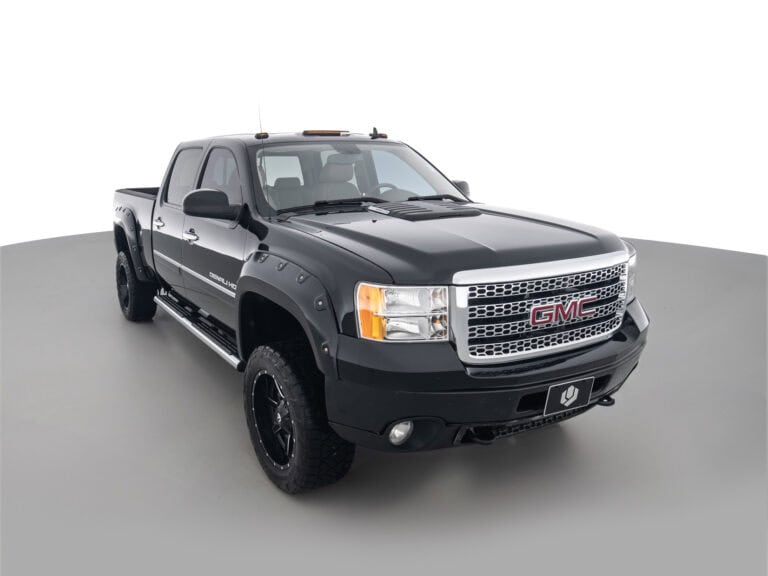


Buying a Lifted Truck in Tennessee: What You Need to Know
Tennessee is one of the best states in the country for lifted truck ownership, and the terrain makes the case clearly. Windrock Park near Oliver Springs covers 73,000 acres with over 300 miles of trails — steep climbs, boulder sections, water crossings, and technical rocky routes that make it one of the premier off-road destinations in the entire South. The Cherokee National Forest stretches 660,000 acres across East Tennessee’s Appalachian spine, with forest service roads, high-clearance mountain routes, and the Tellico area’s extensive backcountry network. Brimstone Recreation in Huntsville, Doe Mountain Recreation Area near Mountain City, and a strong culture of weekend trail riding across the mountain counties all reinforce that lifted trucks here are a lifestyle, not just a vehicle choice.
Tennessee has GVWR-based bumper height limits and a body lift cap, but no emissions testing anywhere in the state and no annual safety inspection for personal vehicles. Build within the rules, and Tennessee rewards you with some of the best truck terrain in the region.
Lifted Trucks Built for Tennessee Roads and Terrain
East Tennessee defines the state’s off-road identity. The Southern Appalachians deliver the full range – rocky creek crossings and tight wooded trails in the Cherokee National Forest’s Tellico area, serious technical rock crawl at Windrock’s boulder sections and steep ridge lines, high-elevation mountain forest roads with 3,000-foot elevation gains, and the accessible but rewarding Citico Creek and Harmon Den area forest roads that reward capable trucks without demanding a purpose-built rig. Middle and West Tennessee bring agricultural flatlands, hunting property access roads, and the kind of red clay rural county routes that need real clearance in spring mud season.
Vehicle Inspections in Tennessee
Tennessee is one of the cleaner states in the country on vehicle inspections – no annual safety inspection is required for personal passenger vehicles, and the statewide emissions testing program was shut down entirely in 2022.
Tennessee’s emissions testing program, which had previously required annual testing in six counties – Davidson (Nashville), Hamilton (Chattanooga), Rutherford, Sumner, Williamson, and Wilson – ended on January 14, 2022 after the EPA approved a revision to Tennessee’s air quality plan. As of that date, no vehicle owner in Tennessee must pass an emissions test or smog check to register or renew their vehicle. This applies to all 95 counties with no exceptions – including the six counties that formerly required testing. Davidson County (Nashville) briefly continued independently but has also ended its program.
There is also no periodic safety inspection requirement for standard personal passenger vehicles. When registering an out-of-state vehicle in Tennessee (like a truck from Ultimate Rides), no inspection is required — you complete the title transfer at your county clerk’s office and pay applicable taxes and fees. New residents are expected to register within 30 days of establishing Tennessee residency.
Lifted Truck Regulations in Tennessee
Tennessee’s lift laws are specific and worth knowing clearly before you build. The state regulates frame height by GVWR, sets a 4-inch body lift cap, bans front lift blocks, and effective July 1, 2024 has added a squat ban.
Under Tennessee Code § 55-9-215, frame height limits are set by GVWR as follows: vehicles under 4,500 lbs GVWR may not have a frame height exceeding 24 inches; vehicles from 4,501 to 7,500 lbs GVWR are limited to 26 inches; vehicles from 7,501 to 10,000 lbs GVWR are limited to 28 inches. Frame height is measured from the ground to the lowest point of the frame directly below the centerline of the steering wheel. Most half-ton trucks – F-150, Silverado 1500, RAM 1500, Tundra — fall in the 4,501–7,500 lb range, giving a 26-inch frame height limit. A well-built suspension lift on these trucks, typically 4–5 inches, stays within that range depending on factory frame height.
Bumper height limits follow the same GVWR tiers: under 4,500 lbs allows 24 inches front and 26 inches rear; 4,501–7,500 lbs allows 27 inches front and 29 inches rear; 7,501–10,000 lbs allows 28 inches front and 30 inches rear. 4×4 vehicles have a maximum bumper height of 31 inches from a separate provision.
The body lift cap is 4 inches – no person shall operate a vehicle with a distance greater than 4 inches between the body floor and the top of the frame rail. Front lift blocks are banned entirely; any drop bumper used to bring bumper height back into compliance must be bolted and welded to the frame with strength equal to a stock bumper.
Tennessee’s squat ban, effective July 1, 2024, prohibits any vehicle – cars or trucks – from being operated where the front fender is 4 or more inches higher than the rear fender by any means of alteration. Properly lifted trucks raised evenly are entirely unaffected. Every truck we ship to Tennessee is measured for frame height, bumper height, and body lift compliance before it leaves our facility.
Registration & Taxes in Tennessee
Tennessee’s vehicle sales tax structure is somewhat unique nationally in that it uses a three-tier rate system that caps local and single-article taxes at specific amounts rather than applying a flat combined rate across the full purchase price.
The state sales tax rate on vehicle purchases is 7%. On top of that, the local county tax – which varies by county and city, typically between 2.0% and 2.75% — applies only to the first $1,600 of the taxable purchase price, not the full amount. Additionally, Tennessee imposes a “single article” tax of 2.75% that applies to the portion of the price between $1,600 and $3,200 only. What this means in practice: on a $45,000 truck, you pay 7% state tax on the full $45,000, but the combined local taxes are effectively capped on a very small portion of the total. Trade-in value reduces the taxable purchase price before the 7% state tax is calculated.
For out-of-state purchases (like from Ultimate Rides): if sales tax was paid in the state of purchase, Tennessee provides credit for that amount. If the rate paid was lower than Tennessee’s 7%, you pay the difference at registration.
Registration fees in Tennessee are handled through the county clerk rather than a centralized DMV. The base state registration fee is $26.50 annually. Each county adds a wheel tax that varies by county – Nashville/Davidson County, for example, charges $55 in wheel tax annually, while other counties range from around $10 to $55. The total initial registration cost in most counties runs approximately $70–$85, including plate, title, and wheel tax. The title fee is approximately $11.
Delivery Available Anywhere in Tennessee
Ultimate Rides delivers to every part of Tennessee — from Memphis and Nashville in the west and center to Knoxville, Chattanooga, and the mountain counties of East Tennessee.
Helpful Tools

We Ship Nationwide

Get to Know Us