Lifted Trucks in Texas

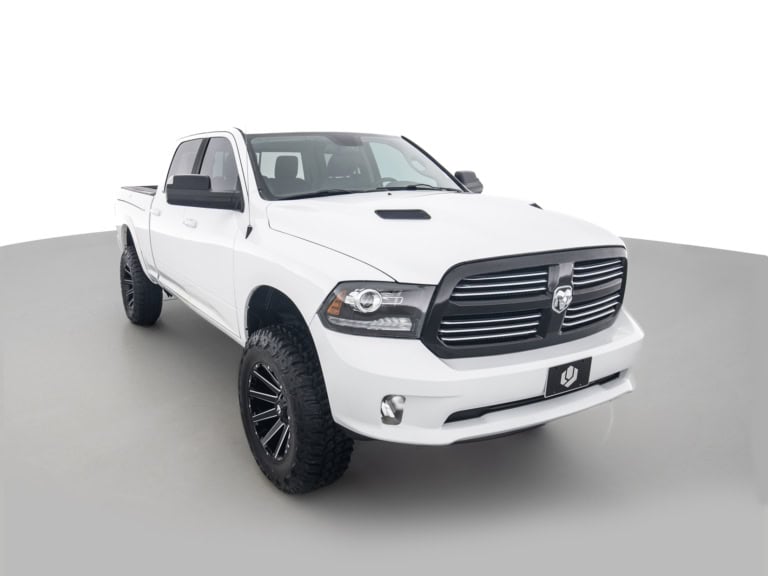
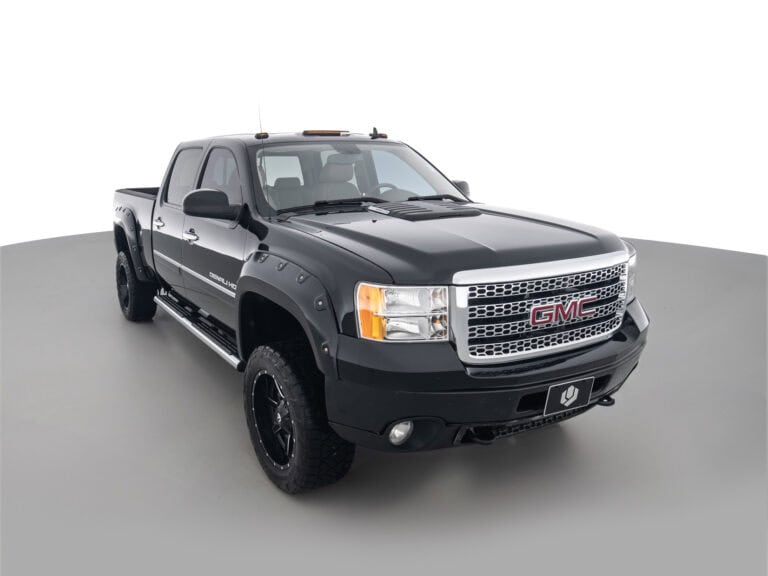
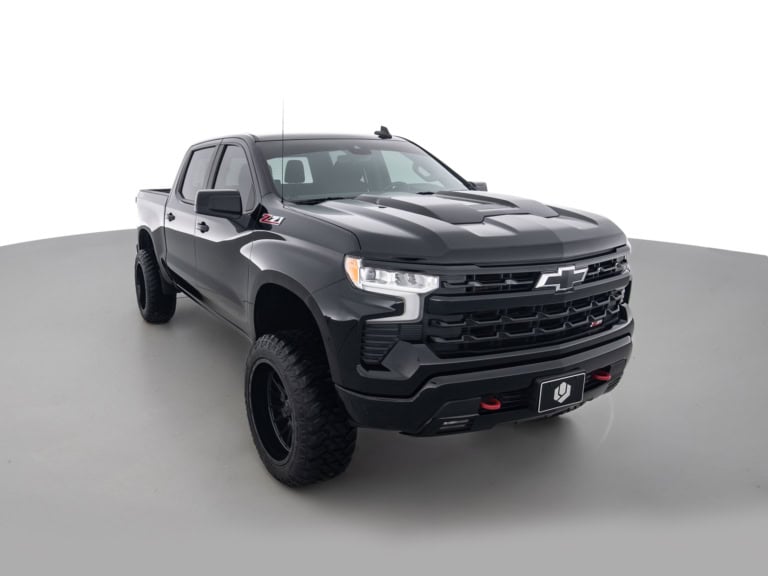
Best selling lifted trucks in Texas






Buying a Lifted Truck in Texas: What You Need to Know
Texas is the lifted truck capital of the country, and the terrain justifies every inch of clearance. Big Bend National Park delivers some of the most demanding and beautiful off-road terrain in North America — Black Gap Road, Old Ore Road, and the Chihuahuan Desert two-tracks that require real 4×4 capability and self-reliance. Hidden Falls Adventure Park near Marble Falls runs 2,000 acres of trails an hour from Austin, ranging from beginner creek beds to serious technical rock climbs. Barnwell Mountain in East Texas puts 1,800 acres of pine forest trails 120 miles from Dallas. The Texas Hill Country Overland Route winds 191 miles through ranchland, creek crossings, and rolling hills near Llano. And across the rest of the state – ranch roads in South Texas brush country, oil field access tracks in the Permian Basin, coastal terrain along Boca Chica and Padre Island – a lifted truck is simply how you get around.
Texas has no lift laws, and as of January 2025 it eliminated annual safety inspections for non-commercial vehicles. Emissions testing continues in the major metro counties. For most Texas truck owners, the regulatory environment is about as open as it gets.
Lifted Trucks Built for Texas Roads and Terrain
Texas terrain spans more diversity than most countries. West Texas and the Trans-Pecos deliver technical desert driving – volcanic rock, sand washes, high desert mesa trails, and the dramatic elevation changes of Big Bend’s Chisos and Chihuahuan landscapes. The Texas Hill Country mixes limestone rock, cedar brake ranch roads, creek crossings, and rolling terrain that rewards clearance and a capable suspension. East Texas brings pine forest and red clay mud, typified by Barnwell Mountain and the Sabine National Forest access roads. South Texas ranch and brush country demands a truck that can navigate caliche two-tracks, send gates, and the kind of rough ranch road that no stock suspension handles well over time.
Vehicle Inspections in Texas
Texas eliminated the annual safety inspection for non-commercial vehicles as of January 1, 2025, under House Bill 3297, signed by Governor Abbott in 2023. This ended the long-running Texas Vehicle Safety Inspection Program for personal cars, trucks, and SUVs. No brakes check, no lights check, no safety sticker – the inspection station visit is gone for most Texas drivers.
In its place, all non-commercial vehicles now pay a $7.50 inspection program replacement fee at annual registration renewal. New vehicles pay $16.75 upfront at initial registration to cover the first two years.
Emissions testing, however, remains in place for vehicles registered in 17 designated major metro counties. The counties currently requiring annual emissions testing are: Brazoria, Collin, Dallas, Denton, Ellis, El Paso, Fort Bend, Galveston, Harris, Johnson, Kaufman, Montgomery, Parker, Rockwall, Tarrant, Travis, and Williamson. Bexar County (San Antonio area) will be added in November 2026. If your truck is registered in any of these counties, you must pass an OBD-II emissions test annually before registration renewal can be completed. The test costs $18.50 in the Dallas-Fort Worth and Houston areas, and $11.50 in the El Paso, Travis, and Williamson county areas. The test evaluates emissions control systems — not vehicle height, lift kit installation, or tire size.
If you’re registering a truck purchased from Ultimate Rides for the first time in Texas, there is no safety inspection to pass – just the title transfer, tax payment, and the $7.50 replacement fee. If you’re in an emissions county, the OBD-II test must be completed before registration is finalized.
Lifted Truck Regulations in Texas
Texas has no limitations on vehicle height. There are no suspension lift laws, no frame height restrictions, no body lift caps, and no bumper height requirements for personal trucks. Texas residents are free to install lift kits of any height, aftermarket wheels and tires, performance shocks, aftermarket bumpers, and grille guards without any state-mandated ceiling.
The only dimensional constraints that apply to all vehicles are the standard maximum dimensions: 13.5 feet tall and 45 feet long. No lifted pickup truck comes anywhere near those limits.
Lighting requirements follow standard federal guidelines: headlights must be functional and properly aimed, and tail lights must be working. There is no specific height cap for headlights in Texas law, though proper headlight aim after any significant lift is always good practice and a safety consideration.
The practical summary: in Texas, build as tall as your truck can handle. The state won’t stop you.
Registration & Taxes in Texas
Texas charges a 6.25% motor vehicle sales tax on vehicle purchases. For dealer sales, the tax is calculated on the purchase price. For private-party sales — and this is a Texas-specific rule worth knowing — the tax is calculated on the greater of the purchase price or 80% of the vehicle’s Standard Presumptive Value (SPV), which is the state’s estimate of fair market value based on comparable Texas sales data. If you buy a truck at a below-market price in a private sale and the actual purchase price is less than 80% of the SPV, you’ll pay tax on the SPV minimum rather than what you paid. The SPV lookup tool is available on the TxDMV website and worth checking before any private transaction.
For purchases from out-of-state dealers like Ultimate Rides, the 6.25% applies to the purchase price at the time of Texas registration. If tax was paid in the state of purchase, Texas credits that amount – you pay only the difference if Texas’s rate is higher.
New Texas residents transferring a vehicle they already own from another state pay a flat $90 new resident tax rather than the full 6.25% on vehicle value — a meaningful savings for anyone moving to Texas with a higher-value truck already in hand.
Registration fees are weight-based. Light trucks and passenger vehicles under 6,000 lbs pay a base annual registration fee of $50.75. Heavier trucks from 6,001 to 10,000 lbs pay $54. The title fee is $33. County fees are added on top and vary by county. Total initial registration typically runs $90–$120 in most Texas counties, not including sales tax.
Registration and titling are handled through the county tax assessor-collector’s office, not a centralized state DMV. New residents have 90 days to register their vehicle after establishing Texas residency.
Delivery Available Anywhere in Texas
Ultimate Rides delivers to every corner of Texas — from Houston, Dallas, and San Antonio to Austin, El Paso, Lubbock, Amarillo, and every rural county across the state’s 268,000 square miles.
Most deliveries arrive within 2–3 business days. Major metros — Houston, Dallas-Fort Worth, San Antonio, Austin — typically land on the shorter end of that window. West Texas and the Trans-Pecos, the far Panhandle, deep South Texas ranch country, and remote rural addresses in the Hill Country or East Texas can be closer to 3 days depending on carrier routing and distance from major transport corridors.
Texas has some of the most logistically varied delivery addresses in the country – urban driveways in Houston or Dallas, ranch properties accessed by private caliche road in Duval or Webb County, remote West Texas addresses an hour from the nearest paved highway. If your property requires specific drop-off coordination, let us know at purchase and we’ll work it out.
Helpful Tools

We Ship Nationwide

Get to Know Us