Lifted Trucks in Utah
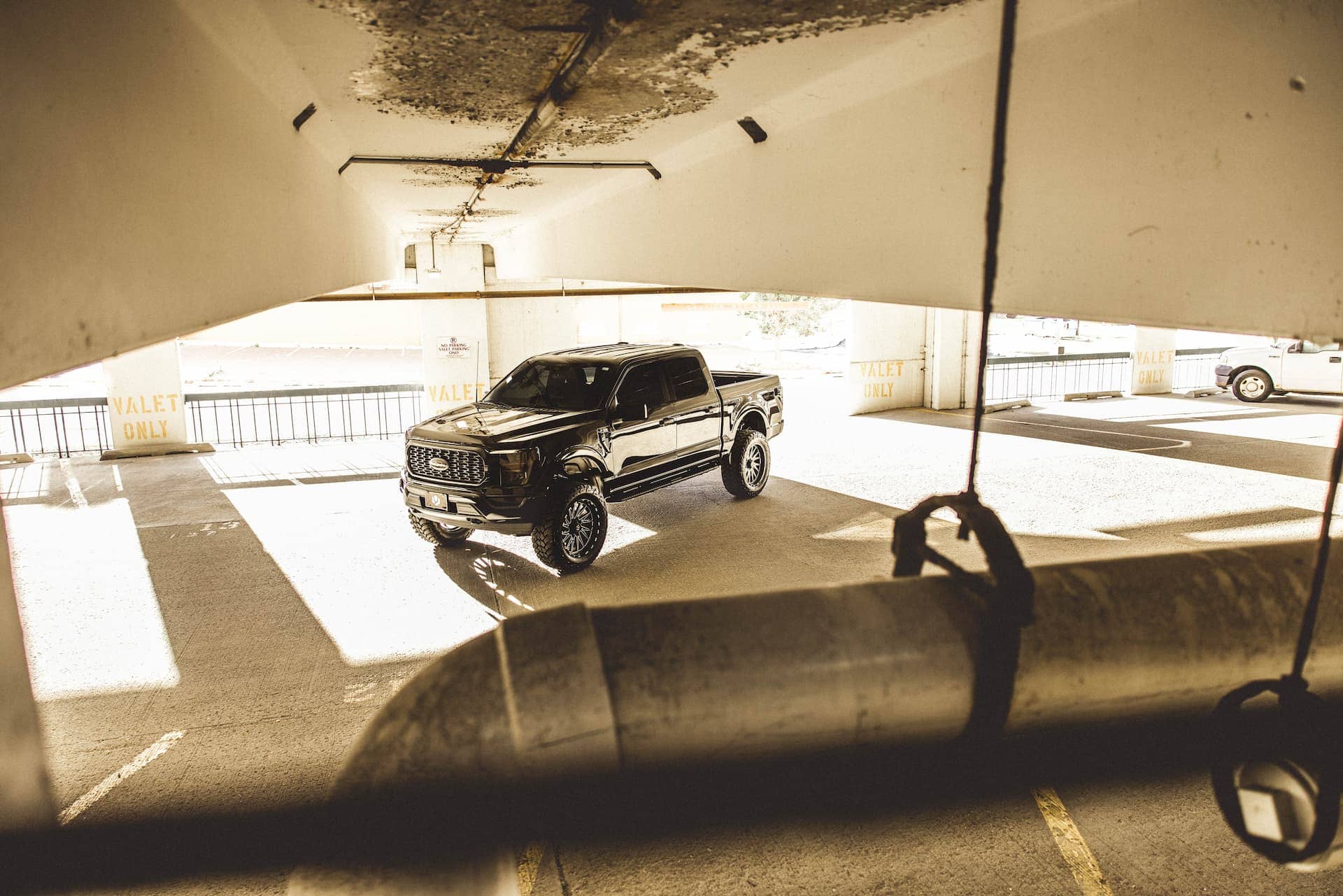
Best selling lifted trucks in Utah




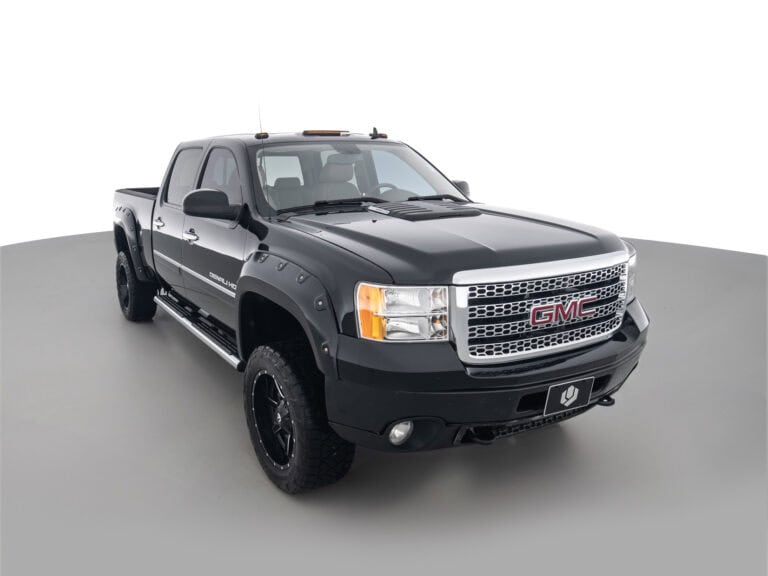


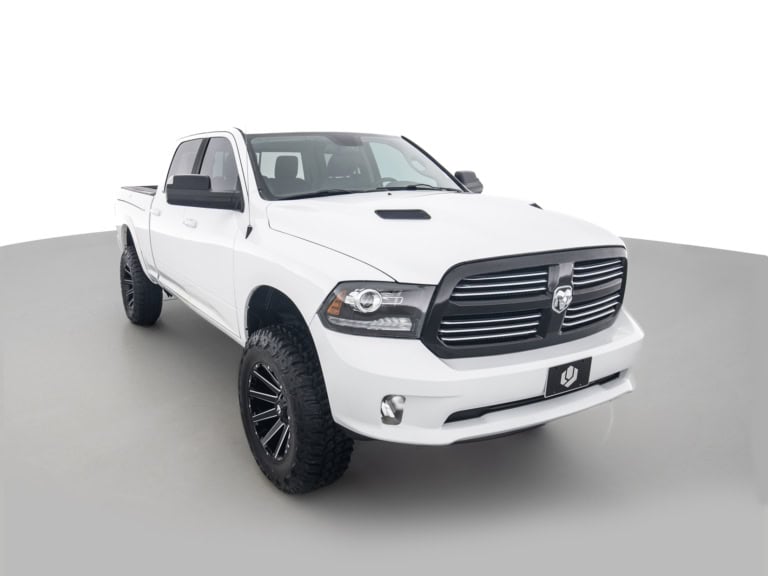


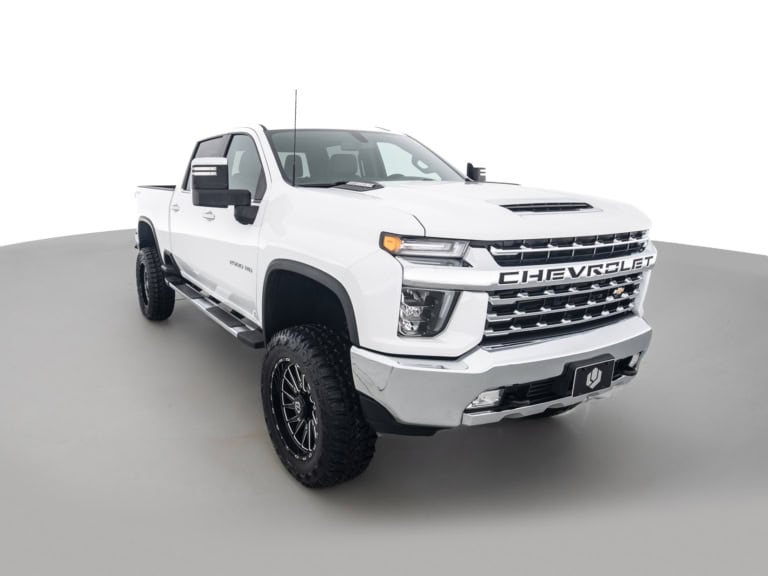

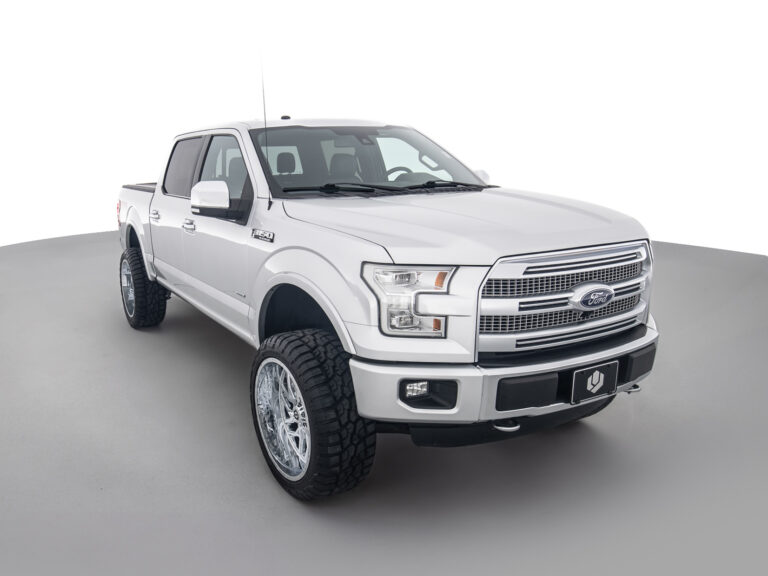


Buying a Lifted Truck in Utah: What You Need to Know
Utah is the off-road capital of the world, and Moab is the address that proves it. Hell’s Revenge, Fins & Things, Metal Masher, Poison Spider Mesa, the 100-mile White Rim Trail around Island in the Sky — the Moab trail system draws enthusiasts from every corner of the country and tests every component of a lifted build from the first ledge to the last slickrock descent. Beyond Moab, southeastern Utah is called the off-highway vehicle capital of the world for good reason: the San Rafael Swell’s canyon and mesa terrain, the Canyonlands backcountry, Capitol Reef’s Cathedral Valley access roads, and the Manti-La Sal National Forest’s mountain routes give Utah more world-class trail terrain per square mile than anywhere else in the country. In northern Utah, the Wasatch Back, the Uinta Mountains, and the high desert terrain surrounding St. George and Cedar City round out a state where a capable lifted truck isn’t a luxury – it’s the price of admission.
Utah has GVWR-based frame height limits, a 3-inch body lift cap, a front lift block ban, and a meaningful emissions program in the Wasatch Front counties. Build within the rules, and Utah gives you access to some of the finest truck terrain on earth.
Lifted Trucks Built for Utah Roads and Terrain
Utah’s terrain is defined by red rock, slickrock, and sandstone — and the Moab area specifically. The technical trails around Moab demand maximum articulation, real suspension travel, rock sliders, and a truck built to handle steep ledge climbs and precision line-choice over sandstone shelves. Hell’s Revenge and Metal Masher are not beginner routes, and they’re not places for a stock truck regardless of tire size. The White Rim Trail is more accessible but still requires a capable 4×4, adequate fuel range, and a truck that can handle 100 miles of remote desert with no outside support available.
Away from Moab, Utah rewards a more versatile build. The San Rafael Swell’s canyon roads, Coal Wash, Fix-it Pass, and the Black Dragon Wash area put a premium on high clearance and good tires over sheer technical rock capability. The Uinta Mountains and the trails of Fishlake and Manti-La Sal National Forests are high-elevation mountain driving where the challenge is altitude, seasonal conditions, and access road quality rather than technical rock obstacles. For northern Utah daily drivers in Salt Lake or Utah Valley who use the Wasatch Back on weekends, a modest lift that clears the seasonal mountain roads is exactly right.
Vehicle Inspections in Utah
Utah eliminated safety inspections as a registration requirement for most personal vehicles in January 2018. As of that date, the vast majority of passenger cars and trucks no longer need a safety inspection to register or renew registration. Safety inspections are still required for commercial vehicles and rebuilt/salvage vehicles receiving a new title, but standard personal truck registration in Utah does not require one.
Emissions testing, however, remains required in five northern Utah counties with air quality challenges: Salt Lake, Davis, Weber, Utah, and Cache counties. These are the most populated counties in the state – covering Salt Lake City, Provo, Ogden, and the broader Wasatch Front metro area. If your truck is registered in any of these five counties, you must pass an emissions test as part of registration renewal.
The testing schedule varies slightly by county, but the core structure is: gasoline vehicles six model years old or newer are tested every two years (even model years in even years, odd model years in odd years); vehicles older than six model years test annually. New vehicles are exempt for the first two model years. The test is an OBD-II scan that checks emissions control systems — not vehicle height, lift kit installation, or modifications. A properly built lifted truck with intact emissions hardware passes the same as any stock vehicle. Test costs run approximately $25–$35.
If you’re outside the five emissions counties – which covers the entire southern half of the state, including Moab, St. George, Cedar City, Richfield, and all of rural Utah – there is no emissions test and no safety inspection required. Registration is straightforward.
When registering an out-of-state vehicle in Utah, a VIN inspection is required at the DMV. This is not a safety or emissions check — it confirms the vehicle’s identity. New residents have 60 days to register after establishing Utah residency.
Lifted Truck Regulations in Utah
Utah regulates vehicle frame height by GVWR, caps body lifts at 3 inches, bans front lift blocks, and requires a one-piece rear lift block if installed. There is no specific suspension lift height limit beyond what the resulting frame height implies.
Frame height limits under Utah Code are: vehicles under 4,500 lbs GVWR may not have a frame height exceeding 24 inches; 4,501 to 7,500 lbs GVWR allows up to 26 inches; 7,501 to 10,000 lbs GVWR allows up to 28 inches. Frame height is measured from the ground to the lowest point of the frame directly below the steering wheel centerline. Most half-ton trucks — F-150, Silverado 1500, RAM 1500, Tundra — fall in the 4,501–7,500 lb range, giving a 26-inch frame height ceiling. A quality 4–5″ suspension lift on these trucks, depending on the factory frame height, typically stays within or close to that limit — we verify this for every truck shipped to Utah.
The body lift cap is 3 inches — the lowest portion of the vehicle’s floor cannot be more than 3 inches above the top of the frame rail. Front lift blocks are prohibited entirely. Rear lift blocks are permitted but must be made of one piece. Bumpers are required front and rear, must be at least 4.5 inches tall, and must be centered on the vehicle’s centerline and extend no less than the width of the wheel track. If a truck’s track width has been modified, fenders and mud flaps must be extended to cover the full width of the tires.
Headlights must not exceed 54 inches from the ground. Overall vehicle height is capped at 14 feet. We measure frame height, body lift, and bumper compliance on every truck we ship to Utah.
Registration & Taxes in Utah
Utah’s vehicle registration cost structure has two main components that together determine most of what you pay: the Uniform Age-Based Fee and the standard base registration fee, on top of the sales tax at purchase.
The Uniform Age-Based Fee functions as Utah’s replacement for a personal property tax on vehicles and is the largest registration charge for newer trucks. It decreases as the vehicle ages: for vehicles under 3 years old the fee is $150; 3–6 years old, $110; 6–9 years, $80; 9–12 years, $50; 12 or more years, $10. These are annual charges paid at each registration renewal.
The base annual registration fee for passenger vehicles and trucks under 12,000 lbs gross laden weight is $44 – a straightforward flat rate regardless of weight within that class.
Sales tax on vehicle purchases in Utah varies by county. The state base rate is 4.85%, with local county and city taxes added on top. The combined rate across Utah ranges from approximately 6.1% in some rural unincorporated areas to as high as 9.55% in certain resort communities. The statewide average combined rate is approximately 7.2%. The rate applied is based on where you register the vehicle, not where it was purchased. Trade-in value reduces the taxable purchase price before sales tax is calculated.
For out-of-state purchases (like from Ultimate Rides): Utah’s use tax applies at the same combined rate as the sales tax. Credit is given for sales tax paid to the selling state.
The title fee in Utah is modest at $6. Registration is handled through the Utah DMV; new residents must register within 60 days.
Delivery Available Anywhere in Utah
Ultimate Rides delivers to all of Utah – from Salt Lake City and Provo to St. George, Cedar City, Moab, Price, and every rural county across the state.
Most deliveries arrive within 2–3 business days. The Wasatch Front (Salt Lake, Provo, Ogden) lands on the shorter end of that window. Moab, St. George, Cedar City, and the rural south and southeast typically take closer to 3 days. Some of the most memorable addresses in Utah – remote canyon properties outside Moab, ranch addresses in San Juan County, properties along forest access roads in the Uinta Basin – occasionally require specific drop-off coordination. Let us know your access situation at purchase and we’ll sort it out.
Helpful Tools

We Ship Nationwide

Get to Know Us