Lifted Trucks in Virginia
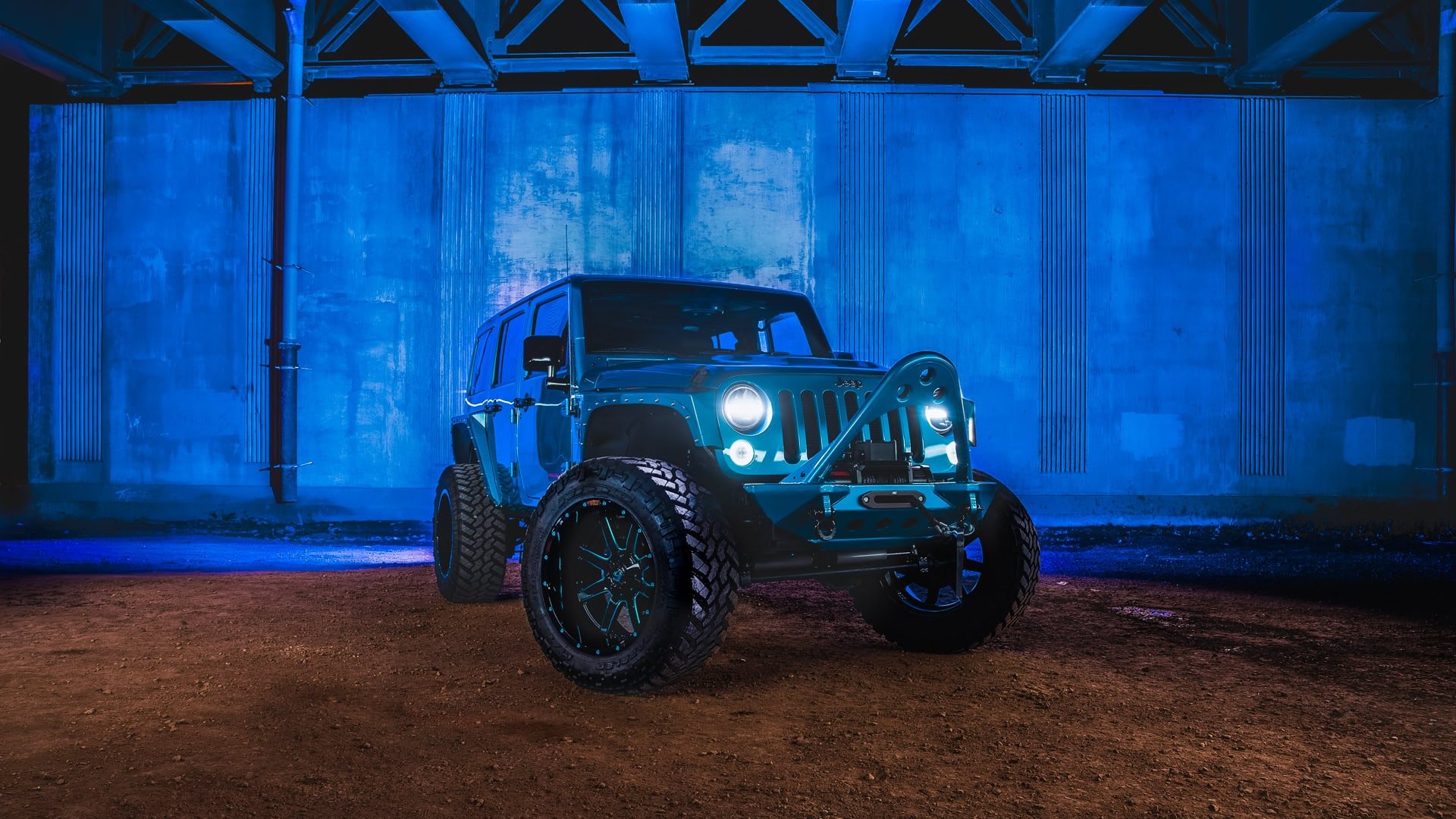
Best selling lifted trucks in Virginia
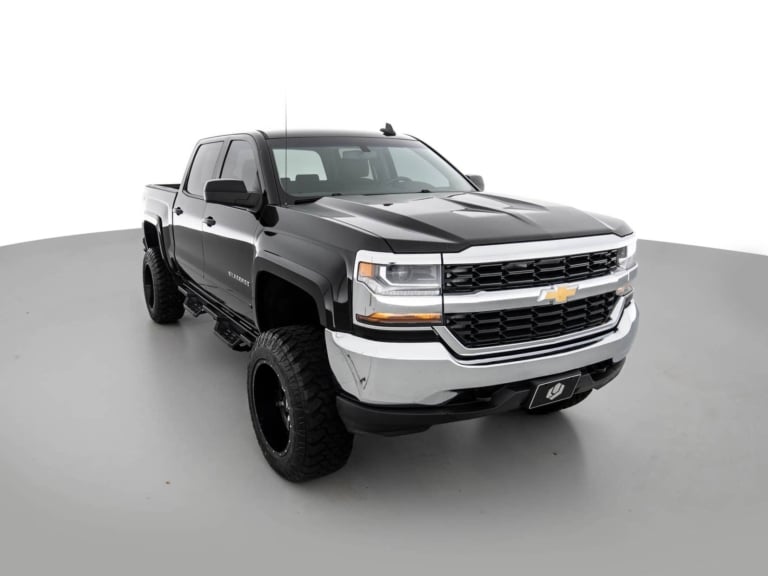


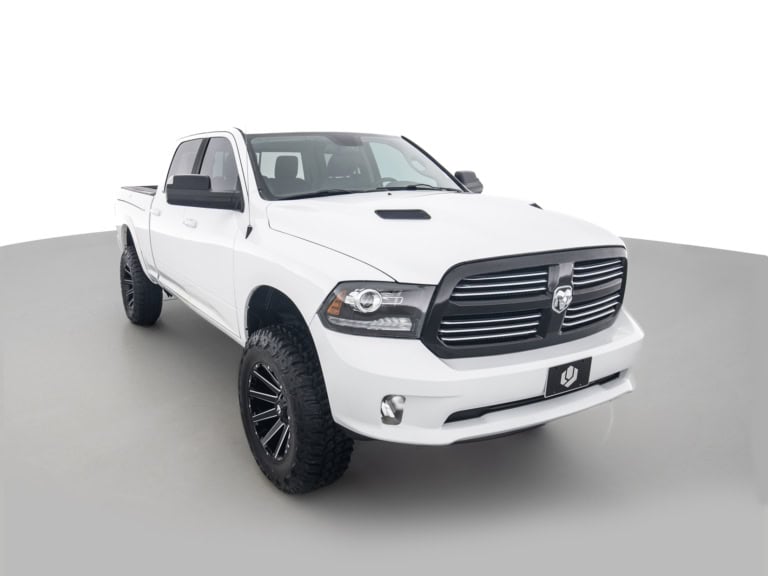


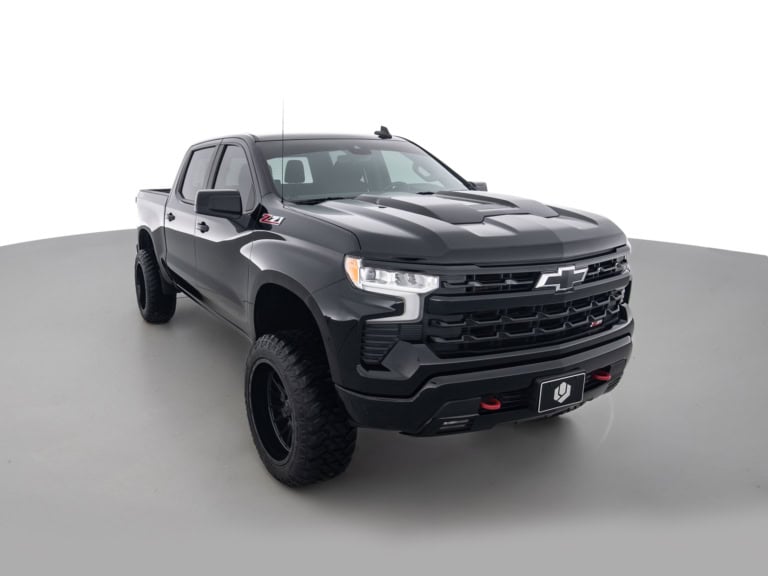


Buying a Lifted Truck in Virginia: What You Need to Know
Virginia’s off-road terrain is anchored by the George Washington and Jefferson National Forests, which together cover nearly 1.8 million acres of Blue Ridge and Appalachian mountain country from the Shenandoah Valley southwest to the Tennessee border. The trail network here ranges from accessible gravel forest service roads ideal for stock or mildly lifted trucks to the demanding rock gardens and ledge climbs of Potts Mountain Jeep Trail in the Jefferson National Forest and the Rocky mountain jeep roads near the Blue Ridge Parkway corridor. Peters Mill Run in the Shenandoah Valley, the Taskers Gap OHV trails, South Pedlar’s 19-mile looping network, and the Pocahontas OHV Trail system’s 120 kilometers of multi-use routes round out a state with more Appalachian trail access than most people realize. For hunters and agricultural users across rural Virginia – the Southside, the Valley, and the Northern Neck – a capable lifted truck is a working tool year-round.
Virginia has specific GVWR-based bumper height laws and requires an annual safety inspection for all registered personal vehicles. Build within the limits, and the annual inspection is a straightforward check that a properly built truck passes without issue.
Lifted Trucks Built for Virginia Roads and Terrain
Western Virginia — the Shenandoah Valley, the Blue Ridge, and the Allegheny Highlands — defines the state’s off-road character. The George Washington National Forest delivers forest service roads with varying surfaces from maintained gravel to unmaintained rocky two-tracks where high clearance and 4WD are genuinely required. Potts Mountain Jeep Trail in the Jefferson National Forest is the hardest line in the state – rock gardens, ledge shelves, and steep grades that demand a capable build and an experienced driver. The Blue Ridge OHV Route, Flagpole Knob, and the Reddish Knob backcountry network offer ridge-line mountain driving with spectacular views and terrain that rewards clearance without demanding technical rock-crawl capability.
Away from the mountains, Virginia’s rural Southside, the Northern Neck peninsulas, and the agricultural areas of the Valley all present practical truck use – hunting land access, farm roads, and the gravel secondary roads that define connectivity in rural Virginia.
Vehicle Inspections in Virginia
Virginia requires an annual safety inspection for all registered passenger vehicles – one of the minority of states that still mandates this for personal cars and trucks. Every registered vehicle must pass a yearly safety check at a Virginia State Police-authorized inspection station. The inspection covers brakes, steering, suspension, tires, lights, wipers, mirrors, glass, fuel system, and exhaust. The maximum fee is $20 statewide. Your windshield inspection sticker shows the expiration month, and the inspection can be completed in the month before expiration.
For lifted trucks, the safety inspection includes a check of bumper height against GVWR-based limits – a build that exceeds the legal bumper height will fail. This makes building within the limits essential from the start, not just at initial registration. We verify bumper height compliance on every truck shipped to Virginia.
Emissions testing is an additional requirement for vehicles registered in Northern Virginia and the Hampton Roads areas. The specific jurisdictions where biennial emissions testing is required include: Arlington, Fairfax, Loudoun, Prince William, and Stafford counties, plus the independent cities of Alexandria, Fairfax City, Falls Church, Manassas, and Manassas Park in the north; and Chesapeake, Hampton, Newport News, Norfolk, Poquoson, Portsmouth, Suffolk, Virginia Beach, and Williamsburg in Hampton Roads. If your truck is registered in any of these areas, emissions testing is required every two years alongside the annual safety inspection. New vehicles are exempt from emissions testing for the first four model years. The maximum emissions fee is $30 (raised from $28 effective July 1, 2024). The test is an OBD-II scan – it evaluates emissions systems, not vehicle height or lift kit installation.
Outside Northern Virginia and Hampton Roads, the annual safety inspection applies but no emissions test is required. If you’re in Richmond, Roanoke, Charlottesville, or anywhere in rural Virginia, you pay for the safety inspection only.
Lifted Truck Regulations in Virginia
Virginia regulates lifted trucks through GVWR-based bumper height limits under Code of Virginia § 46.2-1063. There are no suspension lift height limits or frame height caps — the regulations focus entirely on where the bumpers end up after any lift. Virginia also bans front lift blocks and applies a Carolina Squat prohibition.
Bumper height limits by GVWR, measured to the bottom of the main horizontal bumper bar: trucks up to 4,500 lbs GVWR must have bumpers between 14 and 28 inches (front and rear); trucks from 4,501 to 7,500 lbs GVWR must have bumpers between 14 and 29 inches front and 14 to 30 inches rear; trucks from 7,501 to 15,000 lbs GVWR must have bumpers between 14 and 30 inches front and 14 to 31 inches rear. Trucks over 15,000 lbs GVWR are exempt. Importantly, if bumper heights have been raised, measurements are taken to the bottom of the main horizontal bumper bar — not to aftermarket add-ons or bumper guards.
Most full-size half-ton pickups – F-150, Silverado 1500, RAM 1500, Tundra — carry a GVWR in the 5,500–6,800 lb range, placing them in the 4,501–7,500 lb tier and giving a 29-inch front bumper limit and 30-inch rear limit. A well-built 4–5″ suspension lift with the right aftermarket bumper stays within those limits. Front lift blocks are prohibited entirely. Virginia also prohibits operating any vehicle where the front fender height is four or more inches higher than the rear fender — the Carolina Squat ban. Properly lifted trucks raised evenly are unaffected.
Registration & Taxes in Virginia
Virginia charges a 4.15% Sales and Use Tax (SUT) on vehicle purchases — one of the lower vehicle purchase tax rates in the eastern US. The tax is applied to the gross sales price after any manufacturer rebates or dealer incentives are deducted. Trade-in value does not reduce the taxable purchase price in Virginia – you pay the 4.15% on the full purchase price regardless of trade-in credit.
For vehicles less than five model years old, if the declared sales price falls outside a $1,500 variance of the current NADA trade-in value, you must provide an Affidavit for Procurement of Title (SUT-1A). This protects against under-declared prices on newer vehicles.
For out-of-state purchases (like from Ultimate Rides): if you’ve owned and titled the vehicle in another state for 12 or more months, Virginia waives the SUT entirely when you bring it in. If purchased within the last 12 months and sales tax was paid in the selling state, Virginia credits that amount against the 4.15% owed.
Registration fees in Virginia are weight-based. The annual fee for pickup trucks between 4,001 and 6,500 lbs gross weight is $45.75. Pickup trucks from 6,501 to 10,000 lbs pay $51.75 annually. The title fee is a flat $15. Virginia also has an annual local vehicle property tax – separate from registration – assessed by each city and county on the vehicle’s market value. This varies significantly by locality and is a recurring annual charge paid to your local government, not the DMV.
New residents have 30 days to register their vehicle after establishing Virginia residency. Registration is handled through Virginia DMV offices or authorized Select Agents.
Delivery Available Anywhere in Virginia
Ultimate Rides delivers to all of Virginia — from Northern Virginia and Richmond to Roanoke, Norfolk, Virginia Beach, Charlottesville, and every rural county from the Eastern Shore to the Kentucky border.
Virginia roads demand strength – let’s get you the right truck
Helpful Tools

We Ship Nationwide

Get to Know Us