Lifted Trucks in Washington

Best selling lifted trucks in Washington


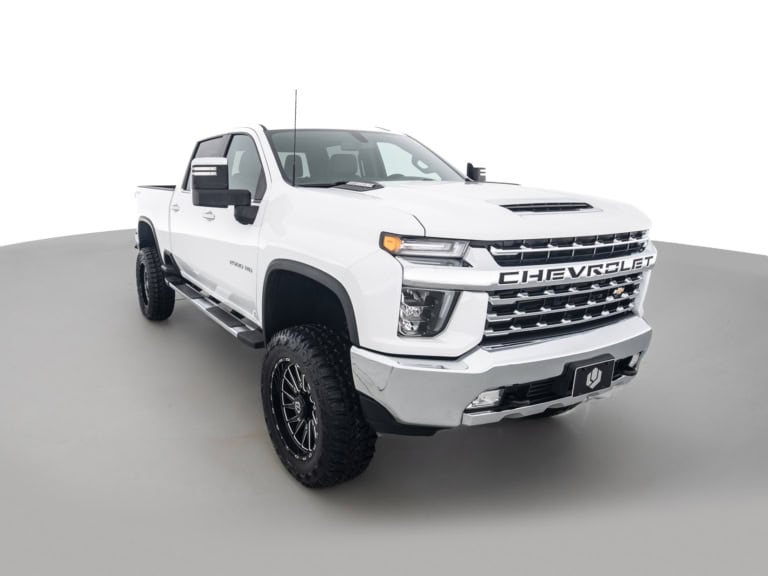


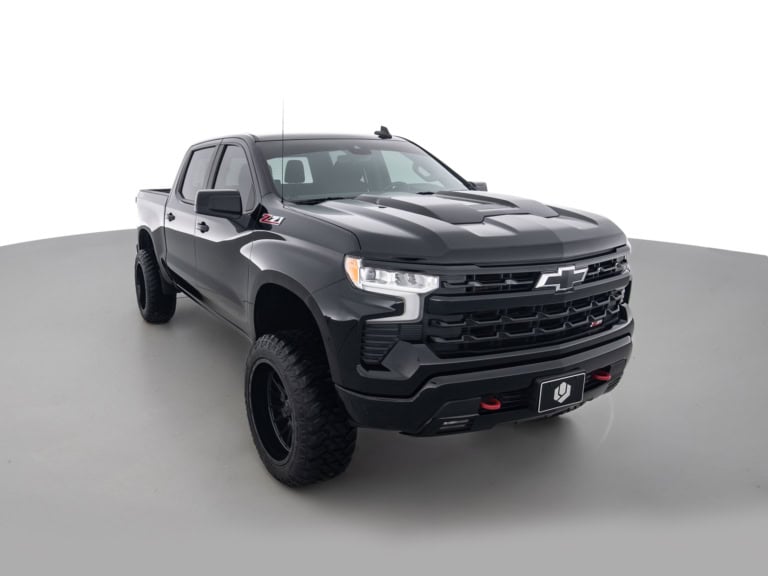

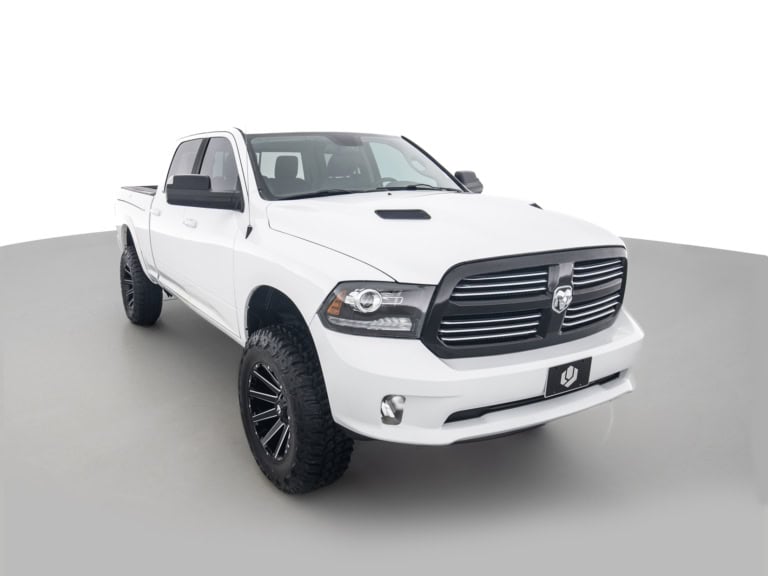

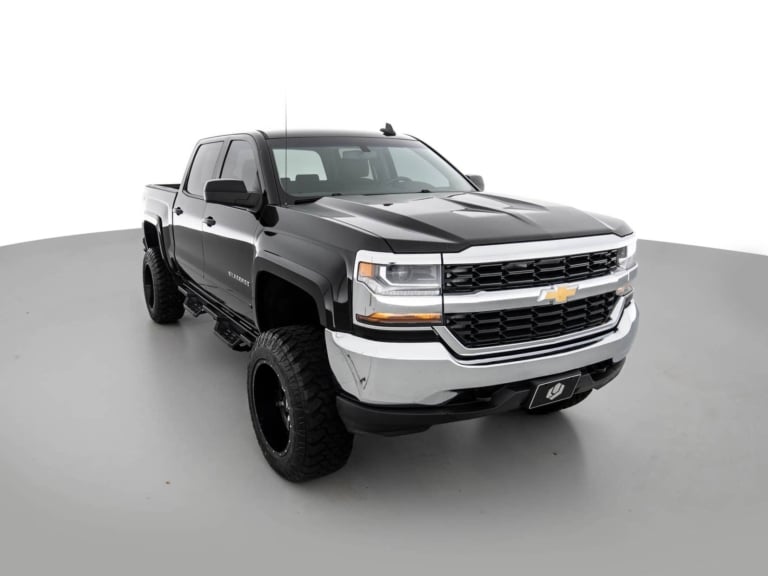

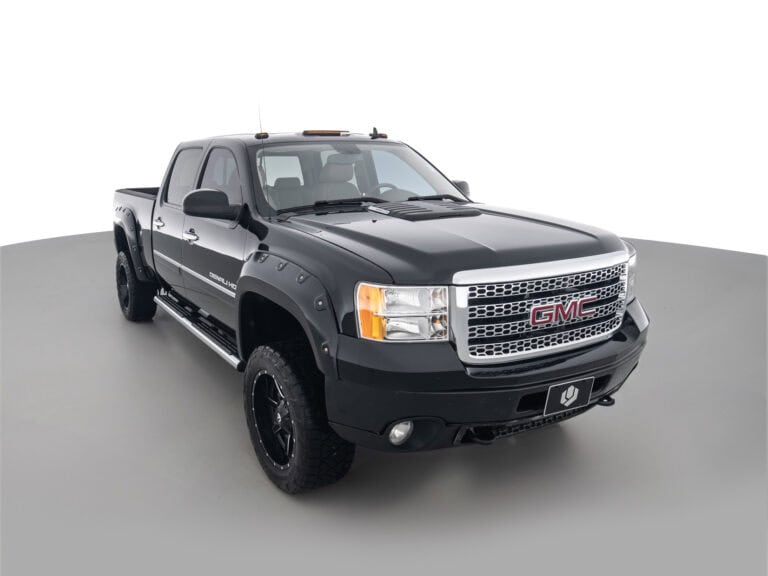


Buying a Lifted Truck in Washington: What You Need to Know
Washington state puts more terrain variety within reach than almost any state in the country. The Cascades divide the state into two completely different worlds: wet, heavily forested western Washington with its mountain forest roads, high passes, and seasonal mud, and dry eastern Washington with its open desert, rolling shrub-steppe, canyon country, and the Okanogan Highlands’ extensive OHV network in the Colville National Forest. The Washington Cascade Overland Route links trails from the Oregon border to Canada through the Okanogan-Wenatchee National Forest. Bethel Ridge, Manastash Ridge, and the Tipover trail in the central Cascades give Yakima-area drivers serious high-altitude ridge terrain. The Tahuya State Forest on the Kitsap Peninsula delivers a managed OHV system with everything from beginner loops to technical rock gardens. And across rural eastern Washington – wheat and cattle country from the Palouse to the Columbia Basin – a capable lifted truck handles the gravel and two-track roads that connect farms, ranches, and rural properties.
Washington’s lift laws are centered on bumper height by GVWR and a 3-inch body lift cap. No safety inspections are required, and the emissions testing program ended statewide in 2020. The registration cost structure is straightforward except for buyers in the Seattle metro area, where the Regional Transit Authority (RTA) excise tax adds a meaningful additional annual charge.
Lifted Trucks Built for Washington Roads and Terrain
Western Washington terrain is defined by rain, mud, and forest. The Cascade passes, the Olympic Peninsula’s back-country roads, and the DNR-managed trail systems through logged forest land all bring wet, slick, and rutted conditions for a long rainy season that stretches from October through May. Traction, clearance, and a suspension built to handle off-camber washouts matter more than raw lift height here. Eastern Washington flips to dry, rocky, and open – the Colville National Forest’s Twin Sisters and Mack King trails in the northeast deliver hard-packed forest roads with rocky drainage crossings; the Okanogan Highlands offer ridge riding with long-distance views and challenging terrain near the Canadian border. The sand dunes of the Columbia Basin and the basalt canyon terrain of Grant County round out a state where terrain variety rewards a versatile build.
Vehicle Inspections in Washington
Washington requires no annual safety inspection for personal passenger vehicles, and as of January 1, 2020 no emissions testing either. The state ended its emissions inspection and maintenance program after 38 years of operation, following data confirming significant air quality improvements and increasingly clean vehicle technology making periodic testing unnecessary. No county-level programs replaced it. Washington State has no emissions testing requirement anywhere in the state – not in Seattle, not in Spokane, not anywhere.
When registering an out-of-state vehicle in Washington – like a truck from Ultimate Rides — a VIN inspection may be required at the Department of Licensing (DOL) to confirm the vehicle’s identity. This is not a safety or mechanical check. New residents have 30 days to register their vehicle after establishing Washington residency.
One thing worth noting: Washington’s Clean Car Law requires that passenger cars and light-duty trucks from model year 2009 or newer be certified to meet California emissions standards at the time of manufacture. This is a manufacturer-level certification that applies to how the truck was built – not to any ongoing inspection you need to pass. Every truck from a major manufacturer sold after 2009 meets this standard by design, and it does not affect your registration process.
Lifted Truck Regulations in Washington
Washington regulates lifted trucks through GVWR-based bumper height limits and a 3-inch body lift cap. There are no suspension lift height limits or frame height caps – the bumper height rules are what matter.
Bumper height limits by GVWR for trucks: under 4,501 lbs GVWR allows up to 24 inches front and 26 inches rear; 4,501 to 7,500 lbs allows up to 27 inches front and 29 inches rear; 7,501 lbs and over allows up to 28 inches front and 30 inches rear. Cars and SUVs are capped at 22 inches front and rear. These measurements apply to the lowest point of the main horizontal bumper bar.
The body lift cap is 3 inches – the lowest portion of the vehicle body cannot sit more than 3 inches above the top of the frame rail. This is the same limit as Utah and Oregon. Combined with no suspension lift cap, a properly built Washington truck can run a meaningful suspension lift alongside a 3″ body lift and remain fully compliant.
Washington also has a bumper height floor: bumpers must be at least 16 inches off the ground for standard passenger vehicles and trucks, ensuring that lowered builds don’t create underride risks. Headlights must not exceed 54 inches from the ground; tail lights are capped at 72 inches. Overall vehicle height is limited to 14 feet. Tires must be covered by fenders; if a truck’s track width has been widened, fender flares must be installed to provide adequate coverage.
We verify bumper height compliance and body lift measurement on every truck we ship to Washington.
Registration & Taxes in Washington
Washington’s vehicle registration cost structure is more complex than most states, with several layers that vary depending on where in the state you register.
Sales Tax: Washington charges a combined state and local sales tax on vehicle purchases. The state base rate is 6.5%, with local sales taxes added on top. Combined rates across Washington range from 7.5% to over 10.5% depending on the city and county. In Seattle (King County), the combined rate is approximately 10.55%. Spokane runs around 8.9%. Rural eastern Washington counties tend to sit at or near the 8.5–9% range. Trade-in value reduces the taxable purchase price.
For out-of-state purchases: Washington charges use tax at the same combined rate as sales tax when you register. If sales tax was paid in the selling state, Washington credits that amount. Since many states have lower rates than Washington’s urban combined rates, you may owe the difference at registration.
Base Registration Fee: Washington’s annual registration starts with a base fee of $43.25. Additional fees are added based on vehicle weight. For a standard light-duty pickup truck, total annual tab fees (excluding sales tax and one-time fees) typically run $80–$120, depending on weight and location.
RTA Tax — Seattle Metro Only: Buyers registering in the Regional Transit Authority (RTA) taxing district — which covers King, Snohomish, and Pierce counties in the Puget Sound area — pay an additional annual Motor Vehicle Excise Tax (MVET) based on a percentage of the vehicle’s depreciated MSRP. The RTA excise tax rate is 1.1% of the depreciated value. For a newer truck with an original MSRP of $45,000, the first-year RTA tax can be $300–$450 and decreases each year as the vehicle’s assessed value depreciates. This is a meaningful annual charge for Seattle, Bellevue, Tacoma, and Everett-area buyers. Buyers in eastern Washington, Spokane, the Olympic Peninsula, and anywhere outside the RTA district do not pay this tax.
Title Fee: $15 statewide, plus a $12 filing fee on initial registration.
Registration is handled through Washington’s Department of Licensing (DOL) offices or authorized agents throughout the state. New residents have 30 days to register.
Delivery Available Anywhere in Washington
Ultimate Rides delivers to all of Washington — from Seattle and Tacoma to Spokane, Yakima, Bellingham, Tri-Cities, and every rural county from the rain shadow of the Cascades to the Idaho border.
Most deliveries arrive within 2–3 business days. Seattle metro, Tacoma, Spokane, and the I-5 and I-90 corridor cities typically land on the shorter end of that window. Remote eastern Washington addresses — Okanogan County, Ferry County, the Columbia River canyon country, and rural wheat and cattle operations east of the Cascades — may be closer to 3 days depending on carrier routing and distance from major corridors.
Helpful Tools

We Ship Nationwide

Get to Know Us