Lifted Trucks in Wisconsin
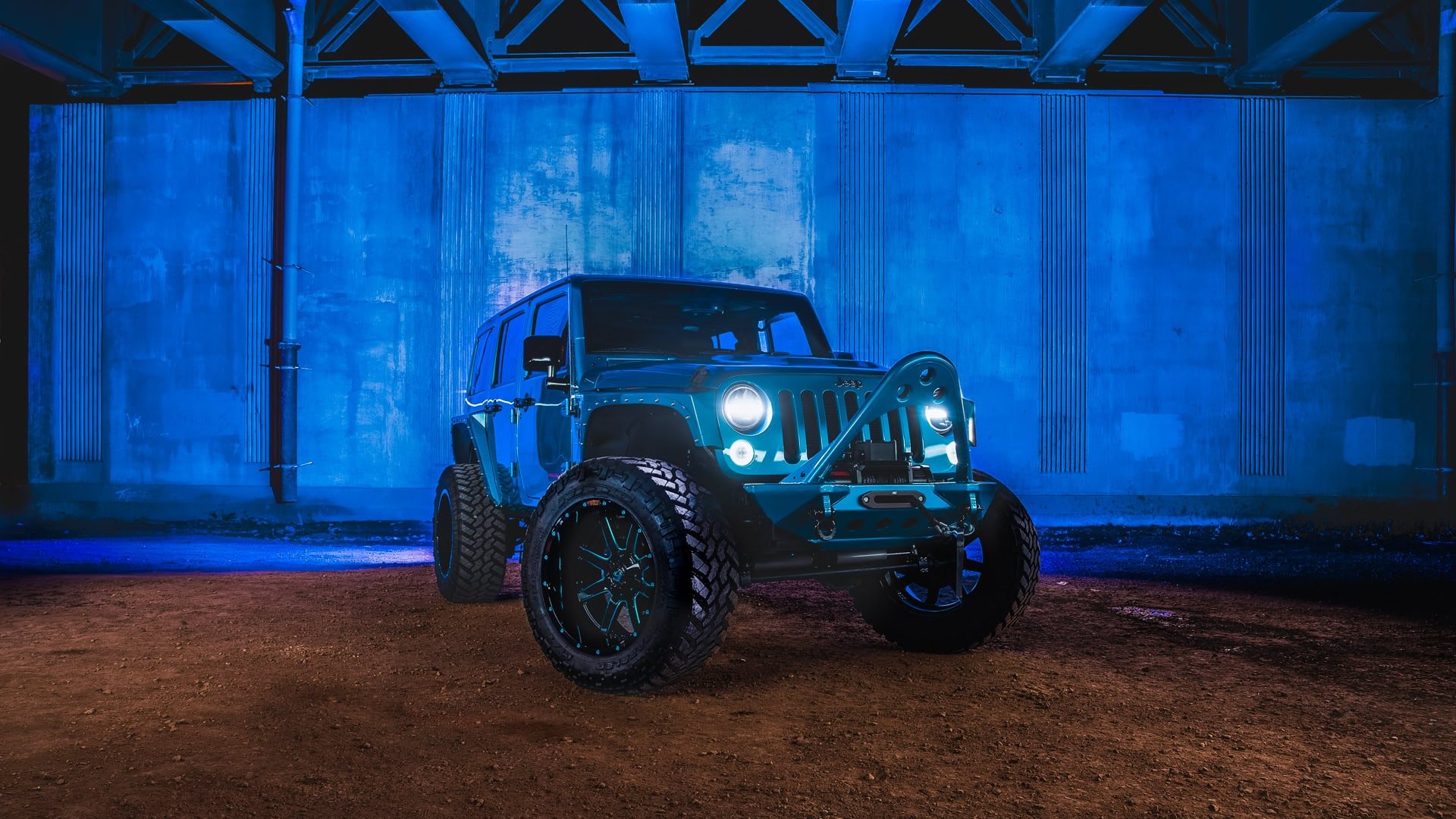
Best selling lifted trucks in Wisconsin


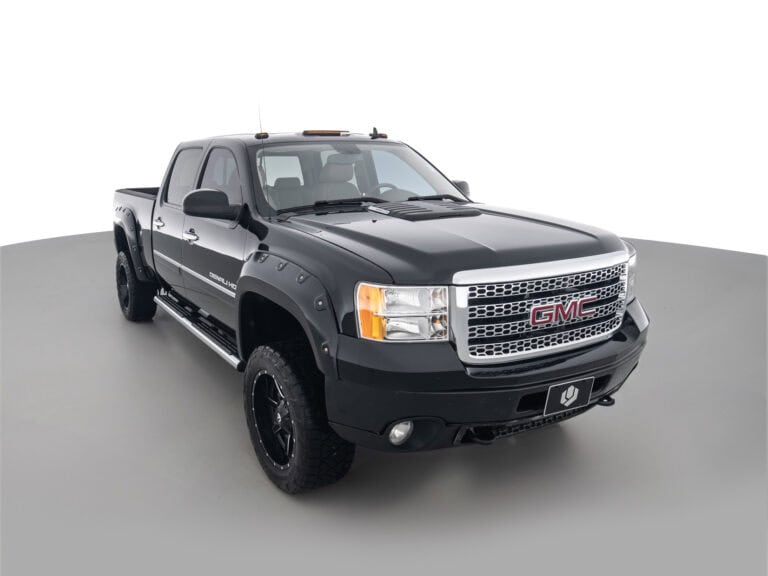


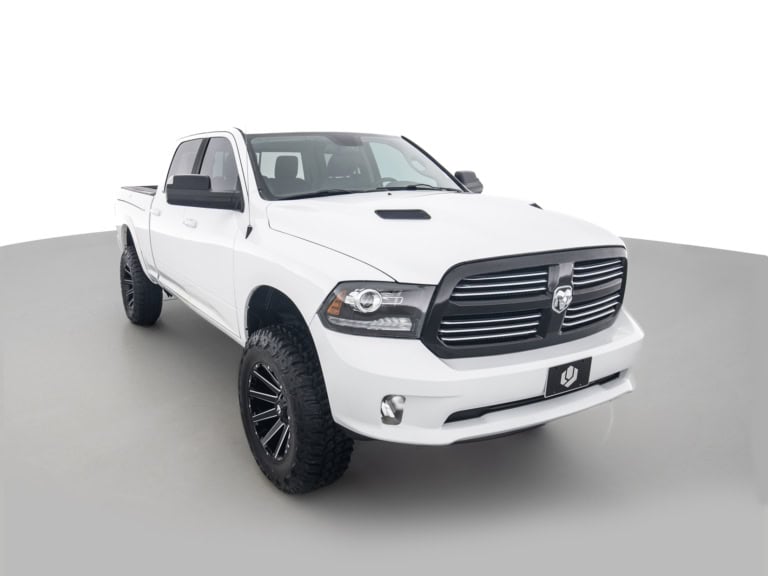
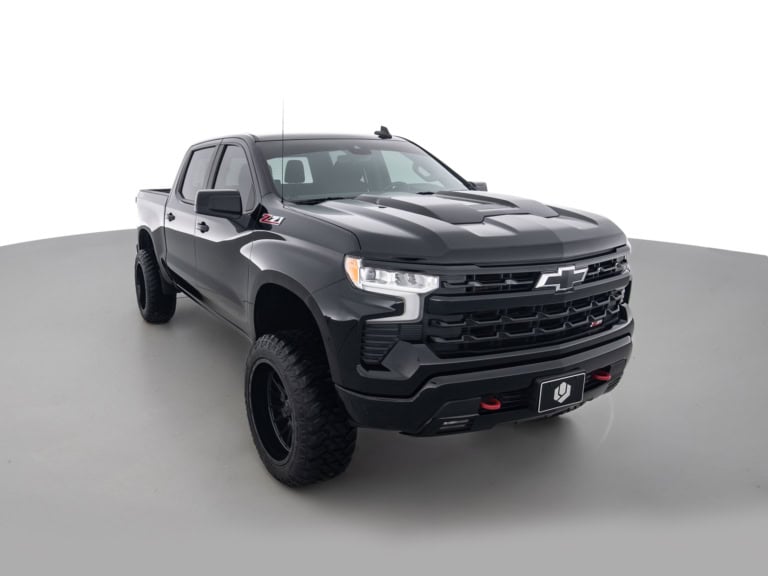
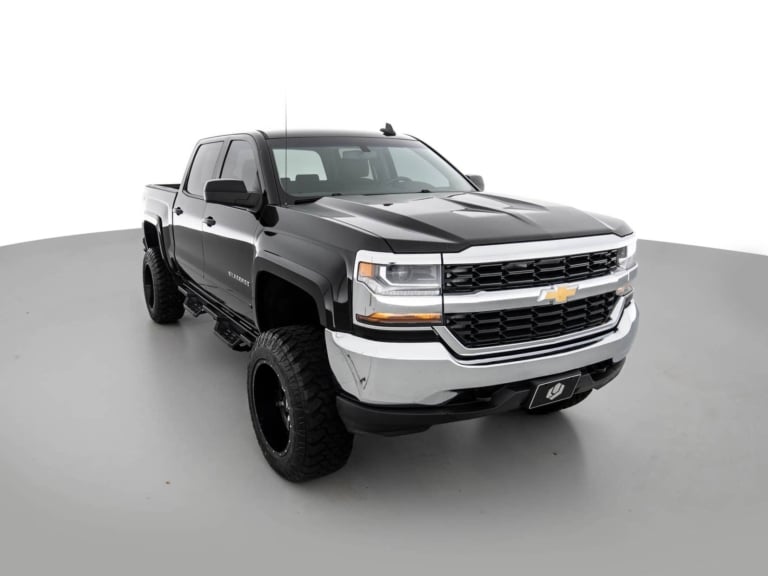


Buying a Lifted Truck in Wisconsin: What You Need to Know
Wisconsin’s off-road culture is anchored by the Chequamegon-Nicolet National Forest, which spans 1.5 million acres across the northern half of the state and hosts the majority of Wisconsin’s major OHV trail systems. Eight trail networks within the forest alone range from accessible forest road drives to rocky, rutted, demanding terrain in the Northwoods. The Flambeau Motorized Trail System in Price County offers over 70 miles of multi-use trails. The Trans-Wisconsin Adventure Trail runs nearly 600 miles from the Illinois border to Lake Superior. Tigerton OHV Park in Shawano County delivers 500-plus acres of mixed terrain for Jeeps and 4x4s. Langlade County added Wisconsin’s first dedicated licensed full-size OHMV trail system in 2025. Beyond dedicated trails, Wisconsin’s farm country, hunting land, and agricultural access roads across the central and western part of the state put a lifted truck to practical daily use through the long mud season that comes with a Wisconsin spring.
Wisconsin has a suspension lift cap of 4–5 inches depending on vehicle type, no periodic safety inspection for personal vehicles, and biennial emissions testing only in seven southeastern counties. Build correctly for the regulations and Wisconsin gives you a capable, legal truck for the long haul.
Lifted Trucks Built for Wisconsin Roads and Terrain
Northern Wisconsin terrain is defined by hard-packed forest roads that turn to deep ruts in spring mud season, rocky forest road sections through the Chequamegon-Nicolet, and the sandy two-tracks that lace the Northwoods between lakes, hunting camps, and logging roads. Mud is the dominant challenge from snowmelt in April through June – wet clay and peat soils create conditions that swallow underpowered or under-lifted trucks without much warning. The Kettle Moraine State Forest in the southeast offers wooded rolling terrain closer to the Milwaukee and Madison markets. Dresser OHV Trail in Polk County is the most technically demanding in the state, with steep climbs, descents, mud, and sand that challenge even experienced drivers.
For most Wisconsin buyers, a 4–5″ suspension lift on an F-150 or RAM 1500 is the right build – within the 5-inch cap for qualifying 4WD trucks, capable for Chequamegon forest road access and spring mud conditions, and practical as a daily driver through long Wisconsin winters. For hunting camp access in the Northwoods, a 6″ build on a Silverado or Sierra is popular – note the 5-inch legal maximum for vehicles qualifying under the 4WD / truck provision, and we build to that limit precisely. Mid-size trucks – Tacoma and Colorado – with a 3–4″ leveling kit and all-terrain tires are common for Madison and Milwaukee buyers running the Kettle Moraine and Chequamegon on weekends. Mud-terrain tires in the 285/70R17 or 33×12.50R18 range handle Wisconsin’s seasonal forest road conditions well.
Vehicle Inspections in Wisconsin
Wisconsin requires no annual safety inspection for personal passenger vehicles. Registration is completed without any mechanical or safety check. The only inspection requirement is emissions testing, and it applies only in seven southeastern counties.
The Wisconsin Vehicle Inspection Program (WIVIP), administered by WisDOT, requires biennial OBD-II emissions testing for vehicles customarily kept in Kenosha, Milwaukee, Ozaukee, Racine, Sheboygan, Washington, and Waukesha counties. Testing is required at registration renewal every two years and also at change of ownership for vehicles more than five model years old. The test is an OBD-II diagnostic scan – the inspector checks that the check engine light functions and connects to the vehicle’s computer to read emissions system readiness. It evaluates emissions hardware, not vehicle height, lift kit installation, or tire size. A lifted truck with intact emissions systems passes the same as any stock vehicle.
New vehicles are exempt from emissions testing for the first three model years. Vehicles manufactured before 1996 are also exempt, as are diesel vehicles from 2006 and older, electric vehicles, motorcycles, and farm-registered trucks. For gasoline vehicles from model year 2007 onward, both gasoline and diesel trucks under 14,000 lbs GVWR are subject to testing in the seven counties.
Outside the seven counties – which covers all of northern Wisconsin, the Fox Valley, Green Bay, La Crosse, the Northwoods, and all of rural central and western Wisconsin – there is no emissions test and no safety inspection. Registration is straightforward and fast.
When registering an out-of-state vehicle in Wisconsin (like a truck from Ultimate Rides), new residents must transfer title and registration within 60 days of establishing residency.
Lifted Truck Regulations in Wisconsin
Wisconsin’s lift law is found in Wisconsin Statute § 347.455 and is structured around the type and weight of the vehicle rather than bumper height.
The general rule for all vehicles is that no modifications to the suspension, axles, or chassis may cause any portion of the vehicle to ride more than 4 inches above the manufacturer-specified height. Height is measured from the level surface on which the vehicle stands.
The important exception: a 4-wheel drive vehicle, or a motor truck with a gross weight of 8,000 lbs or less, may be modified up to 5 inches above manufacturer height if the modification is for the purpose of strengthening or improving handling. This is the provision most full-size half-ton 4WD pickup owners qualify under – F-150, Silverado 1500, RAM 1500, Tundra, and comparable trucks with a GVWR at or below 8,000 lbs and four-wheel drive. Under this provision, those trucks may also use tires and wheels that exceed the manufacturer’s specified size by up to 4 inches in radius.
Additionally, no vehicle may be modified so that any portion of the vehicle – except the tires – extends below lines drawn from the bottom of each wheel rim to the tire contact points on the opposite side and end of the vehicle. This prevents modifications that create dangerous ground clearance loss or underride conditions.
Rear bumpers are required on trucks. Car bumpers must remain within 2 inches of factory height. Body floor height is capped: the lowest point of the body floor cannot exceed 5 inches above the top of the frame rail.
Headlights cannot exceed 54 inches from the ground; tail lights are capped at 72 inches; reflectors may not exceed 60 inches. We build every truck shipped to Wisconsin to the 5-inch provision maximum for qualifying 4WD trucks and verify compliance before shipping.
Registration & Taxes in Wisconsin
Wisconsin charges a 5% state sales tax on vehicle purchases, calculated on the purchase price after any trade-in deduction. Most Wisconsin counties add a 0.5% county sales tax on top, bringing the combined rate to 5.5% for most of the state. Milwaukee County is the exception at 0.9% county tax, and the City of Milwaukee imposes an additional 2.0% city sales tax – making the combined rate in the city of Milwaukee 7.9%, the highest in the state. If you register a vehicle purchased out of state, Wisconsin use tax applies at the same combined rate as your county of registration.
The standard annual registration fee for passenger cars and light trucks (8,000 lbs or less) is $85. Wisconsin also collects local wheel taxes on behalf of municipalities and counties – over 70 Wisconsin jurisdictions now levy these, typically ranging from $10 to $50 per year. A Madison resident, for example, pays $85 state fee plus $28 Dane County wheel tax plus $40 City of Madison wheel tax, totaling $153 annually. Your registration renewal notice shows the complete amount for your address.
The title fee as of October 1, 2025 is $214.50 – a significant increase from the previous $164.50. This is a one-time fee paid at initial titling or transfer of ownership.
Registration is handled through WisDOT offices or authorized agents statewide. New residents have 60 days to register after establishing Wisconsin residency.
Delivery Available Anywhere in Wisconsin
Ultimate Rides delivers to all of Wisconsin — from Milwaukee and Madison to Green Bay, Eau Claire, Wausau, and every rural county across the state.
Most deliveries arrive within 2–3 business days. Milwaukee, Madison, Green Bay, and the I-94/I-90 corridor typically land on the shorter end of that window. Northern Wisconsin counties – the Northwoods, the Chequamegon-Nicolet corridor, the Iron Range, and remote hunting camp addresses in Price, Oneida, and Vilas counties – may be closer to 3 days depending on carrier routing and distance from major highways.
Helpful Tools

We Ship Nationwide

Get to Know Us