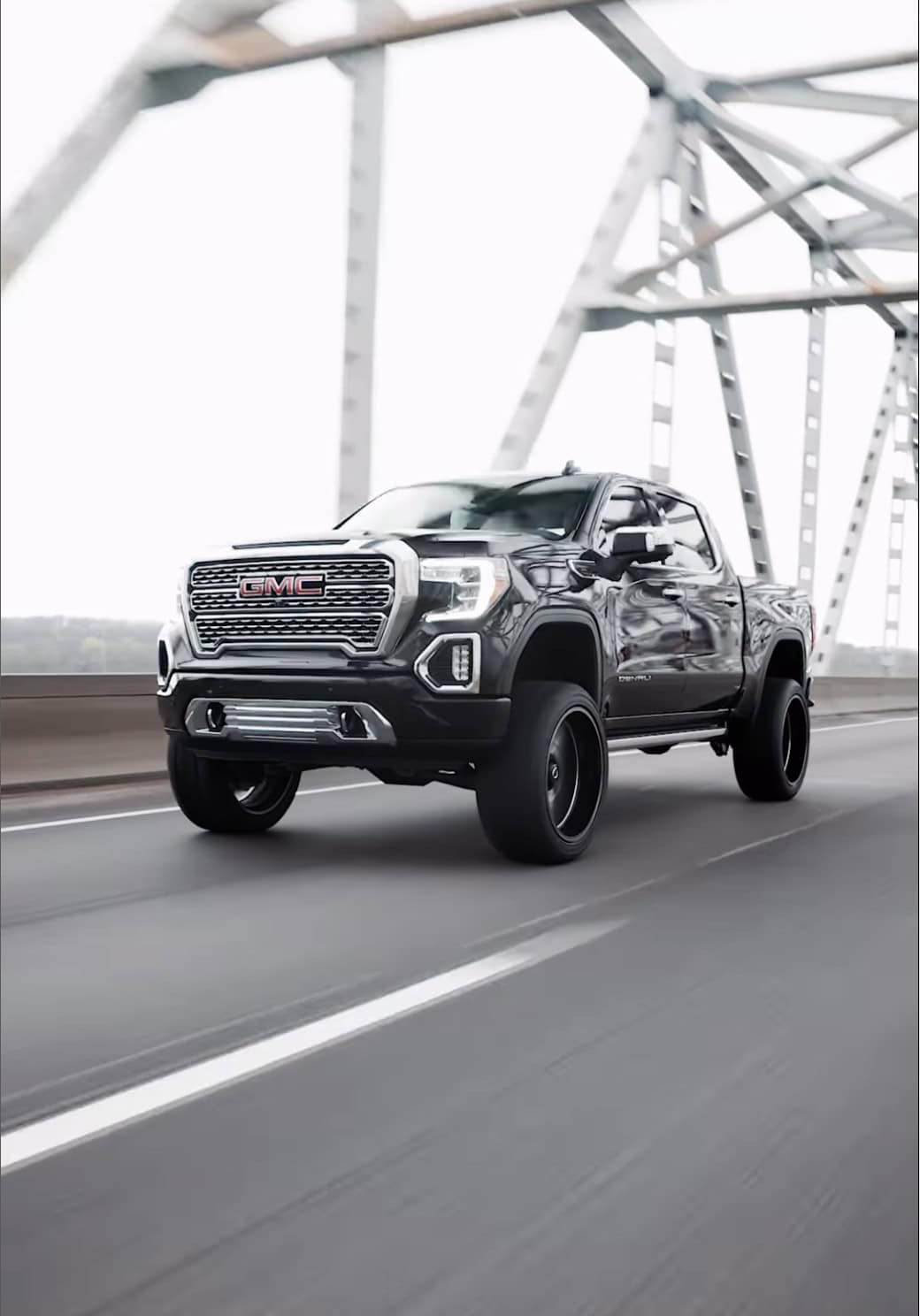
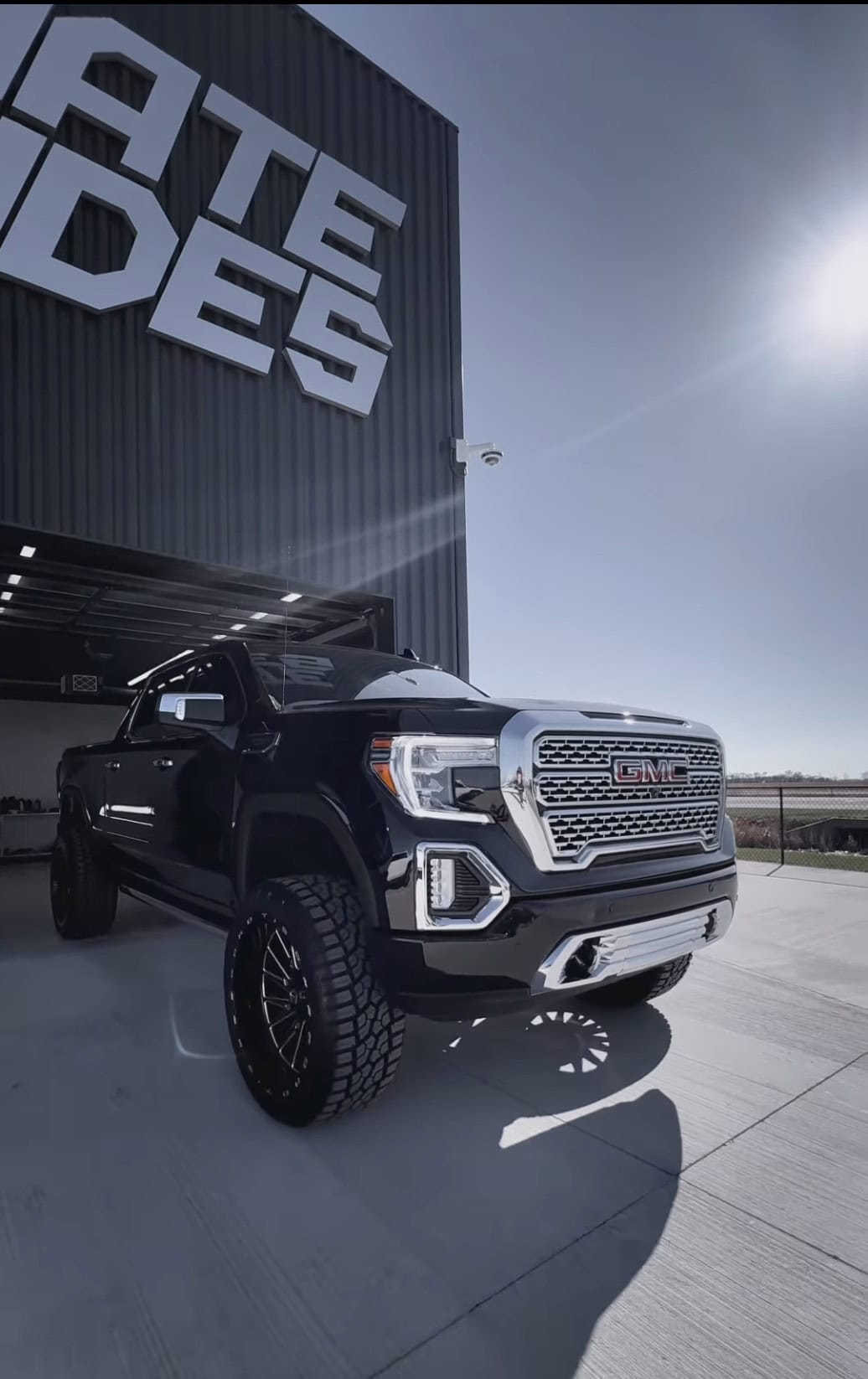
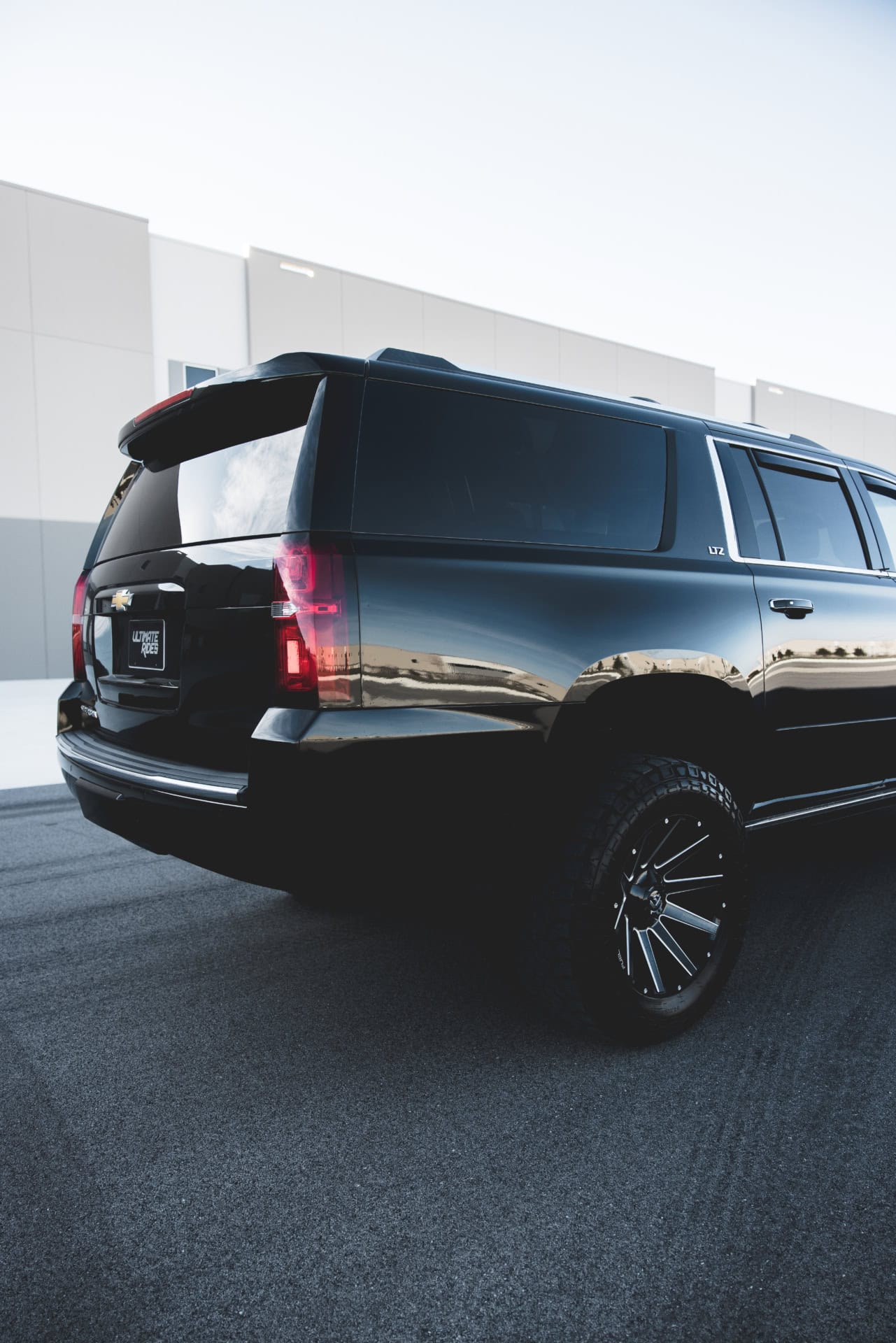
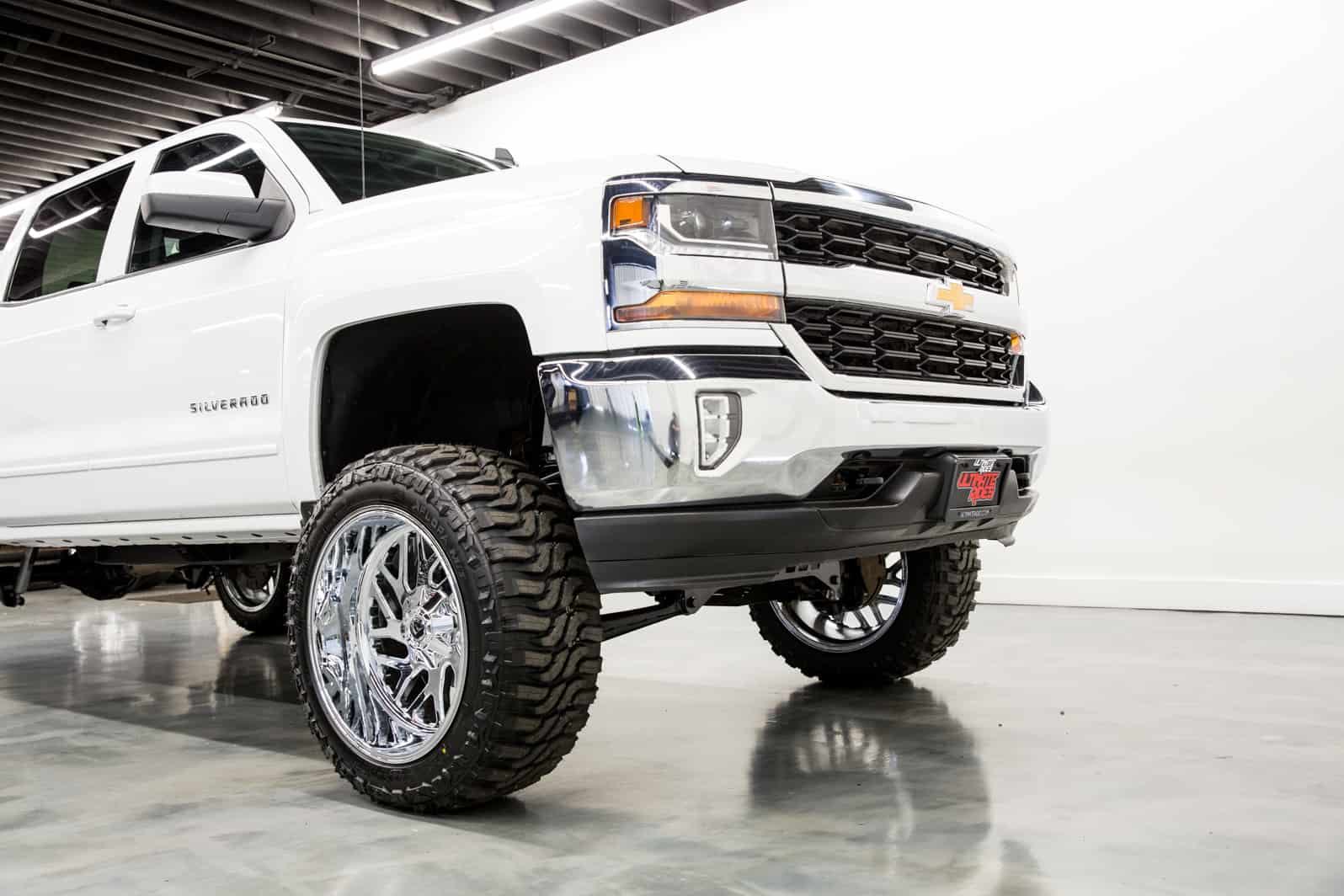
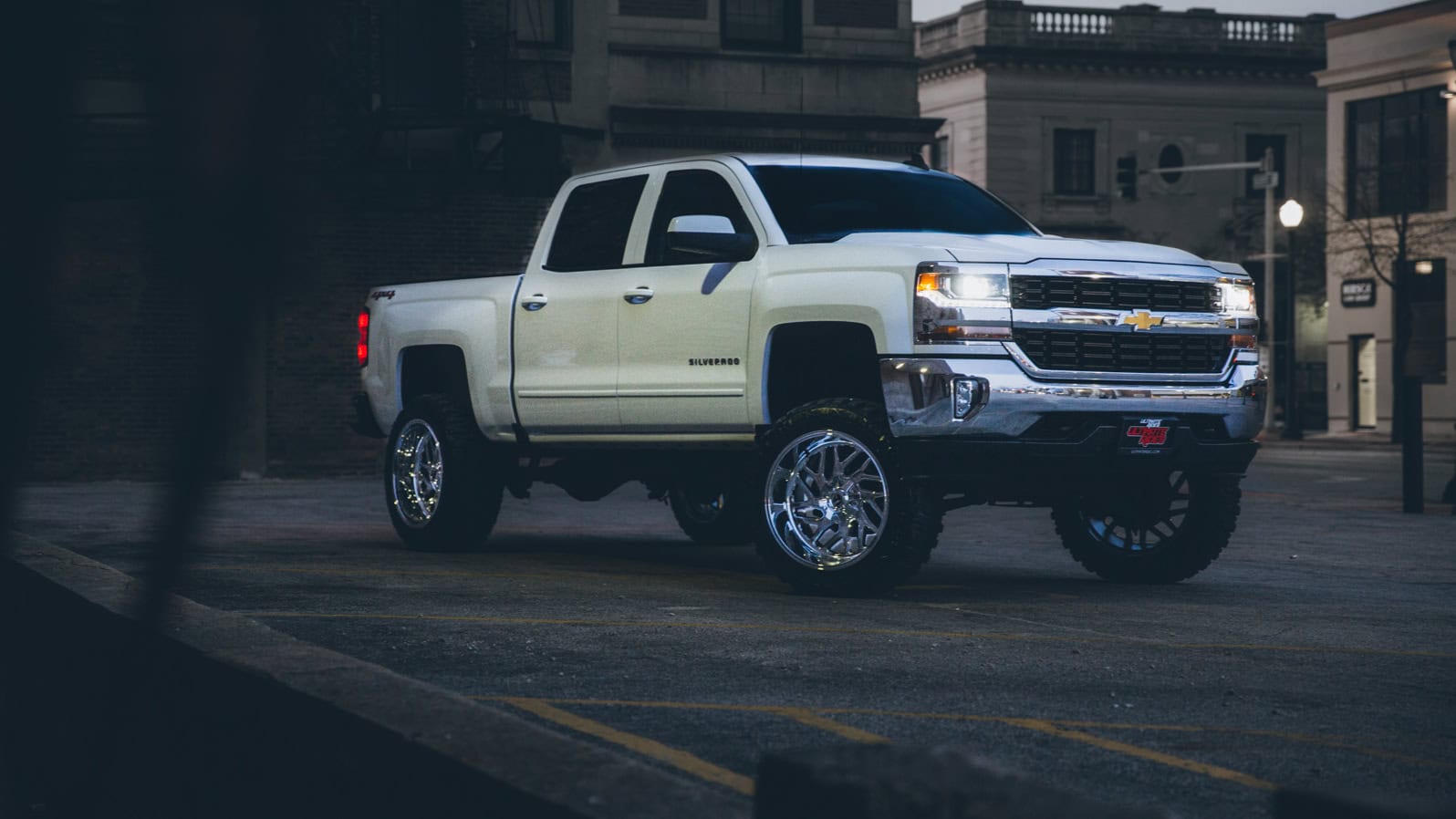
If we had to pick one old truck to buy in 2026, it’d be a 1999–2013 Chevy Silverado or GMC Sierra with the 5.3L V8. They’re cheap to buy, easy to fix, and simple to modify. There are plenty of them around.
It’s not the only good option, though. Below you’ll find our picks for the best old pickup trucks to buy, whether you want an old-school Ford, a diesel work truck, or a smaller Toyota.
We’ve kept this guide mostly between the late ’80s and 2013. Any newer and you’re just shopping for a used truck. Any older and you’re into collector territory.
What we’re after is the middle ground: an older pickup you can still buy, keep running, modify, and actually use.
Quick Facts: Buying an Old Truck in 2026
✔ Parts are easy: Older GM and Ford pickups have huge parts and aftermarket support, so keeping one running or modifying it is rarely a problem.
✔ Expect a Toyota premium: Older Tacomas and Tundras usually cost more than domestic trucks of the same age.
✔ Condition beats mileage: On a 20- or 30-year-old truck, the frame, the maintenance history and past repairs tell you more than a few thousand miles on the odometer.
✔ Check any modifications: A well-built lifted truck can save you money. A badly modified one can cost you plenty.
✔ Treat prices as a guide: Mileage, drivetrain, cab, rust, originality, and condition can swing an old truck’s value a long way.
Best Old Pickup Trucks at a Glance
| Truck | Years to Look For | Engine to Consider | Best For | Typical 2026 Buy-In |
|---|---|---|---|---|
| Chevrolet/GMC C/K | 1988–1998 | 5.7L V8 | Old-school GM truck | $8,000–$25,000+ |
| Ford F-Series | 1987–1996 | 4.9L I6, 5.0/5.8L V8 | Simple old-school pickup | $8,000–$25,000+ |
| Silverado/Sierra 1500 | 1999–2006 | 5.3L V8 | Value and aftermarket support | $5,000–$17,000 |
| Silverado/Sierra 1500 | 2007–2013 | 5.3L V8 | A newer old truck | $7,000–$20,000 |
| Ford Super Duty | 1999–early 2003 | 7.3L Power Stroke | Old work truck / diesel | $10,000–$25,000+ |
| Ford F-150 | 2011–2013 | 5.0L V8 | Everyday full-size pickup | $8,000–$18,000 |
| Dodge/Ram 1500 | 2009–2013 | 5.7L HEMI | V8 value | $8,000–$18,000 |
| Toyota Tacoma | 1995–2004 | 2.7L I4, 3.4L V6 | Smaller pickup / trails | $6,000–$18,000+ |
| Toyota Tundra | 2007–2013 | 5.7L V8 | Full-size Toyota | $10,000–$22,000 |
Prices are typical U.S. asking prices as of October 2026, not valuations. Mileage, drivetrain, rust, originality, modifications, and overall condition can move them a lot.
The Best Old Pickup Trucks to Buy in 2026
1. 1988–1998 Chevrolet/GMC C/K
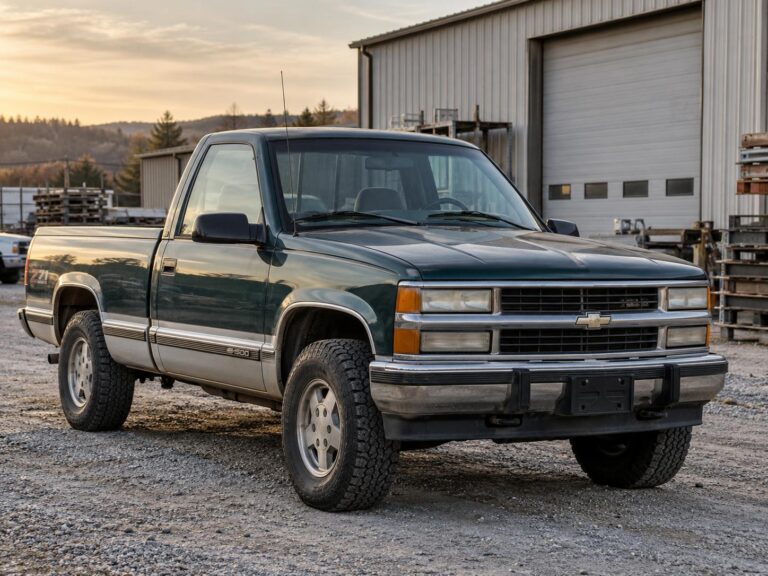
Picture a boxy Chevy or GMC with a V8 when someone says “old truck”? This is probably the one.
These trucks have a big enthusiast following now, so the nicest ones aren’t cheap. Around $8,000 still gets you a usable truck. Clean 4x4s, short beds, and very original examples can easily go past $20,000.
If you want to drive it and modify it, focus on condition over originality. The 5.7L V8 is the obvious engine to go for, and parts, suspension, wheels, and styling upgrades are everywhere.
The issue is age. Some of these trucks are nearing 40 years old.
Before you buy, check:
- the frame
- cab corners
- brake lines
- suspension and steering
- any previous body repairs
Best for: Old-school truck styling without going all the way back to a ’60s or ’70s classic.
2. 1987–1996 Ford F-Series
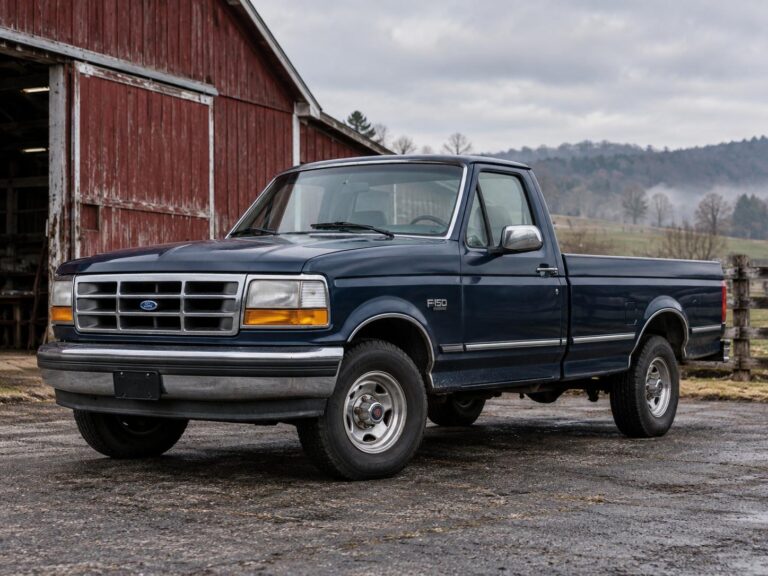
Ford’s trucks from this era are just as good a place to start.
The engine choices are simple. The 4.9L inline-six suits anyone who wants a basic working pickup and doesn’t care about horsepower bragging rights. The 5.0L and 5.8L V8s are there if you want the traditional V8 route.
Prices are all over the place. Basic work trucks still sit well below collector money. Clean later F-150s often land in the mid-teens, and F-250s and F-350s can go a lot higher in the right spec.
Buy the truck, not the badge. A plain-looking one with a solid frame, decent service history, and tidy mechanicals beats a shiny one with fresh paint covering decades of repairs.
Best for: An old-school Ford that can still work, tow light loads or become a project.
3. 1999–2013 Chevrolet Silverado and GMC Sierra
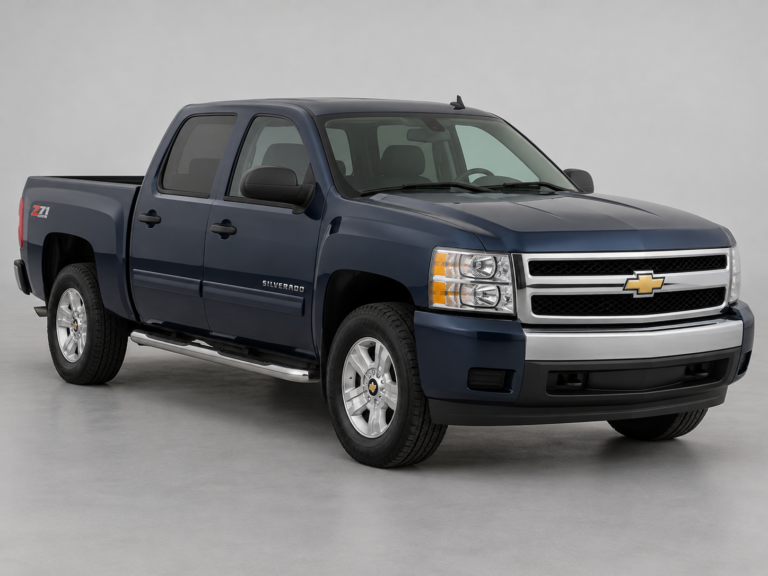
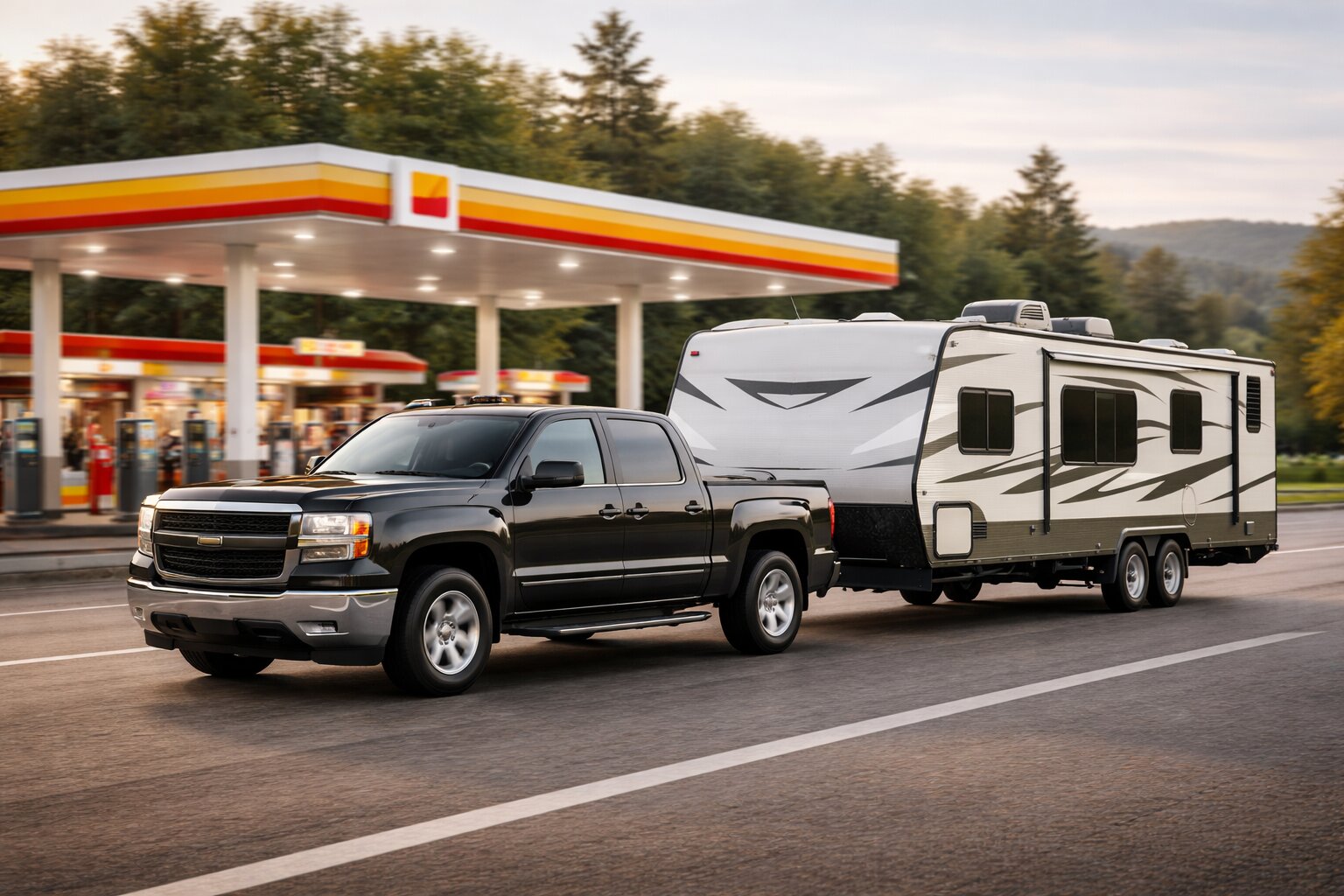
If we had to pick the easiest all-round recommendation in this guide, it would probably be a Silverado or Sierra.
There are two groups to look at.
1999–2006 (plus the 2007 Classic): The Simpler Choice
This is the generation the original version of this article focused on, and it still earns its place.
The 5.3L V8 is everywhere, and parts are easy to find. These trucks are old enough to be affordable, but not so old that finding ordinary parts turns into a hobby.
As of writing, higher-mileage trucks still turn up under $10,000. Cleaner 4WD trucks and more desirable configurations can go well into the teens.
Watch out for 2007 listings. GM kept selling the old body style in 2007 as the Silverado Classic and Sierra Classic, alongside the redesigned 2007 trucks. If an ad just says “2007 Silverado,” check which one it is before you compare prices or order parts.
Want more on this generation? Find out why the first-generation Silverado is one of the most reliable trucks around.
2007–2013 (New Body Style): A Little Newer
Want an older truck without the old interior and late-’90s road manners? Move up a generation.
The 2007–2013 trucks still have huge parts support and plenty of 5.3L V8s to choose from. They just feel noticeably newer inside.
A realistic October 2026 budget starts in the high single digits for higher-mileage trucks. Cleaner 4WD examples run into the high teens or more.
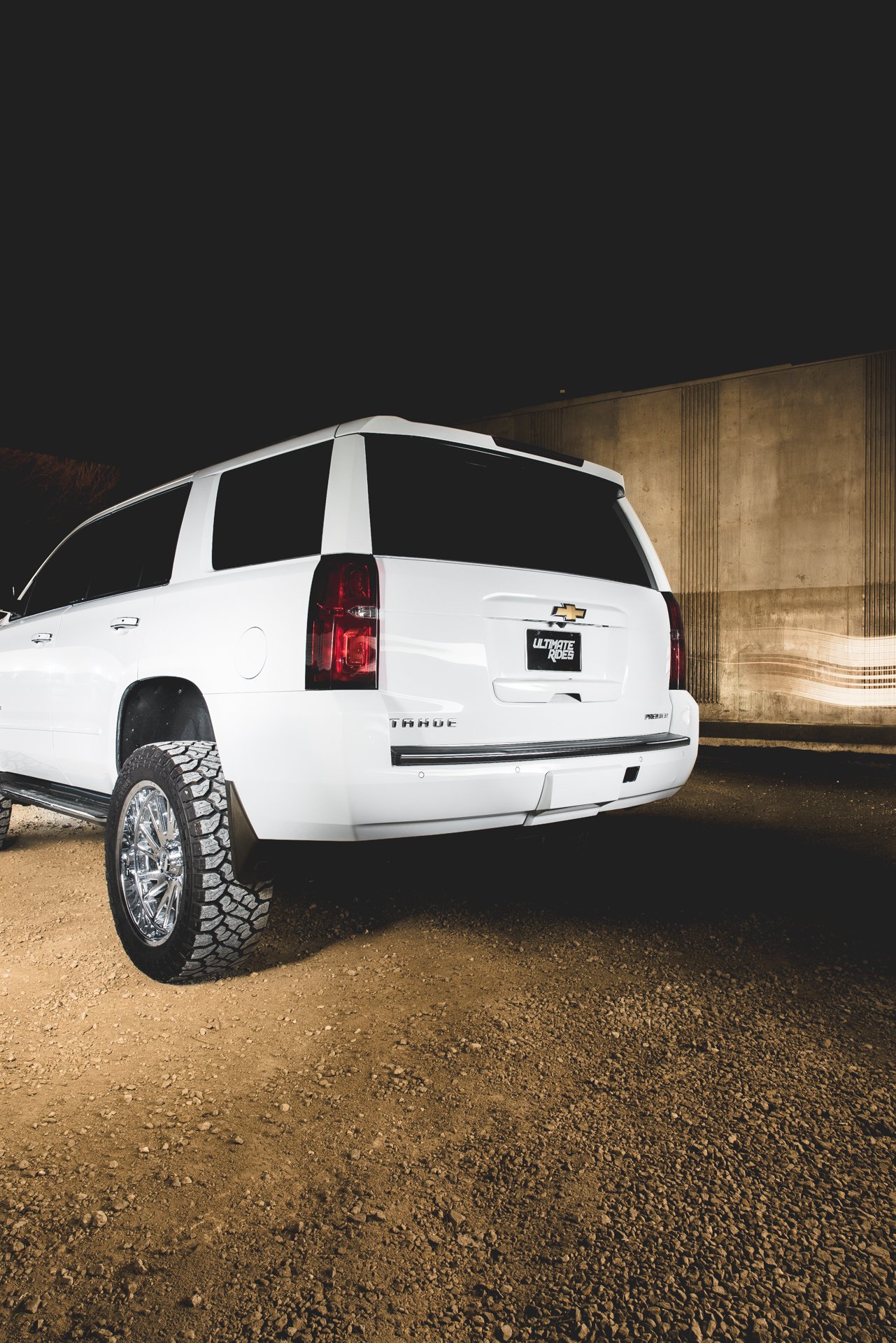
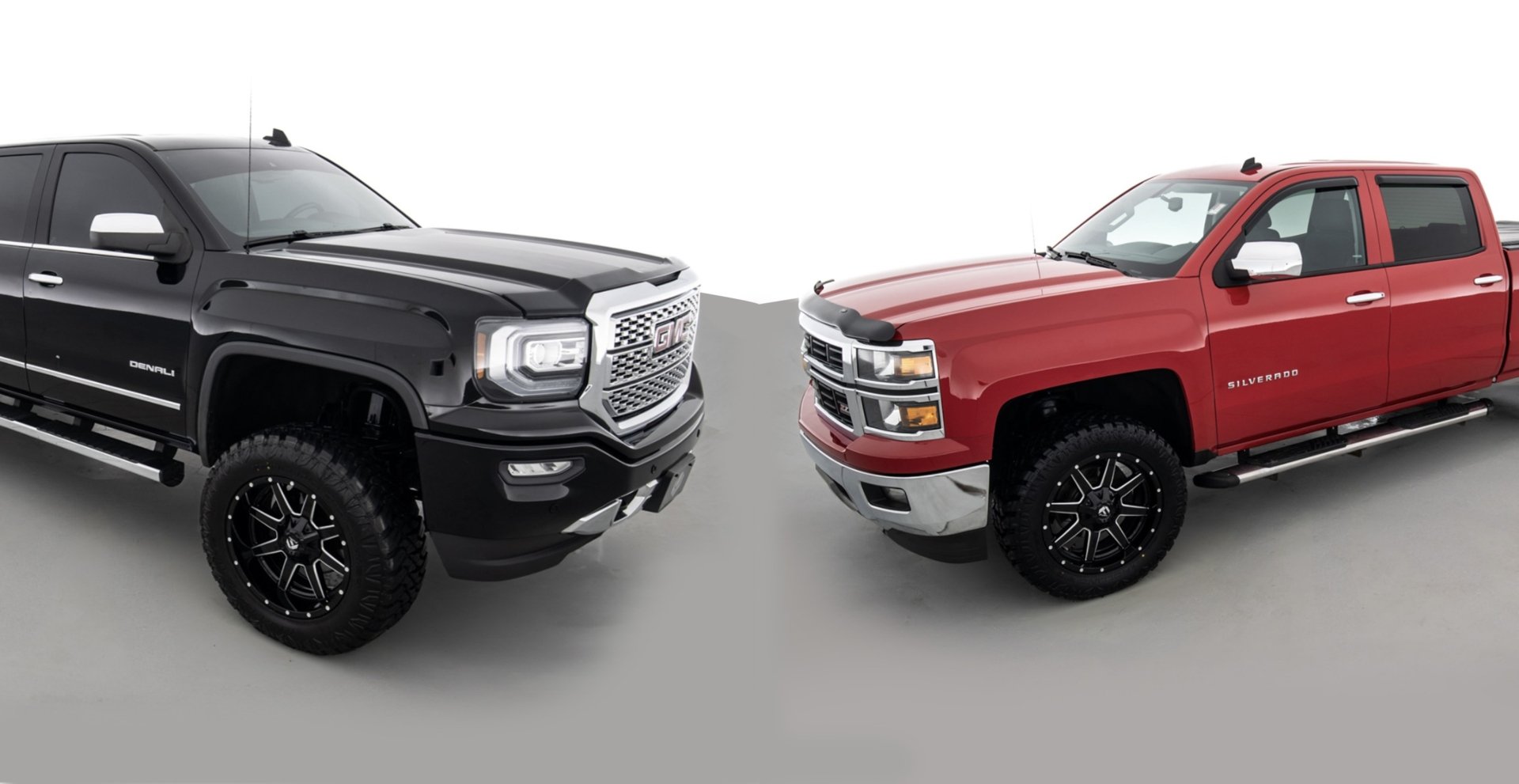
This generation is also the closest match to the older trucks we still see in our own inventory. If you’re thinking about one as the base for a lifted build, take a look at our lifted Chevrolet Silverado inventory and lifted GMC Sierra inventory.
Best for: Price, availability, and aftermarket choice in one package. Probably the easiest old full-size truck to recommend.
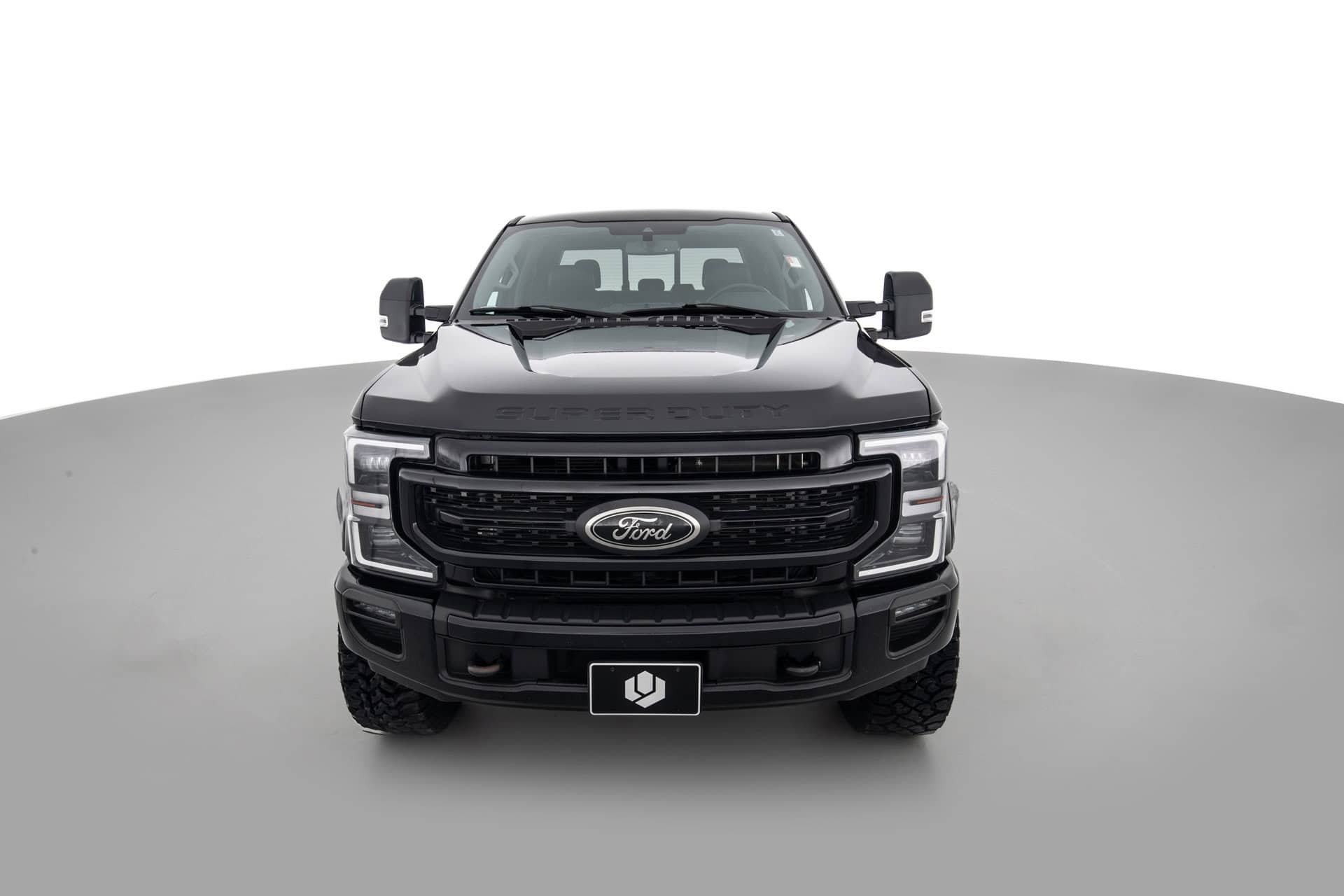
4. 1999–Early 2003 Ford F-250/F-350 Super Duty (7.3L Power Stroke)
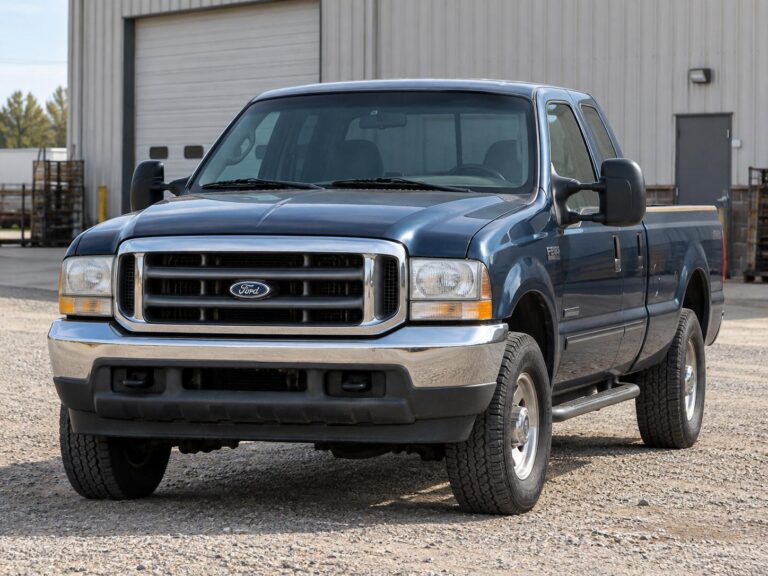
Buying an old work truck is a different job from buying an old half-ton because you like the look of it.
The 7.3L Power Stroke is why this truck is on the list. It built a huge following with people who actually tow and haul, and there’s still plenty of specialist know-how and parts support out there.
Check the engine on 2003 trucks. 2003 was the changeover year from the 7.3L to the 6.0L Power Stroke. Don’t assume every 2003 Super Duty has the 7.3L.
The other thing that’s changed is price. Everyone knows about these trucks now.
$10,000-15,000 can still get you in. Clean 4WD 7.3L trucks can push toward $20,000 or well beyond, depending on mileage, body style, and condition.
If you need the heavy-duty chassis and the diesel, the extra money can be worth it. If you just want a diesel badge on the fender, a gas half-ton will be a lot cheaper to own.
You can see the newer end of this market in our lifted diesel truck inventory.
Best for: Towing, hauling, and anyone who specifically wants an older diesel work truck.
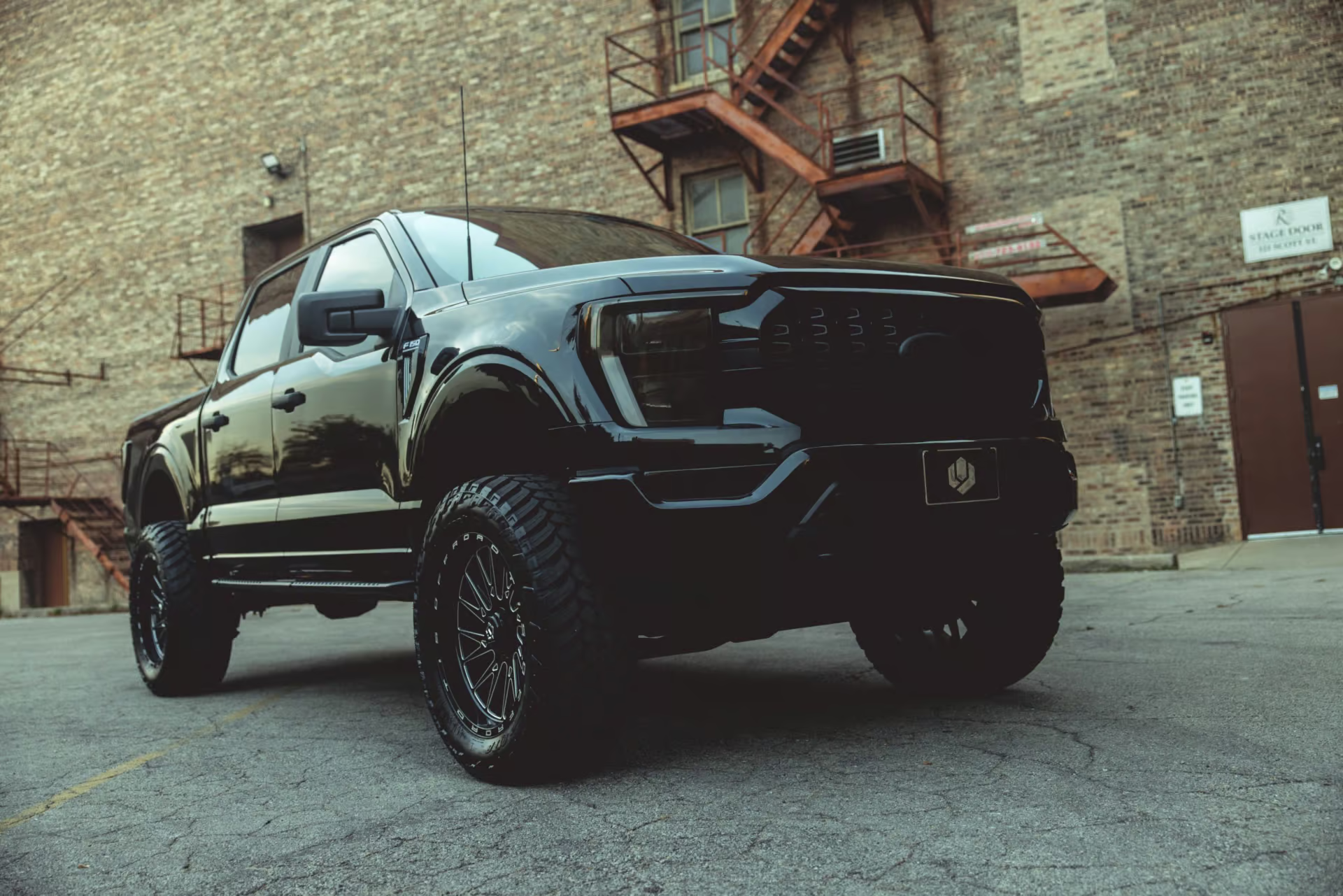
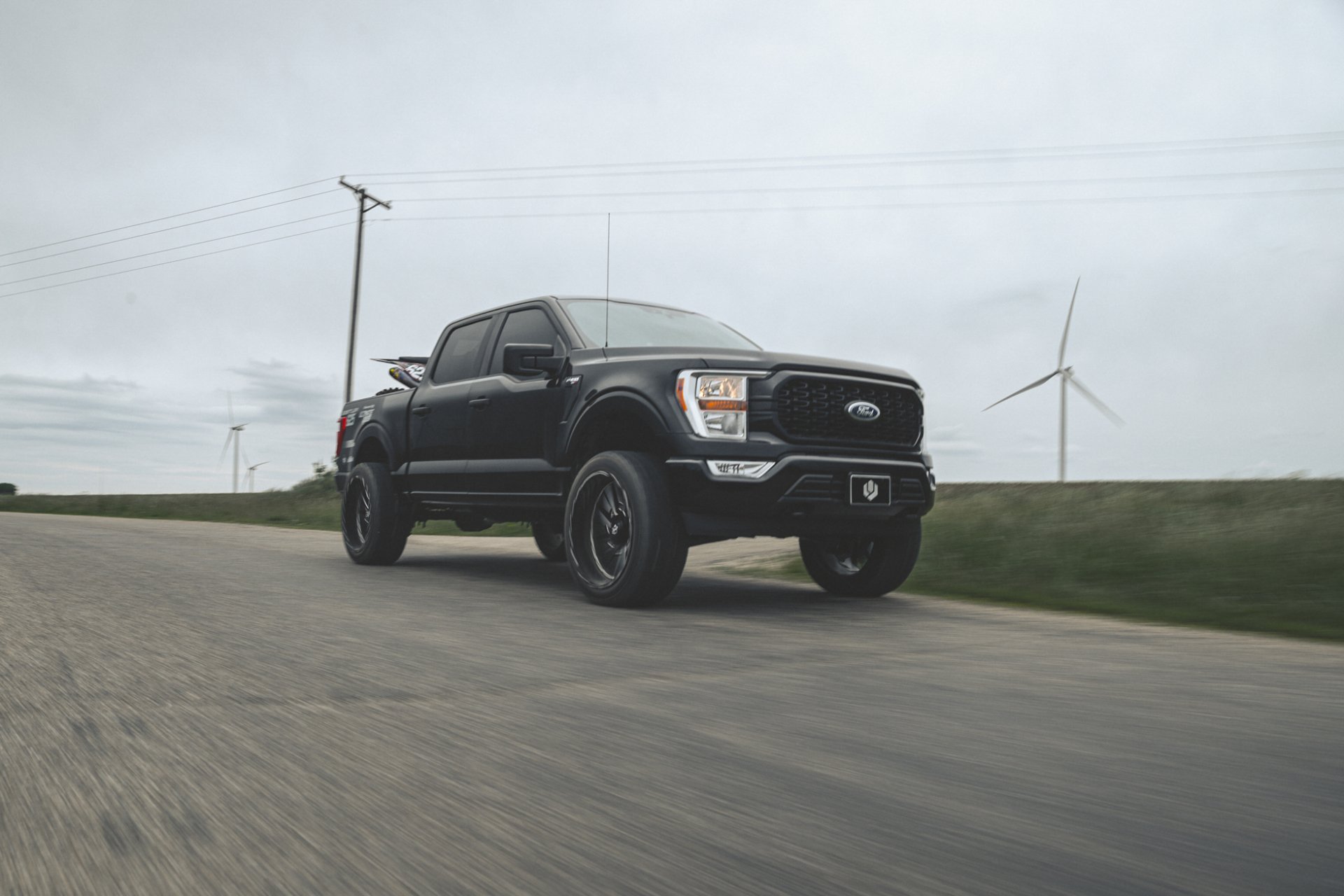
5. 2011–2013 Ford F-150
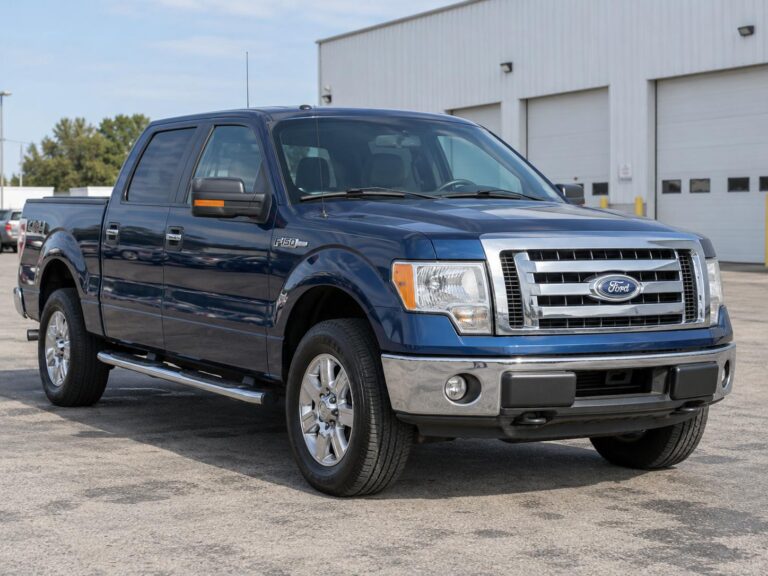
We start this one at 2011 for a reason. That’s the year the 5.0L V8 arrived in this generation of F-150.
It’s a good alternative to an older GM V8 without stepping up to a truly modern truck.
These F-150s are easy to live with. The cabin, ride, and everyday comfort are a clear step up from most of the ’90s and early-2000s trucks here, but prices have dropped enough that they still count as an older-truck buy.
Around $8,000 gets you a higher-mileage truck. $10,000–$18,000 covers a lot of the decent 2011–2013 market, depending on trim, drivetrain, and condition.
The aftermarket is huge, so suspension, wheels, tires, and styling upgrades are easy to find.
Would you rather start with one that’s already lifted? Have a look at our lifted Ford F-150 inventory.
Best for: An older pickup that’s still comfortable enough to drive every day.
6. 2009–2013 Dodge/Ram 1500
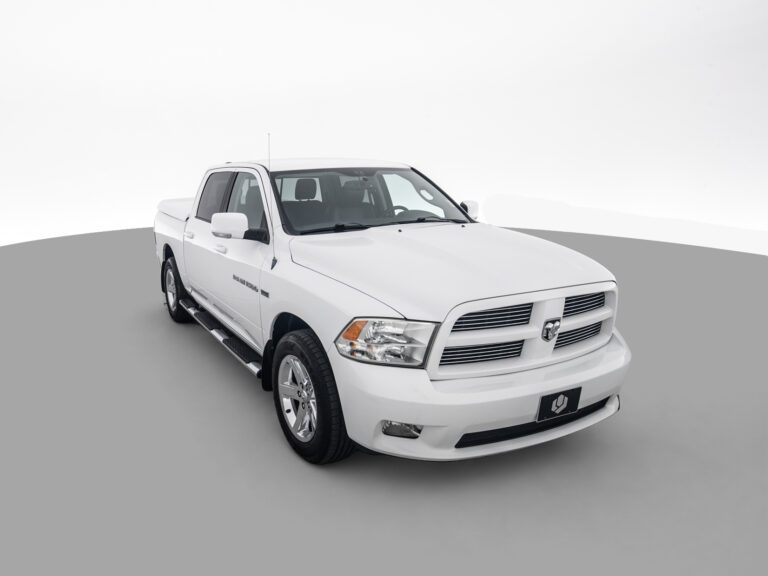
This is the one we’d look at if you want a V8 truck without paying newer-truck prices.
The 5.7L HEMI suits it well. Aftermarket support is strong; these Rams take a wheel-and-tire package or a lift well, and $8,000–$18,000 covers a good chunk of the October 2026 market.
As always, condition matters more than finding the cheapest ad. Look closely at maintenance, the suspension, and how the truck has been used.
Want something much older with a diesel? The 1994–2002 second-generation Ram with the Cummins is worth its own search. Just don’t expect it to be cheaper because it’s older. Good ones have a strong following.
For the later trucks, browse our lifted Ram 1500 inventory to see how they look once they’re built.
Best for: V8 buyers who want the most truck for their money.
7. 1995–2004 Toyota Tacoma
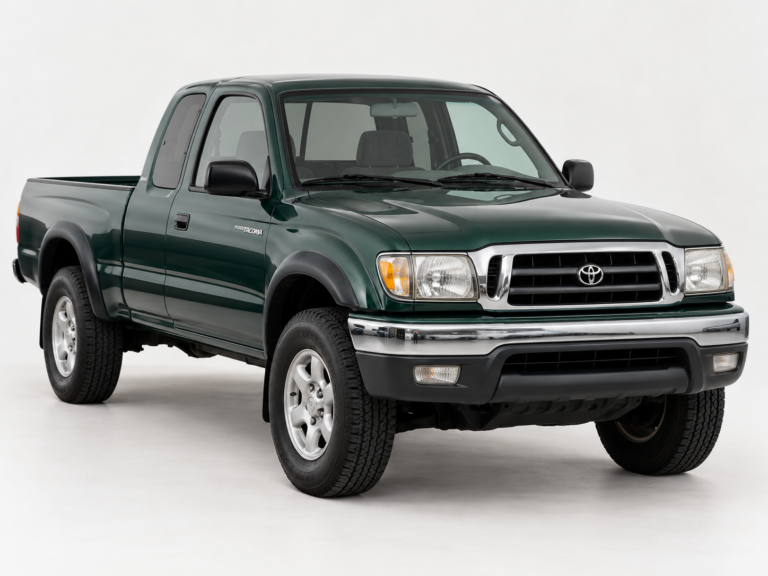
Not everyone looking for an old pickup wants a full-size truck.
The first-generation Tacoma is smaller, easier to place on a narrow trail, and easier to park than anything else in this guide. Go for the 2.7L four-cylinder if you want simplicity, or the 3.4L V6 if you want more power.
The odd thing is the price. Old Tacomas don’t always get cheaper with age the way other old vehicles do.
Roughly $6,000-18,000 covers most of the current market. Clean 4WD trucks can go higher.
Look hard at the frame. Toyota ran frame-corrosion programs on 1995–2004 Tacomas after problems with heavy rust. Those programs have ended, so don’t count on Toyota fixing a rusty frame now.
Ask whether the frame was ever inspected or replaced. Then get underneath and look for yourself, before you fall for the bodywork from ten feet away.
Best for: A smaller old pickup for daily use, trails, and lighter truck jobs.
8. 2007–2013 Toyota Tundra
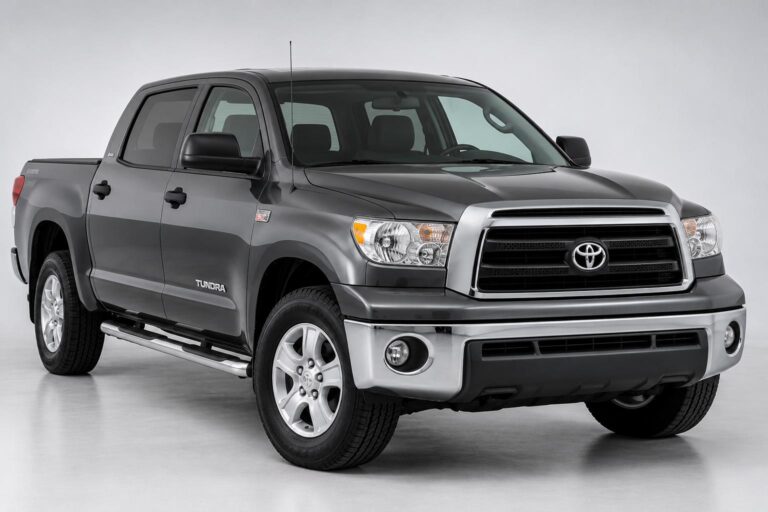
The Tundra is the newest truck on our list, and 2013 is where we draw the line.
This generation gets you a proper full-size pickup with an available 5.7L V8, without straying into everyday late-model used trucks.
Expect to pay more than you would for an F-150 or Ram of the same age. Around $10,000 gets you in at the lower end. Good later trucks can go past $20,000.
That Toyota premium isn’t a reason to walk away. Just make sure the truck itself is worth the extra, rather than paying for the name on the tailgate.
Best for: A full-size V8 truck if you’re happy to spend a bit more upfront.
What Makes an Old Pickup Worth Buying?
For us, a good old truck is one you can still use, not just look at.
That means:
- Parts shouldn’t take months to track down
- Mechanics should still know the platform
- There’s enough aftermarket support to repair or modify it without reinventing it
Price matters too. But cheap and good value aren’t the same thing.
A $6,000 pickup that needs brakes, tires, front-end work, cooling system repairs, and a transmission within a year is a very expensive $6,000 truck.
We’d rather you buy a solid example of the second- or third-cheapest truck on your list than chase the cheapest one you can find.
If long-term dependability is what you care about most, we’ve covered that in our guide to the most reliable 4×4 trucks.
What to Check Before Buying an Old Truck
Start underneath. Frame and underbody come first, especially if the truck has lived somewhere that salts the roads. Surface rust and structural rust are very different things. Fresh paint on top won’t fix a rotten frame.
Find out how it was used. Twenty years of office commuting is very different from towing a landscaping trailer every day, plowing snow, or working a farm. The odometer won’t tell you which.
Drive it properly.
- Does the transmission shift cleanly?
- Does the 4WD engage?
- Does the steering feel tight and track straight?
- Any clunks from the suspension?
- Are the tires wearing evenly?
Look for leaks and skipped maintenance. An old truck doesn’t have to be spotless underneath. But several active leaks plus worn belts, old hoses, and overdue servicing usually tell a story.
Check any modifications. Lift kits, bigger tires, and aftermarket wheels aren’t automatically bad. We build modified trucks ourselves. What matters is whether the parts were the right ones and were installed properly.
Rust is also why we’re picky about the trucks we buy. We look outside the Midwest for good trucks rather than buying whatever’s closest to the shop.
Should You Buy an Old Truck Stock or Already Modified?
Both can work.
A stock truck gives you a clean slate. If you already know the suspension, wheel, and tire setup you want, starting stock means every choice is yours.
A properly modified truck can save you money. A quality lift, wheels, tires, and alignment add up, so buying one where the work’s already been done right can make sense.
The important part is “done right.”
Get underneath and check:
- the brand and condition of the suspension parts
- tires rubbing or fenders that have been cut up
- odd wheel offsets
- bad welds
- signs of alignment problems
A crooked steering wheel and uneven tire wear are red flags, however nice the wheels look.
Would you rather start with your own truck and build it your way? Our custom truck builds cover suspension, wheel, and tire packages and alignment in one go, and we also handle standalone lift kit installs.
Is an Old Truck Still Worth Buying in 2026?
Yes, as long as you buy the right truck and not just any old one.
Your money goes into a proven platform instead of depreciation on something nearly new. Older trucks also have mature parts markets and plenty of ways to modify them.
But age catches up with everything.
Rubber perishes. Bushings wear out. Brake lines corrode. Interiors crack. Electrical connectors start acting up. A 20-year-old truck with a strong engine can still need plenty of other work.
So always leave some money in the budget after you buy.
A $7,000 truck that needs $5,000 of work straight away isn’t a better deal than the cleaner $12,000 truck parked next to it.
Looking for an Older Lifted Truck?
Like the idea of an older pickup, but don’t want to start the build from scratch? Have a look through our lifted truck inventory.
Stock changes all the time, but we regularly have lifted Ford, Chevrolet, GMC, and Ram trucks. Some are already modified when we buy them. Others get a new lift, wheels and tires here before they go on sale.
Most of what’s on the lot will be newer than the old-school picks in this guide. The same rule still applies, though: start with a good truck, then make it look the way you want.
Best Old Trucks FAQs
What are the best old trucks to buy in 2026?
It depends what you need the truck for:
- All-rounder: 1999–2013 Silverado or Sierra with the 5.3L V8
- Old-school pickup: 1988–1998 Chevy/GMC C/K or 1987–1996 Ford F-Series
- Work truck: 1999–early 2003 Super Duty with the 7.3L Power Stroke
- Daily driver: 2011–2013 F-150 or 2009–2013 Ram 1500
- Smaller truck: 1995–2004 Toyota Tacoma
- Full-size Toyota: 2007–2013 Tundra
Are old pickup trucks still worth buying?
They can be.
You get a lower buy-in price, easy-to-find parts, and plenty of aftermarket support. The trade-off is age-related maintenance, so condition and service history matter more than the lowest price you can find.
How old is too old for a used truck?
There’s no fixed age.
A well-kept 25-year-old truck can be a better buy than a neglected 12-year-old one. At this age, the frame, maintenance, mileage, past use, and parts availability tell you more than the model year.
How many miles is too many for an older truck?
It depends on the miles.
A 180,000-mile truck with full service records and mostly highway driving can be a better buy than a 110,000-mile truck that spent its life towing heavy trailers or plowing snow.
Treat mileage as one part of the decision, not the whole decision.
What should I check before buying an old work truck?
Start with the frame, suspension, steering, brakes, tires, and drivetrain. Make sure the transmission behaves, test the 4WD if it has it, look for active leaks, and check for signs of hard towing, commercial use, or snow plowing.
For a work truck, we’d take mechanical condition over cosmetic perfection every time.
Is it better to buy an old truck stock or already lifted?
A stock truck gives you more control over the build. An already lifted truck can be good value if quality parts were installed properly.
Check the suspension, tire clearance, alignment, and overall workmanship. Don’t assume a lift adds value on its own.
How much should I spend on an old pickup truck?
For the trucks in this guide, $8,000–$20,000 covers most of the practical market in October 2026.
High-mileage trucks can cost less. Clean OBS trucks, desirable diesels, and low-mileage Toyotas can cost a lot more.
Whatever you spend, keep some money back for an inspection, maintenance, and anything the last owner put off.