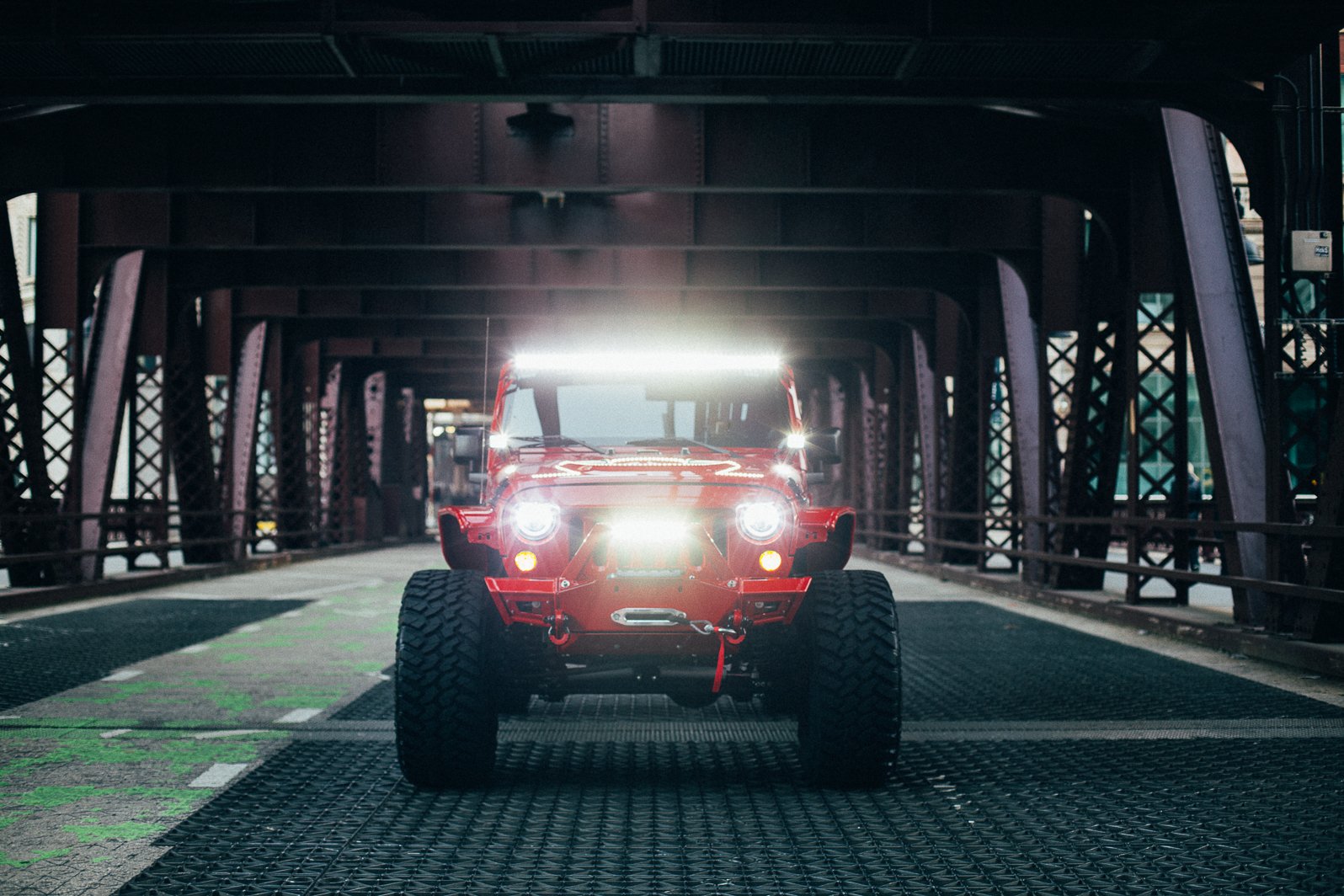
How Much Does Lift Kit Installation Cost in 2026?
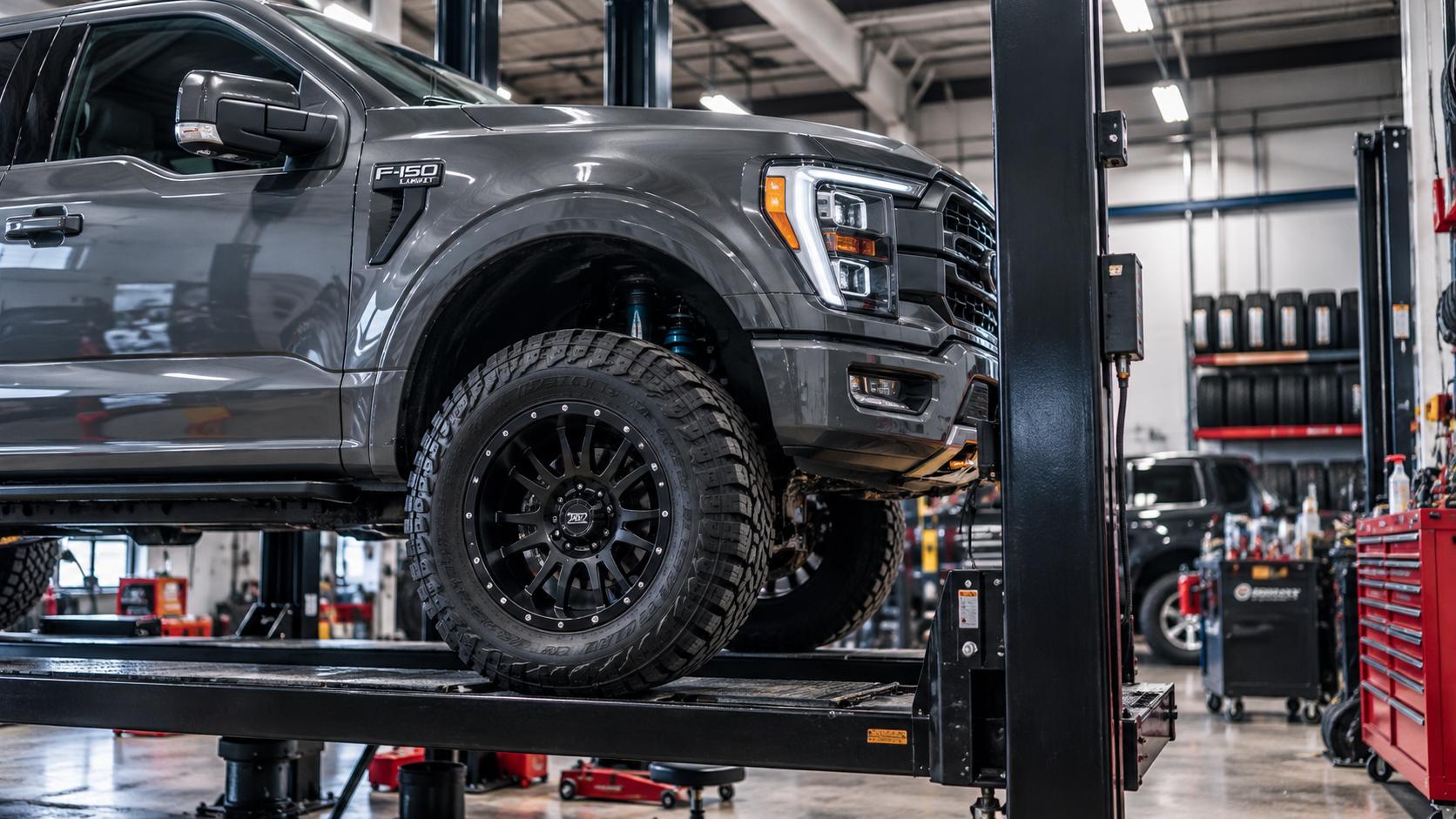
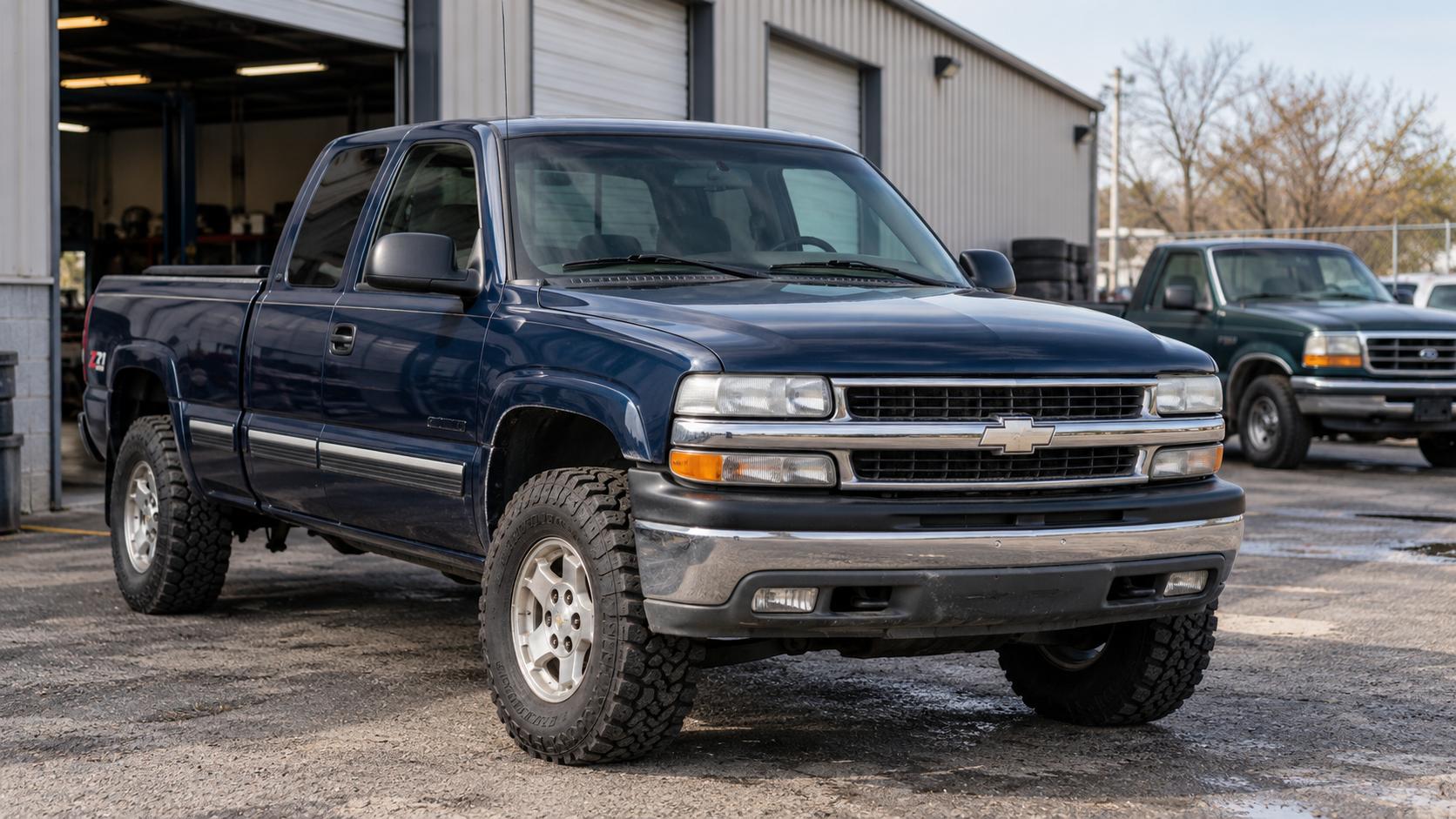
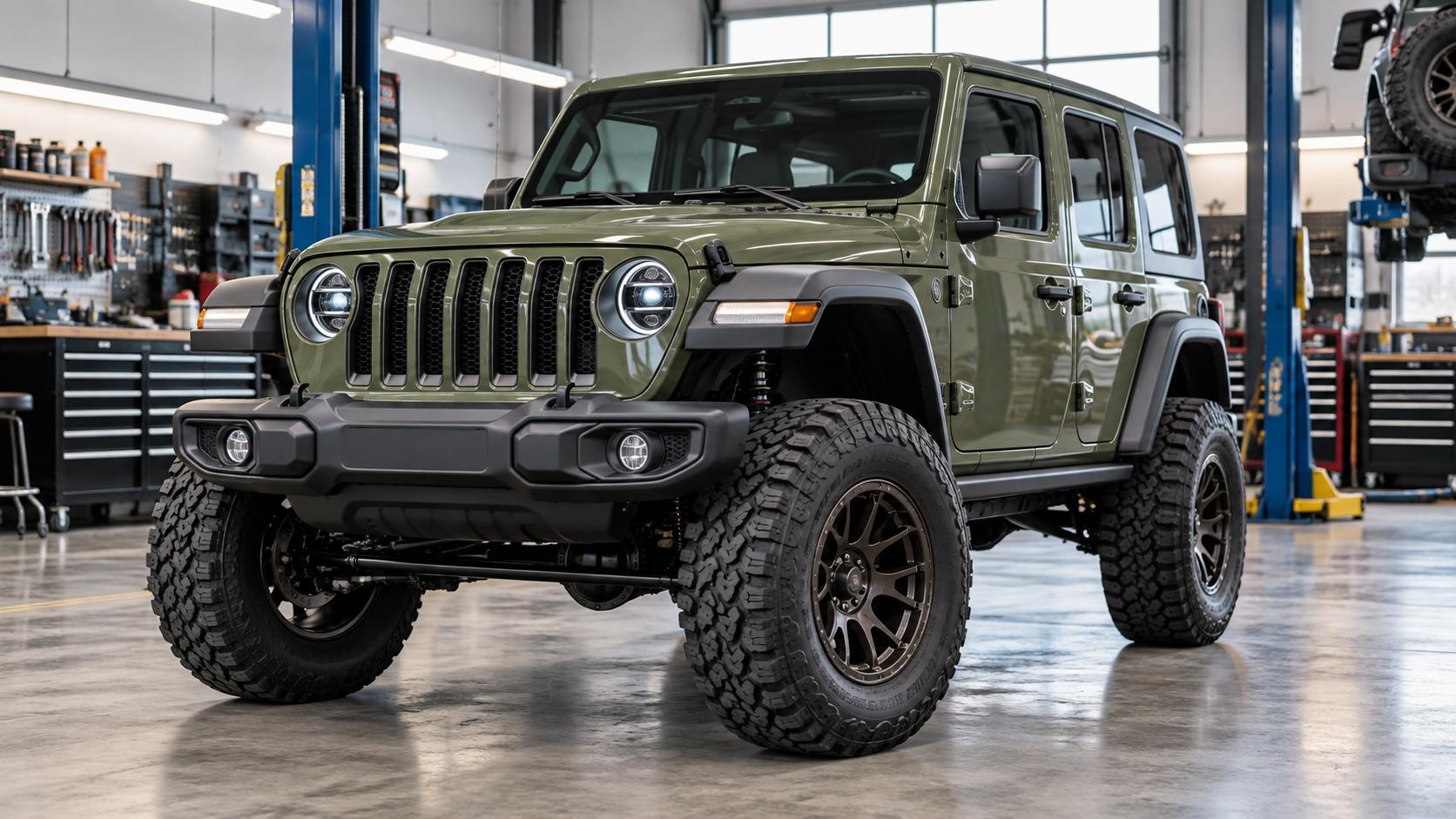
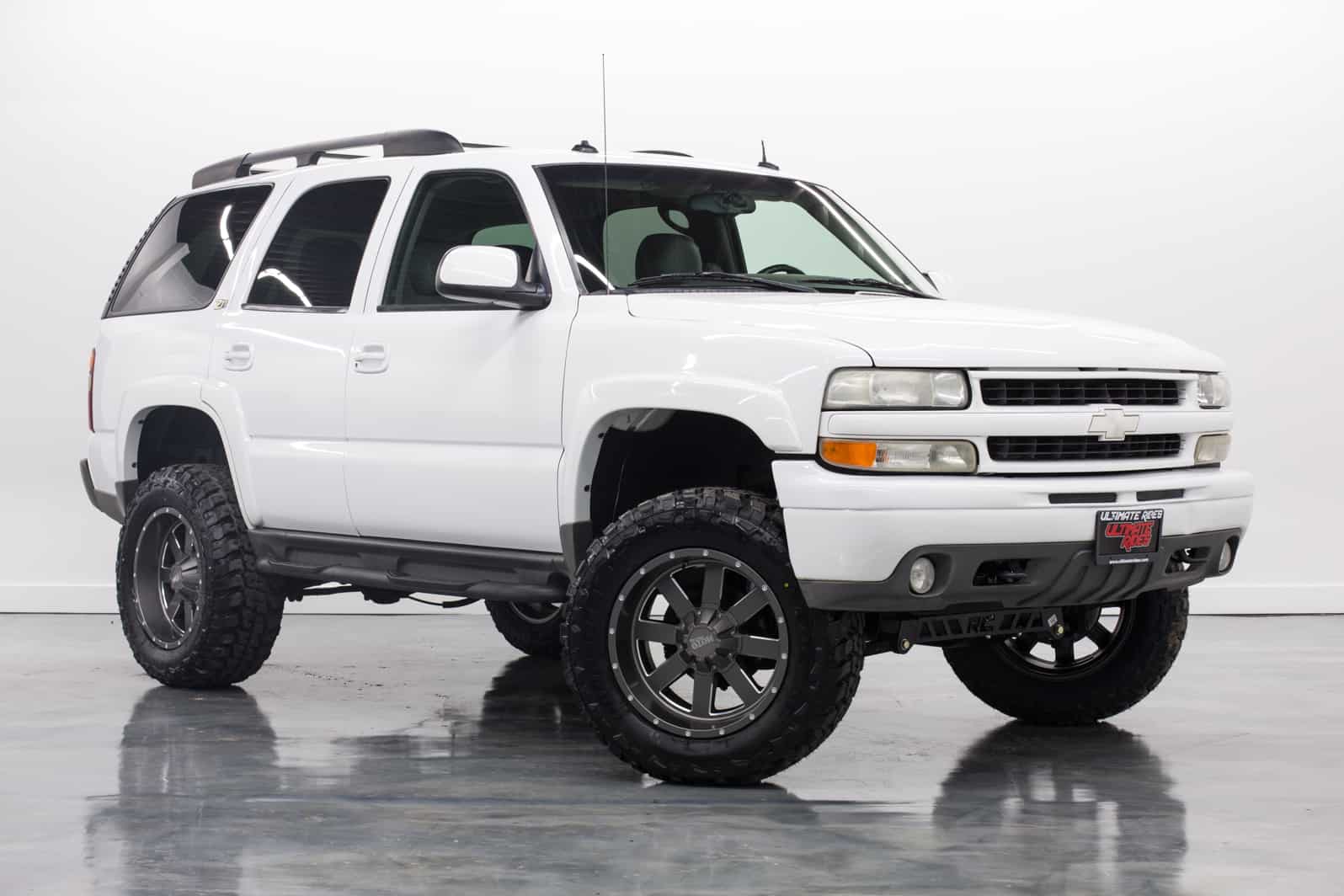
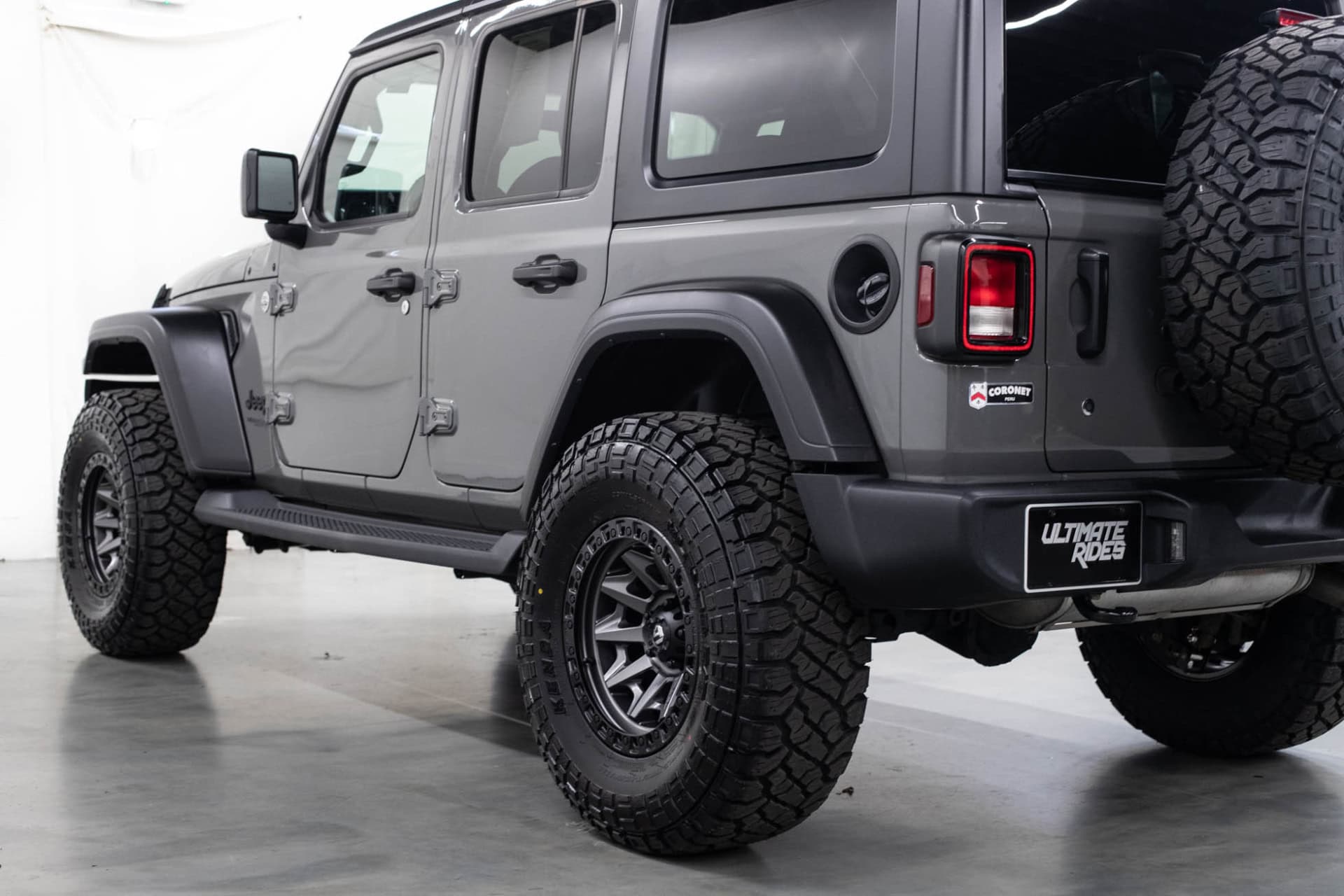
Lift kit installation can cost as little as $300 for a basic 1- to 2-inch setup or $7,500 or more for a complete 6-inch suspension build. For most professionally installed truck, Jeep, and SUV lifts in 2026, a realistic budget is $800 to $4,000 for the kit and labor together.
The spread is that wide because the jobs are so different. Bolting in a set of spacers takes a few hours. A 6-inch system with new crossmembers, control arms, knuckles, and shocks can keep a truck in the shop for a day or more.
Your vehicle, the kit you choose, the condition of your current suspension, and whether you’re adding wheels and tires at the same time all affect the final cost to install a lift kit. Below, we break down each part of the cost so you can set a realistic budget before you start collecting quotes.
Quick Facts: What Lift Kit Installation Really Costs
- The usual bill: Most installed suspension lifts land between $800 and $4,000 for the kit and labor combined.
- Lift kit labor cost: About $150 for a simple spacer job, up to $2,500 or more for a full 6-inch system.
- Inches are only a rough guide: Two 4-inch kits for the same truck can need very different amounts of shop time, depending on what’s in the box.
- Alignment comes with every lift: Ride height changes your alignment. Check whether your quote includes it or bills it separately.
- Why jobs run over: Rusted bolts, factory air suspension and worn ball joints or bushings found mid-install are the usual culprits.
- Cheapest way to lose the factory rake: A leveling kit, which raises the front only and needs far less labor than a full lift.
- About these numbers: They’re typical 2026 U.S. market ranges to help you budget. They aren’t Ultimate Rides prices, and your actual cost will depend on your vehicle, the kit, and any extra work it needs.
Lift Kit Parts vs. Labor: What Are You Actually Paying For?
A common budgeting mistake is treating the price of the kit as the price of lifting the truck. The kit is only part of the bill. The table below splits parts and labor so you can see where the money goes at each lift height.
| Lift height/setup | Typical parts cost | Typical labor cost | Typical parts + labor |
|---|---|---|---|
| 1–2″ mild lift | $600 | $600 | $1,200 |
| 2–3″ suspension lift | $1,800 | $1,000 | $3,000+ |
| 3–4″ suspension lift | $3,000+ | $2,000 | $5,000+ |
| 4–6″+ suspension lift | $5,000+ | $2,500+ | $7,500+ |
Pricing note: The figures in this article are general market ranges for budgeting. They aren’t Ultimate Rides prices or quotes. What you pay at any shop, including ours, will depend on your vehicle, the kit you choose, local labor rates, and anything else the job turns up.
These ranges line up with current 2026 installer pricing, with basic spacer installs starting in the low hundreds and complete 3.5- to 4-inch systems reaching several thousand dollars once parts and labor are added together.
These figures cover the kit and the installation only. Some shops include alignment in their quote, and some bill it separately, and wheels, tires, and any worn parts that need replacing will add to the total.
If you want a closer look at kit prices on their own, see our guide: How Much Does a Lift Kit Cost? This article focuses on the installation side: what you pay to have the kit put on correctly.
What Does Lift Kit Installation Labor Cover?
On a basic setup, the installer removes a few factory parts, installs spacers or replacement components, puts everything back together, torques the hardware, and aligns the vehicle.
A bigger suspension lift involves a lot more. Depending on the truck and kit, the job can include control arms, crossmembers, steering knuckles, differential brackets, track bars, springs, shocks, rear blocks, and brake-line brackets.
That’s why two kits sold as the same lift height can take very different amounts of time to install. Labor pays for taking the factory suspension apart, installing the new parts, checking clearances and geometry, torquing everything to spec, and making sure the vehicle drives straight once it’s back on the ground.
1- to 2-Inch Lift Kit Installation Cost
Small lifts are the cheapest option. The kit may only cost a few hundred dollars, and installation usually takes a few hours rather than a full day. Budget around $1,200 for parts and labor.
At this height, you’re typically looking at spacers, replacement springs or struts, or a mild suspension kit. If your main goal is to get rid of the factory nose-down stance, a leveling kit may be all you need. We cover that further down.
2- to 3-Inch Lift Kit Installation Cost
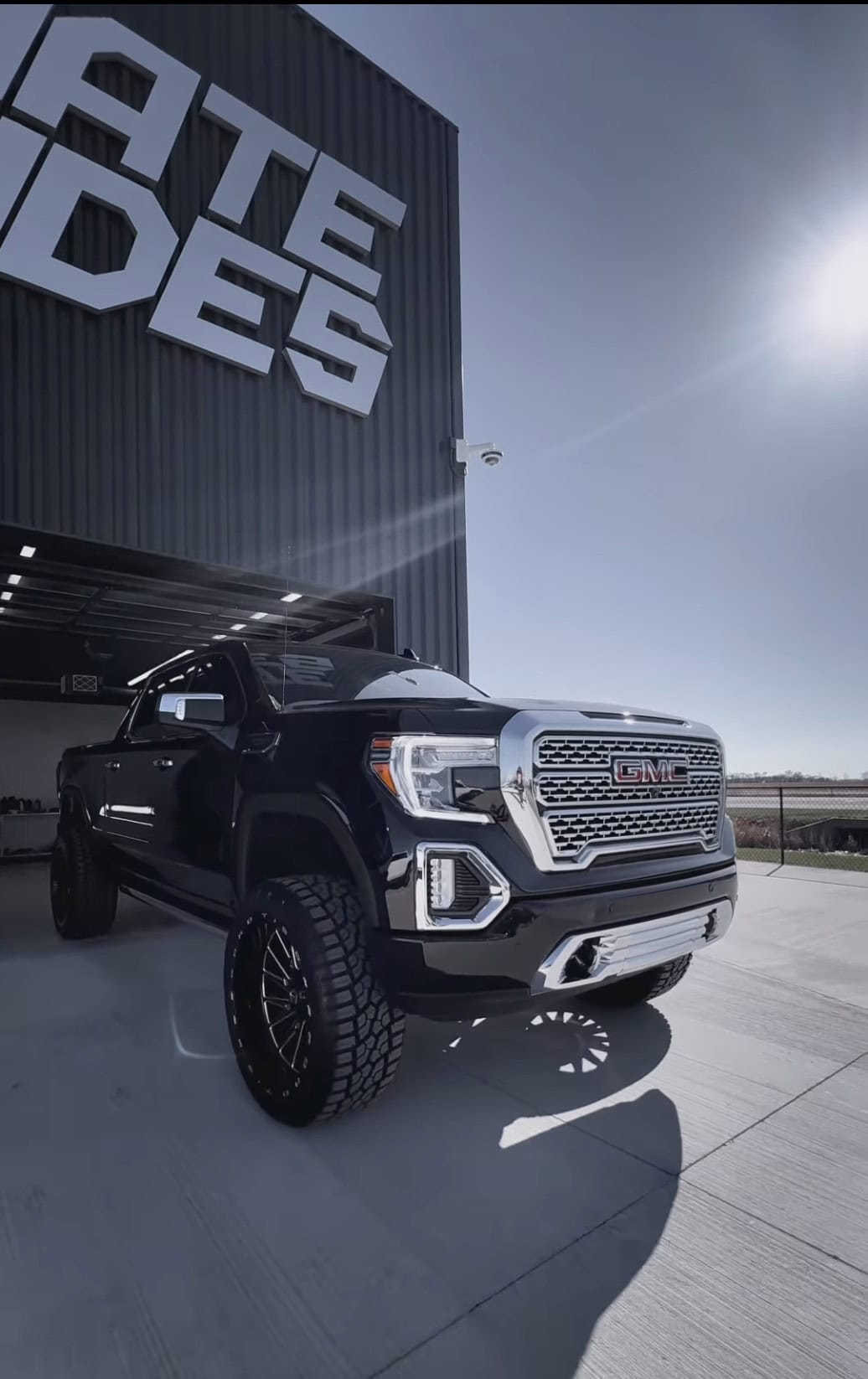
A lot of daily-driven lifted trucks and Jeeps sit in this range. Budget roughly $3,000+ for the kit and professional installation.
Where you land depends on what the kit includes. One that uses factory mounting points goes on fairly quickly, while a premium spring-and-shock package or a kit with new control arms costs more and takes longer.
For many owners, this height is the sweet spot. You get a noticeable change in stance and room for bigger tires without the complexity of a 4- or 6-inch build.
3- to 4-Inch Lift Kit Installation Cost
At 3 to 4 inches, you’re usually into a more complete suspension system. A realistic suspension lift installation cost at this height is $5,000+ for parts and labor in 2026, though the figure varies a lot between vehicles.
Kits at this height often include control arms, axle-positioning parts, steering or differential brackets, and upgraded shocks to keep the suspension working correctly at the new height. Labor alone for some 3.5- to 4-inch systems typically runs $800 to $2,000, depending on the number of parts involved and local shop rates.
4- to 6-Inch Lift Kit Installation Cost
At 4 to 6 inches, you’re paying for a full suspension build. A budget of $7,500+ for parts and labor covers most of these jobs, and premium systems can go higher.
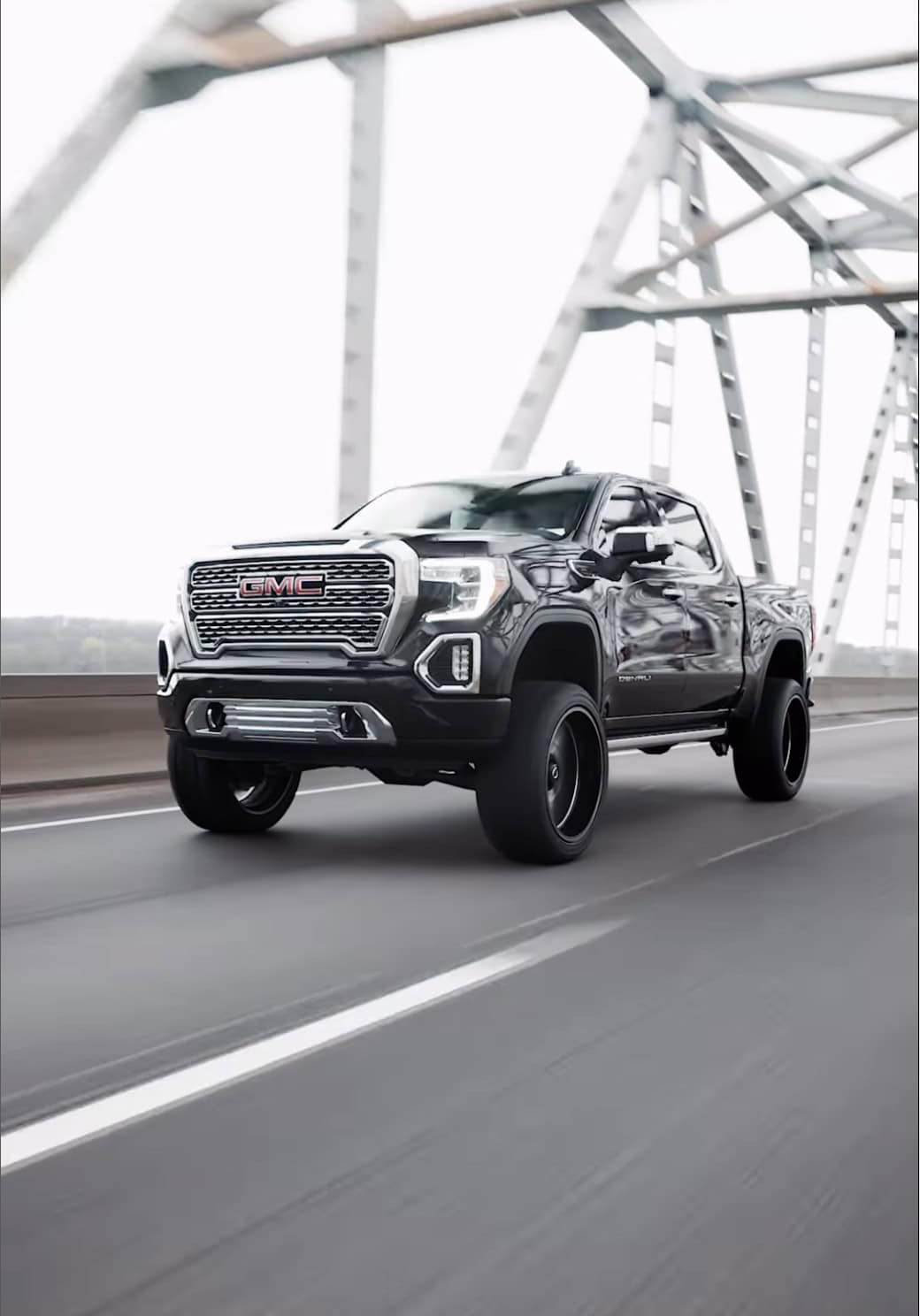
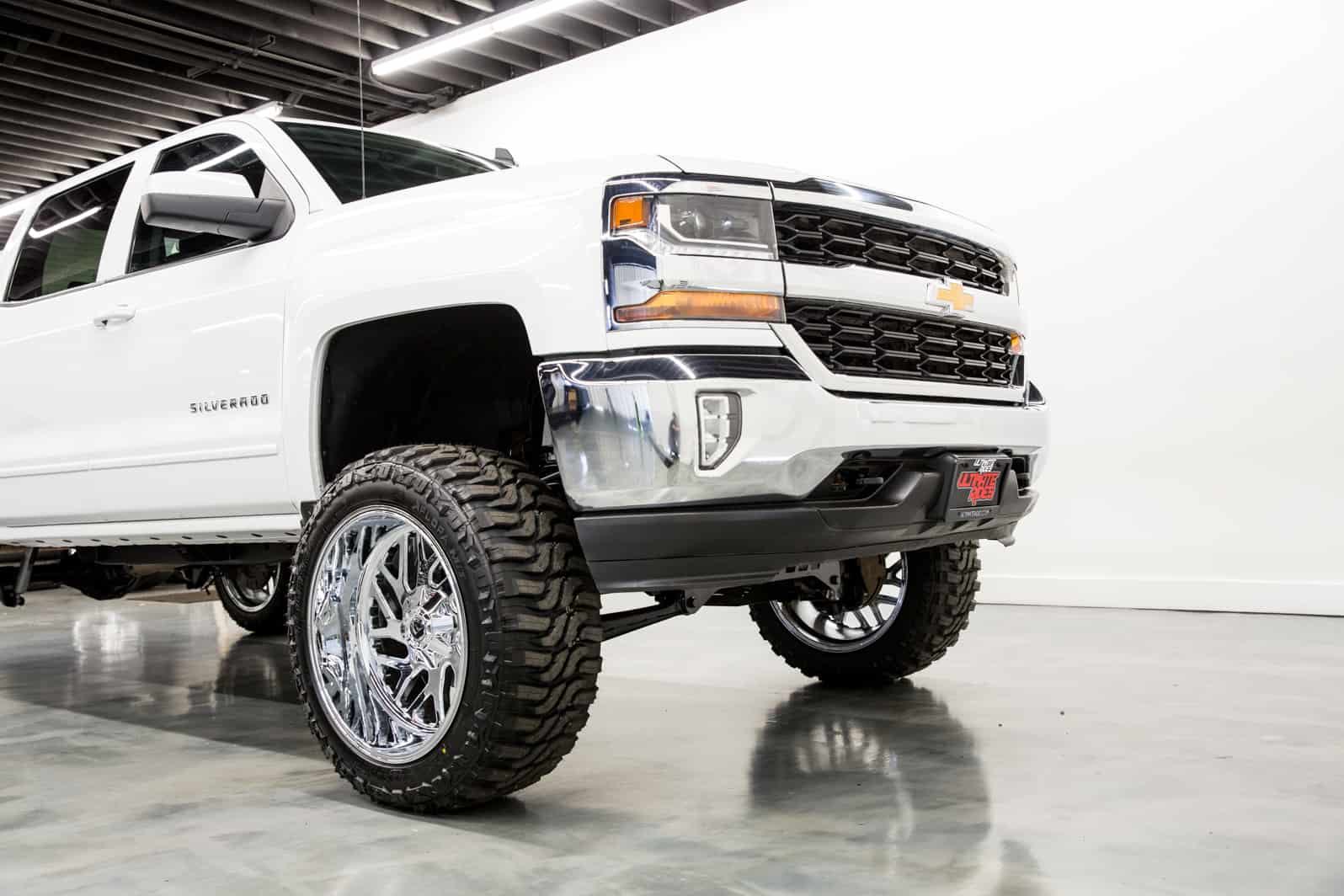
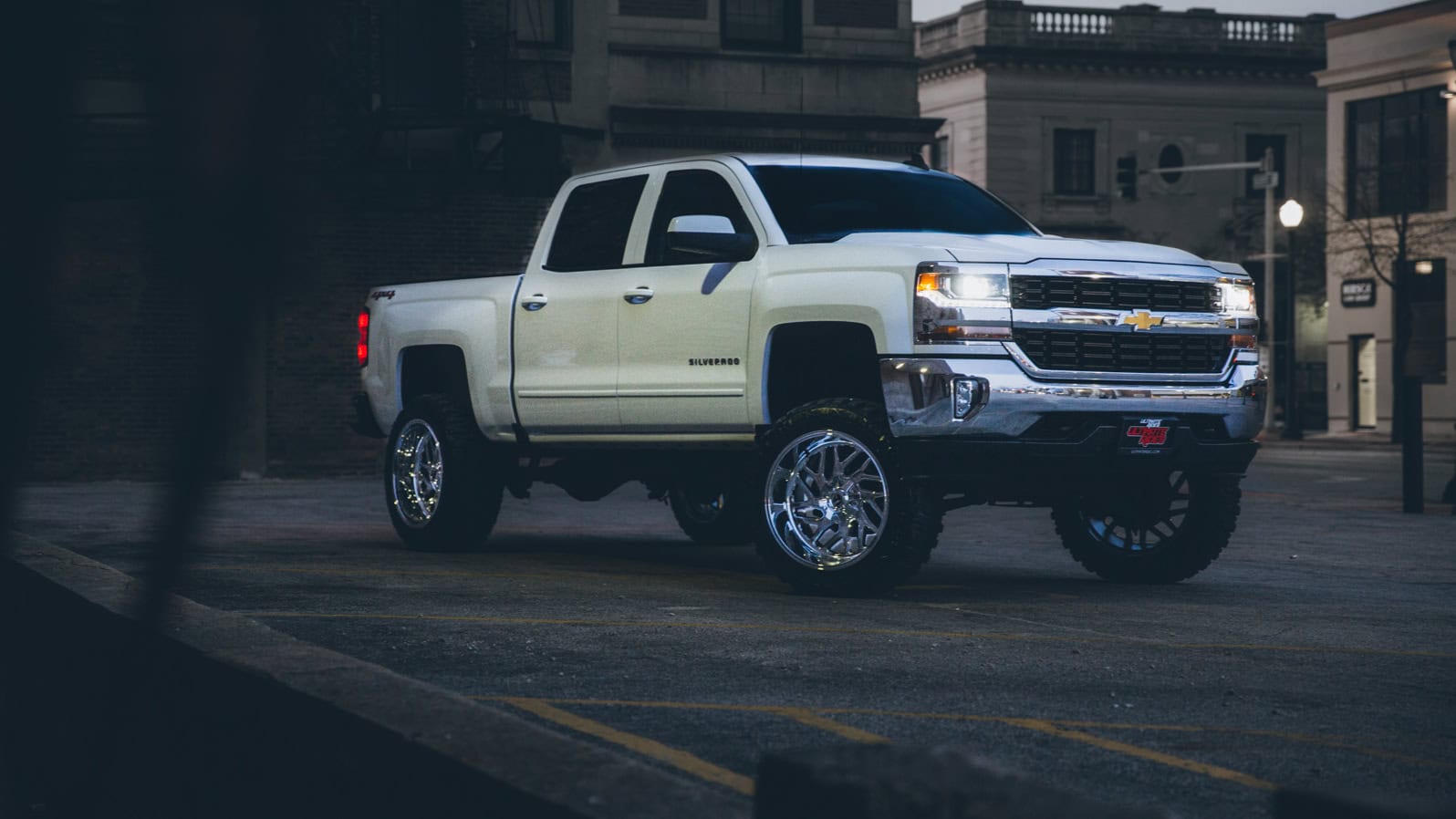
A 6-inch lift for a modern half-ton truck may come with replacement crossmembers, steering knuckles, differential drop brackets, rear lift parts, shocks, and a long list of vehicle-specific hardware. Installation commonly takes eight hours or more.
If you’re going this high to run 35- or 37-inch tires, budget for the wheel and tire package separately.
Does Lift Kit Brand Change the Installation Cost?
It does, but the brand tells you less than the specific kit. BDS, Zone, Fabtech, and ReadyLIFT each sell several types of systems, and prices within one brand can differ by thousands of dollars depending on the truck and the components included. What matters is what that kit contains and how long it takes to install. The kit prices below are taken from each manufacturer’s current listings, not from us, and they can change.
BDS Lift Kit Installation
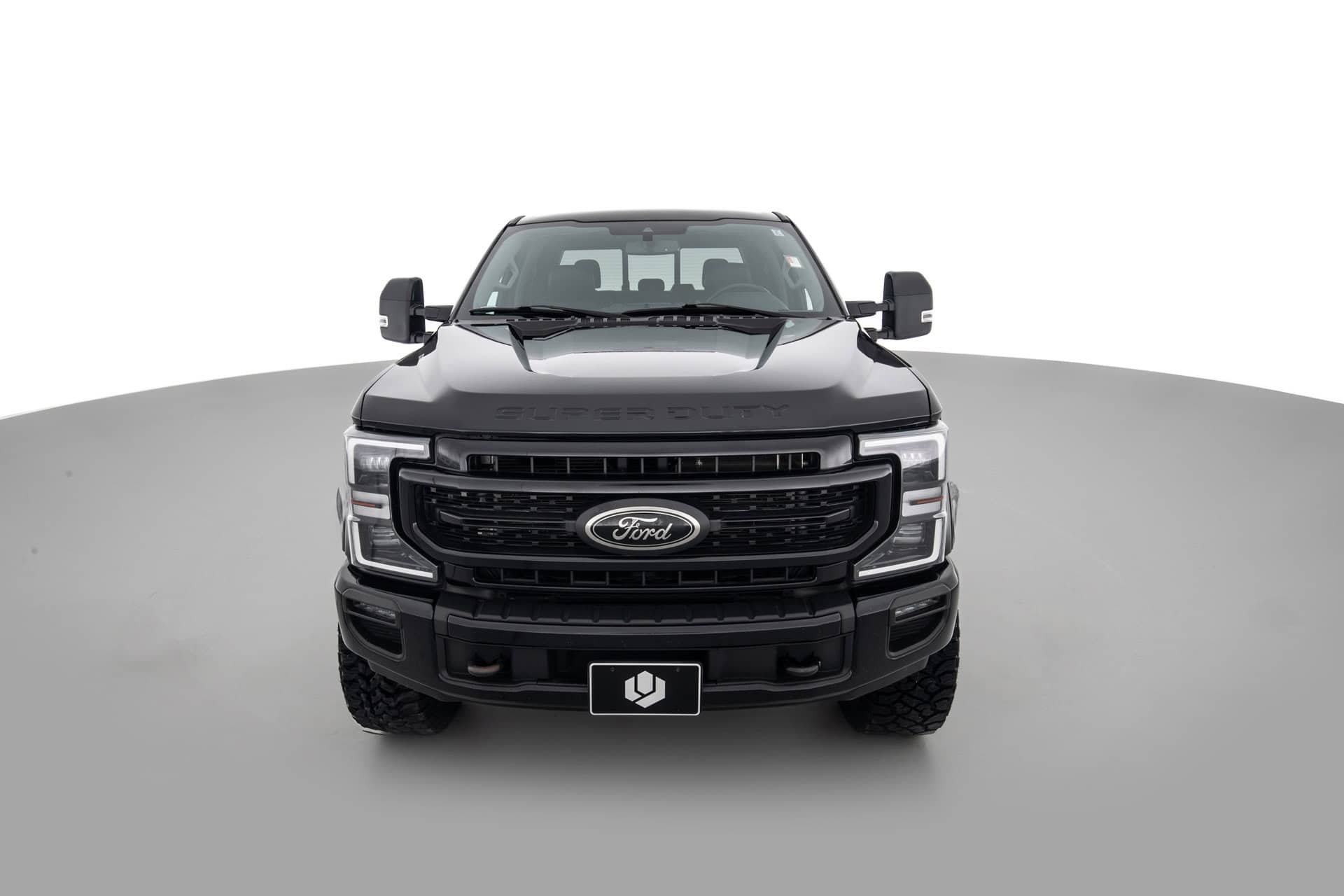
BDS makes everything from mild leveling and suspension setups to 6-inch-plus systems and premium coilover conversions. Current BDS listings include a 3-inch radius-arm system for newer Ford Super Duty trucks, priced at around $1,750 in parts, and a 6-inch Silverado/Sierra 1500 kit, priced at roughly $2,250. Premium coilover and long-arm versions cost considerably more.
So a BDS install could be a fairly simple suspension job or a much bigger build, depending on which system you pick. Our BDS lift kit installation page covers the BDS systems we supply and install.
Zone Offroad Lift Kit Installation
Zone has one of the widest price ranges. Its simple leveling and mild lift kits cost well under $500, while its 4-inch truck systems with radius arms, steering correction, crossmembers, or differential relocation can run well over $1,000 in parts.
That makes Zone a good choice if you’re watching the budget. Just don’t expect a Zone spacer kit and a full Zone 4-inch system to cost anywhere near the same to install.
Fabtech Lift Kit Installation
Many Fabtech systems are large and involved, so parts prices climb quickly. Current examples include 4-inch GM truck systems at around $2,200 and 6-inch Ram 1500 systems from around $2,000. Versions with Fabtech’s Dirt Logic coilovers and shocks can reach $4,800 or more before installation.
These complete systems are also where labor becomes a big share of the bill. Crossmembers, steering parts, differential relocation, coilovers and rear suspension work all take time to install correctly.
ReadyLIFT Installation
ReadyLIFT’s range runs from mild leveling kits to 3-inch suspension kits and 6- to 8-inch truck systems. A current 6-inch F-150 kit lists at about $2,420, several GM 4- and 6-inch systems sit around $2,900, and higher-spec systems reach about $5,000 in parts alone.
If you call a shop and ask, “How much to install a ReadyLIFT kit?”, expect them to ask which kit and which truck before they give you a number.
Still comparing manufacturers? Our guide to the best truck lift kits goes into the different types of setups in more detail.
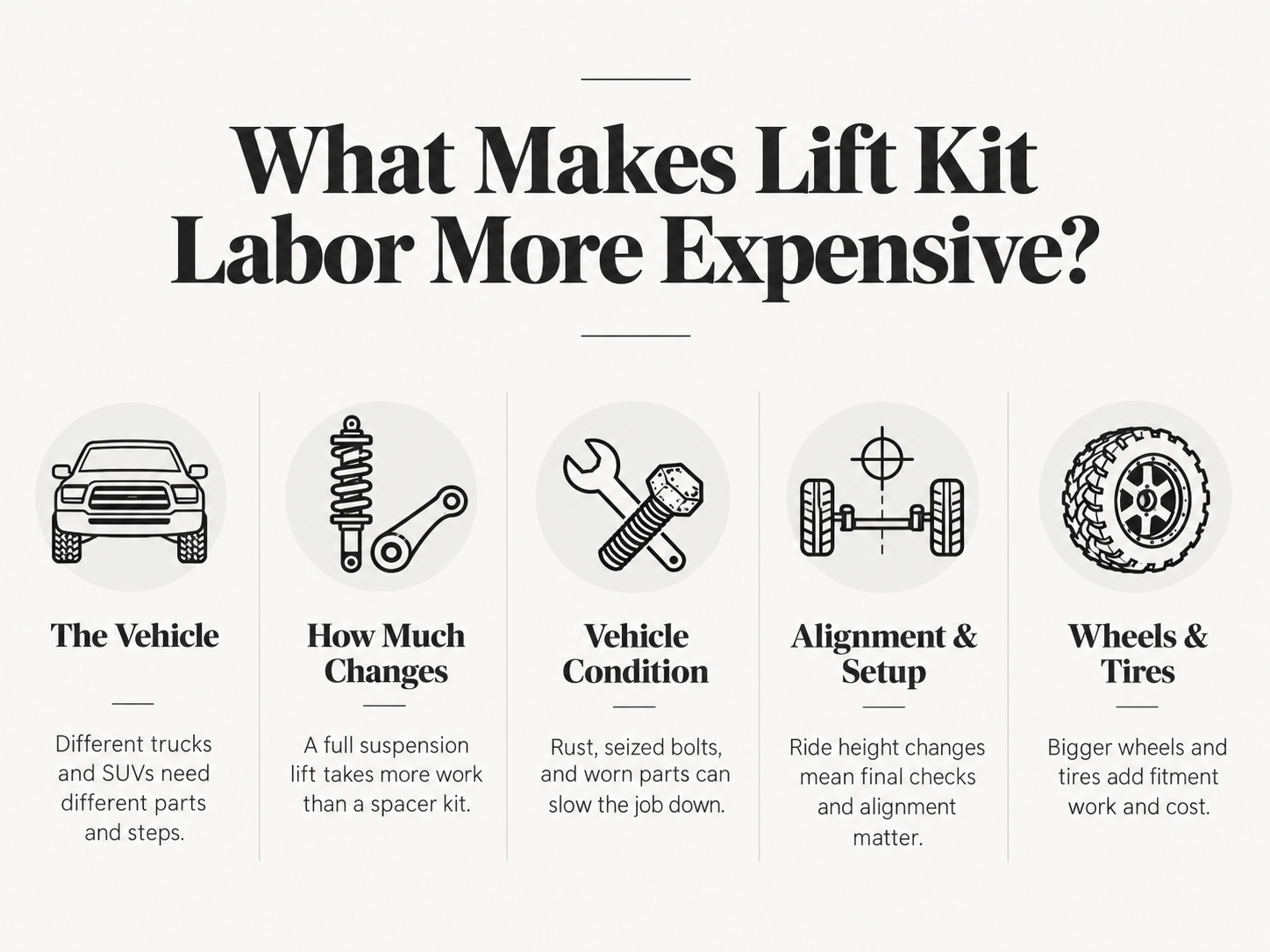
What Makes Lift Kit Labor More Expensive?
The Vehicle
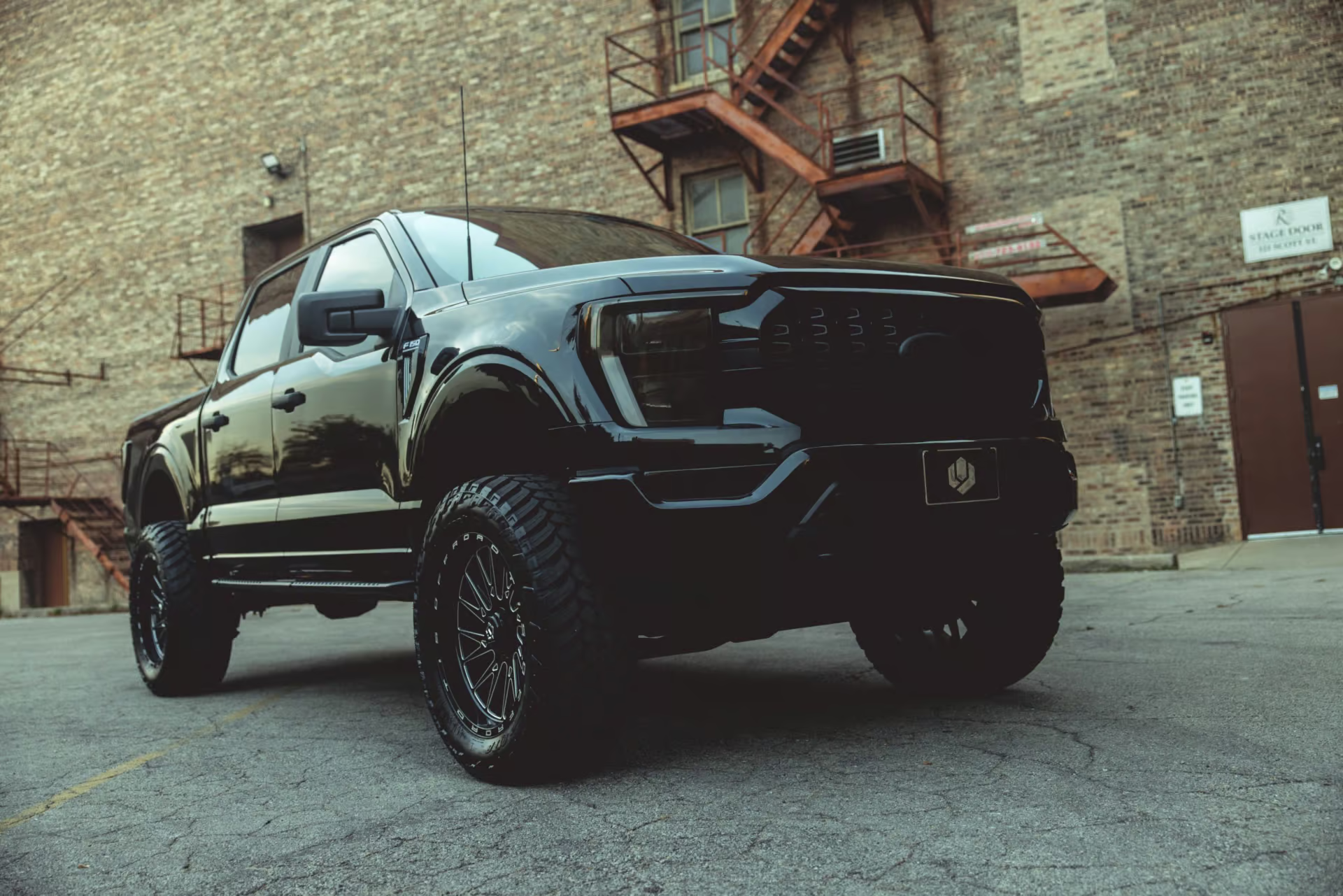
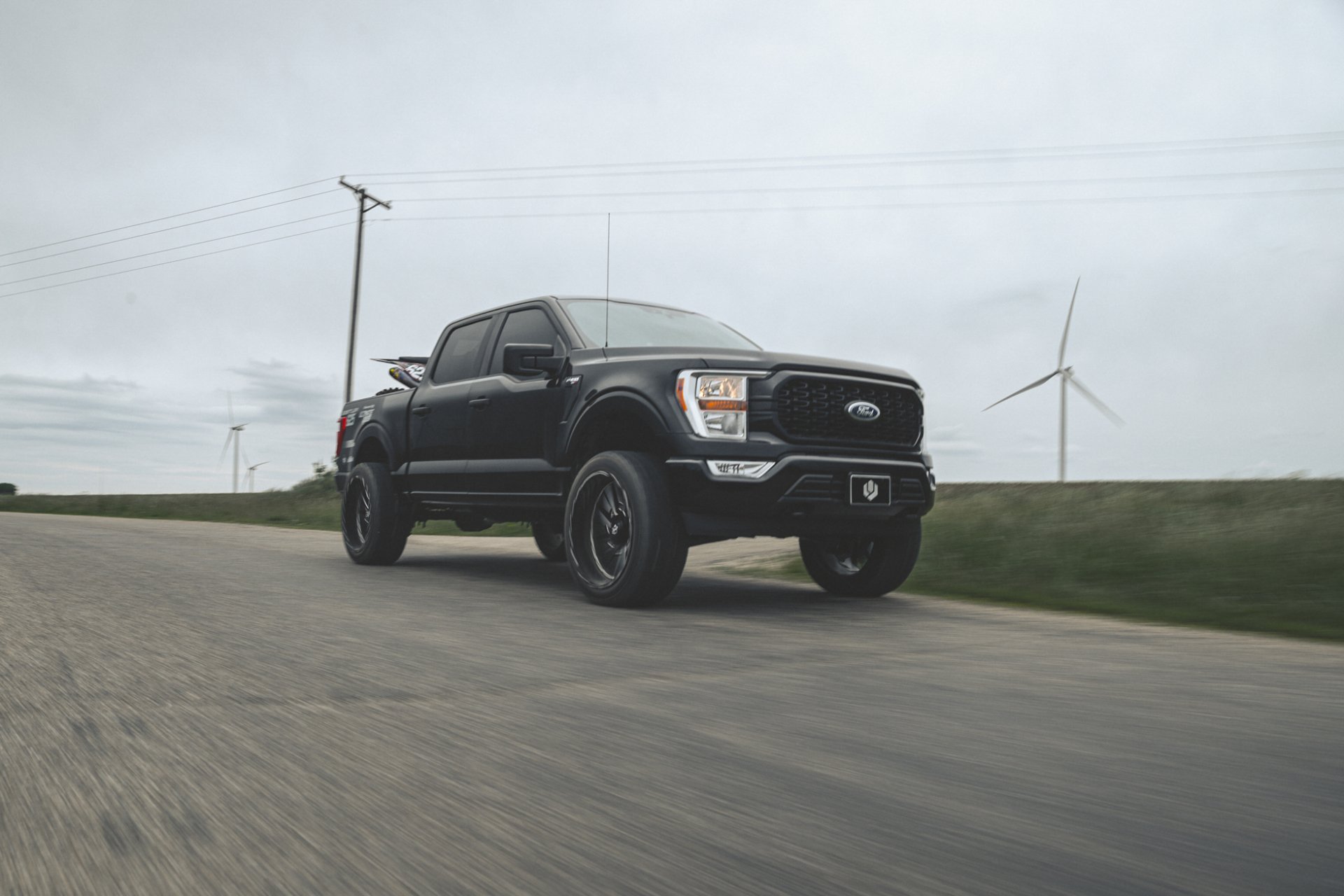
A 4-inch lift on an F-150 isn’t the same job as a 4-inch lift on a Silverado, Ram, Super Duty, Wrangler, or Gladiator. Each suspension design needs different parts and steps, which is a big reason truck lift kit installation cost varies so much from one model to the next. Trim level can matter too, especially on vehicles with factory air suspension, electronic dampers, or an off-road package that changes the stock ride height.
How Much of the Suspension Is Being Changed
A spacer kit keeps most of the factory suspension in place. A full suspension lift replaces or relocates far more hardware, and every extra part that comes off and goes back on adds shop time.
The Condition of the Vehicle
A clean, newer truck is easier to work on than an older Midwest truck whose bolts have spent ten winters in road salt. Rusted or seized hardware is one of the most common reasons a simple job runs long.
Alignment and Final Setup
Changing ride height changes your alignment and steering geometry. Our lift kit installation service includes fitment checks and a full alignment on our in-house Hunter alignment equipment, so the truck leaves set up correctly.
Wheels and Tires
Most people lift a truck to fit a bigger wheel-and-tire package, not just to sit higher. That’s a separate cost, and fitment matters: width, offset, backspacing, tire diameter, and lift height all have to work together. Our guide to rims for lifted trucks covers this in more detail.
Is a Leveling Kit Cheaper to Install Than a Lift Kit?
In most cases, yes. A leveling kit raises the front of the truck to cancel out the factory rake instead of lifting the whole suspension, so there are fewer parts, less labor, and a lower kit price.
If you want a level stance and room for a slightly larger tire, a full 4- or 6-inch system is probably more than you need. If you need real ground clearance or room for much bigger tires, a leveling kit won’t get you there.
Our Leveling Kit vs. Lift Kit guide covers the costs and trade-offs of each in more detail.
What Other Costs Should You Plan For?
Separating the kit from the labor still doesn’t give you the final price. A few other costs often come into play:
- Alignment: Once ride height changes, the alignment needs to be checked and corrected.
- Wheels and tires: If you’re lifting to fit bigger tires, these can add a lot to the project.
- Worn suspension parts: There’s no point in installing a new lift around ball joints, bushings, or steering parts that are already failing.
- Upgraded shocks: Some kits include shocks, some offer options, and some expect you to buy them separately.
- Extra fitment work: Bigger tires and aggressive wheel offsets sometimes call for trimming or other clearance work.
For bigger projects that combine suspension, wheels, tires, and other upgrades, our custom truck builds guide explains how we plan the vehicle as one complete setup.
How Long Does Lift Kit Installation Take?
A leveling kit or small lift can usually be done in a day, and bigger systems take longer. At Ultimate Rides, most lift installs are finished within one to two days, depending on the setup.
That time isn’t all spent on the lift itself. It also covers alignment, wheel and tire work, final checks, and any extra repairs found once the suspension is apart. If you need the truck for work, ask about turnaround when you get your quote.
Can You Save Money by Installing a Lift Kit Yourself?
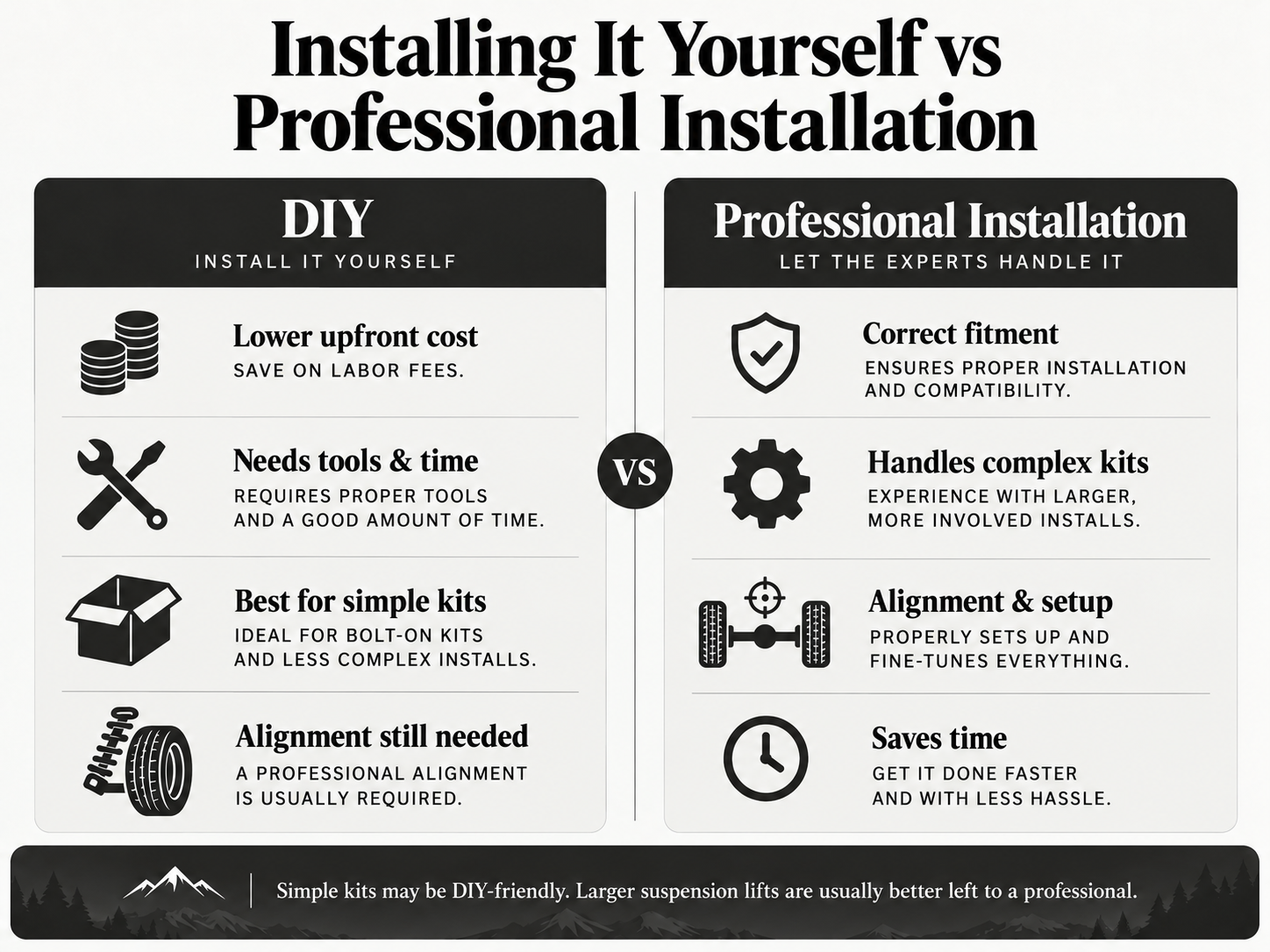
Sometimes, depending on the kit. If you have experience, the right equipment, and a fairly simple kit, doing it yourself can save you hundreds or even thousands of dollars in labor costs.
A large suspension system is a poor first project, though. Modern lift kits involve heavy components, spring tension, steering geometry, driveline angles, and specific torque procedures. You also need the truck to be safely supported while much of the suspension is off.
Even if you handle the install yourself, budget for a professional alignment afterward. For a mild kit, DIY can make sense. For a 4- or 6-inch system on a truck you drive every day, professional installation is the easier call.
When Is Professional Installation Worth the Extra Cost?
The more involved the suspension, the clearer the answer. If you’re putting a simple spacer kit on a vehicle you know well and you have the equipment to do it safely, DIY can be reasonable.
If you’re installing a 4- or 6-inch lift, spending thousands on premium components, adding a large wheel-and-tire package, or modifying a newer truck you drive daily, having it installed and aligned by a shop is worth the cost. You want the truck to track straight, wear its tires evenly, and handle predictably on the drive home.
Looking for Lift Kit Installation?
Whether you’ve already picked a kit or you’re still deciding what suits your truck, Jeep, or SUV, we can help you plan the whole setup. We build more than 500 custom vehicles a year, with suspension, wheels, tires, and alignment all handled in-house.
Visit our professional lift kit installation page to see what we install and request a quote. We’ll price the job for your actual truck and kit, so you know what you’re paying before any work starts.
Lift Kit Installation Cost FAQs
How much does lift kit installation cost?
Most professionally installed suspension lifts on trucks, Jeeps, and SUVs cost around $4,000, including the kit and labor. Basic setups can cost less, and 4- to 6-inch or premium systems can run $7,500 or more. These are general 2026 market ranges, not Ultimate Rides prices. For a figure based on your own vehicle, ask us for a quote.
How much does labor cost to install a lift kit?
Labor ranges from about $400 for a simple 2-inch spacer install to $2,500+ for larger suspension systems. More involved 3.5- to 4-inch installs typically run roughly $2,000 before alignment.
How much does a 6-inch lift kit cost to install?
Plan on $7,500+ for parts and labor. The kit alone can cost $5,000 or more, depending on the truck and whether you choose standard shocks, premium shocks, or coilovers. Installation typically takes eight hours or more.
Does lift kit installation cost include the lift kit?
Not always. Some shops quote one price for the kit and installation, while others quote parts and labor separately. Check exactly what’s included before comparing quotes, since alignment, wheels, tires, and extra suspension work may be billed on top.
Is a leveling kit cheaper to install than a suspension lift?
In most cases, yes. A leveling kit raises the front by a smaller amount and uses fewer parts, so both the kit and the labor usually cost less than a full suspension lift.
Can I install a lift kit myself?
Some kits, yes, if you have the right tools and experience. A simple spacer kit is a manageable home project. A full suspension lift that requires removing and relocating major components is best left to a shop unless you’re confident working on suspension and steering systems.
Do I need an alignment after installing a lift kit?
Yes. Changing ride height alters wheel alignment and steering geometry, which affects tire wear and handling. An alignment should be part of every lift install.
How long does lift kit installation take?
A mild setup can usually be done in a day, while larger lifts take longer. Most installs at Ultimate Rides take one to two days, depending on the lift and any extra work involved.
Will a lift kit change how my truck drives?
To some degree, yes. A lift raises the center of gravity, and new springs, shocks, tires, and suspension geometry all affect ride and handling. Pick a setup that matches how you actually use the vehicle, not just the tallest kit available.