Lifted Trucks in Iowa

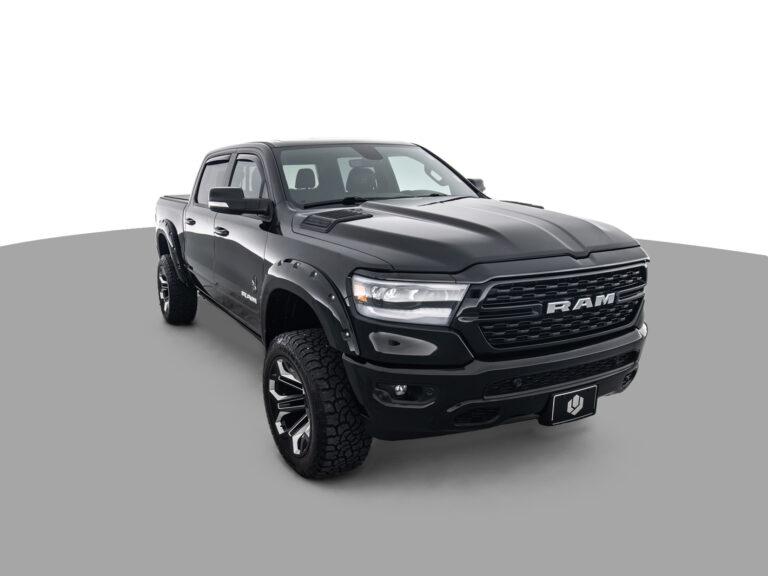
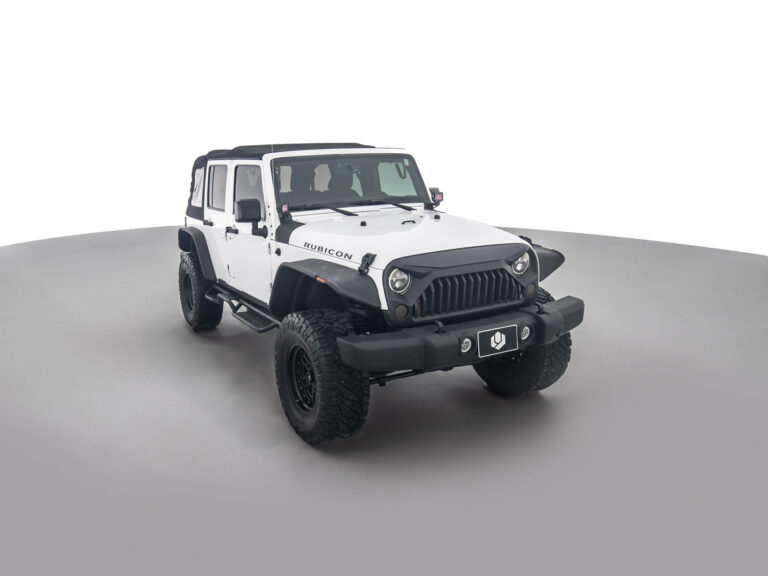
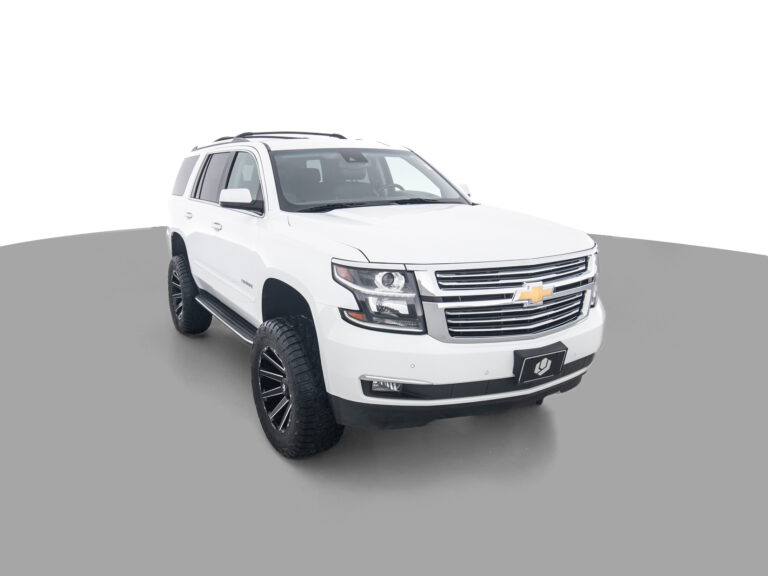
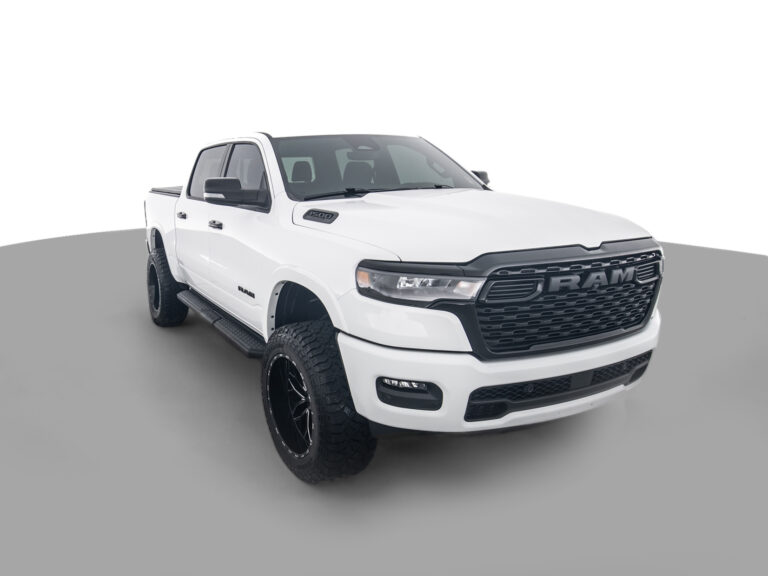
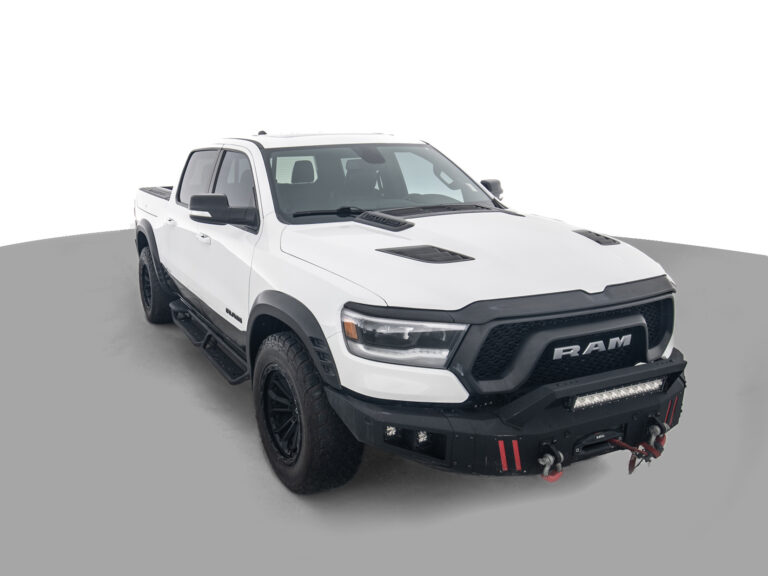
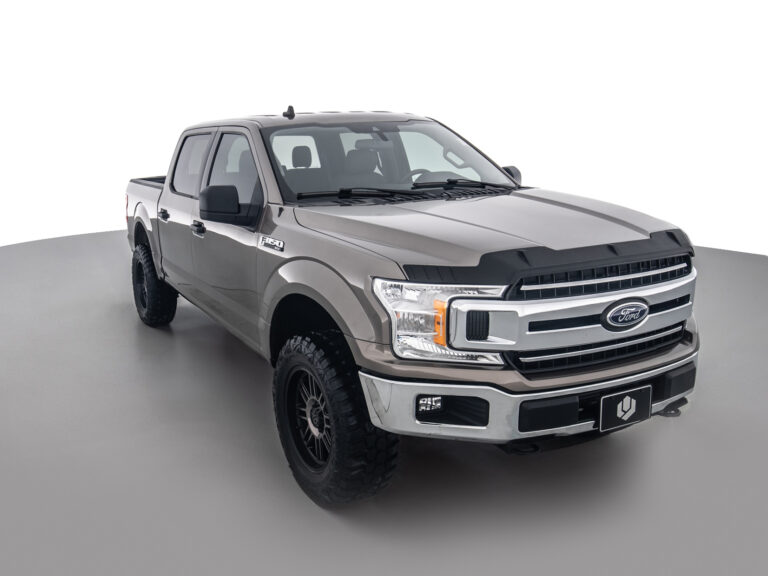
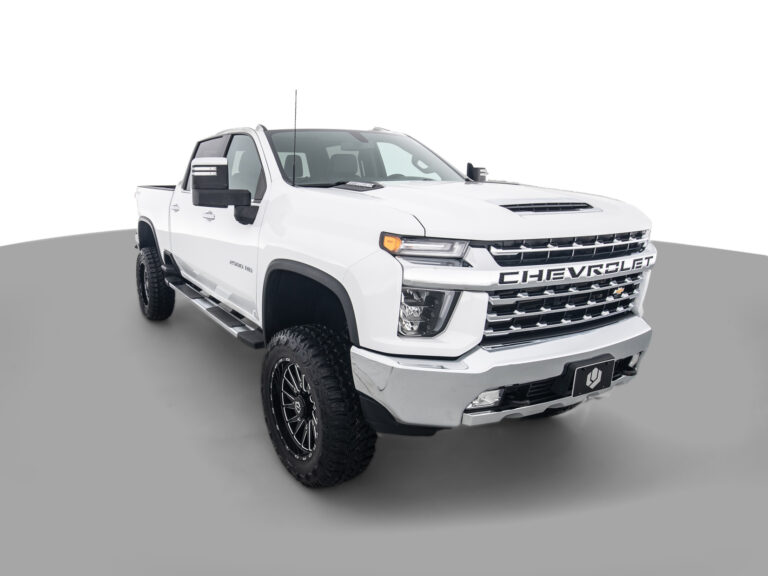
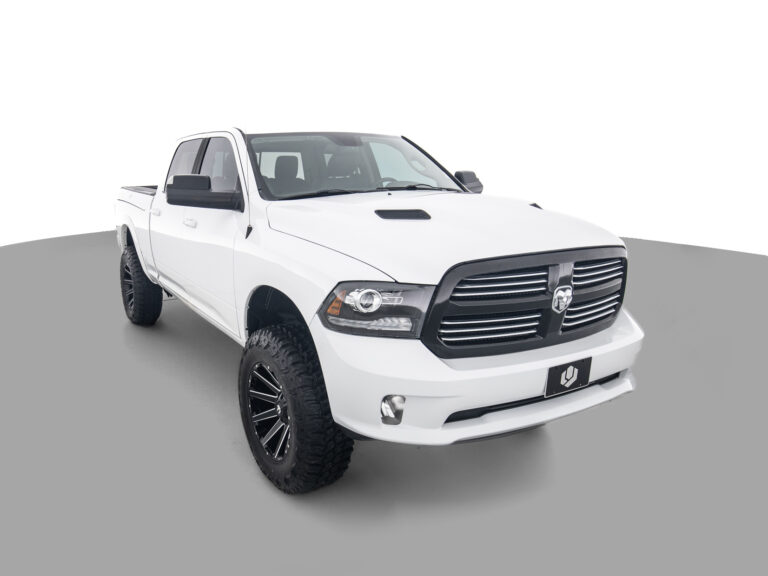
Best selling lifted trucks in Iowa


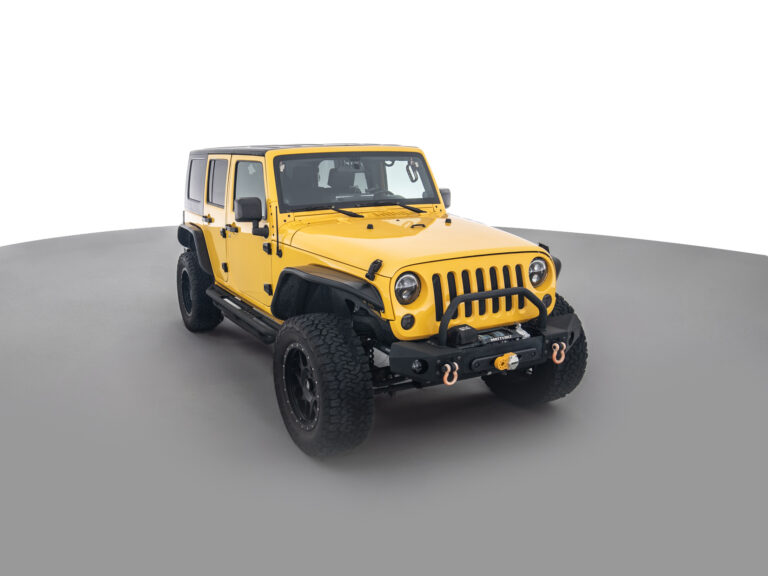

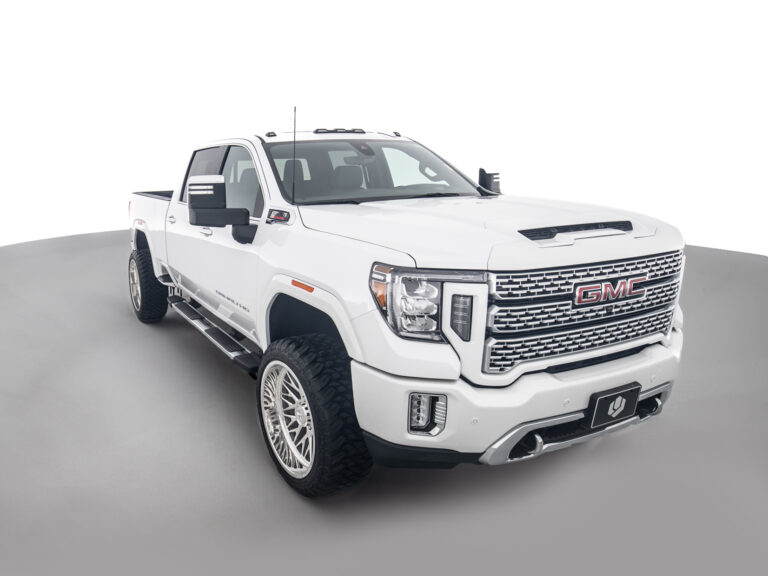
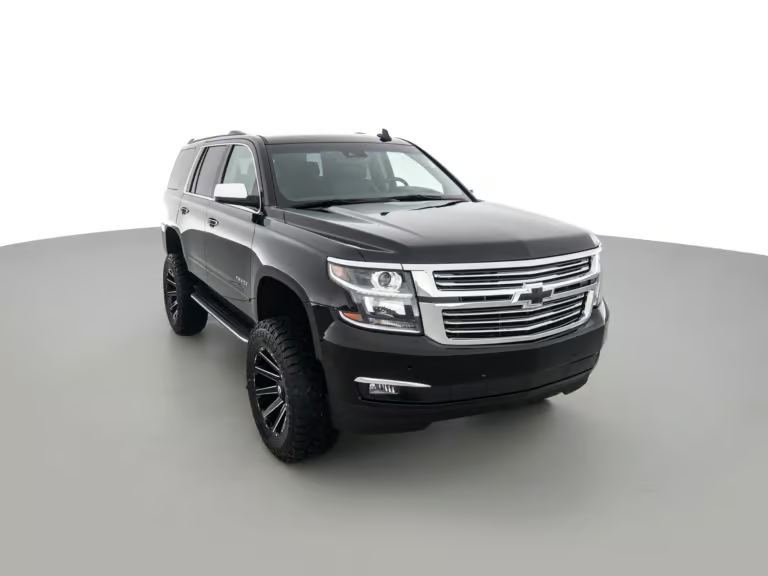
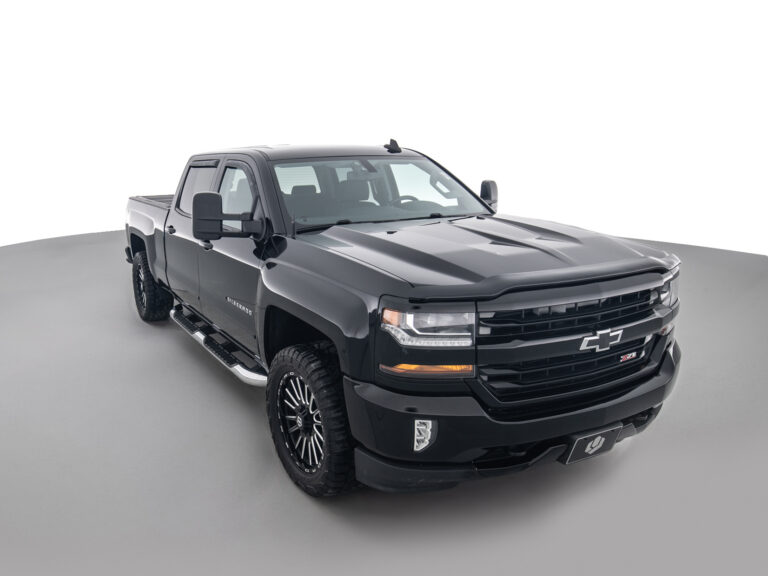
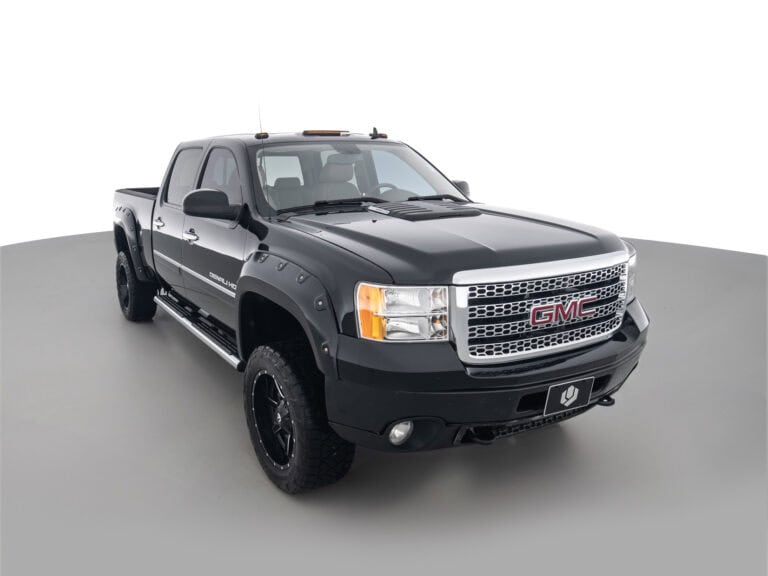
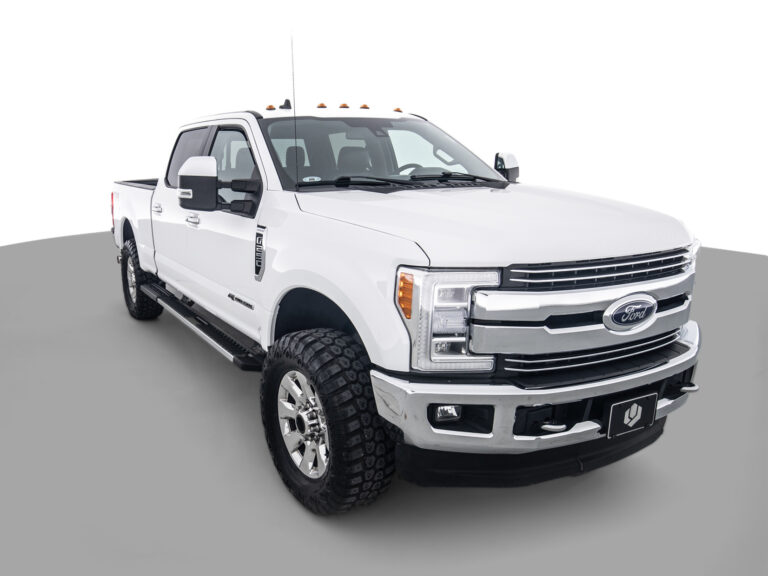
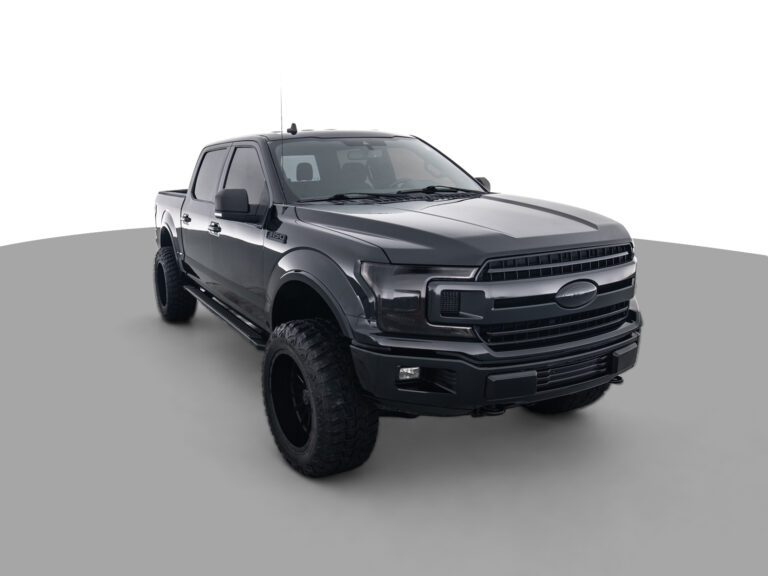
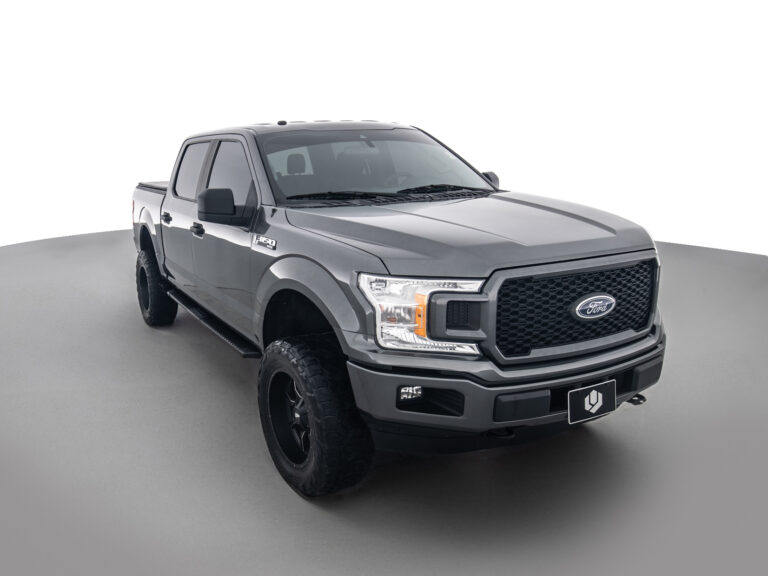
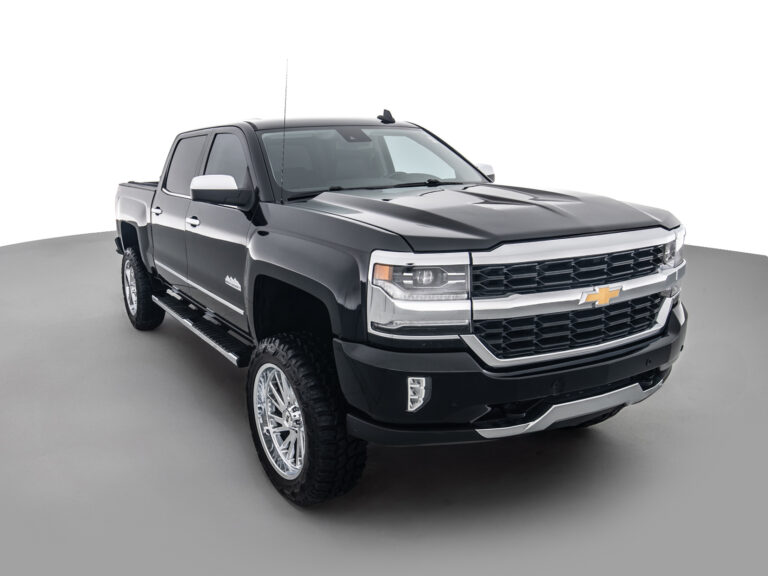

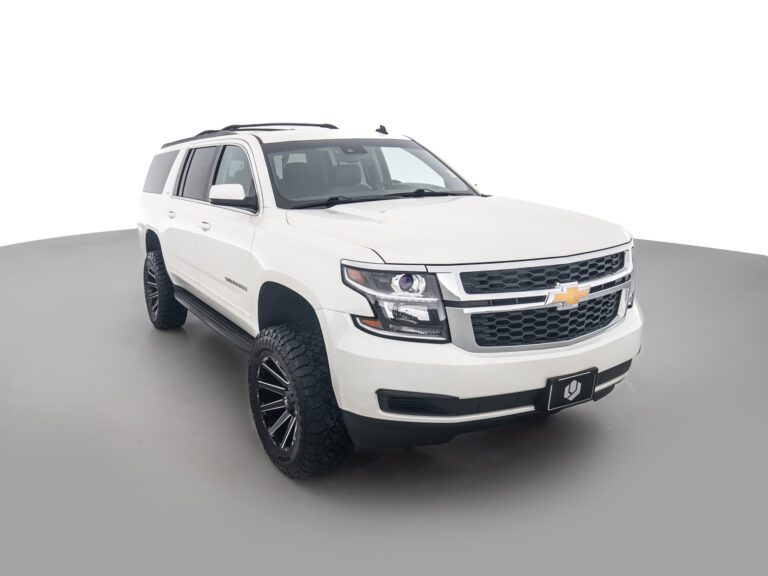
Buying a Lifted Truck in Iowa: What Local Drivers Should Check Before They Buy
Iowa is a strong truck state because so many buyers need one vehicle that can handle daily driving, rural roads, job sites, farm access, towing, winter weather, and weekend travel. A lifted truck in Des Moines or Cedar Rapids may be used mostly for commuting and highway driving, while a truck in rural Iowa may see gravel lanes, muddy shoulders, field entrances, hunting land, lake roads, and long county highways.
That makes the build quality important. The right lifted truck for Iowa should not just look aggressive; it should feel stable on I-80, I-35, I-380, I-29, and Highway 20, while still giving you useful clearance for rougher roads and seasonal conditions.
Lifted Trucks Built for Iowa Roads and Rural Driving
Iowa roads can be deceptively demanding. Flat highway miles, winter freeze-thaw cycles, gravel routes, farm drives, construction zones, and open-country winds can all expose problems in a poorly set up truck. Larger tires and a taller stance can be useful, but only when the suspension, steering, brakes, and wheel fitment work together properly.
If you live around Des Moines, Cedar Rapids, Davenport, Iowa City, Ames, Waterloo, Council Bluffs, Sioux City, or Dubuque, you may care most about road comfort, visibility, highway manners, and parking practicality. If you are outside the larger cities, the priorities often shift toward four-wheel drive, tire grip, ground clearance, towing, bed utility, and durability on gravel or uneven ground.
At Ultimate Rides, we can help Iowa buyers compare lifted trucks and SUVs based on how they will actually be used. Whether you are looking at a Silverado, Sierra, F-150, Ram, Tacoma, Tahoe, Yukon, Jeep, or another custom build, the goal is to find a truck that looks right without feeling overbuilt for everyday Iowa driving.
Vehicle Inspections in Iowa
Iowa’s inspection requirements are especially important if the vehicle has been significantly altered, rebuilt, specially constructed, or modified beyond its original state. Iowa DOT says that if a vehicle was built by the owner or a non-recognized manufacturer, or modified beyond its original state, an inspector must verify that it follows Iowa laws and rules and validate the ownership documents. The DOT points buyers to Iowa Administrative Rule 761 IAC 400.16 for application requirements and 761 IAC 450 for equipment requirements.
For a lifted truck, that means you should pay close attention to more than the title and mileage. Check the suspension components, steering feel, alignment, brake condition, tire clearance, fender coverage, lighting, mirrors, and underbody condition. A good lifted truck should not rub during normal turning, wander on the highway, or feel unstable over bumps.
If the truck has a salvage or rebuilt history, Iowa has a separate rebuilt-title inspection process. Iowa DOT states that repaired salvage-title vehicles must be physically examined by a certified peace officer before a rebuilt title can be issued, and the inspection cost is listed at $53.
Lifted Truck Regulations in Iowa
Iowa does not present lifted truck rules in the same simple bumper-height table used by some other states, so buyers should focus on the requirements that clearly affect modified vehicles: overall height, equipment condition, tire coverage, and safe operation.
Iowa Code § 321.456 says a vehicle, whether loaded or unloaded, generally cannot exceed 13 feet 6 inches in height. There is a separate 14-foot allowance for certain vehicle combinations used exclusively to transport passenger vehicles, light delivery trucks, pickup trucks, or recreational vehicle chassis, but most consumer lifted trucks should treat 13 feet 6 inches as the practical statewide height limit.
Iowa equipment rules also matter for lifted trucks with wider wheels or larger tires. Iowa Administrative Code 761, Rule 450.2, says wheels must be equipped with fenders designed to cover the entire tread width that contacts the road surface, and trucks must have rear equipment to help prevent debris from being thrown behind the vehicle. The rule also states that tires should not contact the body, fender, or chassis.
Before increasing lift height, changing wheels, upsizing tires, or removing factory-style fender coverage, Iowa buyers should confirm that the final setup remains safe and compliant. This is especially important for trucks used on gravel roads, wet rural highways, or winter roads where thrown debris and tire clearance can become practical safety issues.
Registration and Taxes in Iowa
Iowa vehicle title and registration are handled through county treasurer offices. Iowa DOT says new residents must title and register their motor vehicle with a county treasurer’s office within 30 days of establishing residency, even if their out-of-state plates are still valid.
For annual registration, Iowa fees are based on vehicle type, weight, model year, and list price. Iowa Tax and Tags explains that passenger cars, 1993 and newer multipurpose vehicles, and 2010 and newer trucks of 10,000 pounds or less are generally calculated using $0.40 per hundred pounds of vehicle weight, plus a percentage of the vehicle list price based on model year age. Vehicles 12 years and older are generally listed at $50, with exceptions.
Iowa buyers should also plan for title and transfer costs. County treasurer guidance lists a $35 title fee, a $20 lien fee when applicable, and a fee for new registration of $10 plus 5% of the purchase price or lease tax price. The same guidance notes that title and registration penalties can apply if the vehicle is not titled and registered within 30 days from the date of sale.
Before your truck arrives, make sure you have the purchase paperwork, title documents, proof of insurance, and any lien information ready for your county treasurer’s office.
Delivery to Iowa
Transport into Iowa is usually planned around the state’s main interstate and highway corridors. Des Moines sits at the meeting point of I-35 and I-80, Cedar Rapids and Iowa City are accessible through Eastern Iowa routes, and western buyers around Council Bluffs or Sioux City may be served through I-29 or I-80 connections.
Once transport is scheduled, many Iowa deliveries can be completed in about 2 to 3 days, depending on carrier availability, weather, route timing, and the exact drop-off location. Winter storms, gravel lanes, farm properties, narrow county roads, rural bridges, and hilly areas near the Driftless Region or Loess Hills can affect where a carrier can safely unload.
For buyers in larger cities, a home driveway or business lot may work well. For rural properties, the better option may be a nearby gas station, farm supply store, wide parking lot, or open roadside meeting point with enough space for the transport truck to maneuver. Planning that detail ahead of time helps make the handoff smoother.
Before delivery, the team can confirm the expected timeline, the documents included with the truck, and the best unloading plan for your part of Iowa.
Helpful Tools

We Ship Nationwide

Get to Know Us