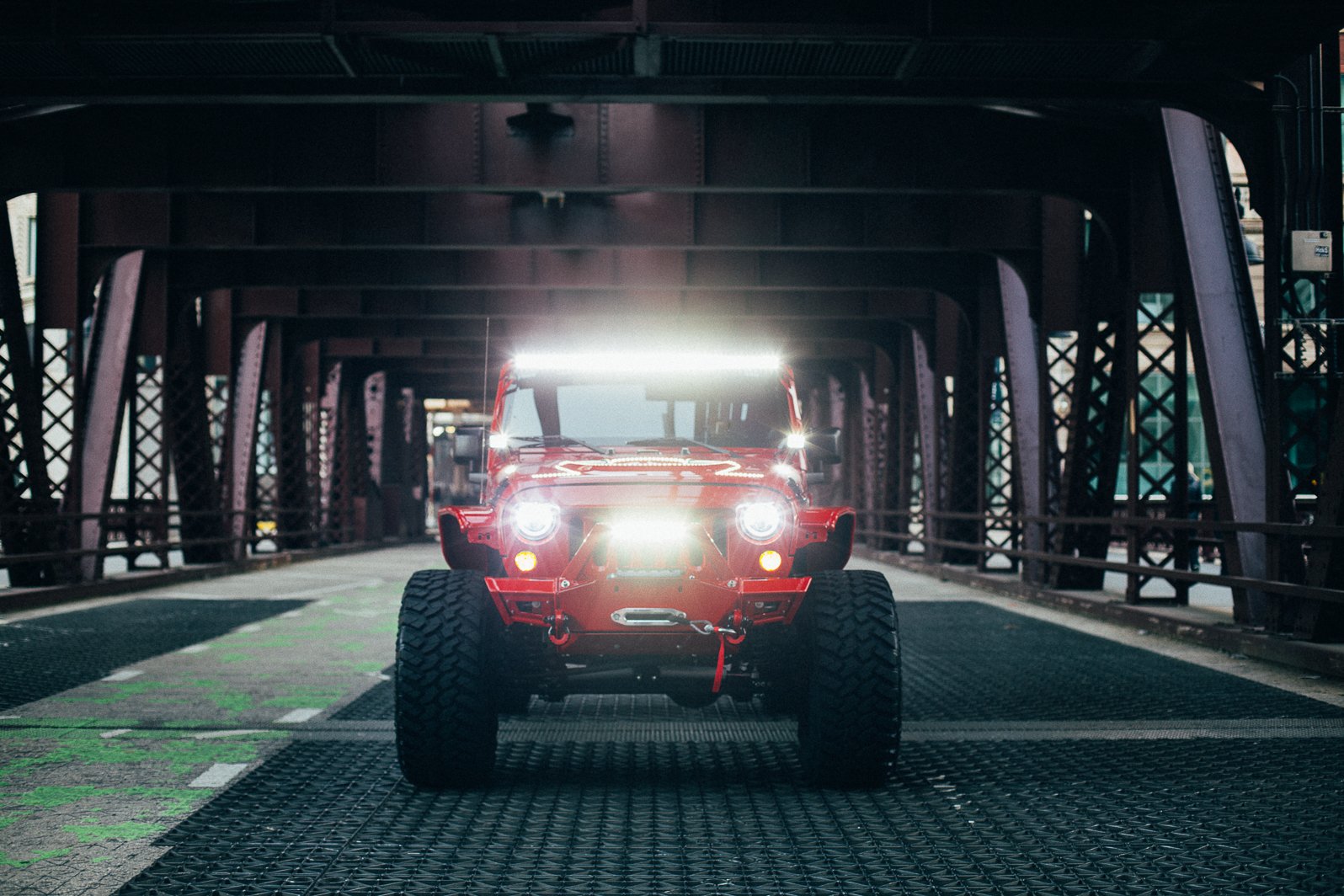
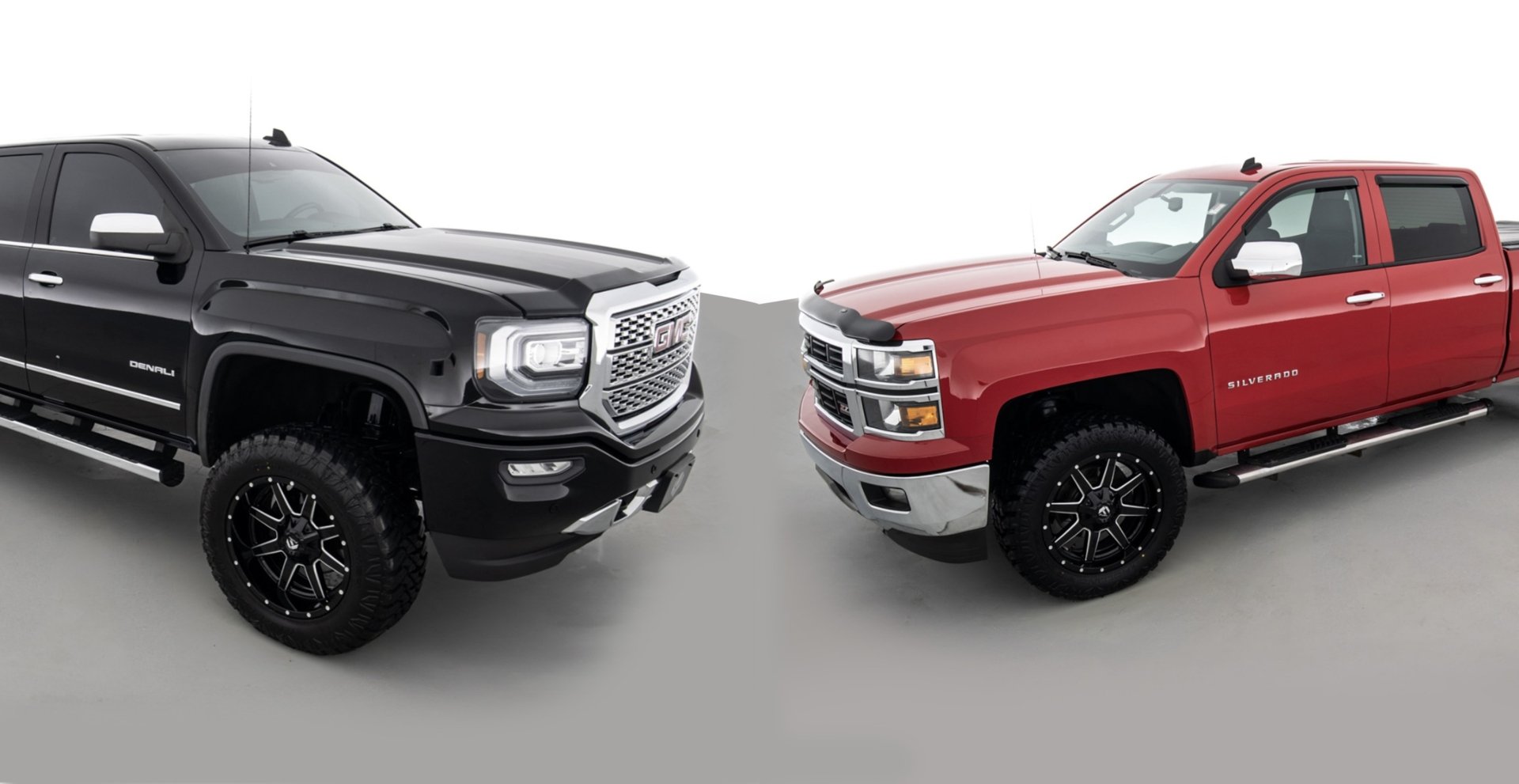
If you’re trying to figure out the best trucks to lift in 2026, the short answer is this: the Ford F-150, Chevrolet Silverado 1500, GMC Sierra 1500, Ram 1500, Toyota Tacoma, and Jeep Gladiator all make excellent platforms, and the right one for you comes down to budget, how much aftermarket support you want, and whether you’re building for looks, trail work, or both.
Full-size half-tons give you the widest lift kit selection and the strongest resale value. Midsize trucks like the Tacoma and Colorado cost less to lift and tend to be lighter on their feet off-road. And if what you really want is something Jeep-flavored with a bed, the Gladiator checks that box.
None of that means the truck sitting in your driveway right now is the wrong choice, though. If it’s mechanically sound and you like it, it’s a fine truck to lift. But if you’re shopping for something new to build, the trucks below are where we’d point you first, and we’ll get into why.
Quick Facts
- The Ford F-150, Chevy Silverado 1500, GMC Sierra 1500, and Ram 1500 remain the four most popular full-size trucks to lift in 2026, and all four have massive aftermarket lift kit support.
- The current Silverado 1500 and Sierra 1500 generation launched in 2019 and is expected to be replaced by an all-new design for the 2027 model year, so 2026 is one of the last years to buy the current, well-proven platform.
- The Ford F-150 isn’t due for a full redesign until 2029, meaning the current 14th-generation truck still has years of parts compatibility and aftermarket support ahead of it.
- The Ram 1500 got a mid-cycle refresh for 2025 and carries those updates into 2026, including the return of the 5.7-liter HEMI V8 alongside the newer Hurricane twin-turbo inline-six engines.
- Midsize trucks like the Toyota Tacoma and Chevy Colorado/GMC Canyon are on a newer platform generation (2023-2024 redesign) and have become increasingly popular to lift thanks to lighter weight and strong factory off-road trims.
- The Jeep Gladiator shares its solid front and rear axles with the Wrangler, which some off-road builders consider an advantage over the independent front suspension used on every other truck on this list.
- Solid axle trucks generally handle bigger lifts with less complexity than trucks with independent front suspension, which is worth knowing before you pick a platform.
- Factory off-road trims (Trail Boss, AT4, TRX, Rebel, TRD Pro) already come with a mild factory lift and beefier suspension components, which can lower the cost of a build compared to starting from a base trim.
What Actually Makes a Truck Good to Lift
Before getting into specific models, it helps to know what separates a great platform from a mediocre one. A few factors matter more than the badge on the tailgate.
Aftermarket support
The more popular a truck is, the more lift kit options exist for it, and the cheaper those kits tend to be. This is the single biggest reason the F-150, Silverado, Sierra, and Ram dominate lists like this one. Popular trucks have years of tried-and-tested kits under their belts. Premium manufacturers such as BDS build vehicle-specific systems for all four, and our BDS lift kit installation page covers the kits we supply and install.
Solid axle versus independent front suspension
Most modern trucks, including every half-ton on this list except the Gladiator, use independent front suspension (IFS). IFS rides smoother on pavement but gets more complicated to lift big. Solid front axle trucks, like the Gladiator and Wrangler, are mechanically simpler to lift several inches without touching factory geometry as much.
Frame and drivetrain strength
A truck that’s already built to tow and haul usually has the structural bones to handle a lift and larger tires without drama. This is part of why half-ton trucks with tow ratings north of 10,000 pounds are such popular lift candidates.
Factory off-road trims
Trucks like the Silverado Trail Boss, Sierra AT4, Ram Rebel, F-150 Tremor, and Tacoma TRD Pro already ship with a factory lift, upgraded shocks, and better approach and departure angles. Building from one of these trims instead of a base model often means a shorter path to the final look and less to fix on the front end.
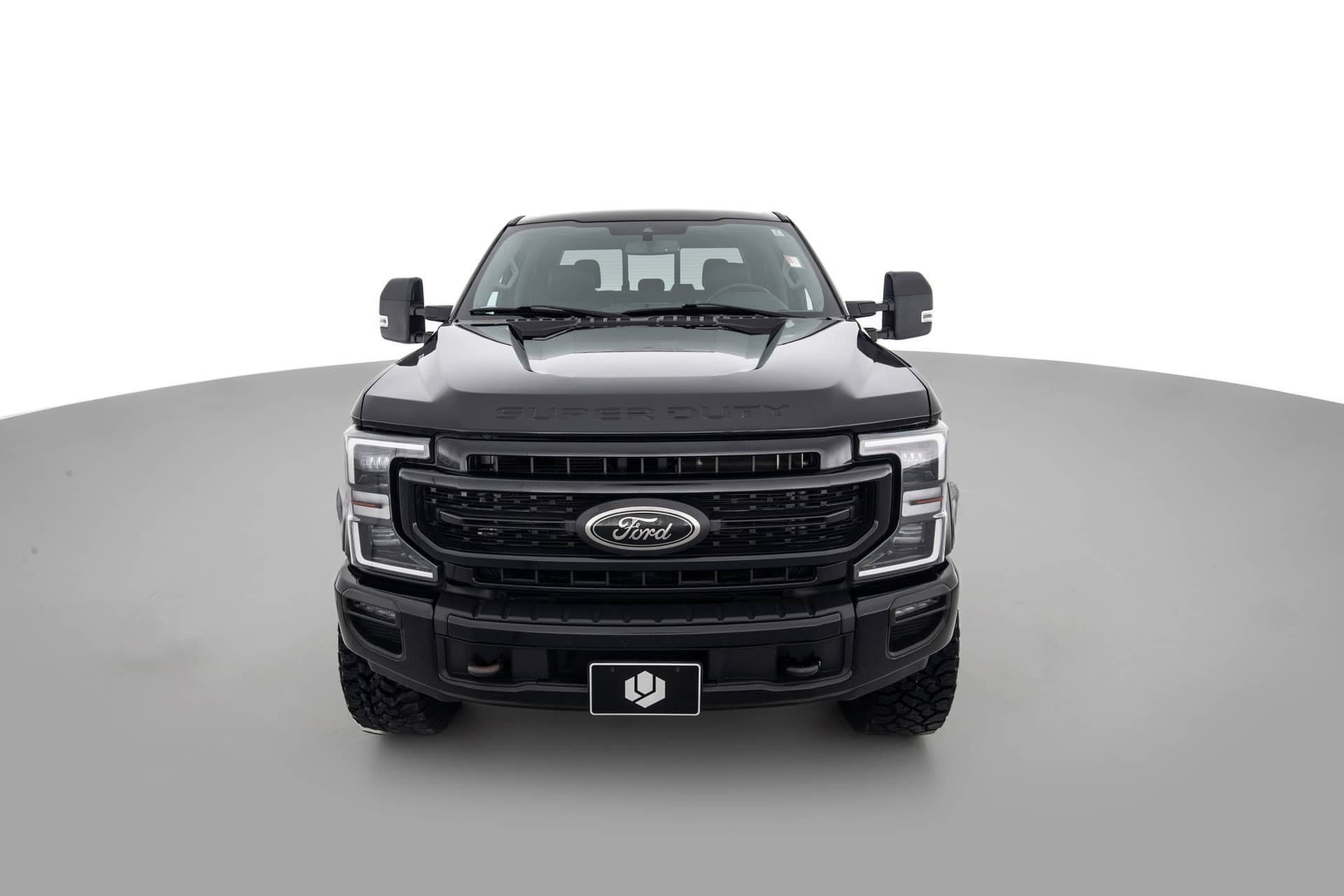
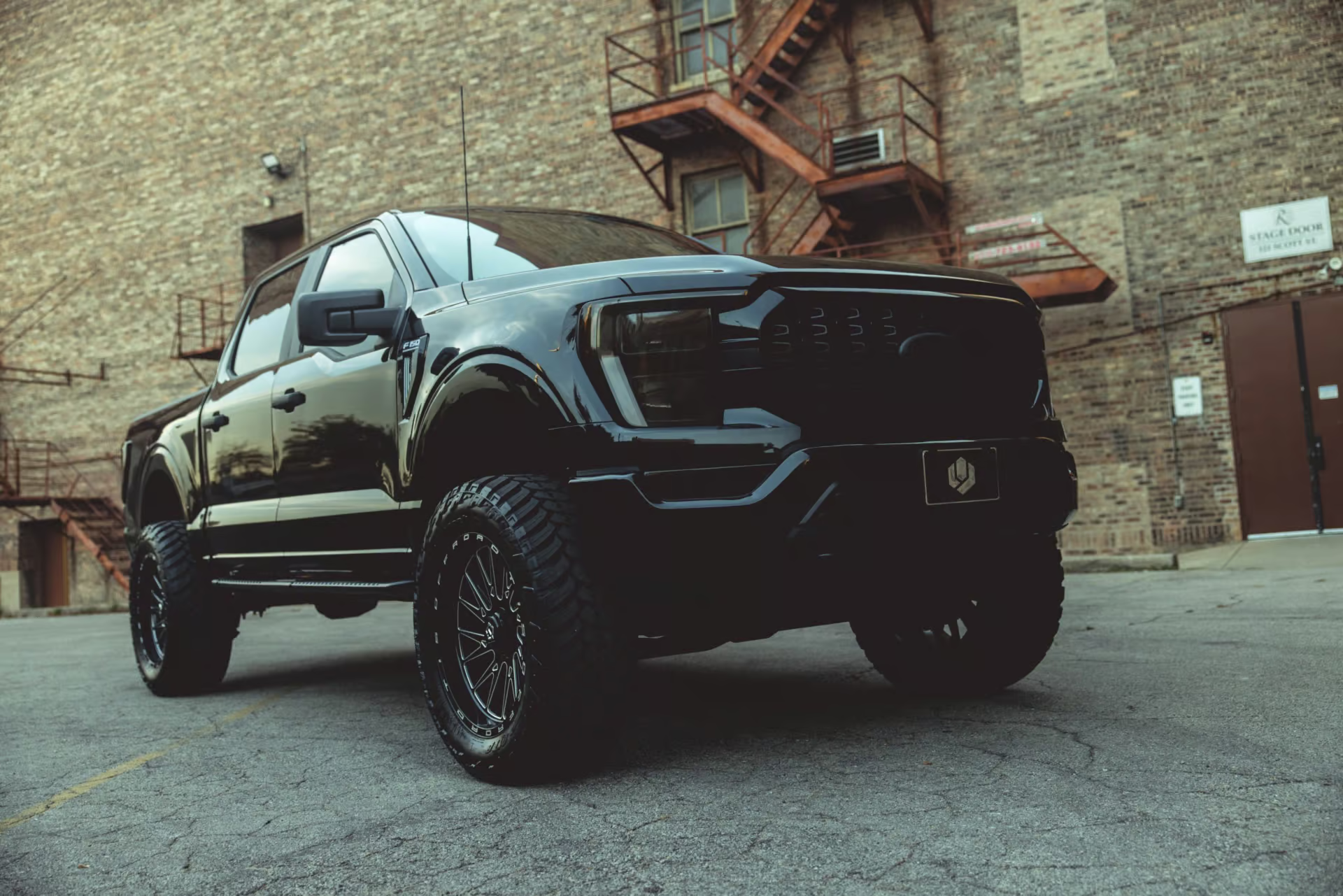
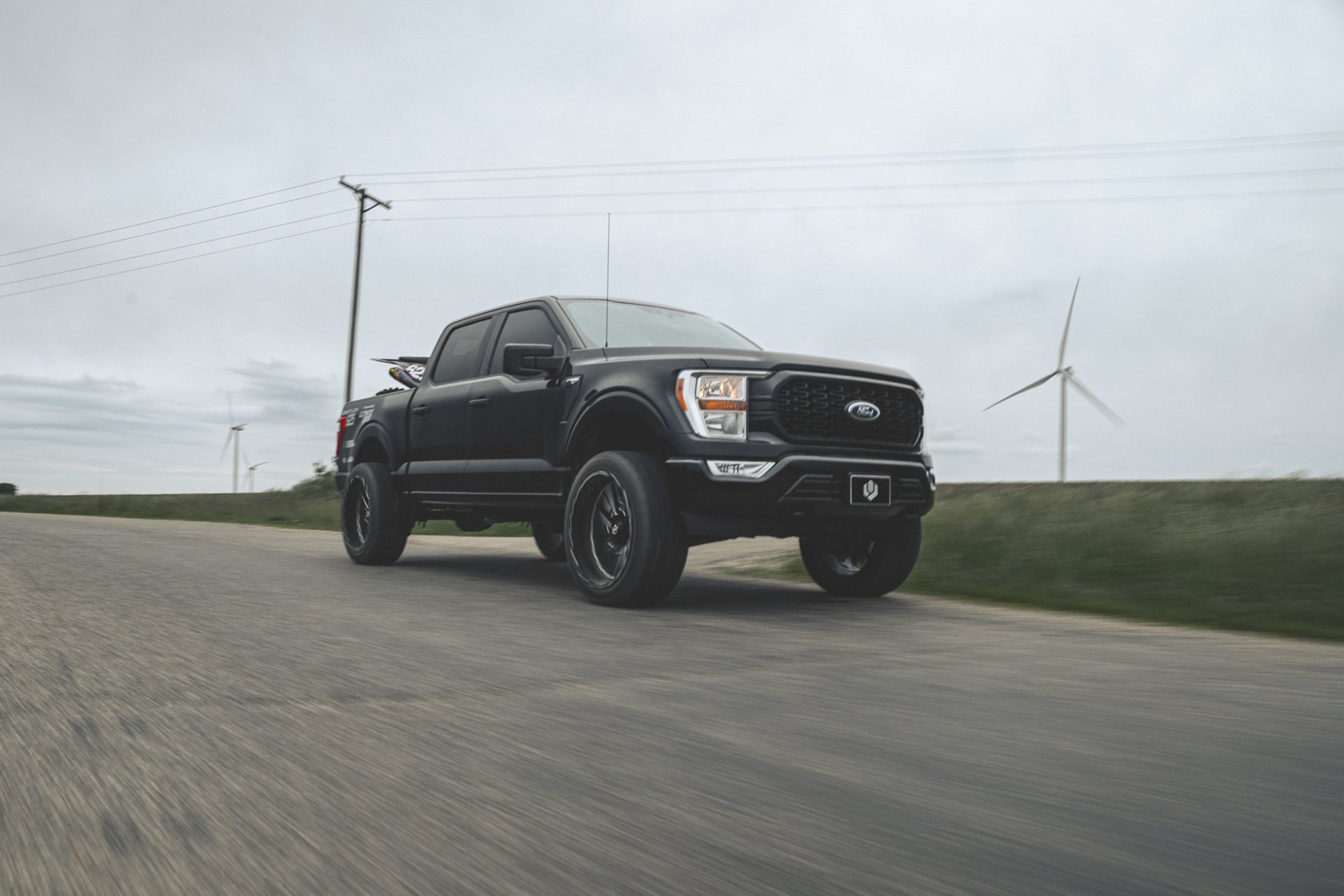
Ford F-150

The F-150 has been America’s best-selling truck for decades, and it’s just as dominant as a lift platform. The current 14th-generation F-150 launched for 2021 and isn’t expected to see a full redesign until 2029, which means huge long-term parts compatibility for anyone building one now.
The F-150 Tremor trim in particular has become a favorite starting point, since it already comes with off-road tuned suspension, all-terrain tires, and locking differentials.
Engine options range from a turbocharged 2.7-liter V6 up through the hybrid PowerBoost and the high-output twin-turbo V6 in the Raptor, so there’s a configuration for nearly any budget and use case.
Parts availability is about as good as it gets in this segment, and resale value on a well-built lifted F-150 tends to hold up better than most competitors.
Browse our current lifted Ford F-150 inventory to see examples of finished builds.
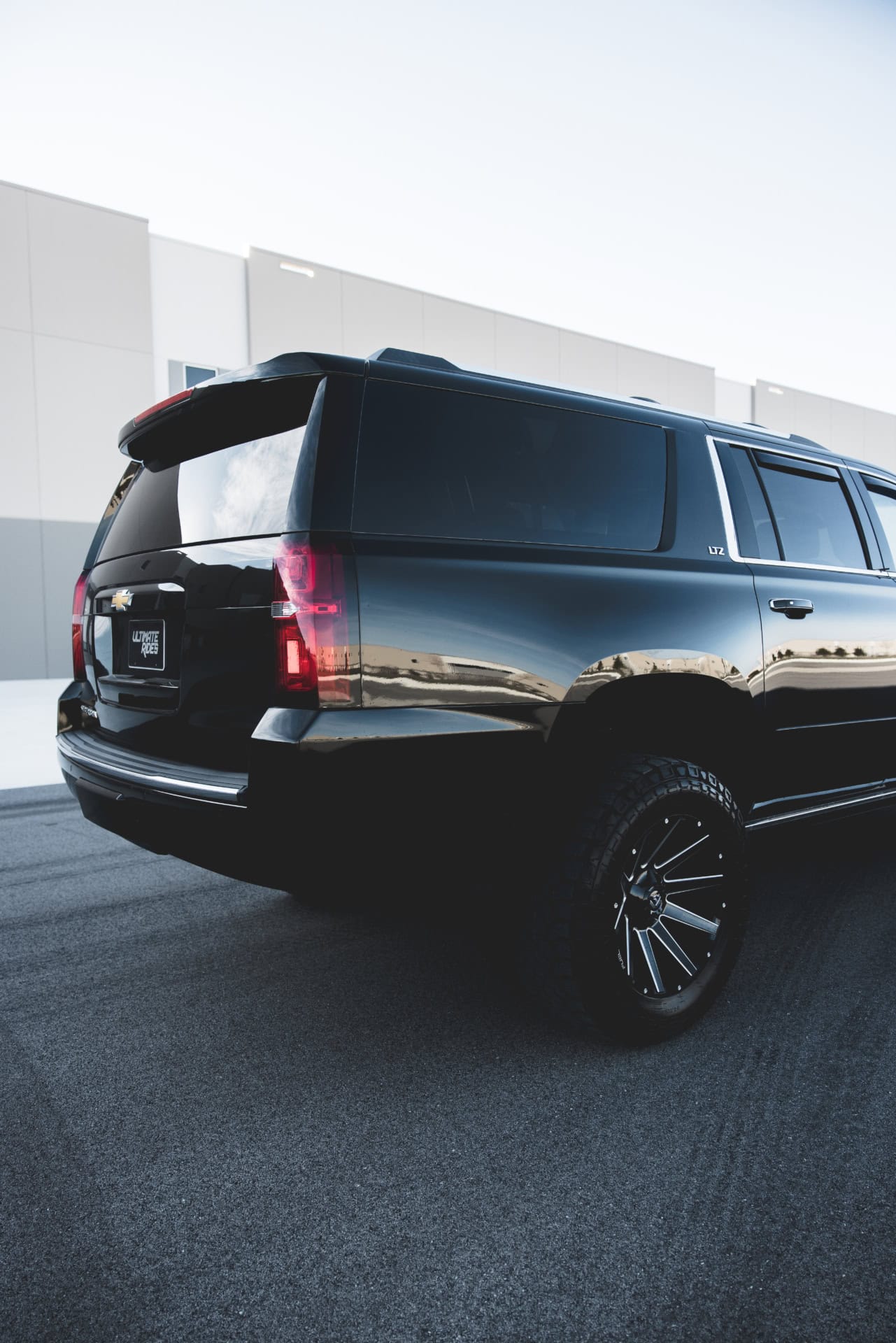
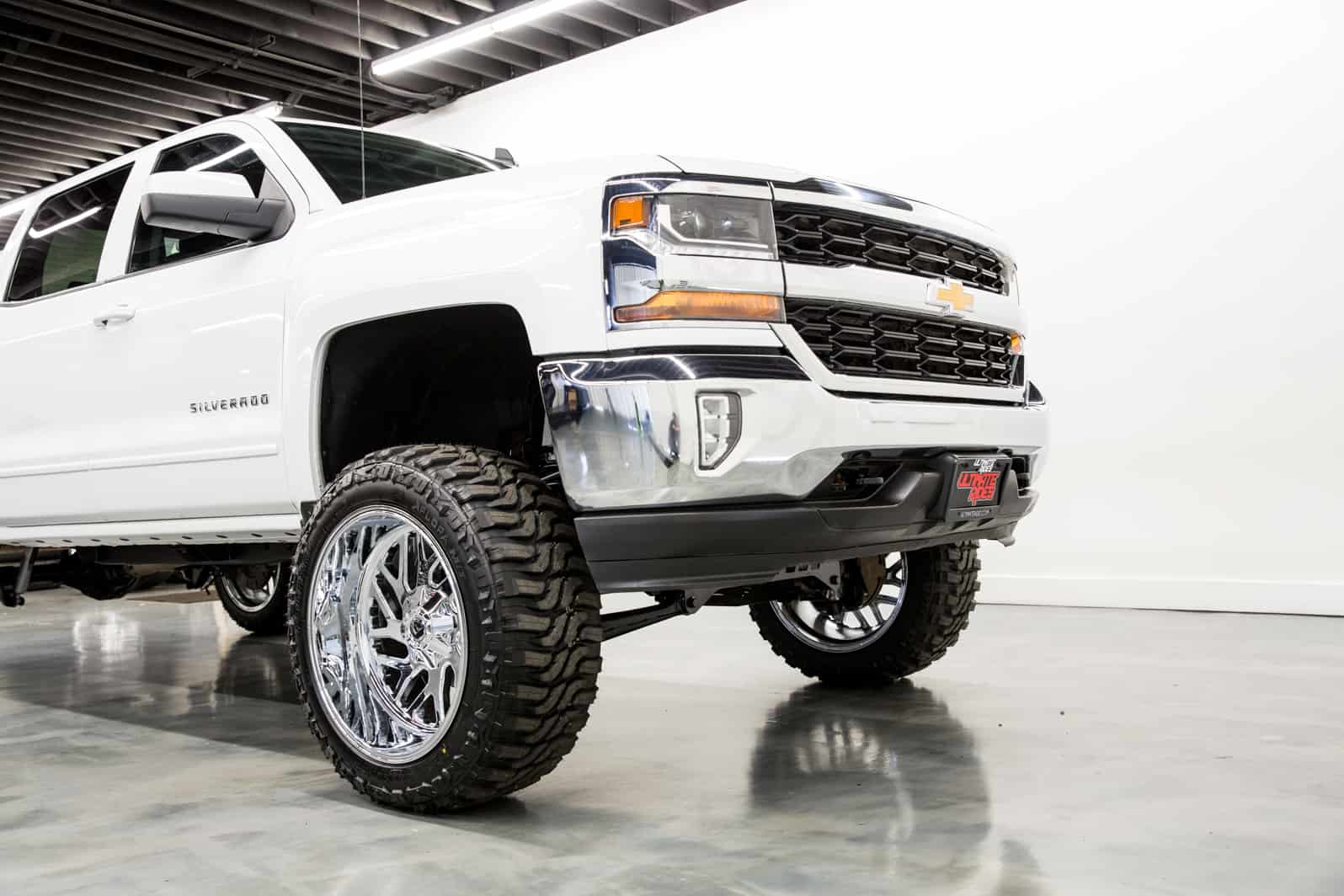
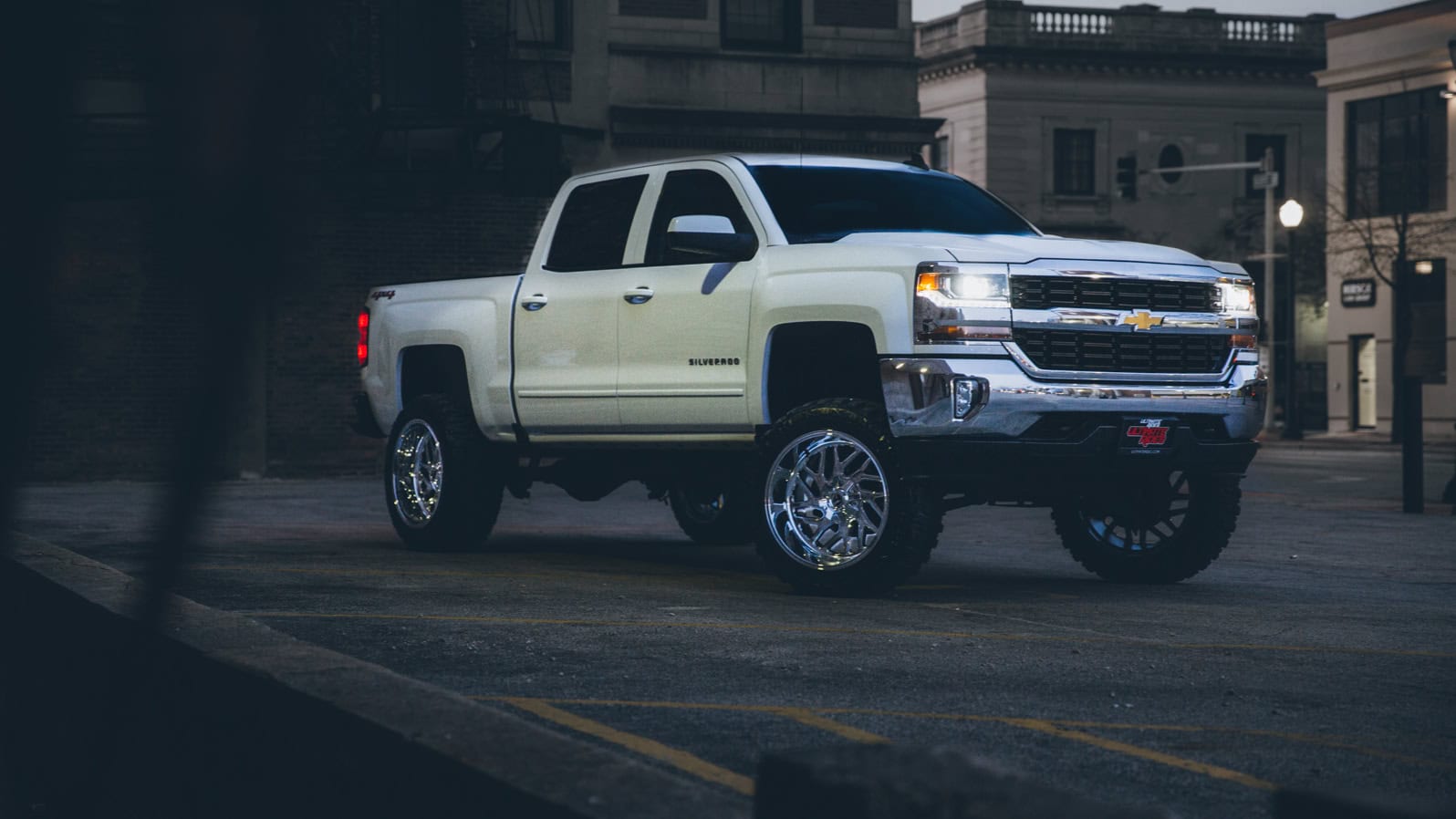
Chevrolet Silverado 1500
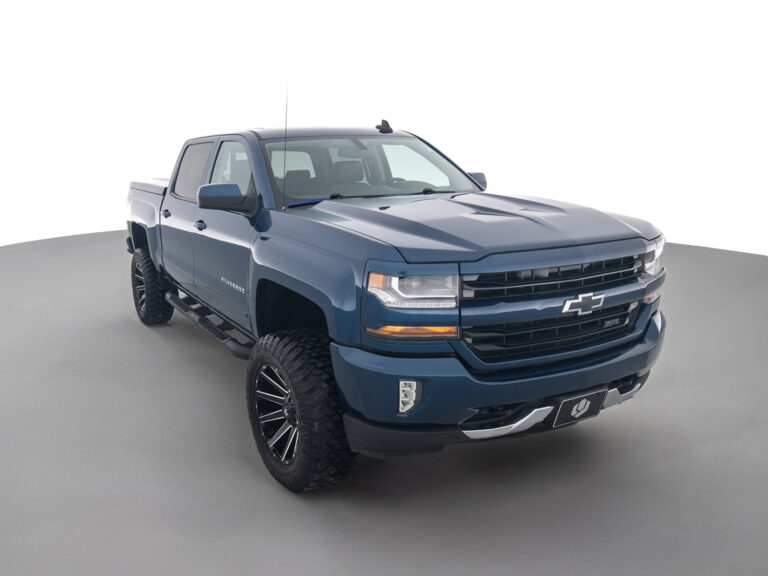
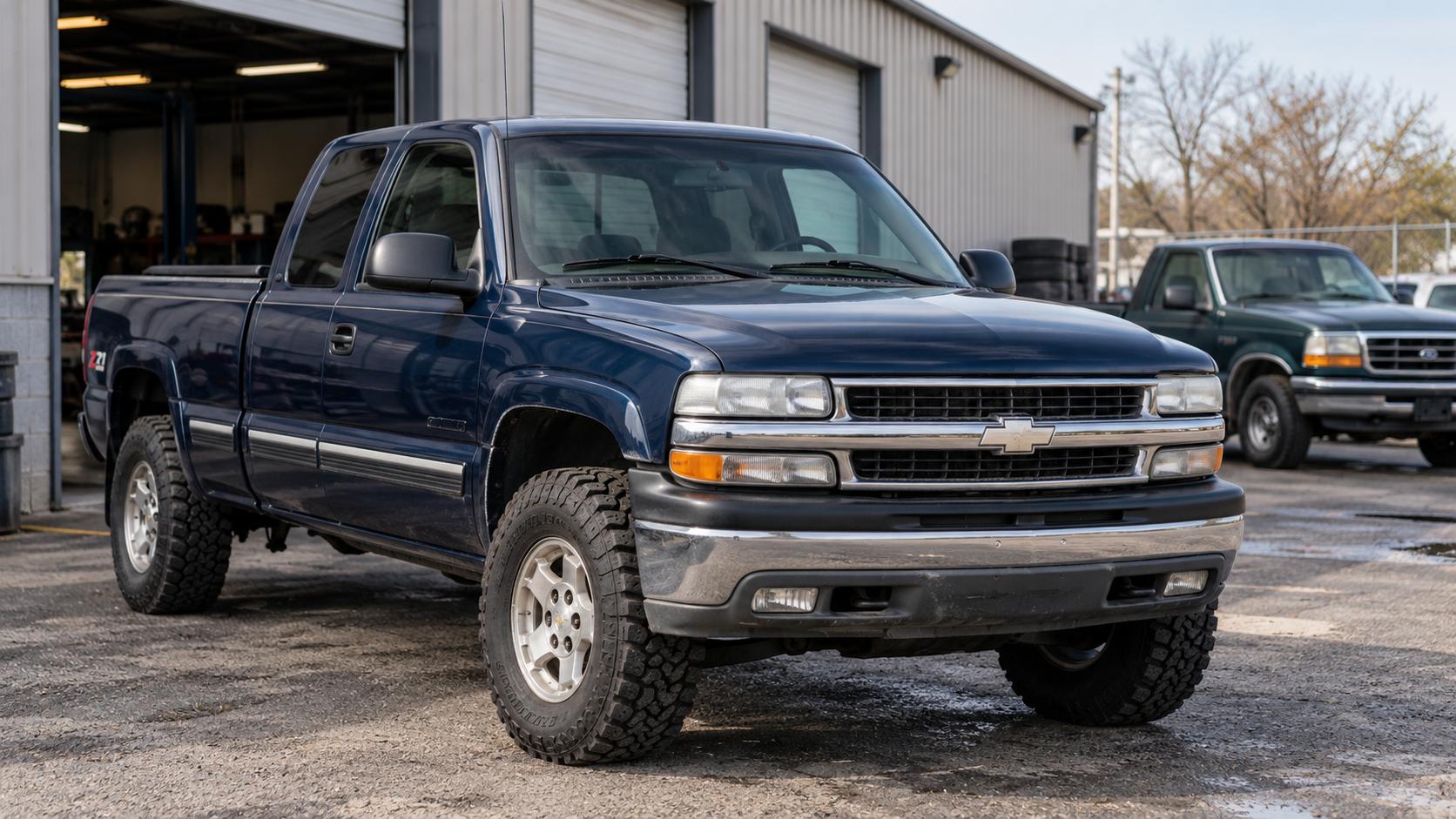
The Silverado 1500 has been on its current fourth-generation platform since 2019, and 2026 is likely one of the last model years before an all-new Silverado arrives for 2027.
That actually makes the current Silverado an appealing lift candidate right now: it’s a mature, well-understood platform with a deep aftermarket catalog, and prices on the outgoing generation tend to be more negotiable as the redesign approaches.
The Trail Boss trim is the one to look at if you want a head start, since it already includes a 2-inch factory lift, off-road suspension tuning, and locking rear differential. Engine choices run from the 2.7-liter turbo four all the way to the 3.0-liter Duramax diesel, which is a strong pick if you’re planning to tow with your lifted build.
We carry lifted Chevy Silverados regularly, so check our current inventory if you want to see one in person.
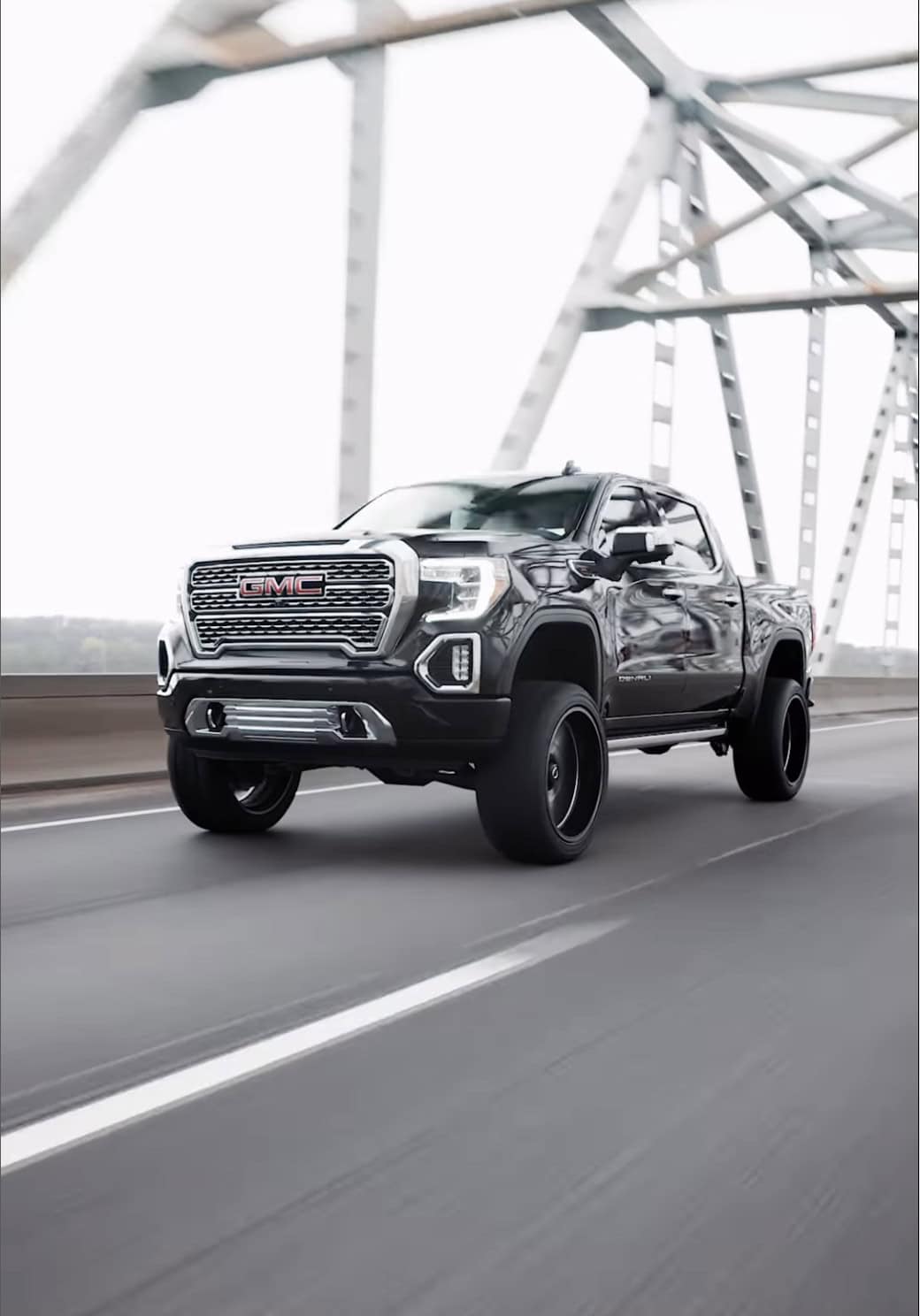
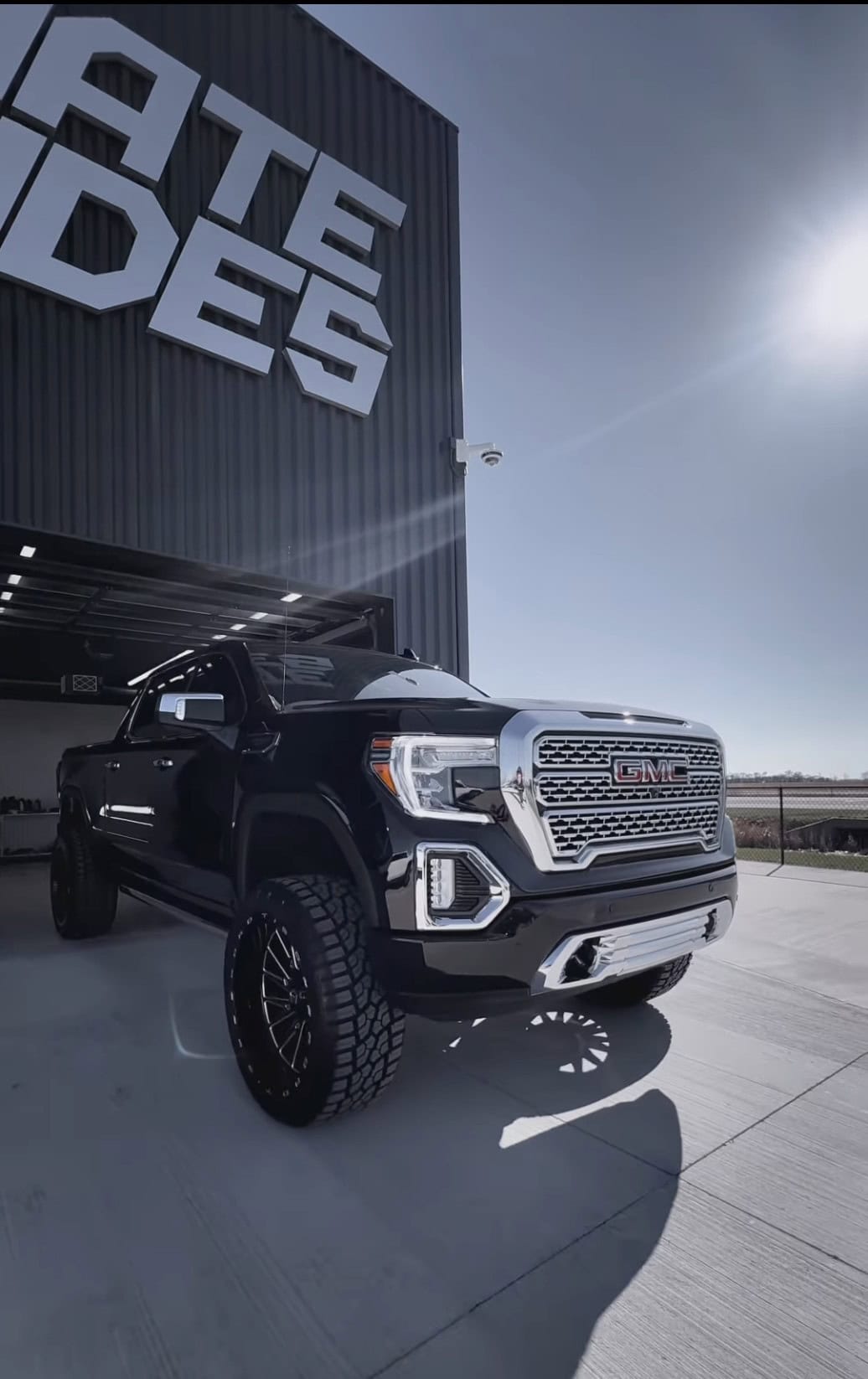
GMC Sierra 1500

Mechanically, the Sierra 1500 shares its bones with the Silverado, same fourth-generation platform since 2019, the same engine lineup, and the same window before the next redesign lands. What the Sierra brings that the Silverado doesn’t is the AT4 and AT4X trims, GMC’s answer to Trail Boss and TRX, along with a noticeably more upscale interior across the lineup.
For lift builds, the AT4 is a strong starting point for the same reason the Trail Boss is on the Silverado side: factory suspension work already done, aggressive tires already fitted, and a rear locker already installed.
Take a look at our lifted GMC Sierra inventory if the Sierra’s upscale trim levels appeal to you more than the Silverado’s.
Ram 1500

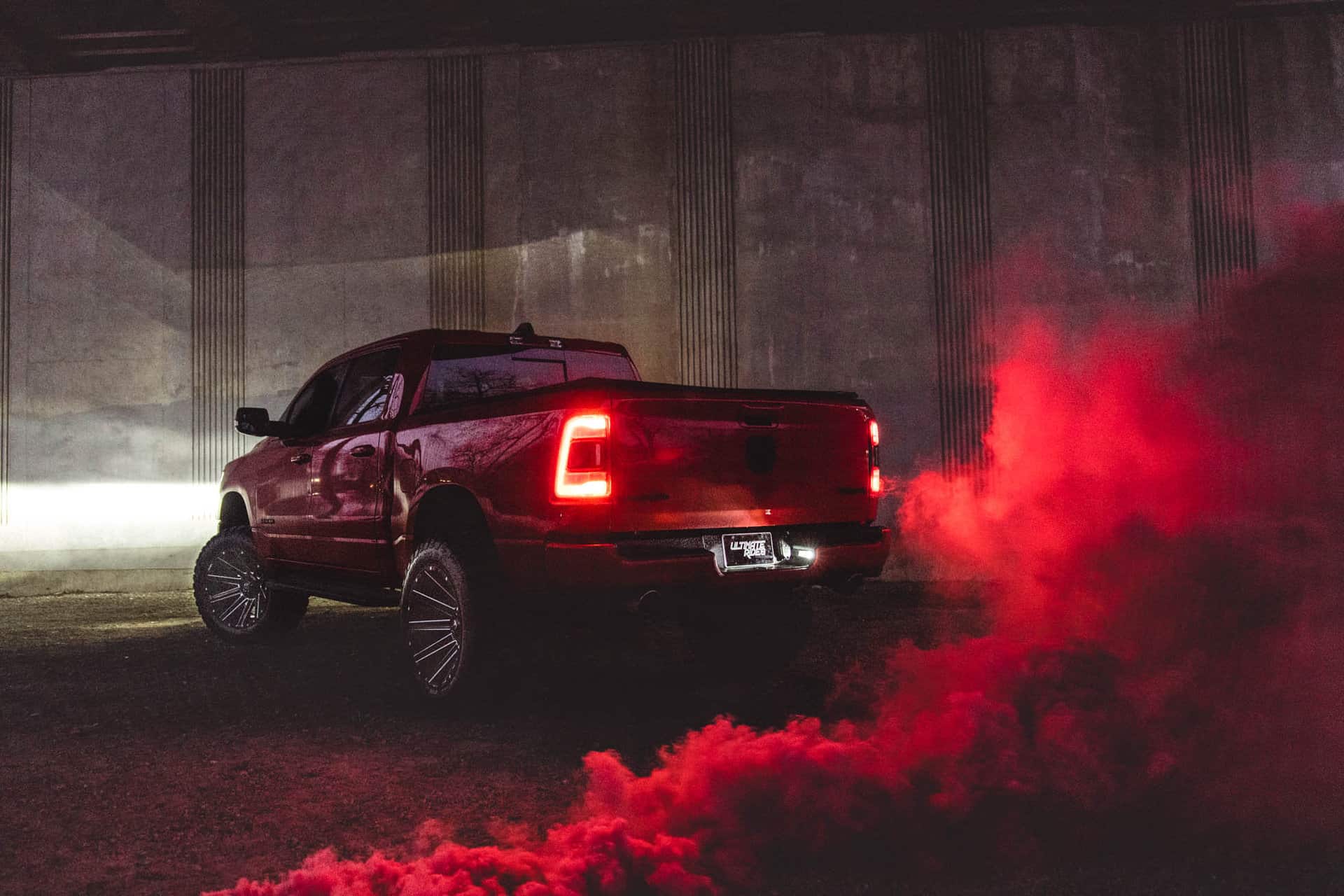
The Ram 1500 got a mid-cycle refresh for the 2025 model year that carries into 2026, and it’s arguably the most comfortable half-ton on the road right now thanks to its coil-spring rear suspension, a feature none of its direct competitors offer.
For 2026, Ram brought back the 5.7-liter HEMI V8 alongside the newer Hurricane twin-turbo inline-six engines, giving buyers more powertrain choice than they’ve had in years.
The Rebel trim is the off-road-focused option here, with a factory lift, all-terrain tires, and skid plates. Between the smoother ride and the strong factory foundation, the Ram is a popular pick for owners who want a lifted truck that still feels comfortable on long highway drives.
Check out our lifted Ram 1500 inventory to see current availability.
Toyota Tacoma
The Tacoma moved to an all-new platform for the 2024 model year, its first full redesign in nearly a decade, and that newer generation has quickly become a popular midsize lift candidate. It’s lighter than any full-size truck on this list, which means smaller, less expensive lift kits and tires can still produce a dramatic stance change.
The TRD Off-Road and TRD Pro trims are the ones worth chasing if you’re set on a Tacoma build, since Toyota already includes upgraded suspension and off-road electronics on those trims from the factory. Toyota’s reputation for long-term reliability doesn’t hurt either, especially for buyers planning to keep a build for the long haul.
Chevy Colorado and GMC Canyon
Like the Tacoma, the Colorado and Canyon moved to a new platform in 2023, and the current generation is significantly more off-road capable than its predecessor. The Colorado ZR2 and Canyon AT4X in particular ship with factory suspension components (including Multimatic dampers on some trims) that used to be exclusive to far more expensive trucks.
For lift builds, these midsize GM twins hit a sweet spot between the Tacoma’s lighter weight and the full-size trucks’ aftermarket depth. They’re worth a look if you want something smaller than a half-ton but don’t want to give up factory off-road engineering.
Jeep Wrangler
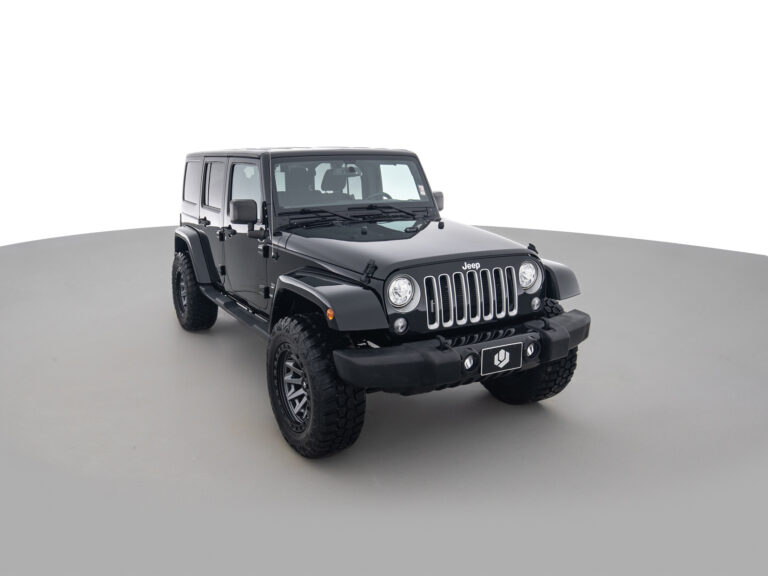
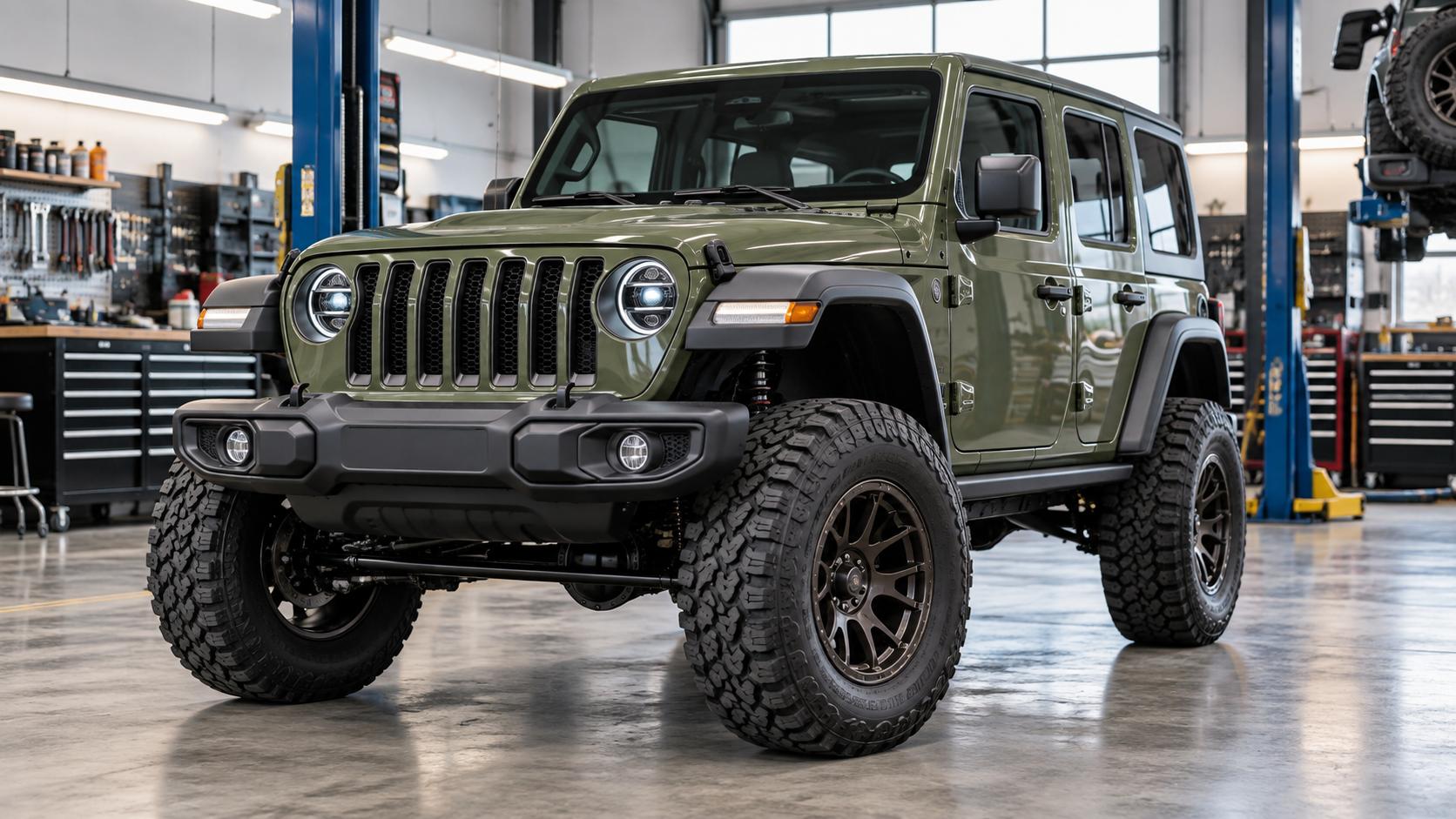
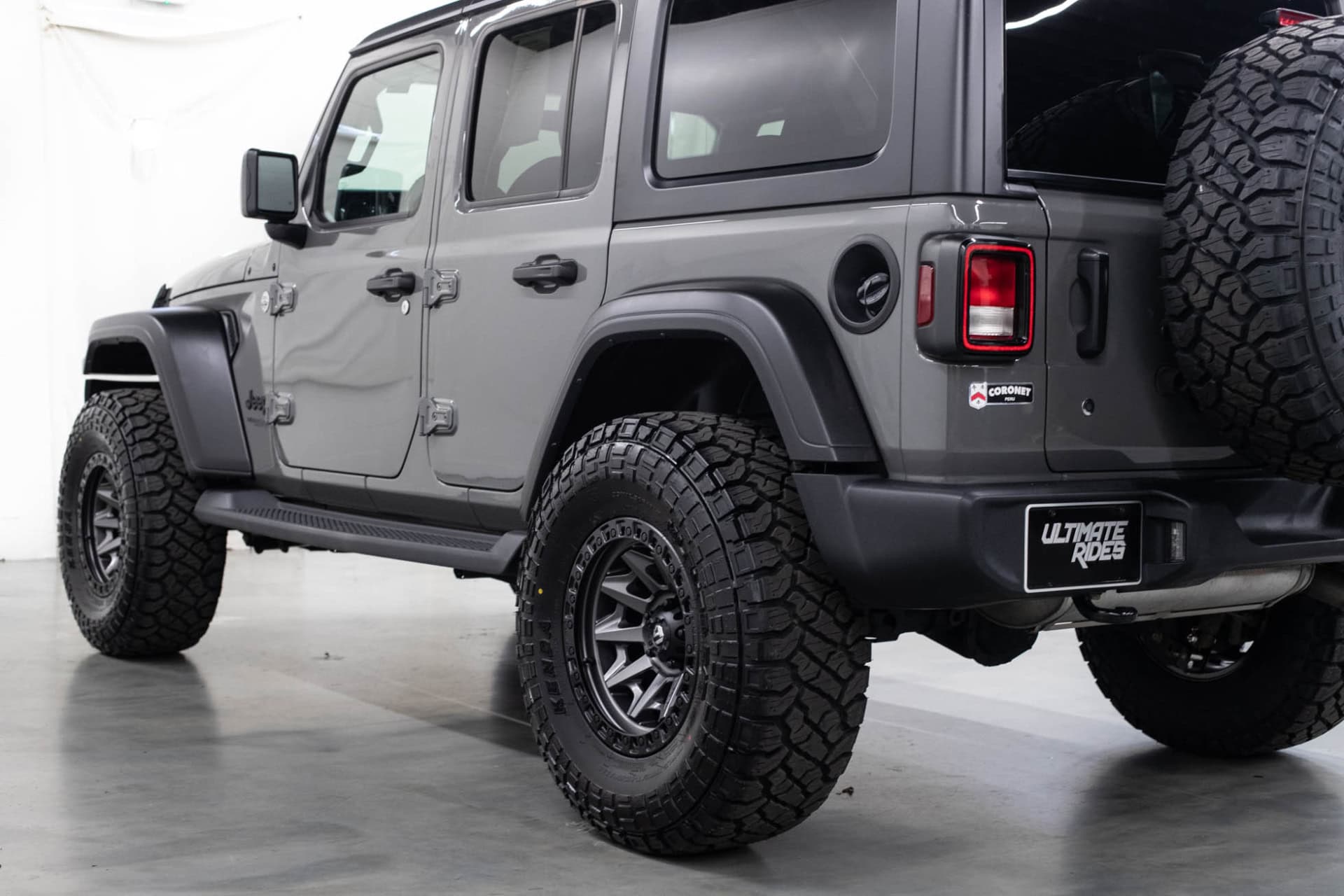
The Wrangler isn’t technically a truck, but it belongs in this conversation anyway. It might be the single most popular vehicle in the country to lift, and for good reason. It’s built on solid front and rear axles instead of the independent front suspension every truck on this list uses, which means it can handle a serious lift with far less complexity and far fewer geometry compromises.
If you want maximum trail capability and don’t need a bed, the Wrangler is hard to beat as a platform.
Since Ultimate Rides works on Jeeps as much as trucks, check out our lifted Jeep Wrangler inventory to see current builds, or browse our full lifted Jeep inventory for other models.
Full-Size or Midsize: Which Should You Lift?
There’s no universally right answer here, but a few questions can point you in the right direction.
Do you tow or haul heavy loads regularly? A full-size half-ton is going to serve you better long-term.
Are you mostly building for trail use and don’t need max payload? A midsize truck like the Tacoma or Colorado will save you money on the lift kit and the tires, since everything scales down with the smaller frame.
Budget matters too. Midsize trucks are generally cheaper to buy going in, and lift kits for them typically cost less than full-size kits since there’s less truck to lift. If you’re weighing exactly what a build like this runs, our guide to lift kit costs breaks down real numbers by lift size and kit type.
Why Buy or Build Your Lifted Truck with Ultimate Rides
We’ve been buying, selling, and building lifted trucks for over a decade, and it shows in how we source inventory. We hunt down rust-free trucks from around the country, bring them back to our shop south of Chicago, and put them through a thorough inspection before they ever hit our lot. Some we sell as-is. Plenty of others go straight to our lift center first, since building these trucks is the part of the job we actually love.
Not local to Illinois? That’s fine, most of our customers aren’t. Close to 60% of our business comes from outside the state, and we ship nationwide. If you’re buying a truck that needs lift work done before it’s delivered, we can roll the cost of that work right into your financing so you’re not juggling two separate bills.
Our service team is made up of ASE-certified technicians who know these trucks inside and out, not general mechanics learning suspension work on your dime. And however you find us, buying a truck off our lot or bringing your own in for a build, you’ll get treated like a person instead of a sales target. That’s not a slogan for us. It’s the whole reason Ultimate Rides exists.
Let Ultimate Rides Help You Build the Best Lifted Truck for You
Whatever platform you land on, the truck itself is only half the equation. The lift kit, the tires, the alignment work, and the finishing touches are what actually turn a stock truck into a great lifted truck. Ultimate Rides specializes in lifted trucks and Jeeps, and our ASE-certified techs handle everything from a simple leveling kit to a full custom build with a new suspension, wheels, and tires.
If you already own a truck you love and just want it lifted right, check out our lift shop to see what we offer. And if you’re shopping for your next truck instead, browse our full lifted truck inventory, much of which we’ve already built out ourselves.
Give us a call at (815) 942-4000 or stop by 120 S Hickory St, Braidwood, IL 60408. We’re open Monday through Friday, 10 am to 6 pm, and Saturday, 10 am to 3 pm.
Article updated for 2026 to reflect current truck generations and model-year changes. Vehicle specs and trim availability change from year to year, so confirm current details with the manufacturer or our sales team before making a purchase decision.
Frequently Asked Questions
What is the best truck to lift for a first-time build?
The Ford F-150 and Chevy Silverado 1500 are both excellent first builds because of how much documentation, kit compatibility, and community knowledge exists for them. If something goes wrong or you have a question mid-build, chances are someone’s already solved it for that exact truck.
What is the best lifted truck for daily driving?
The Ram 1500 tends to ride the smoothest post-lift thanks to its coil-spring rear suspension, making it a strong choice if comfort on pavement matters as much as looks and capability.
Is it cheaper to lift a full-size truck or a midsize truck?
Midsize trucks like the Tacoma and Colorado are generally cheaper to lift. Smaller kits, smaller tires, and less overall weight to move all add up to lower costs than an equivalent build on a full-size half-ton.
Do solid axle trucks lift better than independent front suspension trucks?
For big lifts, generally yes. Solid axle trucks like the Jeep Gladiator can handle larger lifts with fewer geometry compromises than IFS trucks. That said, IFS trucks ride better on pavement and still handle moderate lifts (2 to 6 inches) without major issues.
Should I start with a base trim or an off-road trim if I’m planning to lift the truck?
An off-road trim like the Trail Boss, AT4, Rebel, Tremor, or TRD Pro often works out cheaper overall. You’re paying more upfront, but you’re also getting a lift, better shocks, and locking differentials from the factory instead of buying and installing them yourself.
What’s the difference between a leveling kit and a full lift kit?
A leveling kit raises just the front of the truck to match the rear, usually 1 to 3 inches, while a full lift kit raises the entire truck and typically allows for larger tires. Our leveling kit vs. lift kit guide walks through which one fits your goals.
Does lifting a truck void the factory warranty?
Not automatically. Manufacturers can’t void an entire warranty just because you’ve installed a lift, thanks to the Magnuson-Moss Warranty Act, but they can deny coverage for damage the lift itself directly caused. Reputable installers who use quality kits reduce this risk greatly.